Treatment of infections in the respiratory (bronchitis, pneumonia) and urogenital (cystitis, gonorrhea) tracts.
Who takes it
Adults · Children
Adult dose
For recurrent tonsillitis and other upper respiratory infections, lower respiratory infections, urinary tract infections, and mild to moderate skin and soft tissue infections, take 25 mg/3.6 mg per kg of body weight divided into two doses daily. For severe infections such as otitis media, sinusitis, acute bronchopneumonia, and urinary tract infections, take 45 mg/6.4 mg per kg of body weight divided into two doses daily.
Child dose
The 7:1 syrup is not suitable for children under 2 months of age. Renal-failure pediatric patients also will not benefit from the 7:1 syrup.
Treatment of infections in the respiratory (bronchitis, pneumonia) and urogenital (cystitis, gonorrhea) tracts.
Acute and chronic bronchitis
lobar pneumonia
empyema
lung abscess
tonsillitis
sinusitis
otitis media
cystitis
urethritis
pyelonephritis
pelvic infections
gonorrhea
View approved original textHide original text
This medication is effective against various bacteria such as Staphylococcus aureus, Escherichia coli, and Streptococcus pneumoniae. It is used to treat respiratory infections such as acute and chronic bronchitis, pneumonia, empyema, and lung abscesses, as well as various infections including tonsillitis, sinusitis, and otitis media. It is also effective against urinary tract infections such as cystitis, urethritis, and pyelonephritis, as well as pelvic infections and gonorrhea. This drug is utilized in the treatment of various skin and musculoskeletal infections such as boils, abscesses, soft tissue infections, wound infections, osteomyelitis, and dental infections. The medication also shows effectiveness against beta-lactamase producing bacteria, allowing for widespread use in various bacterial infections. Therefore, it improves the treatment of various infectious diseases.
How to take
Adult dose
For recurrent tonsillitis and other upper respiratory infections, lower respiratory infections, urinary tract infections, and mild to moderate skin and soft tissue infections, take 25 mg/3.6 mg per kg of body weight divided into two doses daily. For severe infections such as otitis media, sinusitis, acute bronchopneumonia, and urinary tract infections, take 45 mg/6.4 mg per kg of body weight divided into two doses daily.
Child dose
The 7:1 syrup is not suitable for children under 2 months of age. Renal-failure pediatric patients also will not benefit from the 7:1 syrup.
Precautions
This medication is a beta-lactam antibiotic and should not be administered to patients with hypersensitivity to penicillin group drugs. Caution is especially required in cases with a history of anaphylaxis, Stevens-Johnson syndrome, or shock. Additionally, it should be avoided in patients with infectious mononucleosis or lymphocytic leukemia due to a higher risk of rash. Patients with a history of liver dysfunction or jaundice should also be cautious as symptoms may recur. Individuals with lactose intolerance, galactose intolerance, or related genetic disorders should avoid this medication due to the lactose it contains. Caution is advised for patients with liver impairment, as liver function may deteriorate, and for patients with moderate to severe renal impairment, as the drug concentration may increase necessitating adjustments to the interval of administration. Patients with an allergy history, those who have difficulty swallowing orally, the elderly, and those in poor general condition should also be cautious. Gastrointestinal symptoms may include diarrhea, vomiting, and abdominal pain, and gastrointestinal side effects may be alleviated by taking the medication with food. Liver-related side effects such as elevated liver enzyme levels, hepatitis, and cholestatic jaundice can rarely occur, particularly in men over 60 years of age. Allergic reactions can include skin rashes, urticaria, and rarely severe skin disorders like Stevens-Johnson syndrome; if symptoms appear, administration must be stopped immediately. Hematological abnormalities may include leukopenia, anemia, and thrombocytopenia, and neurological abnormalities may present as anxiety, drowsiness, and seizures. There is a possibility of acute kidney function deterioration, requiring regular testing. This medication may affect the normal intestinal flora, potentially leading to candidiasis or stomatitis, and rare occurrences of bleeding tendencies due to vitamin K deficiency may arise. Dental staining has been reported rarely but can be prevented with good oral hygiene practices. This medication should be administered only for the minimum necessary duration to prevent the development of resistant bacteria, and allergy history must be verified before administration due to hypersensitivity risks. Anaphylactic shock and other severe allergic reactions may occur after administration, so patients should be monitored in a stable state. If diarrhea or abdominal pain occurs during antibiotic use, medication should be stopped immediately, and medical attention should be sought. If liver function abnormalities are suspected, medication should be discontinued and appropriate action taken. This medication may interact with other drugs, necessitating caution especially when used in conjunction with anticoagulants, anti-inflammatory agents, and other antibiotics. Women who are pregnant or may become pregnant should avoid using this medication during the first three months, and those who are breastfeeding should also exercise caution due to potential adverse reactions. It is advisable not to administer this medication to premature infants or newborns under 2 months of age, as safety has not been established. The elderly should be closely monitored regarding dosage and dosing intervals, adjusting them carefully due to the higher risk of adverse reactions from decreased bodily function. This medication should be stored in a refrigerator and is safe to use within 7 days after preparation. Overdosage may lead to gastrointestinal symptoms, kidney function abnormalities, and seizures, which necessitate immediate cessation of administration and appropriate treatment.
Side effects and when to seek care immediately
Serious side effects
Urticaria, severe swelling (edema), chest tightness, difficulty breathing, cold sweats, pallor, severe allergic reactions, high fever with severe rash, blisters, skin desquamation, pain in mucous membranes of the mouth/eyes, severe skin adverse reactions, respiratory problems, yellowing of the skin or eyes (jaundice), extreme lethargy, liver abnormalities (jaundice), sudden and severe headache, thunderclap headache, seizures, confusion, visual disturbances, paralysis.
Not everyone experiences these, and they can vary from person to person.
Storage
This medication should be stored in a tightly sealed container to protect it from air and moisture. It is also important to store it at a cool temperature between 1 degree and 25 degrees Celsius to maintain its effectiveness.
Appearance and packaging
Appearance
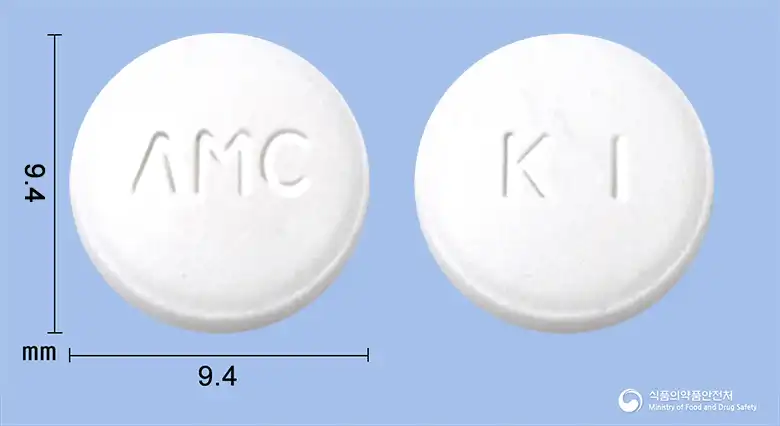
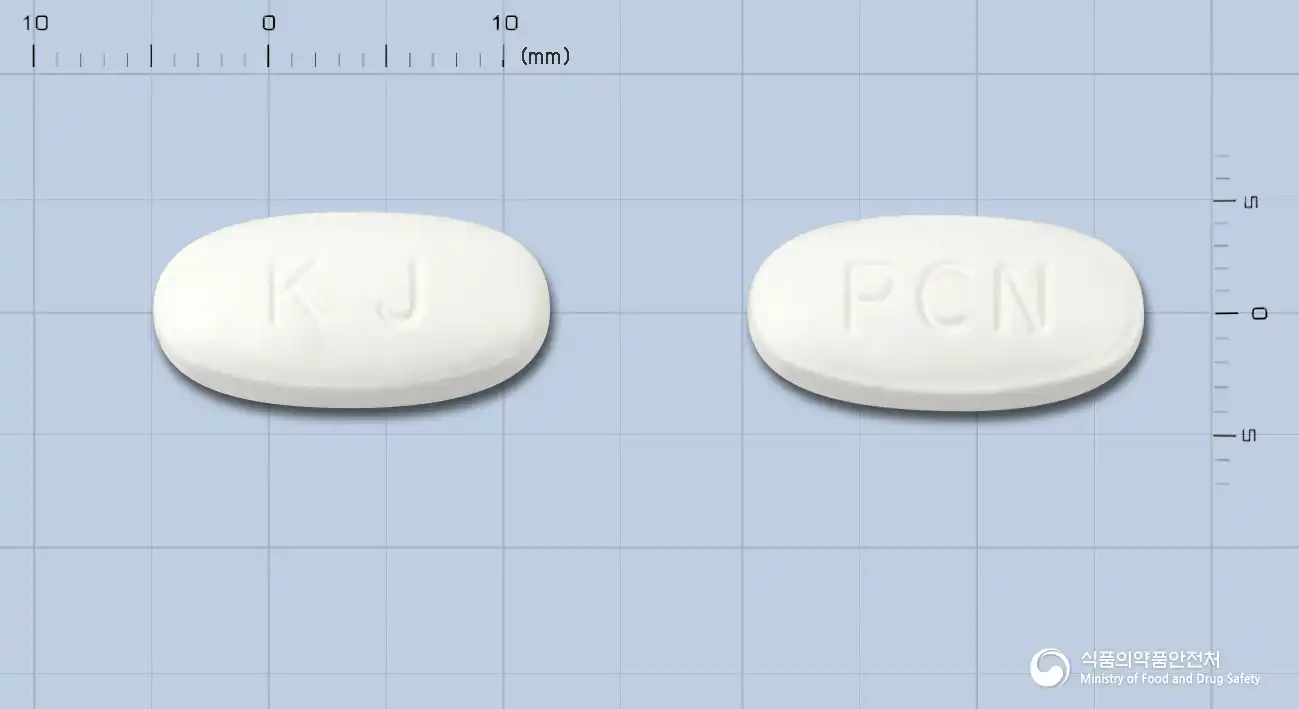
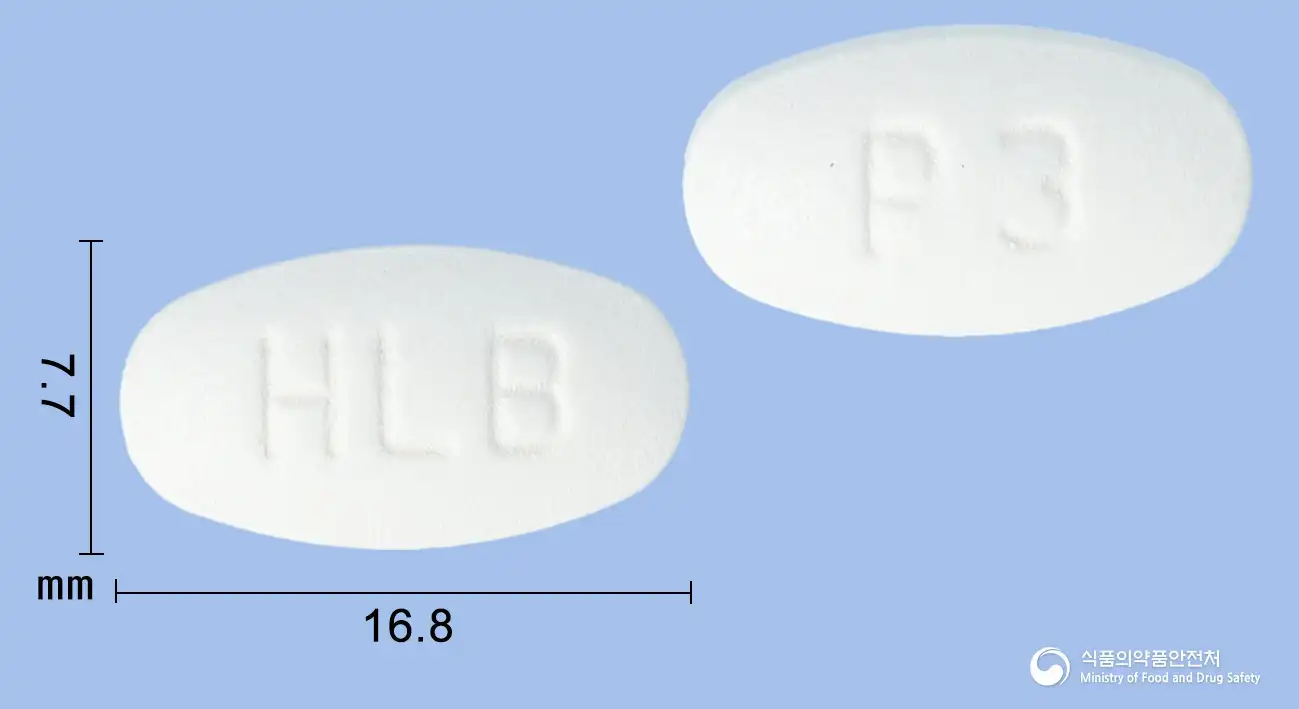
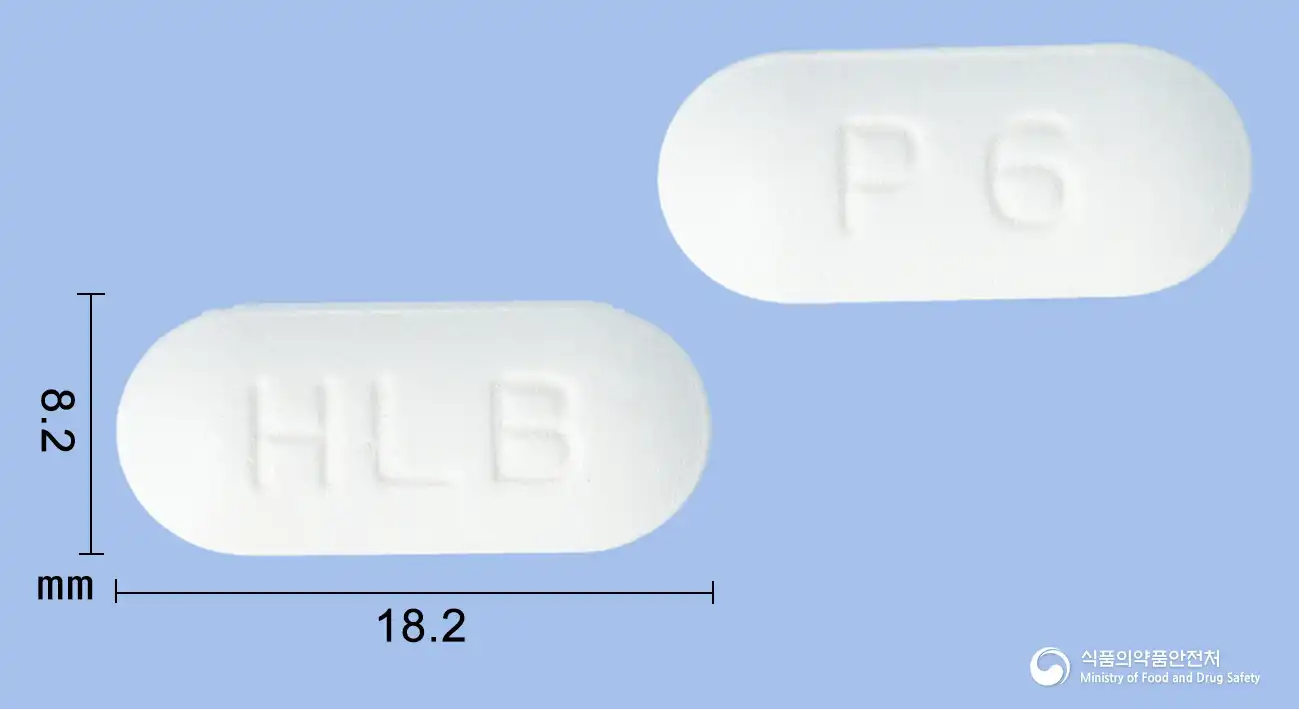
A whitish powder with a peculiar smell, used for making syrup.
Package unit
5.5g/50mL
Same-ingredient medicines
Even with the same ingredient, strength, dosage form and how it is taken can differ.
Even with the same ingredient, the dose and directions can differ by strength and dosage form. Talk to a doctor or pharmacist before switching from a medication you are already taking.
Questions about this medicine
No questions yet.
For anything that needs medical judgment, consult a doctor or pharmacist.
This drug information is based on data provided by the Korea Ministry of Food and Drug Safety. Consult a doctor or pharmacist for accurate dosage, administration, and usage instructions.

 한국어
한국어 English
 日本語
日本語 中文(简体)