
 한국어
 English
 日本語
 中文(简体)
 Viewing nowCombination
Merilon Tablet
Desogestrel 0.15mg · Ethinyl Estradiol 0.02mg
Tablet · OTC medication · Combination
AlboGEN Korea Co., Ltd.
MFDS item code 200009522 · Approved 2000.06.16
Prevention of pregnancy through contraception
This medication is used for contraception.
1. How to take this medicine The tablets should be taken every day at approximately the same time, with water, in the order indicated on the package. Take 1 tablet daily for 21 days, followed by a 7-day tablet-free interval, and then start a new pack. Withdrawal bleeding usually occurs during the 7-day tablet-free interval. It generally begins 2~3 days after the last tablet is taken and may not have ended before the new pack is started. 2. How to start taking this medicine 1) If you did not use hormonal contraception during the previous month Start taking the tablets on the first day of the woman’s natural menstrual cycle (i.e., the first day of menstruation). You may start on days 2~5, but during the first cycle, use a barrier contraceptive method (e.g., a condom) in addition for the first 7 days of tablet use. 2) If switching from a combined hormonal contraceptive {combined oral contraceptive (COC), vaginal ring, or transdermal patch} If possible, start taking this medicine the day after taking the last active tablet (the last tablet containing the active ingredient) of the combined oral contraceptive you were previously taking. At the latest, start taking this medicine the day after the usual tablet-free interval or the last placebo tablet of the combined oral contraceptive you were previously taking. If you used a vaginal ring or transdermal patch, start taking this medicine on the day it is removed, if possible, and no later than the day the next ring or patch would have been due to be used. If the previous contraceptive method has been used consistently and correctly and it is clear that you are not pregnant, you may switch to this medicine on any day of the cycle of your combined hormonal contraceptive. The tablet-free interval for the previous contraceptive method must never exceed the recommended duration. 3) If switching from a progestin-only method (tablet, injection, or implant) or a progestin-releasing intrauterine system (IUS) You may switch to this medicine on any day while taking progestin tablets (on the day of removal for an implant or progestin-releasing intrauterine system, or on the date the next injection is due for an injectable). However, in all these cases, use a barrier contraceptive method (e.g., a condom) in addition for the first 7 days. 4) After an abortion during the first 3 months of pregnancy You may start taking this medicine immediately. In this case, no additional contraceptive method is necessary. 5) After childbirth or an abortion between 4~6 months of pregnancy For breastfeeding women, refer to section 7. Administration to pregnant and breastfeeding women under Precautions for Use. You may start taking this medicine 21~28 days after childbirth or an abortion between 4~6 months of pregnancy. If you start taking it later, use a barrier contraceptive method in addition for the first 7 days of taking the medicine. However, if sexual intercourse has already occurred, confirm that you are not pregnant before starting the combined oral contraceptive, or wait until your first menstrual period. 3. If you forget to take a dose 1) If less than 12 hours have passed since the dose was due Contraceptive efficacy is maintained. Take 1 tablet as soon as you remember, and take the next tablet at the usual scheduled time. 2) If more than 12 hours have passed since the dose was due Contraceptive efficacy may be reduced, so follow the instructions below in accordance with the following two principles. (1) The period without taking tablets must not exceed 7 days. (2) Tablets must be taken continuously for 7 days to ensure adequate suppression of the hypothalamic-pituitary-ovarian axis. ■ Week 1 Take the last missed tablet as soon as you remember. You may take 2 tablets at the same time. Then take the next tablet at the usual scheduled time. Use a barrier contraceptive method, such as a condom, in addition for the first 7 days after taking the tablet. If you had sexual intercourse during the previous 7 days, pregnancy is possible. The more tablets you have missed and the closer the missed doses are to the usual tablet-free interval, the greater the risk of pregnancy. ■ Week 2 Take the last missed tablet as soon as you remember. You may take 2 tablets at the same time. Then take the next tablet at the usual scheduled time. If you took this medicine continuously for 7 days immediately before forgetting the first tablet, no additional contraceptive method is necessary. However, if you did not, or if you missed two or more tablets, use additional contraception for the first 7 days after taking the tablet. ■ Week 3 Because the tablet-free interval is approaching, the risk of reduced contraceptive efficacy is high. However, following the instructions below to adjust your tablet-taking schedule can prevent a reduction in contraceptive efficacy. If you took this medicine continuously for 7 days immediately before forgetting the first tablet, no additional contraceptive method is necessary if you choose either of the following two options. Otherwise, follow the first of the following two options and use additional contraception for the first 7 days. ① Take the last missed tablet as soon as you remember. You may take 2 tablets at the same time. Then take the next tablet at the usual scheduled time. Start taking the tablets from the next pack as soon as you finish the current pack, without a tablet-free interval. Withdrawal bleeding may not occur until the tablets in the second pack have been finished, and breakthrough bleeding or spotting may occur while taking the tablets. ② Stop taking the tablets from the current pack, have a tablet-free interval of 7 days, including the day you forgot to take a tablet, and then start taking the tablets from a new pack. If withdrawal bleeding does not occur during the first usual tablet-free interval after you have forgotten a tablet and started the adjusted schedule, consider the possibility of pregnancy. 4. Advice in case of gastrointestinal upset If severe gastrointestinal upset occurs, absorption may be incomplete, so additional contraceptive measures should be taken. If vomiting occurs within 3~4 hours after taking this medicine, an additional dose is needed; follow the instructions in section "3. If you forget to take a dose" for how to take it. If you wish to continue your regular dosing schedule, you may take the additional tablet needed from another new pack. 5. Changing or extending the cycle To extend the cycle, take the tablets from a new pack in sequence without a tablet-free interval. You may extend the cycle for as long as desired, until you have taken all the tablets in the second pack. Breakthrough bleeding or spotting may occur during the extended period. Then resume taking this medicine as usual after a 7-day tablet-free interval. To change the cycle to a different day than the current schedule, you may shorten the upcoming tablet-free interval by the desired number of days. The shorter the tablet-free interval, the greater the risk that withdrawal bleeding will not occur and that breakthrough bleeding and spotting will occur while taking the second pack (as when extending the cycle).
This medication can significantly increase the risk of serious cardiovascular side effects, particularly thrombosis, in women who smoke. Women over 35 should especially refrain from smoking, and those who smoke and are over 35 should not take this medication. Patients with a history of thrombosis or cardiovascular disease, or those with certain blood coagulation disorders should not use this medication. It should also not be taken in cases of migraine, severe diabetes, liver disease, liver tumors, during pregnancy, or if pregnancy is suspected. Additionally, patients who have hypersensitivity to this medication or specific genetic metabolic disorders should avoid use. Caution is advised when used by smokers, patients with high blood pressure, obese individuals, women over 40, liver disease patients, and individuals with migraine. This medication can cause adverse cardiovascular reactions such as thrombosis, stroke, and myocardial infarction, so if unusual symptoms occur, consult a doctor immediately. Various side effects such as irregular menstruation, breast pain, digestive disorders, headache, and skin rashes may occur. If there are risk factors for thrombosis or a family history, if obesity, high blood pressure, or migraine are present, consultation with a doctor is necessary before use. This medication can interact with other drugs, reducing its effectiveness or increasing the risk of side effects when taken with certain medications. It should not be taken during pregnancy, and breastfeeding women should avoid it as it can affect the baby through breast milk. Overdose may result in nausea, vomiting, and some vaginal bleeding, but no serious harmful effects have been reported. Consultation with a doctor is required before taking this medication, and regular check-ups and monitoring are necessary. Also, this medication does not provide protection against HIV or other sexually transmitted diseases, so additional protective methods should be employed.
Thrombotic venous inflammation, thrombosis, venous thromboembolism, arterial thromboembolism, stroke, cerebral hemorrhage, cerebral thrombosis, myocardial infarction, pulmonary embolism, increased blood pressure, worsening of varicose veins, intermenstrual bleeding, changes in menstrual flow, amenorrhea, vaginal discharge changes, increase in size of uterine fibroids, cervical erosion, vaginal candidiasis, vaginitis, premenstrual syndrome, hemolytic uremic syndrome, dysmenorrhea, breast tension and enlargement, urinary incontinence, mastalgia, benign breast disease, breast tenderness, nipple discharge, nausea, vomiting, abdominal bloating, abdominal cramps, gastrointestinal disorder, bile secretion, non-jaundiced hepatitis, cholestatic jaundice, malignant and benign liver tumors, porphyria, chronic inflammatory disease, abdominal pain, cholelithiasis, diarrhea, headache, migraine, depression, dizziness, nervous irritability, chorea, epilepsy, decreased sensory perception, exhaustion, control disorders, mood changes, melasma and persistence of melasma, acne, polymorphic eruption, erythema nodosum, exacerbation of systemic lupus erythematosus, hemorrhagic rash, allergic rash, edema, itching, urticaria, seborrhea, alopecia, rash, visual impairment, corneal refraction changes, abnormal contact lens sensitivity, retinal thrombosis, optic neuritis, hearing impairment, sodium and fluid retention, decreased glucose tolerance, diabetes, hypertriglyceridemia, hypercholesterolemia, weight changes, appetite changes, changes in libido, speech impairment, prolactin-secreting pituitary tumor, hypersensitivity reactions, nausea, vomiting, mild vaginal bleeding
Not everyone experiences these, and they can vary from person to person.
This medication interacts with direct-acting antiviral agents for hepatitis C, phenytoin, hydantoins, barbiturates, primidone, carbamazepine, rifampicin, rifabutin, oxcarbazepine, topiramate, felbamate, griseofulvin, lupinavir, aprepitant, and some HIV protease inhibitors (e.g., ritonavir), and nucleoside reverse transcriptase inhibitors (efavirenz).
Do not take this medication with products containing St. John's Wort or grapefruit juice.
This medication should be stored in a tightly sealed container to prevent air from entering, kept away from direct sunlight, and stored at room temperature. Proper storage will maintain the effectiveness of the medication and prevent deterioration.
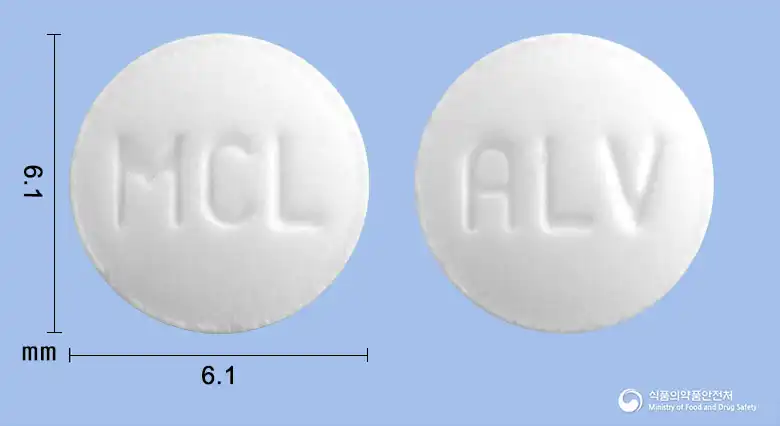
White round tablets
21 tablets / PTP
Even with the same ingredient, strength, dosage form and how it is taken can differ.
Viewing nowCombinationDesogestrel 0.15mg · Ethinyl Estradiol 0.02mg
Tablet · OTC medication · Combination
AlboGEN Korea Co., Ltd.
 Combination
Desogestrel 0.15mg · Ethinyl Estradiol 0.02mg
Tablet · OTC medication · Combination
Hyundai Pharmaceutical Co., Ltd.
 Combination
Desogestrel 0.15mg · Ethinyl Estradiol 0.02mg
Tablet · OTC medication · Combination
Yuhan Corporation
 Combination
Desogestrel 0.15mg · Ethinyl Estradiol 0.02mg
Tablet · OTC medication · Combination
GL Pharma Co., Ltd.
 Combination
Desogestrel 0.15mg · Ethinyl Estradiol 0.02mg
Tablet · OTC medication · Combination
Hanil Pharmaceutical Co., Ltd.
Desogestrel 0.15mg · Ethinyl Estradiol 0.02mg
Tablet · OTC medication · Combination
Ildong Pharmaceutical Co., Ltd.
Ethinyl Estradiol 0.02mg · Desogestrel 0.15mg
Tablet · OTC medication · Combination
Sampung Fine Chem Co., Ltd.
Desogestrel 0.15mg · Ethinyl Estradiol 0.03mg
Tablet · OTC medication · Combination
GL Pharma Co., Ltd.
Even with the same ingredient, the dose and directions can differ by strength and dosage form. Talk to a doctor or pharmacist before switching from a medication you are already taking.
No questions yet.
For anything that needs medical judgment, consult a doctor or pharmacist.
This drug information is based on data provided by the Korea Ministry of Food and Drug Safety.
Consult a doctor or pharmacist for accurate dosage, administration, and usage instructions.