
 한국어
한국어 English
 日本語
日本語 中文(简体)
 Viewing nowCombination
Airis Tablet
Levonorgestrel 0.1mg · Ethinyl Estradiol 0.02mg
Tablet · OTC medication · Combination
Pfizer Korea Co., Ltd.
MFDS item code 200009333 · Approved 2000.12.01
Contraceptive and improvement of moderate acne
This medication functions as contraception and is also used to treat moderate acne.
Take 1 tablet daily for 21 days and then a 7-day break (stop taking). It is advisable to take at the same time every day. Start taking from day 1 of menstruation and continue for 21 days daily, followed by a 7-day break. If a dose is missed, take the missed tablet immediately upon remembering and continue with the regular schedule.
Women who smoke, especially those over 35 years old, are at a significantly increased risk of serious cardiovascular side effects; therefore, they should refrain from smoking. Women with estrogen-dependent tumors or a history of breast cancer, women with thrombotic or cardiovascular diseases should not use this medication. Pregnant women or women who might become pregnant, as well as breastfeeding women, should also avoid taking this medication. Individuals with specific health conditions such as hypertension, liver impairment, diabetes, migraines, obesity, or depression should use this medication cautiously and consult a physician. This medication can increase the risk of thrombosis, stroke, myocardial infarction, and other cardiovascular diseases, so regular health check-ups are important. If bleeding occurs during use or if unusual symptoms appear, immediately consult a physician, and if there is no scheduled bleeding, consider the possibility of pregnancy. This medication can interact with other drugs, so it is essential to inform your doctor or pharmacist of any concurrent medications. During pregnancy, it can affect the fetus, so if pregnancy is confirmed, discontinue use immediately, and also avoid use while breastfeeding. In case of overdose, symptoms such as nausea, vomiting, and dizziness may occur, and there is no specific antidote; symptomatic treatment should be provided. Store this medication out of the reach of children, and it is safer to keep it in its original container.
Not everyone experiences these, and they can vary from person to person.
Avoid concurrent use with C-type hepatitis direct acting antivirals (such as Ombitasvir, Paritaprevir, Ritonavir combinations, etc.), phenytoin, barbiturates, primidone, carbamazepine, rifampicin, lupinavir, aprepitant, bosentan, efavirenz, oxcarbazepine, topiramate, felbamate, griseofulvin, and St. John's Wort, as well as with hyperlipidemic drugs and antibiotics.
Do not take this medication with grapefruit juice.
This medication can be sensitive to light, so it should be stored in a light-resistant, closed container. Additionally, avoid storing the medication in excessively hot or cold places, and it is best to keep it at room temperature.
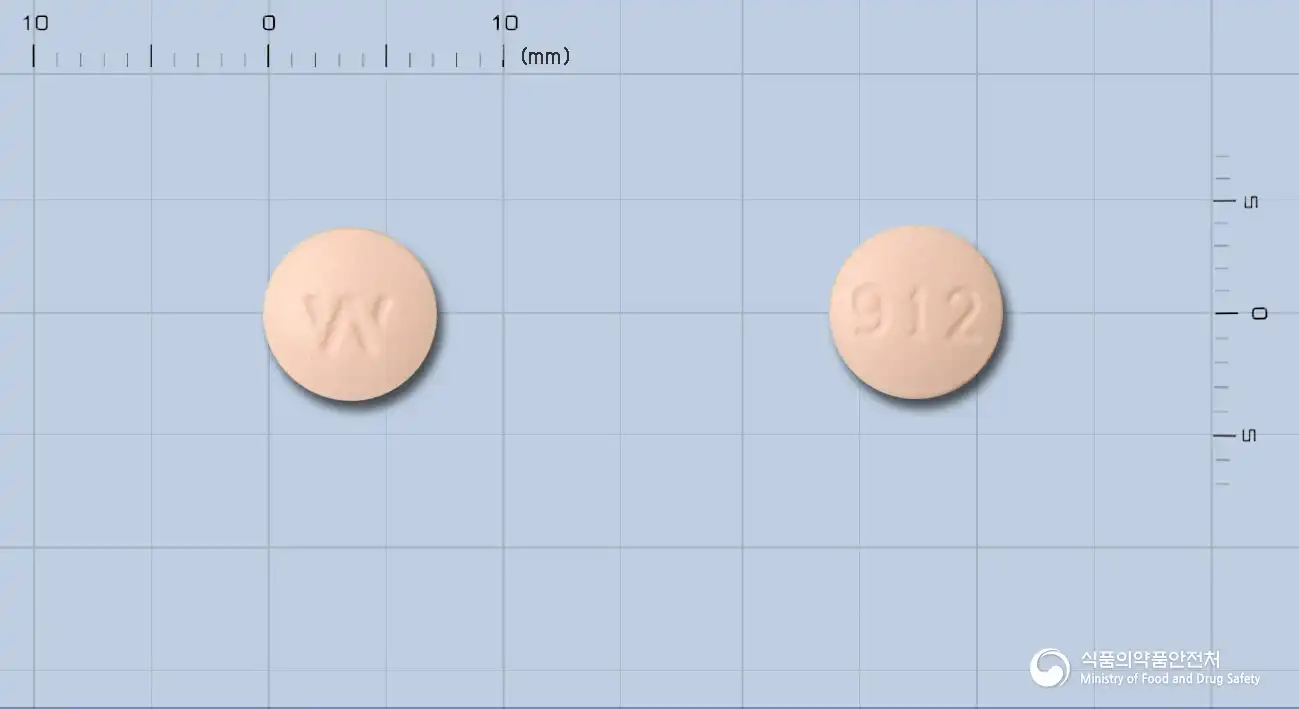
Round pink tablet with a convex shape on both sides
21 tablets (21 tablets / 1 blister)
Even with the same ingredient, strength, dosage form and how it is taken can differ.
Viewing nowCombinationLevonorgestrel 0.1mg · Ethinyl Estradiol 0.02mg
Tablet · OTC medication · Combination
Pfizer Korea Co., Ltd.
 Combination
Levonorgestrel 0.15mg · Ethinyl Estradiol 0.03mg
OTC medication · Combination
Dong-A Pharmaceutical Co., Ltd.
 Combination
Levonorgestrel 0.1mg · Ethinyl Estradiol 0.02mg
Tablet · OTC medication · Combination
Hyundai Pharmaceutical Co., Ltd.
 Combination
Levonorgestrel 0.1mg · Ethinyl Estradiol 0.02mg
Tablet · OTC medication · Combination
GL Pharma Co., Ltd.
Levonorgestrel 0.15mg · Ethinyl Estradiol 0.03mg
OTC medication · Combination
Dong-A Pharmaceutical Co., Ltd.
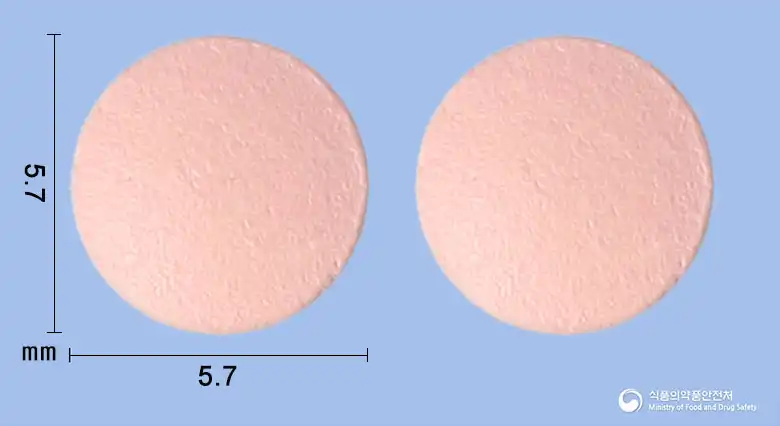 Combination
Levonorgestrel 0.1mg · Ethinyl Estradiol 0.02mg
Tablet · OTC medication · Combination
Taeguk Pharmaceutical Co., Ltd.
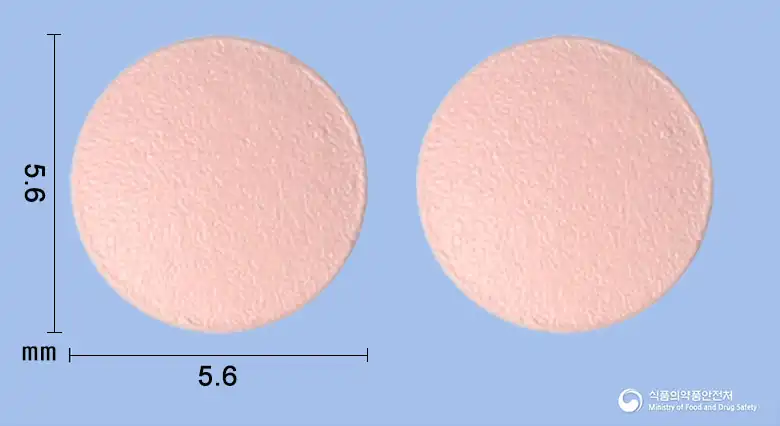 Combination
Levonorgestrel 0.1mg · Ethinyl Estradiol 0.02mg
Tablet · OTC medication · Combination
Yuhan Corporation
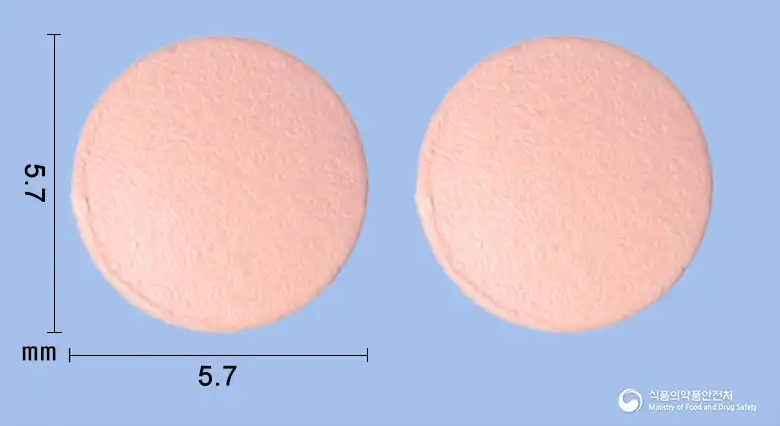 Combination
Levonorgestrel 0.1mg · Ethinyl Estradiol 0.02mg
Tablet · OTC medication · Combination
Joah Pharmaceutical Co., Ltd.
Even with the same ingredient, the dose and directions can differ by strength and dosage form. Talk to a doctor or pharmacist before switching from a medication you are already taking.
No questions yet.
For anything that needs medical judgment, consult a doctor or pharmacist.
This drug information is based on data provided by the Korea Ministry of Food and Drug Safety.
Consult a doctor or pharmacist for accurate dosage, administration, and usage instructions.