
 한국어
 English
 日本語
 中文(简体)
Dosage form image
Viewing nowLeroxacin Tablet (Levofloxacin Hemihydrate)
Levofloxacin Hydrate
Prescription medication
Kwangdong Pharmaceutical Co., Ltd.
MFDS item code 199902842 · Notified 1999.05.15
This product's status changed to Approval withdrawn on 2023.06.09. It may no longer be sold, so consult a doctor or pharmacist before taking it.
Treatment of respiratory, ear, nose and throat, oral, genitourinary, skin, ocular, and gastrointestinal infections
This medication is used as an effective treatment for various diseases caused by different bacteria. It is effective for complicated skin and soft tissue infections, respiratory infections such as chronic bronchitis and pneumonia, and urinary tract infections such as pyelonephritis and cystitis. It is also used for infections of the reproductive and digestive systems, such as gonococcal urethritis, bacterial dysentery, and pelvic inflammatory disease. It applies to ophthalmic diseases such as blepharitis, styes, and corneal ulcers, as well as ENT diseases such as otitis media and sinusitis, and aids in the treatment of cholecystitis and cholangitis. However, this medication carries a risk of serious adverse reactions and should be used only in specific situations when other treatments are not available. Therefore, it is used cautiously for the treatment of various complicated bacterial infections.
○ Usual adult dosage: Administer 100 mg of levofloxacin orally per dose 2~3 times daily. For patients with severe symptoms or an insufficient response, administer 200 mg of this medicine per dose, 3 times daily. Adjust the dose as appropriate according to age and symptoms.
As a fluoroquinolone antibiotic, this medication may cause serious side effects, such as tendonitis, tendon rupture, peripheral neuropathy, and central nervous system abnormalities. Especially, patients with myasthenia gravis may worsen their symptoms, so it should not be used. If pain, inflammation, or tendon rupture symptoms occur during treatment, discontinue use immediately and consult a physician. Additionally, caution is needed for elderly patients, patients with impaired kidney function, and those using corticosteroids, as they are at a higher risk of side effects. This medication may cause hypersensitivity reactions; therefore, patients with a history of allergy to this class of drugs should not use it. It should also not be administered to pregnant or breastfeeding women, adolescents under 18 years of age, or patients with epilepsy. Patients with severe kidney impairment, central nervous system disorders, or a history of seizures should use it carefully, and caution is needed when combined with specific anti-inflammatory drugs or diabetes medications. During administration, dizziness, drowsiness, and visual disturbances may occur, so avoidance of driving or operating machinery is advised. Photosensitivity reactions may occur, so exposure to strong sunlight or artificial ultraviolet light should be avoided, and if skin rashes develop, the medication should be discontinued immediately. Diabetic patients requiring blood sugar control should closely monitor for changes in blood glucose levels, and symptoms of serious skin reactions or liver function abnormalities should prompt immediate consultation with healthcare professionals. In case of overdose, central nervous system symptoms and cardiac side effects may occur, so emergency treatment should be sought if suspected. This medication is not used in children or adolescents undergoing growth due to potential impacts on joints and bones. Elderly patients may require dosage adjustment and careful monitoring due to possible elevated drug concentrations due to impaired kidney function. Finally, if any abnormal symptoms occur while taking this medication, immediate consultation with a healthcare professional is necessary, and the prescribed treatment duration and dosage should be strictly followed.
Tendinitis, tendon rupture, peripheral neuropathy, central nervous system effects, exacerbation of myasthenia gravis, shock, hypotension, respiratory distress, chest tightness, hypersensitivity reaction, anaphylactic reaction, cardiovascular collapse, hypotensive shock, seizures, loss of consciousness, numbness, angioedema, airway obstruction, urticaria, itching, rapid heart rate, dysphagia, severe skin reactions, phototoxic reactions, insomnia, dizziness, headache, tremors, anxiety, depression, psychotic reactions, hallucinations, paranoia, neuroexcitation, delirium, disorientation, attention deficit, nightmares, agitation, confusion, convulsions, visual impairment, auditory impairment, taste disorder, smell disorder, auditory hallucinations, sensory disturbance, hypoesthesia, sensory loss, weakness, palpitations, QT interval prolongation, arrhythmia, Torsades de pointes, increased BUN, elevated serum creatinine, acute renal failure, interstitial nephritis, elevated liver enzymes, acute liver necrosis, acute liver failure, severe hepatitis, liver dysfunction, jaundice, increased ALP, elevated γ-GTP, increased total bilirubin, leukopenia, erythrocytopenia, decreased hemoglobin, decreased hematocrit, increased eosinophils, pancytopenia, anemia, hemolytic anemia, thrombocytopenia, agranulocytosis, nausea, vomiting, abdominal discomfort, diarrhea, loss of appetite, abdominal pain, abdominal distension, dyspepsia, stomatitis, glossitis, dryness, constipation, pseudomembranous colitis, hematochezia, myalgia, weakness, elevated CPK, increased myoglobin, rhabdomyolysis, arthralgia, muscle weakness, Stevens-Johnson syndrome, toxic epidermal necrolysis, eosinophilia, drug reactions accompanied by systemic symptoms, fever, cough, abnormal chest X-ray, interstitial pneumonia, allergic pneumonia, glucose metabolism disorders, vaginitis, insomnia, bloating, itching, rash, genital candidiasis, candidiasis, dysgeusia, fungal infection, genital pruritus, headache, neurosis, erythematous rash, urticaria, decreased appetite, drowsiness, agitation, thirst, tremors, allergic reactions, aortic aneurysm, aortic dissection, valve regurgitation, valve insufficiency, syndrome of inappropriate antidiuretic hormone secretion
Not everyone experiences these, and they can vary from person to person.
This medication should be stored in a tightly sealed container to protect it from air and moisture. It is important to maintain storage temperatures between 1 degree and 30 degrees Celsius.
White film-coated tablet
30 tablets/bottle, 100 tablets/bottle
Even with the same ingredient, strength, dosage form and how it is taken can differ.
Levofloxacin Hydrate
Prescription medication
Kwangdong Pharmaceutical Co., Ltd.
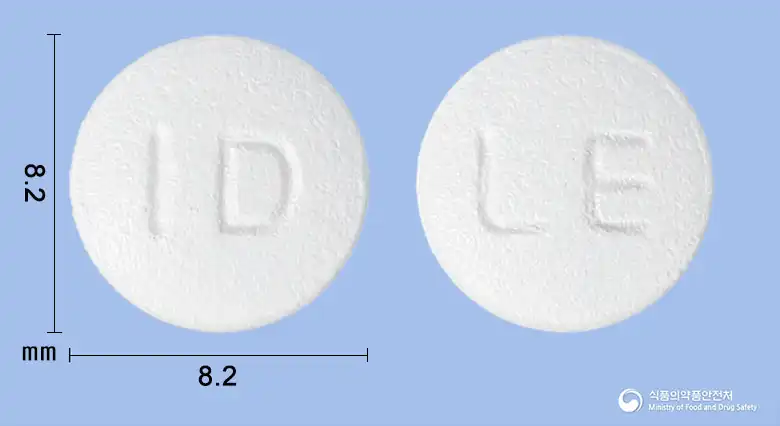
Levofloxacin Hydrate 100mg
Tablet · Prescription medication
Ildong Pharmaceutical Co., Ltd.
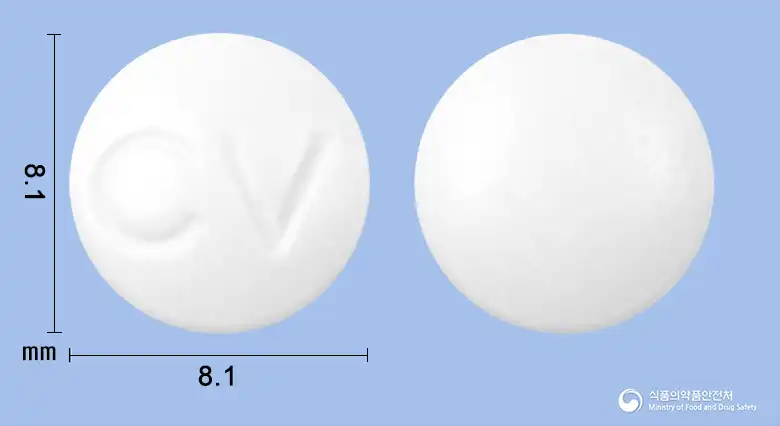
Levofloxacin 100mg
Tablet · Prescription medication
Jeil Pharmaceutical Co., Ltd.
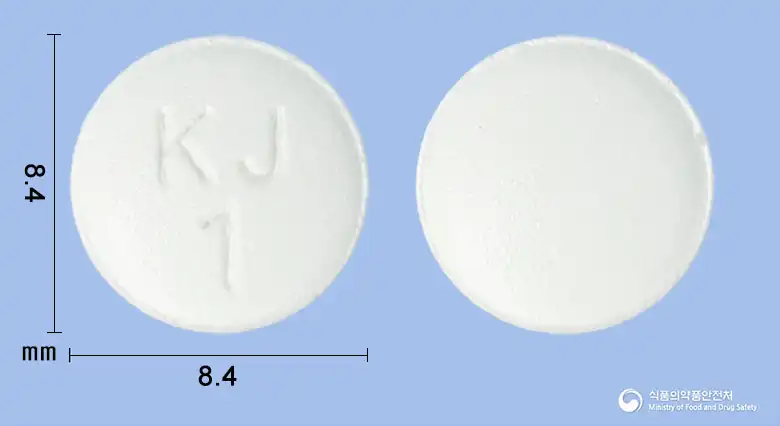
Levofloxacin Hydrate 100mg
Tablet · Prescription medication
International Pharmaceuticals Co., Ltd.
Levofloxacin 5.1246mg
Prescription medication
Jeil Pharmaceutical Co., Ltd.
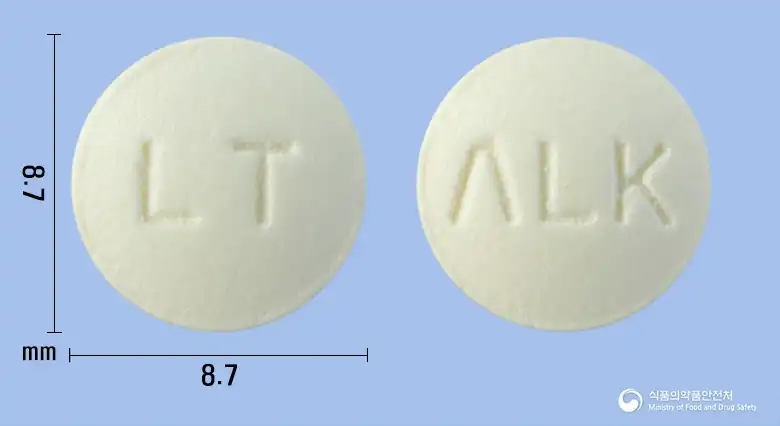
Levofloxacin Hydrate 100mg
Tablet · Prescription medication
SS Pharm Co., Ltd.
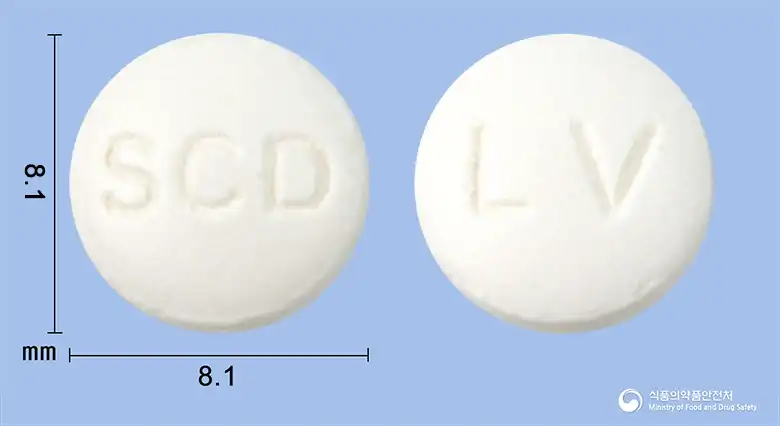
Levofloxacin Hydrate 102.49mg
Tablet · Prescription medication
Samchundang Pharmaceutical Co., Ltd.
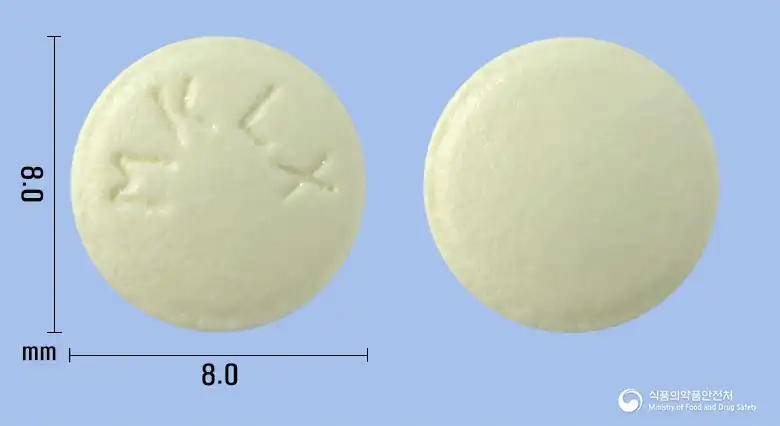
Levofloxacin Hydrate 100mg
Tablet · Prescription medication
Medica Korea Co., Ltd.
Even with the same ingredient, the dose and directions can differ by strength and dosage form. Talk to a doctor or pharmacist before switching from a medication you are already taking.
No questions yet.
For anything that needs medical judgment, consult a doctor or pharmacist.
This drug information is based on data provided by the Korea Ministry of Food and Drug Safety.
Consult a doctor or pharmacist for accurate dosage, administration, and usage instructions.