
 한국어
 English
 日本語
 中文(简体)
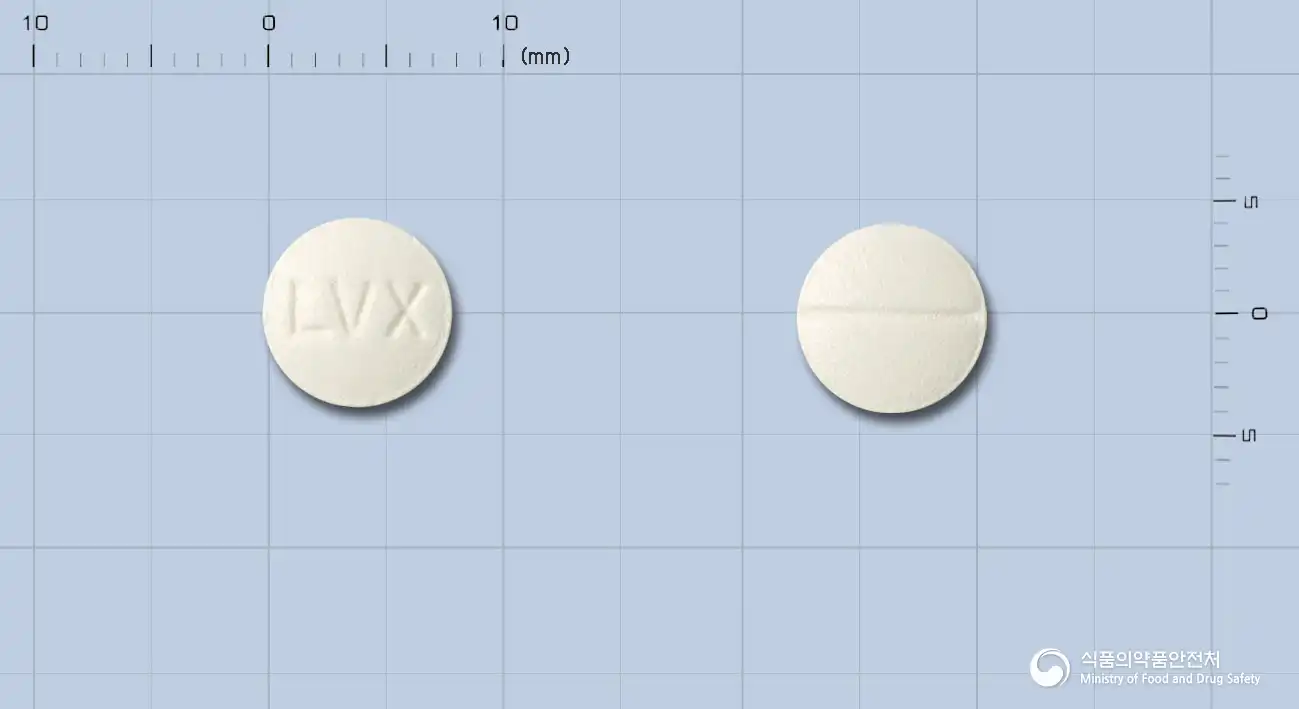 Viewing now
Levrofloxacine Tablets (Levofloxacin Hydrate)
Levofloxacin Hydrate 102.49mg
Tablet · Prescription medication
Korea Pharma Co., Ltd.
MFDS item code 199801473 · Notified 1998.10.17 · Insurance code 653000420
Treatment of respiratory, head and neck, genitourinary, skin, and gastrointestinal infections
This medication is used for various infections caused by different bacteria. It treats complicated skin and soft tissue infections, and is effective against secondary infections or community-acquired pneumonia in chronic bronchitis and chronic respiratory diseases. It is also utilized for urinary tract infections such as acute pyelonephritis, cystitis, prostatitis, and urethritis, and for gastrointestinal infections like bacterial dysentery and enteritis. Additionally, it helps with various inflammatory diseases including intrauterine infections, blepharitis, otitis media, and sinusitis. As a fluoroquinolone antibiotic, there is a risk of side effects, so it is only used for mild infections when other treatments are not suitable. Overall, this medication is useful for the treatment of a wide range of bacterial infections.
○ The usual adult dose is 100 mg of levofloxacin per dose, orally 2–3 times daily. For patients with severe symptoms or an inadequate response, administer 200 mg per dose, 3 times daily. Adjust the dose as appropriate according to age and symptoms.
This medication may cause tendon issues such as tendinitis or tendon rupture and serious side effects affecting peripheral neuropathy or the central nervous system may occur. If these adverse reactions appear, the use of this medication must be discontinued immediately, and other medications of the same class should not be used. Patients with myasthenia gravis may experience worsening symptoms if taking this medication, so it is not administered to them. This medication is only restrictedly used for certain bacterial infections and should only be used when no other treatment options are available. Caution is needed in elderly patients, patients with poor kidney function, and those taking corticosteroids, as the risk of tendon rupture is heightened. If pain or inflammation occurs in the tendons during exercise or activity, the medication should be stopped immediately and rest should be taken. This medication may induce seizures, so caution must be exercised in patients with epilepsy or a history of seizures, as well as in those with other central nervous system disorders. Women who are pregnant or breastfeeding and growing adolescents under the age of 18 should not take this medication. Allergic reactions or severe skin rashes, difficulty breathing, and other hypersensitivity reactions may occur; if these symptoms arise, usage should be stopped immediately, and consultation with medical personnel is advised. During the use of this medication, it is advisable to avoid strong sunlight or UV exposure, and if dizziness or drowsiness occurs, driving or operating machinery should be avoided. Diabetic patients needing blood sugar control must carefully monitor their blood sugar changes while on this medication, and appropriate measures should be taken if necessary. Patients with impaired kidney or liver function may require dosage adjustments, and if abnormal symptoms arise, medical consultations should be sought immediately. In case of overdose, central nervous system symptoms and cardiac rhythm abnormalities may appear, requiring immediate treatment in a medical institution. This medication may interact with certain drugs, so if taking other medications, it must be disclosed.
Tendinitis, tendon rupture, peripheral neuropathy, central nervous system effects, exacerbation of myasthenia gravis, shock, hypotension, respiratory distress, chest tightness, hypersensitivity reaction, anaphylactic reaction, cardiovascular collapse, hypotensive shock, seizures, loss of consciousness, paresthesia, vascular edema, airway obstruction, urticaria, itching, rapid heartbeat, dysphagia, severe skin reactions, photosensitivity reactions, insomnia, dizziness, headache, tremor, anxiety, depression, psychotic reactions, hallucinations, paranoia, neuroexcitability, delirium, disorientation, attention deficit, nightmares, sleep disorders, suicidal thoughts, agitation, confusion, convulsions, visual impairment, hearing impairment, taste impairment, olfactory impairment, auditory hallucinations, mania, sensory distortion, hypesthesia, sensory impairment, weakness, palpitations, QT interval prolongation, arrhythmia, Torsades de pointes, elevated BUN, elevated serum creatinine, acute renal failure, elevated liver enzymes (AST/ALT), acute liver necrosis, acute liver failure, severe hepatitis, liver dysfunction, jaundice, elevated ALP, elevated γ-GTP, elevated total bilirubin, leukopenia, anemia, decreased hemoglobin, decreased hematocrit, eosinophilia, pancytopenia, anemia, hemolytic anemia, thrombocytopenia, agranulocytosis, bone marrow failure, nausea, vomiting, abdominal discomfort, diarrhea, loss of appetite, abdominal pain, abdominal distension, dyspepsia, stomatitis, glossitis, thirst, constipation, pseudomembranous colitis, bloody stool, myalgia, weakness, elevated CPK, elevated myoglobin, rhabdomyolysis, arthralgia, fasciculations, muscle weakness, Stevens-Johnson syndrome, toxic epidermal necrolysis, eosinophilia, systemic drug reaction, hyperpigmentation of the skin, fever, cough, chest X-ray abnormality, interstitial pneumonia, allergic pneumonia, glucose intolerance, vaginitis, insomnia, bloating, itching, rash, genital candidiasis, candidiasis, ageusia, fungal infection, genital itching, headache, neurosis, erythema multiforme, reduced appetite, drowsiness, excitability, thirst, tremor, allergic reaction, aneurysm, aortic dissection, mitral regurgitation, valvular insufficiency, syndrome of inappropriate antidiuretic hormone secretion
Not everyone experiences these, and they can vary from person to person.
This medication must be stored in a tightly closed container to protect it from air and moisture. The appropriate storage temperature is between 1 degree and 30 degrees Celsius at room temperature. Proper storage will maintain the effectiveness of the medication.
White, round, film-coated tablet
30 tablets/bottle, 200 tablets/bottle
Even with the same ingredient, strength, dosage form and how it is taken can differ.
Viewing nowLevofloxacin Hydrate 102.49mg
Tablet · Prescription medication
Korea Pharma Co., Ltd.
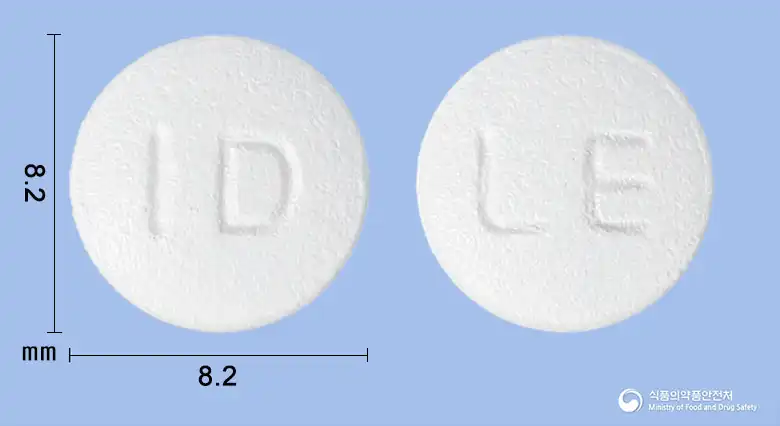
Levofloxacin Hydrate 100mg
Tablet · Prescription medication
Ildong Pharmaceutical Co., Ltd.
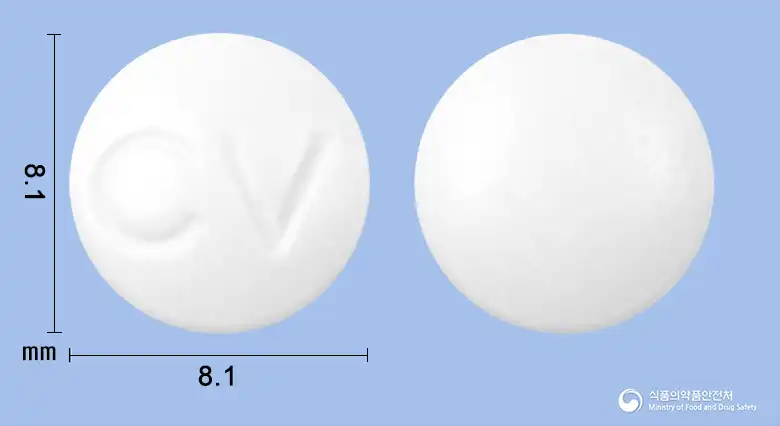
Levofloxacin 100mg
Tablet · Prescription medication
Jeil Pharmaceutical Co., Ltd.
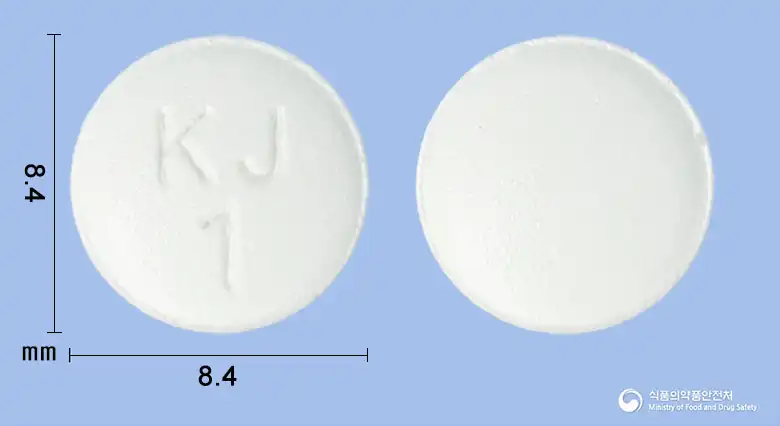
Levofloxacin Hydrate 100mg
Tablet · Prescription medication
International Pharmaceuticals Co., Ltd.
Levofloxacin 5.1246mg
Prescription medication
Jeil Pharmaceutical Co., Ltd.
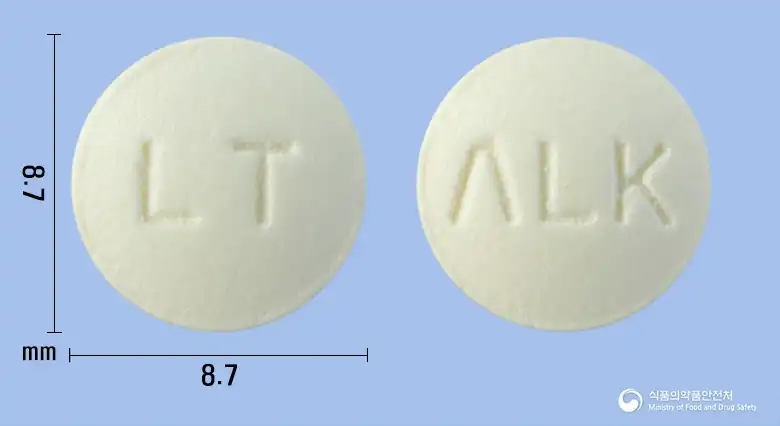
Levofloxacin Hydrate 100mg
Tablet · Prescription medication
SS Pharm Co., Ltd.
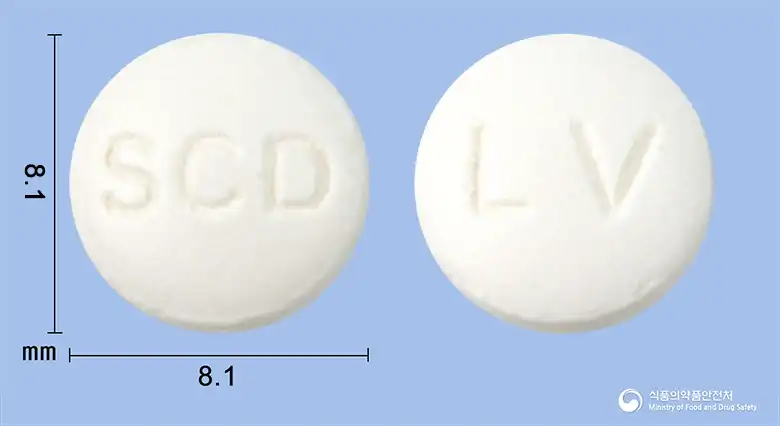
Levofloxacin Hydrate 102.49mg
Tablet · Prescription medication
Samchundang Pharmaceutical Co., Ltd.
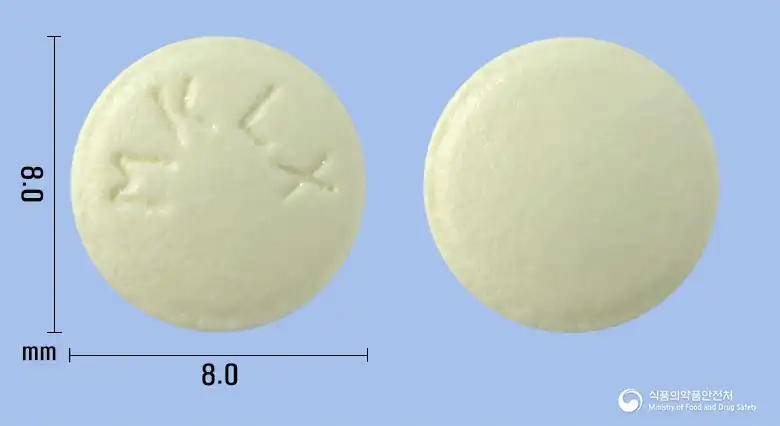
Levofloxacin Hydrate 100mg
Tablet · Prescription medication
Medica Korea Co., Ltd.
Even with the same ingredient, the dose and directions can differ by strength and dosage form. Talk to a doctor or pharmacist before switching from a medication you are already taking.
No questions yet.
For anything that needs medical judgment, consult a doctor or pharmacist.
This drug information is based on data provided by the Korea Ministry of Food and Drug Safety.
Consult a doctor or pharmacist for accurate dosage, administration, and usage instructions.