
 한국어
 English
 日本語
 中文(简体)
Dosage form image
Viewing nowSinil Ambroxol Hydrochloride Injection
Ambroxol Hydrochloride 7.5mg
Injections · Prescription medication
Sinil Pharmaceutical Co., Ltd.
MFDS item code 199602174 · Notified 1996.06.07
This product's status changed to Expired on 2025.01.01. It may no longer be sold, so consult a doctor or pharmacist before taking it.
Treatment of respiratory diseases, enhancement of pulmonary surfactant in newborns, and prevention of perioperative pulmonary complications
This medication is effective for acute or chronic respiratory diseases due to mucous secretion disturbances, such as chronic bronchitis, asthmatic bronchitis, and acute attacks of bronchial asthma. It also helps improve respiratory function by promoting surfactant production in neonatal and preterm infants with respiratory distress syndrome. Furthermore, it is used to prevent pulmonary complications before and after surgery in patients with severe chronic obstructive pulmonary disease. Thus, it contributes to the respiratory health of patients by improving various respiratory-related problems.
7.5 mg/mL, 15 mg/2 mL Administer 15 mg of ambroxol hydrochloride slowly by intravenous injection 2 ~ 3 times daily. In severe cases, the dose may be increased to 30 mg per dose, and it may be administered by intravenous infusion with normal saline or Ringer's solution. Adjust the dose as appropriate according to age and symptoms.
Administer this drug slowly by intravenous injection at 1.2 ~ 1.6 mg/kg per day. 5 years of age and older: 15 mg per dose, 2 ~ 3 times daily 2 ~ 4 years of age: 7.5 mg per dose, 3 times daily Under 2 years of age: 7.5 mg per dose, twice daily To promote pulmonary surfactant production in neonates and premature infants with respiratory distress syndrome, administer 10 ~ 30 mg/kg per day of this drug slowly by intravenous injection in 4 divided doses.
This medication is in a glass ampoule injection form, and care should be taken as glass fragments may mix when opening the container. Extra caution is needed when used in children or the elderly. It should not be used in patients with an allergy to this medication or its components. This medication should be used cautiously in patients with poor kidney function, severely impaired liver function, and children under 2 years of age. Although rare, serious skin diseases may occur while using this medication, so if any abnormalities on the skin or mucous membranes appear, use should be stopped immediately, and consultation with a healthcare professional is necessary. Gastrointestinal side effects like dyspepsia, nausea, vomiting, heartburn, and dry mouth may occur occasionally, and rarely abdominal pain, diarrhea, or constipation may appear. Skin rashes or allergic reactions, and in severe cases, acute reactions like anaphylactic shock may occur; therefore, if any unusual symptoms appear, inform a healthcare professional right away. Inflammatory rhinitis may appear as a respiratory side effect, and neurological symptoms such as altered sensation of the tongue or taste changes, and rarely paralysis sensations in the arms have been reported. Care should be taken when using with antibiotics, as antibiotic concentrations may increase in the bronchial and pulmonary secretions. Its use is not recommended, especially during the first three months of pregnancy, and should be carefully considered during breastfeeding. In the elderly, caution must be exercised such as reducing the dosage due to declining body functions. No specific symptoms have been reported in cases of overdose; however, treatment may be necessary corresponding to the symptoms if adverse reactions occur. The injection speed should be slow, and headaches, leg pain, or severe fatigue may occur. It can only be mixed with normal saline injection or Ringer's solution for infusion and must be used within 24 hours after mixing. Keep this medication out of reach of children.
Not everyone experiences these, and they can vary from person to person.
This medication should be stored in a container that blocks light since it may degrade in light. Additionally, it should be kept in a sealed container to avoid contact with air, and it is important to maintain a storage temperature between 1°C and 30°C.
Brown ampoules containing a colorless solution for injection
2 mL/ampoule X 50
Even with the same ingredient, strength, dosage form and how it is taken can differ.
Ambroxol Hydrochloride 7.5mg
Injections · Prescription medication
Sinil Pharmaceutical Co., Ltd.
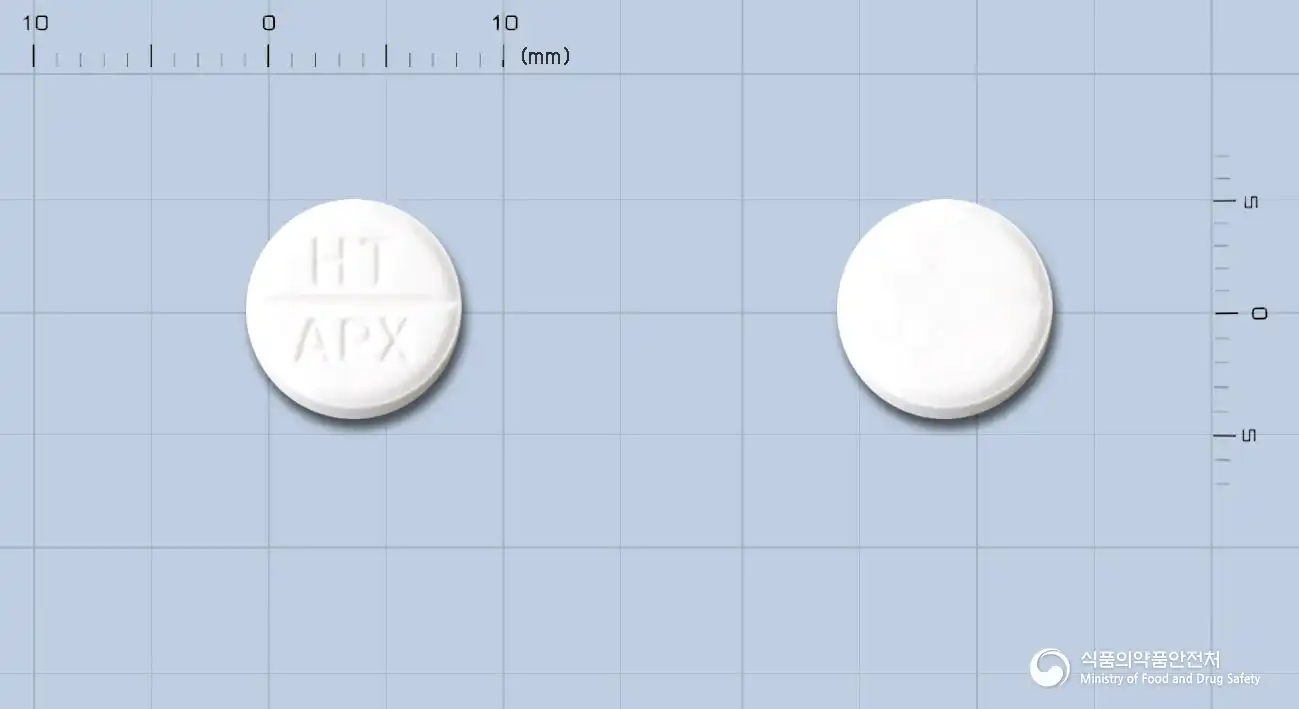
Ambroxol Hydrochloride 30mg
Tablet · OTC medication
Hanmi Pharmaceutical Co., Ltd.
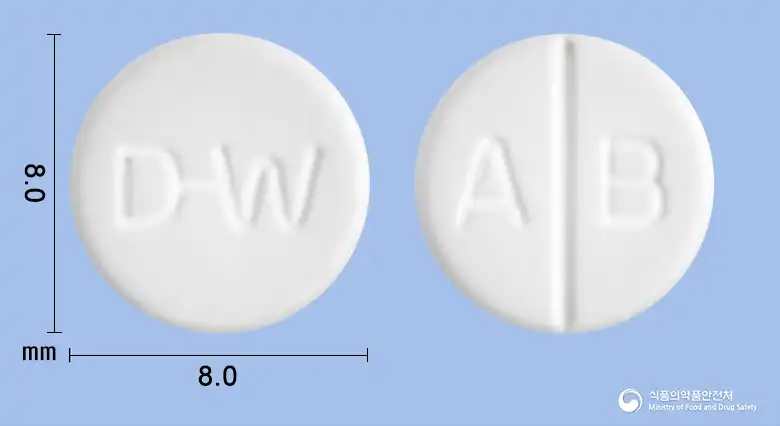
Ambroxol Hydrochloride 30mg
Tablet · OTC medication
Dongwha Pharmaceutical Co., Ltd.
Ambroxol Hydrochloride 15mg
Prescription medication
Aju Pharmaceuticals Co., Ltd.
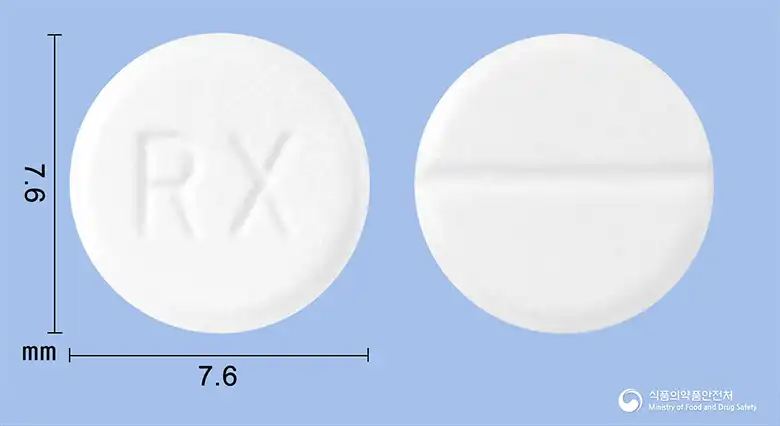
Ambroxol Hydrochloride 30mg
Tablet · OTC medication
Sama Pharmaceutical Co., Ltd.
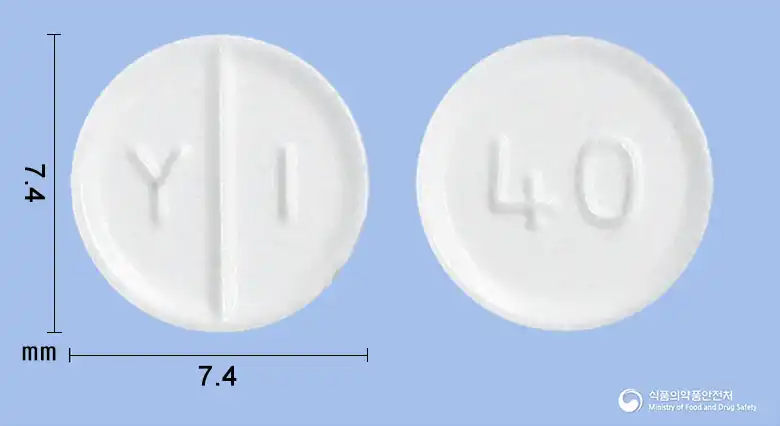
Ambroxol Hydrochloride 30mg
Tablet · OTC medication
Youngil Pharmaceutical Co., Ltd.
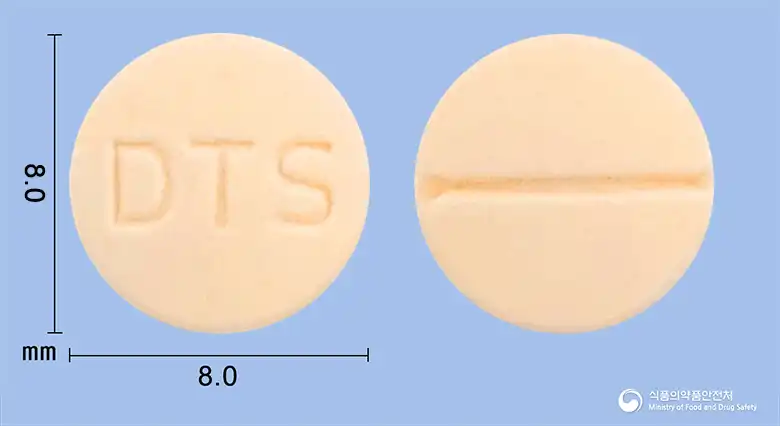
Ambroxol Hydrochloride 30mg
Tablet · OTC medication
Guju Pharmaceutical Co., Ltd.
Ambroxol Hydrochloride 15mg
Prescription medication
Dongkwang Pharmaceutical Co., Ltd.
Even with the same ingredient, the dose and directions can differ by strength and dosage form. Talk to a doctor or pharmacist before switching from a medication you are already taking.
No questions yet.
For anything that needs medical judgment, consult a doctor or pharmacist.
This drug information is based on data provided by the Korea Ministry of Food and Drug Safety.
Consult a doctor or pharmacist for accurate dosage, administration, and usage instructions.