
 한국어
 English
 日本語
 中文(简体)
Dosage form image
Viewing nowEphexis Injection (Ofloxacin)
Ofloxacin 2mg
Injections · Prescription medication
Ildong Pharmaceutical Co., Ltd.
MFDS item code 199500311 · Approved 1995.10.18 · Insurance code 642901341
Treatment of respiratory tract infections, urinary tract infections, and skin and soft tissue infections
This medication is effective against various bacteria, including Staphylococcus, Streptococcus pneumoniae, and Streptococcus pyogenes. It is used to treat acute exacerbations of chronic bronchitis and pneumonia acquired in the community. It is also indicated for complicated skin and soft tissue infections, complicated urinary tract infections, and simple acute cystitis. As a fluoroquinolone antibiotic, it carries a risk of serious adverse effects; therefore, it is used restrictively when other treatment options are unavailable. Patients should strictly adhere to their doctor's instructions and immediately report any adverse reactions. Considering these points, it is used for the acute exacerbation of chronic bronchitis, urinary tract infections, skin infections, and pneumonia.
Ofloxacin should be administered by slow intravenous injection over at least 60 minutes. Do not use by intramuscular, subcutaneous, intrapleural, or intrathecal injection. 1. Usual adults with normal renal function (creatinine clearance of 50 mL per minute or more): Administer 200 mg of this medicine per dose twice daily; the dose may be increased to 600mg daily depending on the degree of response. 2. Adjust the dose in patients with renal impairment as follows. 1) Creatinine clearance of 20~50 mL per minute: Administer the usual dose once daily, every 24 hours. 2) Less than 20 mL: Administer 1/2 of the usual dose once daily, every 24 hours.
This medication is used to treat bacterial infections as a fluoroquinolone antibiotic. Caution is advised when using this medication as serious side effects such as tendon issues like tendonitis or tendon rupture, peripheral neuropathy, central nervous system abnormalities, and exacerbation of myasthenia gravis may occur. Particularly in patients with myasthenia gravis, this drug may worsen symptoms and should not be used. This medication is to be used only when other treatment methods are unavailable for specific bacterial infections such as acute bacterial rhinosinusitis, acute exacerbations of chronic bronchitis and chronic obstructive pulmonary disease, simple urinary tract infections, and acute otitis media. Also, in elderly patients, those with impaired kidney function, organ transplant recipients, and when used with corticosteroids, the risk of tendon rupture increases, so it should be avoided. If symptoms of pain, inflammation, or tendon rupture occur in the shoulder, hand, or Achilles tendon, the use of this medication should be immediately stopped and a consultation with a physician is necessary. This medication can induce seizures, so it should be used with extreme caution in patients with epilepsy or central nervous system disorders, and use should be immediately discontinued if seizures occur. Hypersensitivity reactions such as skin rash, itching, and fever may occur; if these symptoms arise, administration should be stopped and appropriate treatment should be sought. It can affect kidney and liver function; therefore, regular examinations are necessary, and if abdominal pain or diarrhea symptoms indicating colitis appear, treatment should be stopped immediately. This medication may cause neurological side effects such as dizziness or drowsiness and caution is needed when driving or operating machinery. Patients with diabetes who require blood sugar monitoring should closely observe blood sugar changes during the use of this medication, and if hypoglycemic symptoms occur, they should seek immediate treatment. Pregnant women, women who may become pregnant, nursing mothers, and children and adolescents in the growth stage should not use this medication. This medication has many drug interactions, especially with anticoagulants, antihypertensives, and non-steroidal anti-inflammatory drugs, so it should be taken under a physician's guidance. Adequate hydration during administration is necessary, and exposure to sunlight or artificial UV light should be avoided. In cases of overdose, immediate hospital visit and appropriate treatment is required, as this medication is not removed by dialysis. When storing, keep it out of reach of children and do not transfer it to another container.
Not everyone experiences these, and they can vary from person to person.
Medicines should be stored in a sealed container to prevent air or moisture from entering. This will help maintain the efficacy of the medication and prevent degradation.
A colorless vial injection containing a pale yellow liquid.
100 milliliters/vial
Even with the same ingredient, strength, dosage form and how it is taken can differ.
Ofloxacin 2mg
Injections · Prescription medication
Ildong Pharmaceutical Co., Ltd.
Ofloxacin 100mg
Tablet · Prescription medication
Cejal Pharmaceutical Co., Ltd.
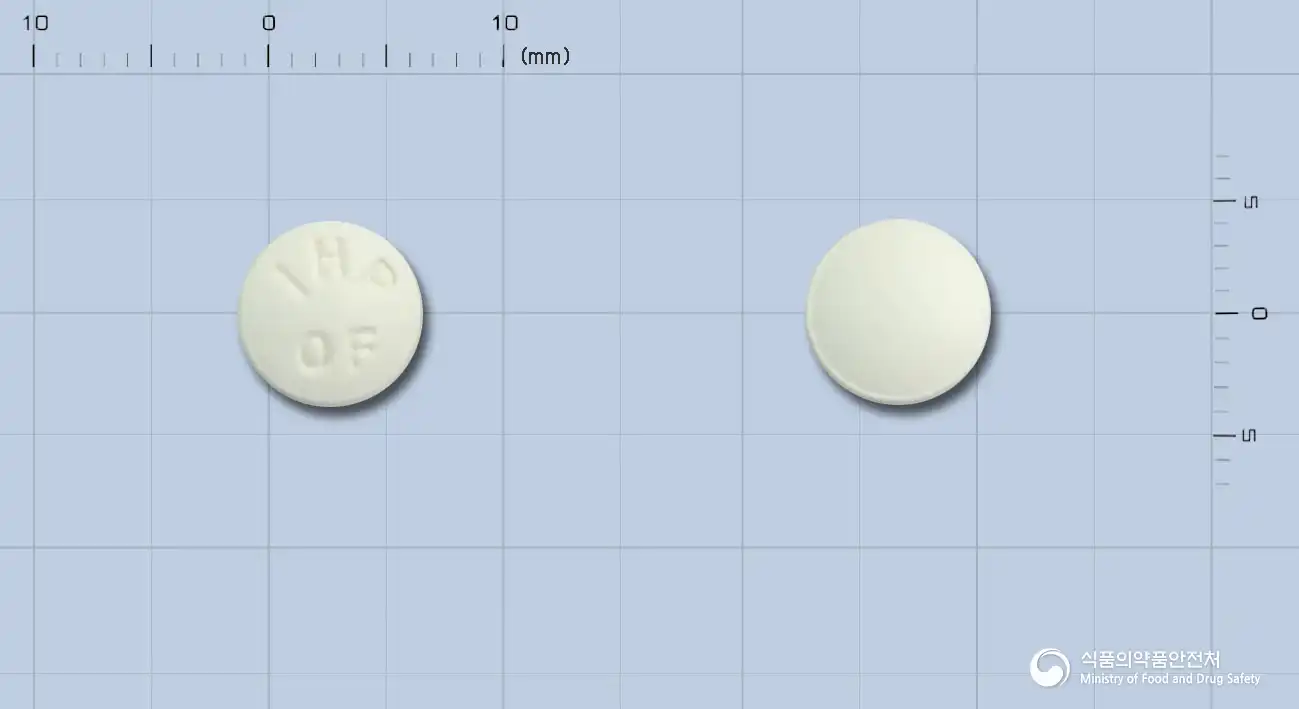
Ofloxacin 100mg
Tablet · Prescription medication
Ilhwa
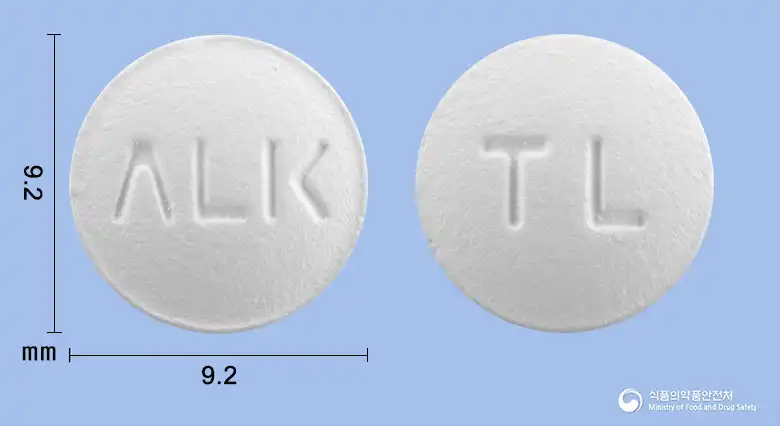
Ofloxacin 100mg
Tablet · Prescription medication
Alvogen Korea Co., Ltd.
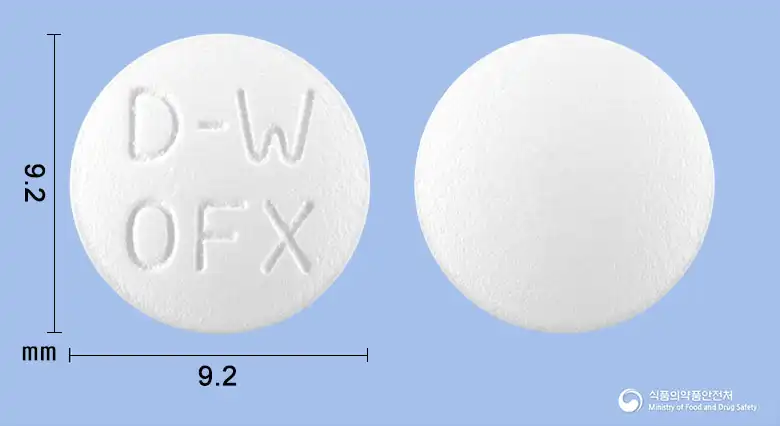
Ofloxacin 100mg
Tablet · Prescription medication
Donghwa Pharmaceutical Co., Ltd.
Ofloxacin
Prescription medication
Gujoo Pharmaceutical Co., Ltd.
Ofloxacin 200mg
Tablet · Prescription medication
Jeil Pharmaceutical Co., Ltd.
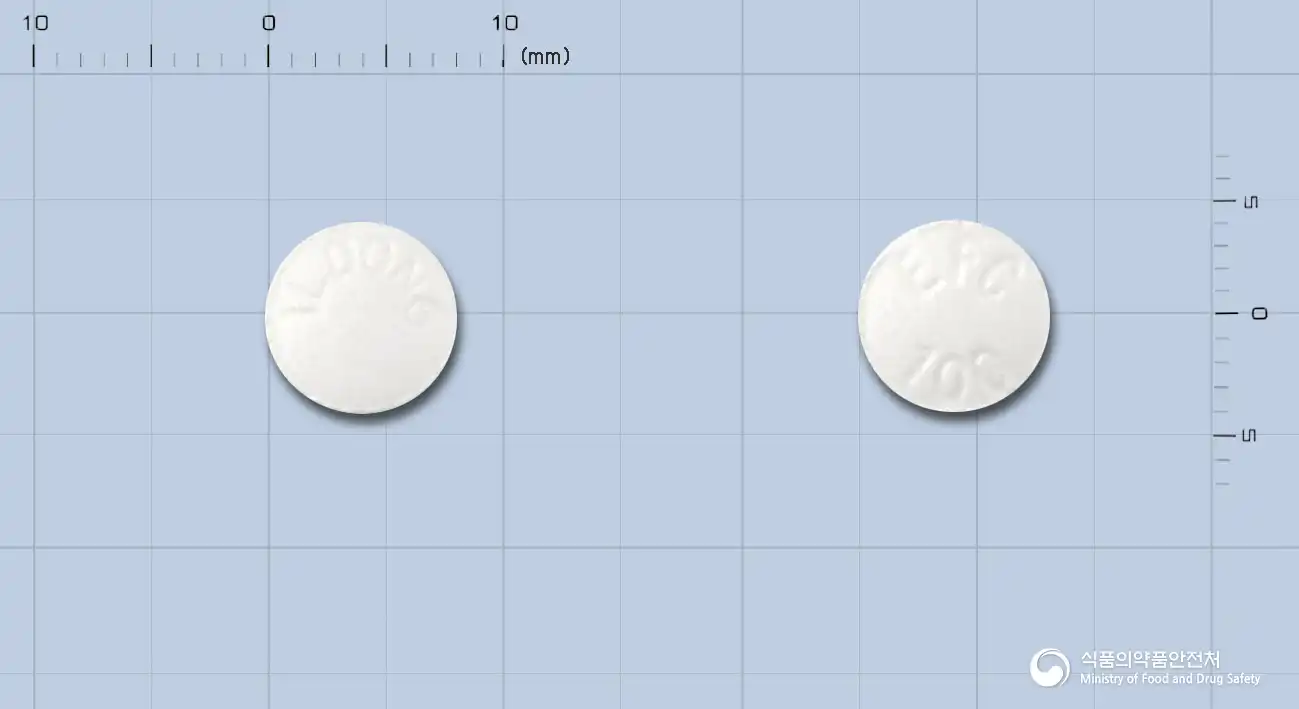
Ofloxacin 100mg
Tablet · Prescription medication
Il Dong Pharmaceutical Co., Ltd.
Even with the same ingredient, the dose and directions can differ by strength and dosage form. Talk to a doctor or pharmacist before switching from a medication you are already taking.
No questions yet.
For anything that needs medical judgment, consult a doctor or pharmacist.
This drug information is based on data provided by the Korea Ministry of Food and Drug Safety.
Consult a doctor or pharmacist for accurate dosage, administration, and usage instructions.