
 한국어
 English
 日本語
 中文(简体)
 Viewing now
Hawon Cefadroxil Hydrate Capsule 500mg
Cefadroxil Hydrate 500mg
Hard capsule · Prescription medication
Hawon Pharmaceutical Co., Ltd.
MFDS item code 199401768 · Notified 1994.10.05 · Insurance code 651501960
Treatment of urinary tract infections, skin and skin structure infections, and pharyngitis and tonsillitis
This medication is effective against various bacteria such as beta-hemolytic streptococci, penicillinase-producing staphylococci, pneumococci, Escherichia coli, Proteus mirabilis, and Klebsiella. It is primarily used to treat urinary tract infections such as pyelonephritis, cystitis, and urethritis as well as skin and soft tissue infections. Additionally, it is effective for upper respiratory tract infections such as pharyngitis and tonsillitis, thereby helping to alleviate symptoms of various infectious diseases.
○ Adults 1) Urinary tract infections: For uncomplicated lower urinary tract infections (e.g., cystitis), administer 1~2g (potency) of cefadroxil orally in 1~2 divided doses daily. For other urinary tract infections, administer 2g (potency) daily in 2 divided doses. 2) Skin and skin structure infections: Administer 1g (potency) daily orally in 1~2 divided doses. 3) Pharyngitis, tonsillitis: For pharyngitis and tonsillitis caused by beta-hemolytic streptococcal infection, administer 1g (potency) daily orally in 1~2 divided doses for 10 days. ○ Patients with renal impairment In patients with renal impairment, the cefadroxil dose should be adjusted according to creatinine clearance to prevent drug accumulation. The following dosing schedule is recommended. The initial dose for adults is 1000mg (potency), and the maintenance dose is 500mg (potency) at the intervals below, based on creatinine clearance (mL/min/1.73m2). Patients with creatinine clearance of 50mL/min or more may be treated as patients with normal renal function. Creatinine clearance 0~10mL/min: 36 hours Creatinine clearance 10~25mL/min: 24 hours Creatinine clearance 25~50mL/min: 12 hours Adjust the dose as needed according to age and symptoms.
○ Children 1) Urinary tract infections, skin and skin structure infections: Administer 30mg (potency) per kg of body weight daily orally in 2 divided doses. 2) Pharyngitis, tonsillitis: Administer 30mg (potency) per kg of body weight daily orally in 1~2 divided doses. For beta-hemolytic streptococcal infections, administer for at least 10 days. Body weight (Kg) 4.5: 125mg/5mL 1 teaspoon, 250mg/5mL - Body weight (Kg) 9.1: 125mg/5mL 2 teaspoons, 250mg/5mL 1 teaspoon Body weight (Kg) 13.6: 125mg/5mL 3 teaspoons, 250mg/5mL 1½ teaspoons Body weight (Kg) 18.2: 125mg/5mL 4 teaspoons, 250mg/5mL 2 teaspoons, 500mg/5mL 1 teaspoon Body weight (Kg) 22.7: 125mg/5mL 5 teaspoons, 250mg/5mL 2½ teaspoons, 500mg/5mL 1¼ teaspoons Body weight (Kg) 27.3: 125mg/5mL 6 teaspoons, 250mg/5mL 3 teaspoons, 500mg/5mL 1½ teaspoons Body weight (Kg) 31.8 or more: 125mg/5mL -, 250mg/5mL -, 500mg/5mL 2 teaspoons
This medication should not be administered to certain patients. For example, patients who have previously experienced a severe allergic reaction or shock due to this drug, patients who are allergic to cephalosporin antibiotics, patients with infectious mononucleosis, and patients with lactose intolerance or certain genetic metabolic disorders should not take this medication. Moreover, caution is required during administration. Patients with a history of hypersensitivity, those allergic to penicillin antibiotics, patients with a family history of allergic conditions, patients with significantly impaired kidney function, patients who have difficulty swallowing, patients with a history of gastrointestinal disease, and patients allergic to certain coloring agents contained in this medication should be carefully treated. This medication can rarely cause severe side effects. Symptoms such as shock or severe allergic reactions, decreased blood cell counts, liver dysfunction, renal impairment, gastrointestinal inflammation, respiratory issues, stomatitis, neurological symptoms, skin disorders, and symptoms of vitamin deficiency may occur. If such symptoms arise, it is crucial to stop taking the medication immediately and seek appropriate care. In general, while using this medication, it is important to check the sensitivity of the infecting bacteria to prevent resistant strains and to administer only for the necessary minimum duration. Additionally, to prevent hypersensitivity, patients' medical history and symptoms should be thoroughly confirmed, and periodic tests of blood, kidney, and liver function should be conducted during prolonged use. This drug may trigger seizures in patients with impaired kidney function, thus requiring dose adjustment, and treatment should be discontinued if seizures occur. Caution is also required when used in conjunction with other medications. The risk of renal impairment may increase if combined with drugs that affect the kidneys or diuretics, so careful administration is necessary. Additionally, concomitant use with probenecid may increase serum levels of this drug. Pregnant women or those who may become pregnant should use this medication only when the benefits of treatment outweigh the risks, as its safety has not been established. Nursing mothers should also exercise caution during administration. Elderly patients may present more easily with side effects due to decreased physiological functions, thus requiring adjustment of dosage and administration intervals, and close monitoring of their condition. This drug can affect the results of certain clinical tests, so care should be taken during examinations. Finally, this medication can rarely cause photosensitivity, so it is advisable to avoid exposure to sunlight while undergoing treatment.
Not everyone experiences these, and they can vary from person to person.
This medication should be stored in a tightly sealed container to protect it from air and moisture, and it is recommended to keep it at room temperature between 1 and 30 degrees Celsius.
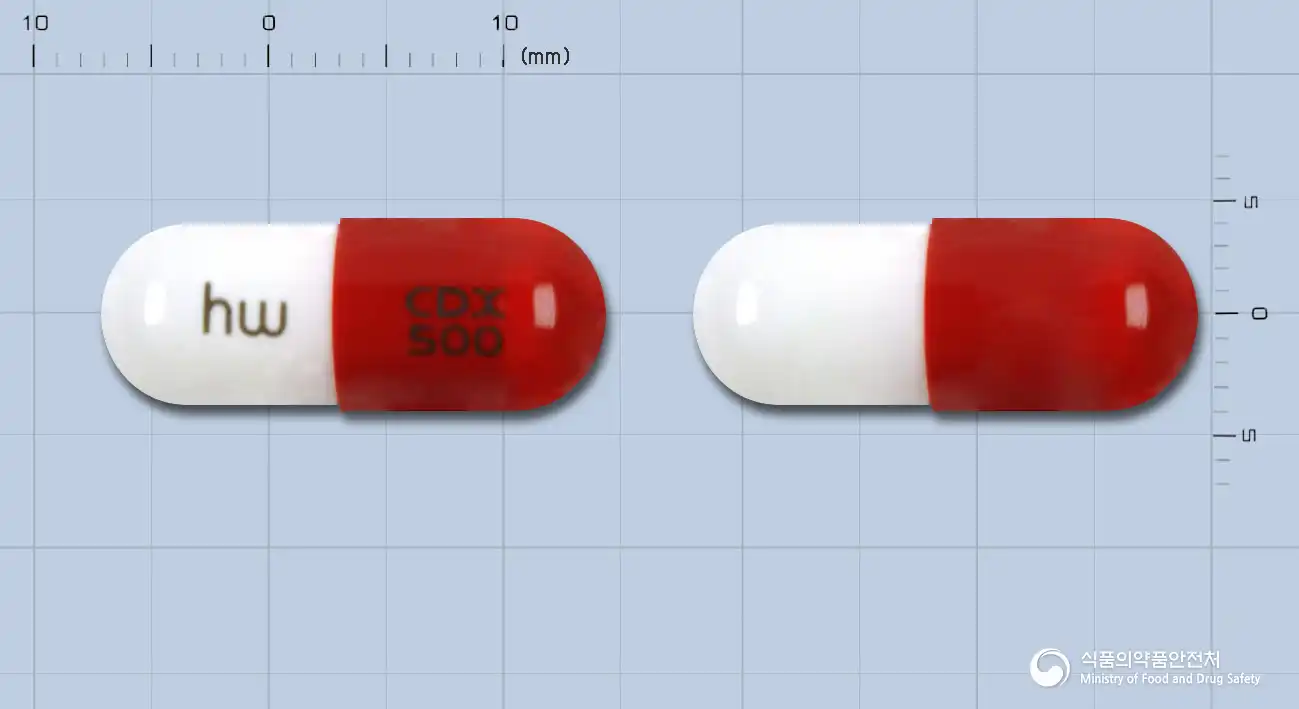
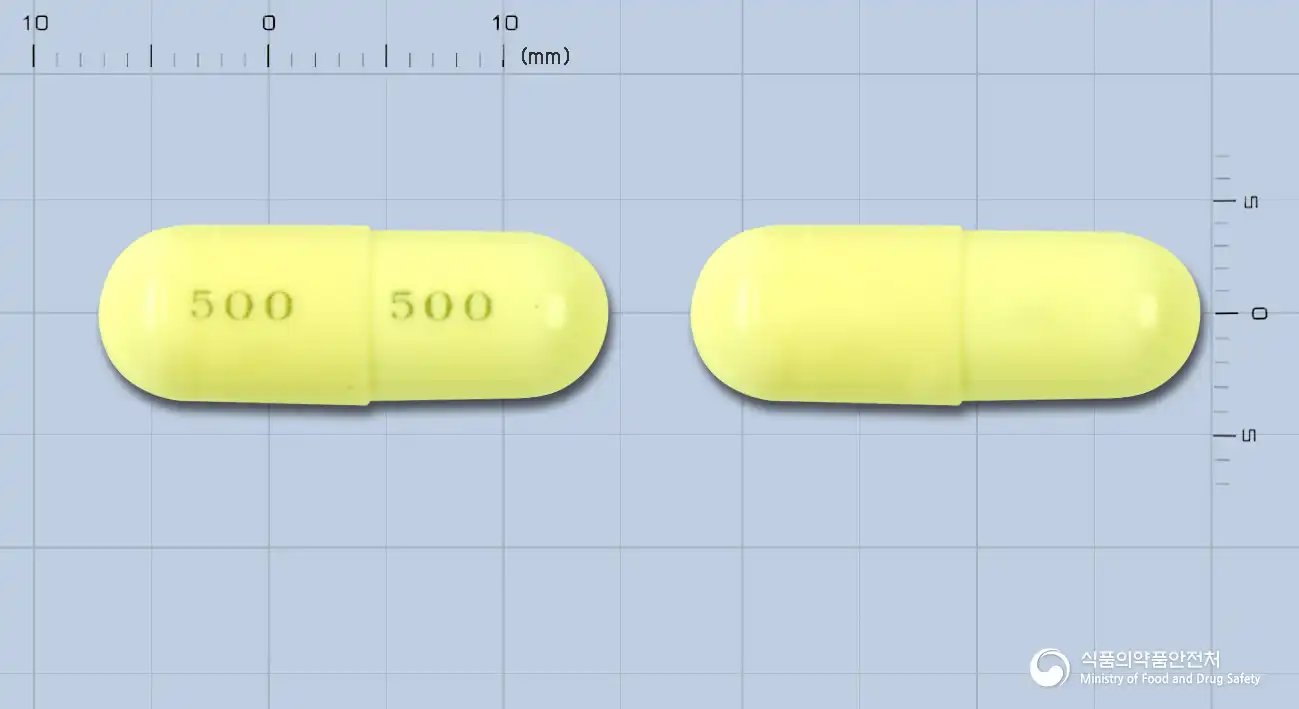
A hard capsule with a dark red upper half and a white lower half, containing a white to pale yellow powder.
30 capsules/bottle, 300 capsules/bottle
Even with the same ingredient, strength, dosage form and how it is taken can differ.
Viewing nowCefadroxil Hydrate 500mg
Hard capsule · Prescription medication
Hawon Pharmaceutical Co., Ltd.
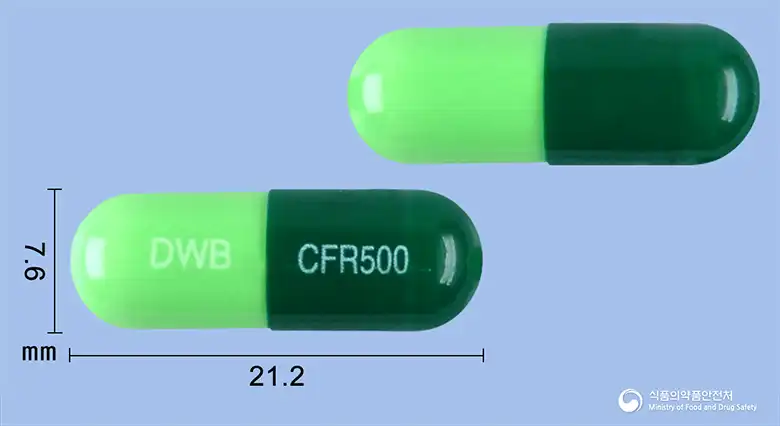
Cefadroxil Hydrate 500mg
Hard capsule · Prescription medication
Daewoong Bio Co., Ltd.
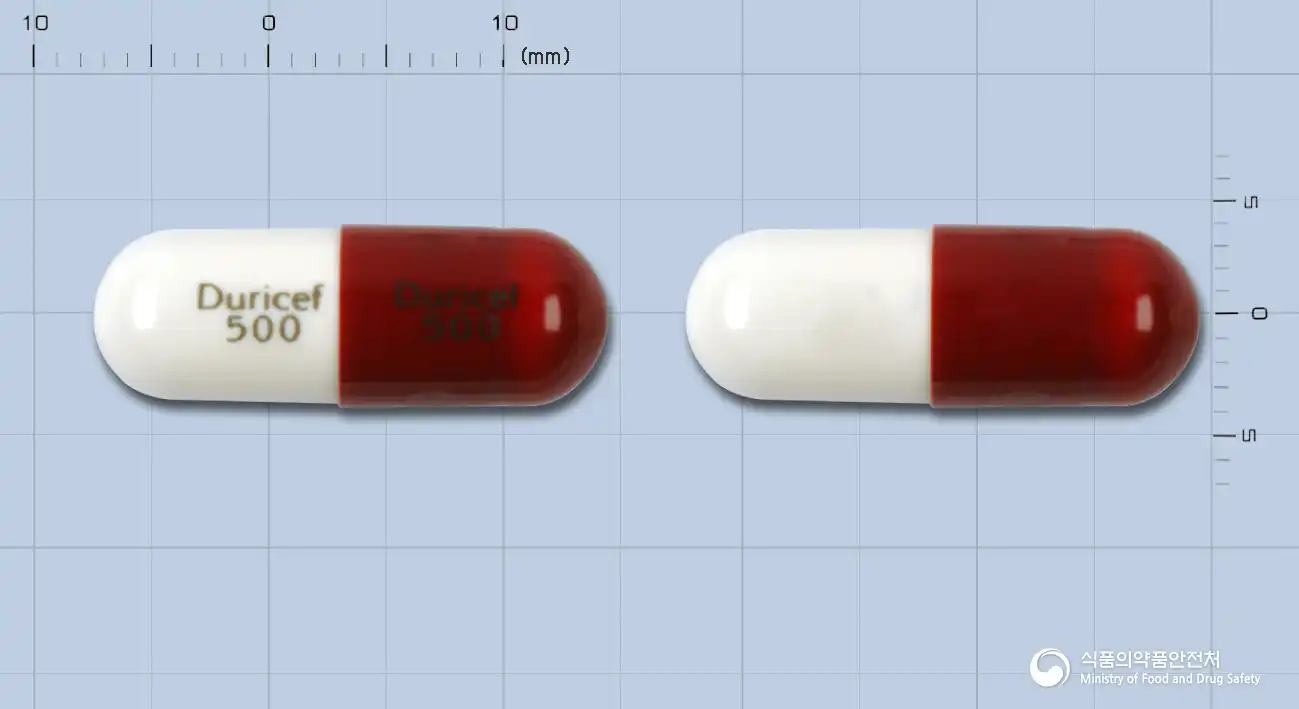
Cefadroxil Hydrate 500mg
Hard capsule · Prescription medication
Boryung Inc.
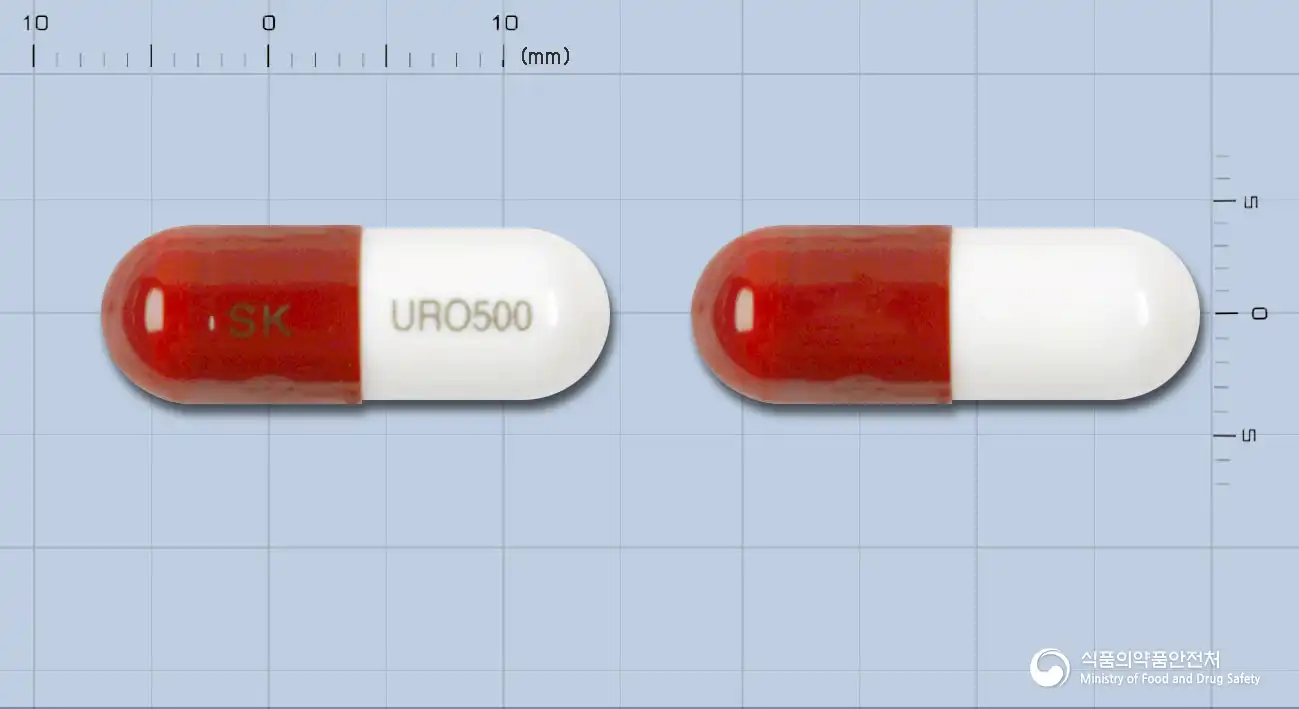
Cefadroxil Hydrate 500mg
Hard capsule · Prescription medication
SK Chemical Co., Ltd.
Cefadroxil Hydrate 9g
Prescription medication
Boryeong Co., Ltd.
Cefadroxil Hydrate 4.5g
Prescription medication
Boryeong Co., Ltd.
Cefadroxil Hydrate 500mg
Hard capsule · Prescription medication
Korea Pharmaceutical Co., Ltd.
Cefadroxil Hydrate 500mg
Hard capsule · Prescription medication
Jongkundang Co., Ltd.
Even with the same ingredient, the dose and directions can differ by strength and dosage form. Talk to a doctor or pharmacist before switching from a medication you are already taking.
No questions yet.
For anything that needs medical judgment, consult a doctor or pharmacist.
This drug information is based on data provided by the Korea Ministry of Food and Drug Safety.
Consult a doctor or pharmacist for accurate dosage, administration, and usage instructions.