
 한국어
 English
 日本語
 中文(简体)
 Viewing now
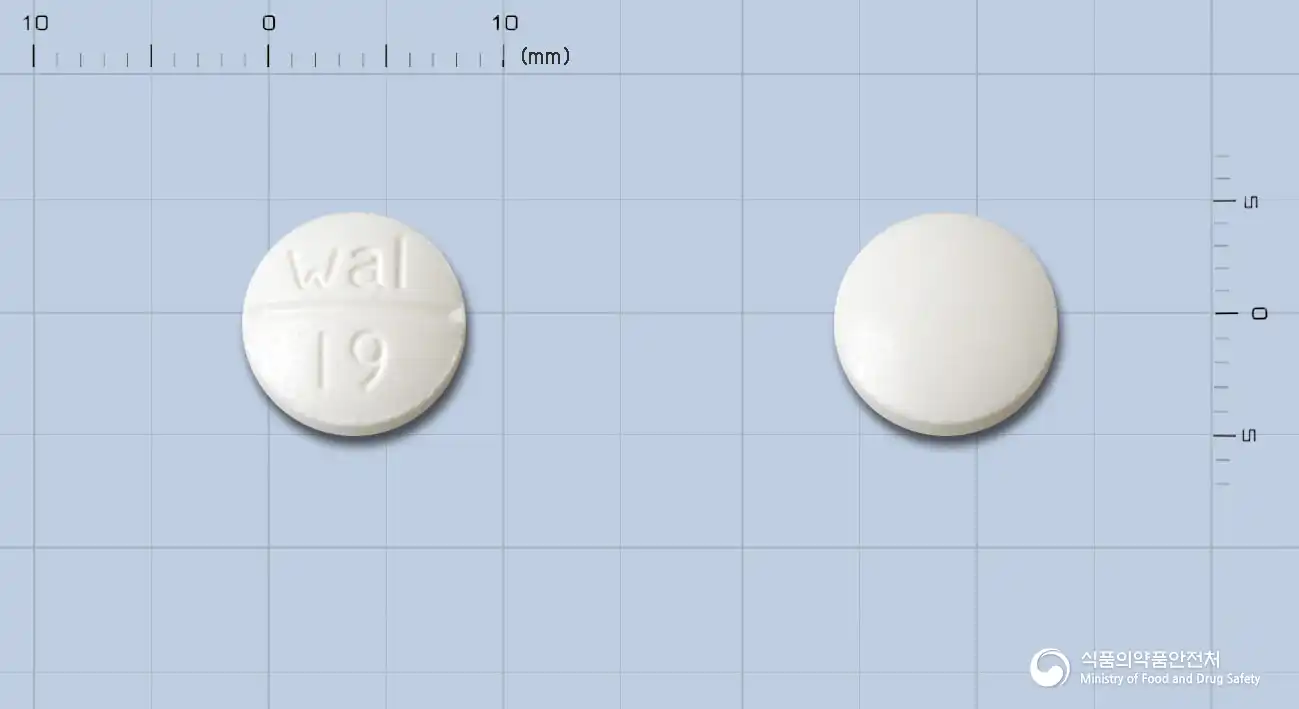
Austin Ambroxol Hydrochloride Tablet
Ambroxol Hydrochloride 30mg
Tablet · OTC medication
Austin Pharmaceuticals Co., Ltd.
MFDS item code 199401315 · Notified 1994.06.30 · Insurance code 654302270
Treatment of respiratory diseases caused by impaired mucus secretion (e.g., bronchitis)
This medication is used for respiratory diseases caused by mucus secretion disorders, particularly acute bronchitis, chronic bronchitis, and asthmatic bronchitis.
Adults: Take 30 mg of ambroxol hydrochloride 3 times daily. For continued treatment, take 30 mg twice daily. This medicine may be taken with or without food.
This medication should not be used by anyone with an allergic reaction to this medication or its components. Individuals with severe renal impairment should also not take this medication. Patients with significantly reduced liver function should refrain from using this medication. If there is a hereditary condition that affects the digestion of fructose, especially if it is a preparation containing sorbitol, it should be avoided. This medication contains lactose, so individuals with genetic issues such as galactose intolerance, lactase deficiency, or glucose-galactose malabsorption should refrain from taking it. Individuals with kidney issues should consult a doctor, dentist, or pharmacist before taking this medication. It is also essential for patients with peptic ulcers to consult with a specialist before use. Pregnant women are especially advised against taking this medication during the first three months of pregnancy, as it can cross the placenta and requires caution. Breastfeeding women should avoid using this medication since it may be transmitted through breast milk. Elderly patients may need to be cautious regarding dosage adjustments due to declining body functions. If symptoms such as severe rashes or blisters, inflammation around the lips or eyes occur while taking this medication, discontinue use immediately and consult with a specialist. These symptoms can be early signs of serious skin conditions such as Stevens-Johnson syndrome or Toxic Epidermal Necrolysis. Gastrointestinal symptoms such as nausea, vomiting, diarrhea, dyspepsia, abdominal pain, chest discomfort, and dry mouth may occur during use. Allergic reactions such as urticaria, skin rash, breathing difficulties, and facial swelling can also occur, although rarely. Neurological symptoms like respiratory problems, changes in the sensation of the tongue, altered taste, and arm numbness have been reported. This medication may increase the concentration of antibiotics in the bronchial secretions when taken with specific antibiotics, so consultation with a specialist is advised. No specific symptoms have been reported in cases of overdose, but if unusual symptoms occur, it is recommended to inform medical personnel immediately and receive symptomatic treatment. The effects of this medication on driving or machinery operation abilities are not known, so caution is advised. This medication should be stored safely out of the reach of children, avoiding direct sunlight, and kept in a cool, dry place. Storing it in its original container is important to maintain the quality of the medication and prevent misuse.
Not everyone experiences these, and they can vary from person to person.
This medication should be discussed with a doctor or pharmacist when taken alongside antibiotics such as erythromycin, cephalexin, oxytetracycline, amoxicillin, cefuroxime, and doxycycline.
This medication should be kept in a sealed container to prevent air or moisture from entering. This storage method can help maintain the medication's effectiveness for a long time.
White round tablets
10 tablets/box [(10 tablets/PTP)], 1000 tablets/bottle
Even with the same ingredient, strength, dosage form and how it is taken can differ.
Viewing nowAmbroxol Hydrochloride 30mg
Tablet · OTC medication
Austin Pharmaceuticals Co., Ltd.
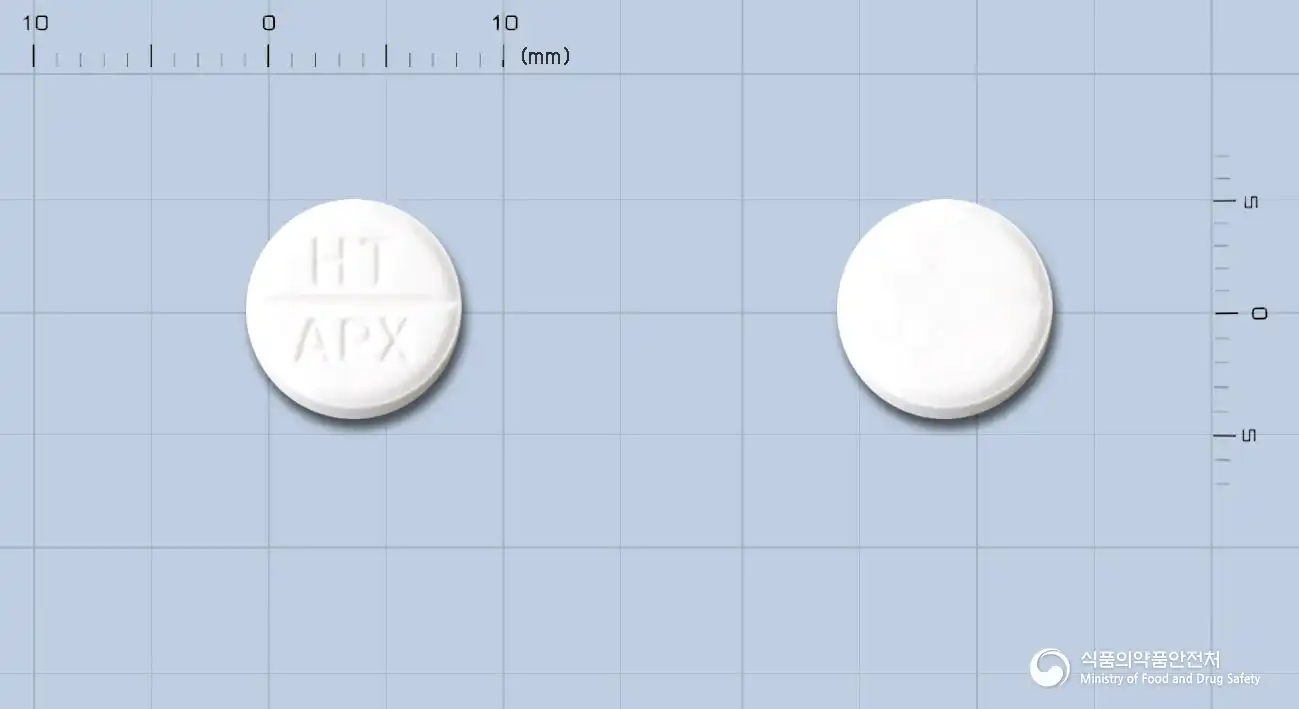
Ambroxol Hydrochloride 30mg
Tablet · OTC medication
Hanmi Pharmaceutical Co., Ltd.
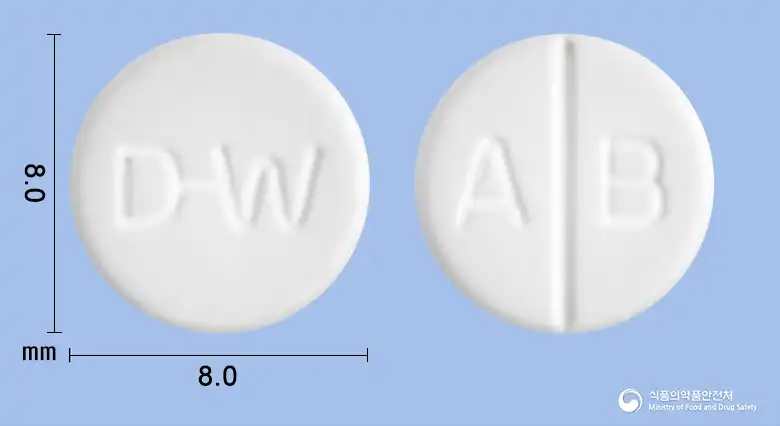
Ambroxol Hydrochloride 30mg
Tablet · OTC medication
Dongwha Pharmaceutical Co., Ltd.
Ambroxol Hydrochloride 15mg
Prescription medication
Aju Pharmaceuticals Co., Ltd.
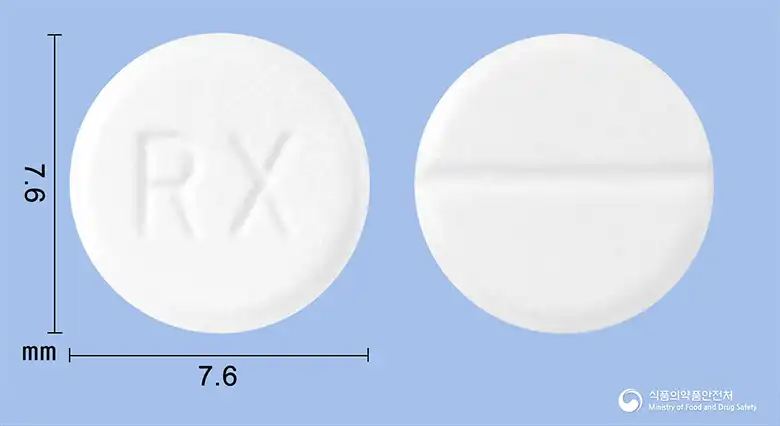
Ambroxol Hydrochloride 30mg
Tablet · OTC medication
Sama Pharmaceutical Co., Ltd.
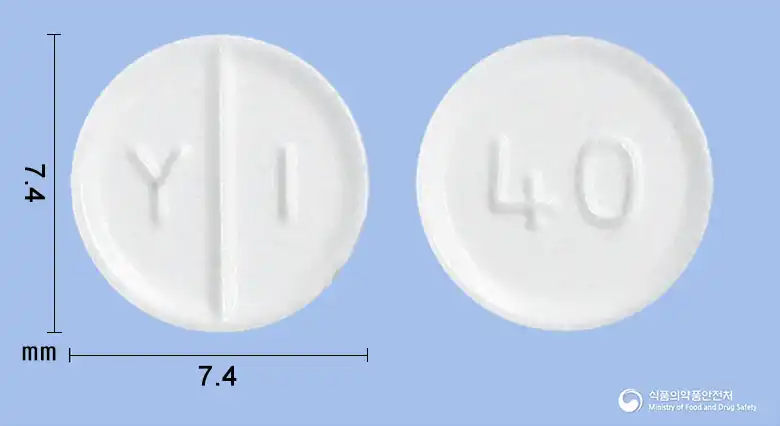
Ambroxol Hydrochloride 30mg
Tablet · OTC medication
Youngil Pharmaceutical Co., Ltd.
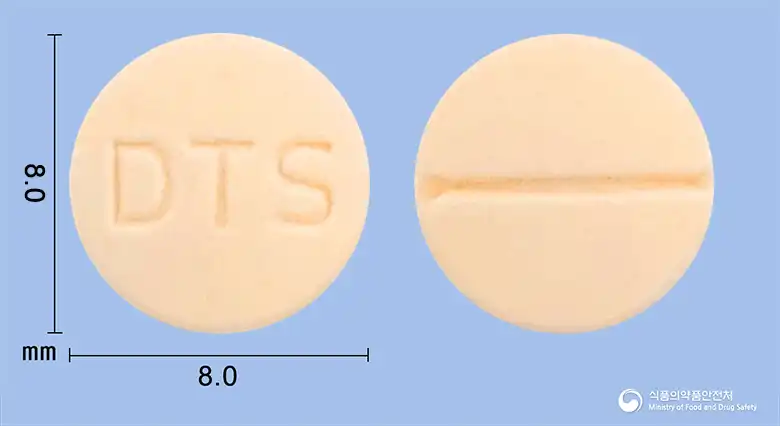
Ambroxol Hydrochloride 30mg
Tablet · OTC medication
Guju Pharmaceutical Co., Ltd.
Ambroxol Hydrochloride 15mg
Prescription medication
Dongkwang Pharmaceutical Co., Ltd.
Even with the same ingredient, the dose and directions can differ by strength and dosage form. Talk to a doctor or pharmacist before switching from a medication you are already taking.
No questions yet.
For anything that needs medical judgment, consult a doctor or pharmacist.
This drug information is based on data provided by the Korea Ministry of Food and Drug Safety.
Consult a doctor or pharmacist for accurate dosage, administration, and usage instructions.