
 한국어
 English
 日本語
 中文(简体)
Dosage form image
Viewing nowIldong Cefaclor Hydrate Dry Syrup
Cefaclor Hydrate 3.75g
Syrup · Prescription medication
Ildong Pharmaceutical Co., Ltd.
MFDS item code 199200446 · Notified 1992.04.04
This product's status changed to Approval withdrawn on 2025.04.02. It may no longer be sold, so consult a doctor or pharmacist before taking it.
Treatment of ear and respiratory infections, urinary tract infections, and skin and soft tissue infections
This medication is effective in treating infections caused by various bacteria, including Streptococcus pneumoniae, Influenza bacillus, and Staphylococcus. It is mainly used for respiratory infections such as otitis media, pneumonia, pharyngitis, tonsillitis, and bronchitis. It is also effective for urinary infections such as pyelonephritis, cystitis, and gonococcal urethritis. For skin infections, it is used for boils, abscesses, folliculitis, soft tissue infections, infectious myositis, subcutaneous abscesses, infected wounds, and similar conditions. The extended-release form is suitable for the treatment of acute and chronic bronchitis, pharyngitis, tonsillitis, lower urinary tract infections, and skin and soft tissue infections. This medication shows therapeutic effectiveness against various bacteria, contributing to health recovery.
(Capsules)(Syrup)(Granules) Adults: Administer cefaclor 250mg (potency) orally every 8 hours. The dose may be doubled for severe infections (e.g., pneumonia) and infections caused by less susceptible organisms. For acute gonococcal urethritis, administer this medication 3g with probenecid 1g as a single dose. Patients with renal impairment: May be administered without dose adjustment. Treatment of beta-hemolytic streptococcal infections must be continued for at least 10 days. (Extended-release tablets) Administer cefaclor 375mg (potency) per dose orally twice daily. For the treatment of infections caused by Streptococcus pyogenes (Group A beta-hemolytic), this medication must be continued for at least 10 days. Swallow the tablets whole; do not break, crush, or chew them. Adjust the dose as appropriate according to age and symptoms. This medication may be taken orally with or without food. However, absorption increases when taken with food.
Administer 20mg (potency) per Kg of body weight per day in divided doses every 8 hours. For severe infections, otitis media, and infections caused by less susceptible organisms, 40mg (potency) per Kg of body weight per day may be administered; the maximum dose is 1g (potency) per day. For 20mg (potency) per Kg of body weight per day Weight 9Kg: 125mg/5mL, 2.5mL per dose (1/2 teaspoonful) 3 times daily; 250mg/5mL, 5mL per dose (1 teaspoonful) 3 times daily Weight 18Kg: 125mg/5mL -; 250mg/5mL, 2.5mL per dose (1/2 teaspoonful) 3 times daily For 40mg (potency) per Kg of body weight per day Weight 9Kg: 125mg/5mL, 5mL per dose (1 teaspoonful) 3 times daily; 250mg/5mL - Weight 18Kg: 125mg/5mL, 2.5mL per dose (1/2 teaspoonful) 3 times daily; 250mg/5mL, 5mL per dose (1 teaspoonful) 3 times daily Twice-daily regimen: For otitis media and pharyngitis, the daily dose may be divided and administered every 12 hours. For 20mg (potency) per Kg of body weight per day (pharyngitis) Weight 9Kg: 187mg/5mL, 2.5mL per dose (1/2 teaspoonful) 2 times daily; 375mg/5mL, 5mL per dose (1 teaspoonful) 2 times daily Weight 18Kg: 187mg/5mL -; 375mg/5mL, 2.5mL per dose (1/2 teaspoonful) 2 times daily For 40mg (potency) per Kg of body weight per day (otitis media) Weight 9Kg: 187mg/5mL, 5mL per dose (1 teaspoonful) 2 times daily; 375mg/5mL - Weight 18Kg: 187mg/5mL, 2.5mL per dose (1/2 teaspoonful) 2 times daily; 375mg/5mL, 5mL per dose (1 teaspoonful) 2 times daily Adjust the dose as appropriate according to age and symptoms.
This medication is an antibiotic that kills bacteria by binding to specific proteins and inhibiting the synthesis of the bacterial cell wall. Before using this medication, anyone who has experienced severe allergic reactions or shock from this medication or antibiotics of similar class in the past must not use it. Additionally, individuals allergic to penicillin antibiotics, or those with a constitution prone to allergies such as asthma, rash, or hives must use it with caution. Patients with severely impaired kidney function, those who have difficulty taking orally, elderly patients, and those in poor overall condition must also use it carefully, and should be closely monitored for signs of vitamin K deficiency. Patients with a history of gastrointestinal disorders, particularly colitis, also require caution when using this medication. This medication can rarely cause severe allergic reactions, skin conditions, blood abnormalities, and liver or kidney function anomalies, so any symptoms should be reported to medical personnel immediately. In particular, if shock, severe skin rashes, blood in stool, or sudden difficulty breathing occur, use should be stopped immediately, and proper treatment should be obtained. When using this medication, it is advisable to conduct sensitivity tests to prevent the development of resistant bacteria, and to use it only for the minimum necessary duration. There are also other drugs that may interact with this medication, so it is essential to inform healthcare providers about any medications being taken, especially when using anticoagulants, antacids, diuretics, or oral contraceptives. Women who are pregnant or may become pregnant and nursing mothers should carefully consider the benefits and risks before using this medication, and nursing mothers should pay attention to its effects on the infant. The safety in newborns or children under one month of age has not been fully established, so particular caution is necessary when using it in this age group. In elderly patients, the risk of side effects can be greater due to decreased bodily functions, so careful monitoring of dosage and administration intervals is required. This medication may affect results of urine tests or blood tests, so caution is needed during interpretation of test results. In case of overdose, symptoms such as nausea, vomiting, abdominal discomfort, and diarrhea may occur, and medical personnel should be informed immediately for appropriate treatment. By adhering well to these precautions, this medication can be used safely and effectively.
Not everyone experiences these, and they can vary from person to person.
This medication should be stored in a tightly sealed container that blocks light and kept at room temperature (between 1 to 30 degrees Celsius). This storage method helps maintain the medication's effectiveness and prevents degradation.
This medication is a pink to red dry syrup that is dissolved when used.
150mL/bottle
Even with the same ingredient, strength, dosage form and how it is taken can differ.
Cefaclor Hydrate 3.75g
Syrup · Prescription medication
Ildong Pharmaceutical Co., Ltd.
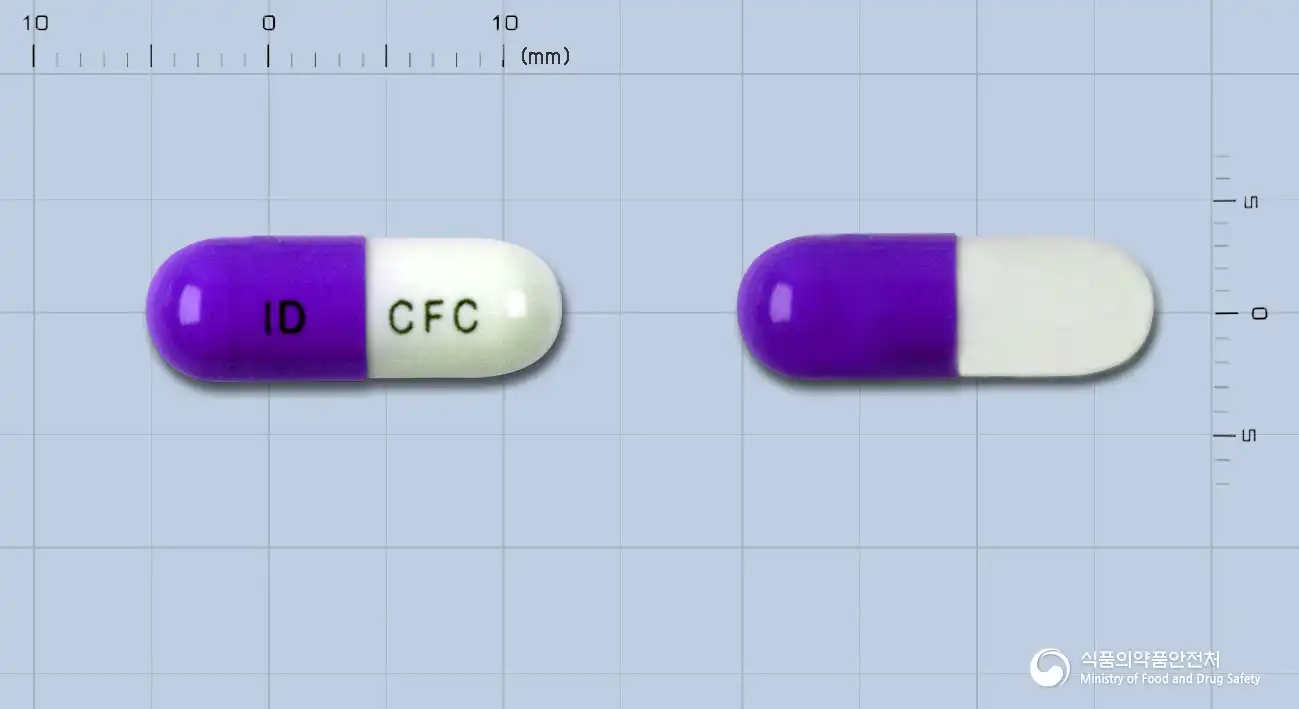
Cefaclor Hydrate 250mg
Hard capsule · Prescription medication
Ildong Pharmaceutical Co., Ltd.
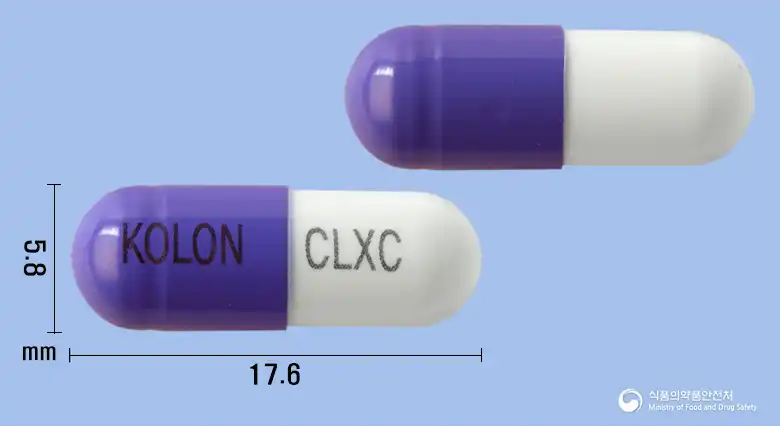
Cefaclor Hydrate 250mg
Hard capsule · Prescription medication
Kolon Pharmaceutical Co., Ltd.
Cefaclor Hydrate 3.75g
Syrup · Prescription medication
Youngjin Pharmaceutical Co., Ltd.
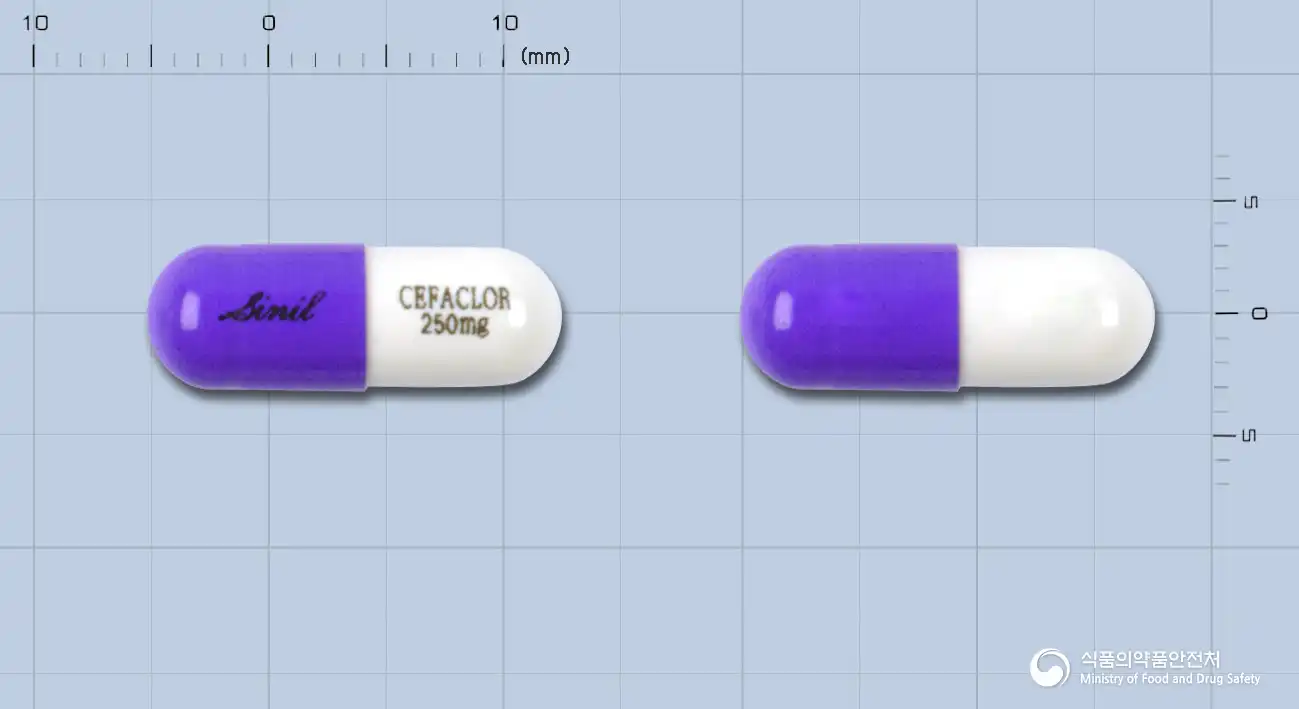
Cefaclor Hydrate 250mg
Hard capsule · Prescription medication
Shinil Pharmaceutical Co., Ltd.
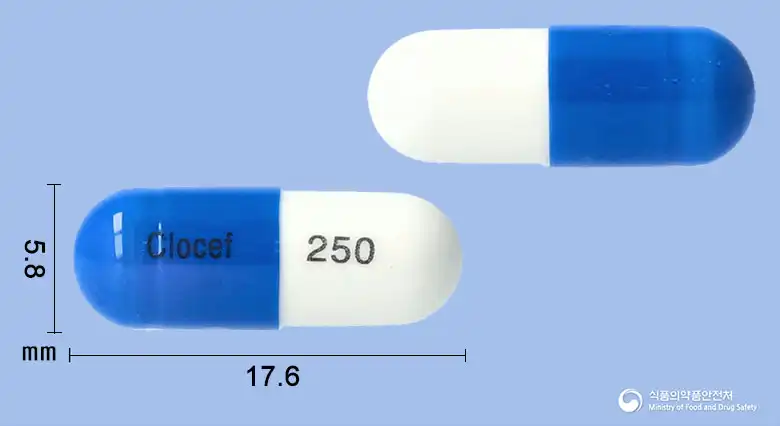
Cefaclor Hydrate 250mg
Hard capsule · Prescription medication
Hanmi Pharmaceutical Co., Ltd.
Cefaclor Hydrate 2.5g
Syrup · Prescription medication
Hanmi Pharmaceutical Co., Ltd.
Cefaclor Hydrate 3.75g
Syrup · Prescription medication
Shinpoong Pharmaceutical Co., Ltd.
Even with the same ingredient, the dose and directions can differ by strength and dosage form. Talk to a doctor or pharmacist before switching from a medication you are already taking.
No questions yet.
For anything that needs medical judgment, consult a doctor or pharmacist.
This drug information is based on data provided by the Korea Ministry of Food and Drug Safety.
Consult a doctor or pharmacist for accurate dosage, administration, and usage instructions.