
 한국어
 English
 日本語
 中文(简体)
Dosage form image
Viewing nowYoungjin Cefaclor Syrup
Cefaclor Hydrate 3.75g
Syrup · Prescription medication
Youngjin Pharmaceutical Co., Ltd.
MFDS item code 199100839 · Notified 1991.10.02 · Insurance code 642400781
Treatment of infections of the respiratory tract and ears (e.g., otitis media), urinary tract (e.g., cystitis), and skin (e.g., boils)
This medication is used for respiratory infections such as otitis media, pneumonia, pharyngitis, tonsillitis, and bronchitis. It is also effective against urinary tract infections such as pyelonephritis, cystitis, and gonococcal urethritis. It is used to treat various skin infections such as abscesses, boils, folliculitis, soft tissue infections, infectious gangrene, subcutaneous abscesses, infected wounds, and wound infections. The active strains included are Streptococcus pneumoniae, Haemophilus influenzae, Staphylococcus aureus, Escherichia coli, and Neisseria gonorrhoeae, which aid in the treatment of these infectious diseases.
○ Adults: Administer 250mg (potency) of cefaclor orally every 8 hours. For severe infections (e.g., pneumonia) and infections caused by less susceptible organisms, the dose may be doubled. For acute gonococcal urethritis, administer a single dose of 3g of this drug with 1g of probenecid. ○ Patients with impaired renal function: This drug may be administered without changing the dose. Treatment of beta-hemolytic streptococcal infections should continue for at least 10 days. Adjust the dose appropriately according to age and symptoms.
○ Children: Administer 20mg (potency) per Kg of body weight per day in divided doses every 8 hours. For severe infections, otitis media, and infections caused by less susceptible organisms, 40mg (potency) per Kg of body weight per day may be administered; the maximum dose is 1g (potency) per day. At 20mg (potency) per Kg of body weight per day — body weight 9Kg: 125mg/5mL, 2.5mL per dose (1/2 teaspoonful) 3 times daily; 250mg/5mL - At 20mg (potency) per Kg of body weight per day — body weight 18Kg: 125mg/5mL, 5mL per dose (1 teaspoonful) 3 times daily; 250mg/5mL, 2.5mL per dose (1/2 teaspoonful) 3 times daily At 40mg (potency) per Kg of body weight per day — body weight 9Kg: 125mg/5mL, 5mL per dose (1 teaspoonful) 3 times daily; 250mg/5mL, 2.5mL per dose (1/2 teaspoonful) 3 times daily At 40mg (potency) per Kg of body weight per day — body weight 18Kg: 125mg/5mL -; 250mg/5mL, 5mL per dose (1 teaspoonful) 3 times daily Twice-daily regimen: For otitis media and pharyngitis, the daily dose may be divided and administered every 12 hours. At 20mg (potency) per Kg of body weight per day (pharyngitis) — body weight 9Kg: 187mg/5mL, 2.5mL per dose (1/2 teaspoonful) 2 times daily; 375mg/5mL - At 20mg (potency) per Kg of body weight per day (pharyngitis) — body weight 18Kg: 187mg/5mL, 5mL per dose (1 teaspoonful) 2 times daily; 375mg/5mL, 2.5mL per dose (1/2 teaspoonful) 2 times daily At 40mg (potency) per Kg of body weight per day (otitis media) — body weight 9Kg: 187mg/5mL, 5mL per dose (1 teaspoonful) 2 times daily; 375mg/5mL, 2.5mL per dose (1/2 teaspoonful) 2 times daily At 40mg (potency) per Kg of body weight per day (otitis media) — body weight 18Kg: 187mg/5mL -; 375mg/5mL, 5mL per dose (1 teaspoonful) 2 times daily
This medication is an antibiotic that kills bacteria by disrupting the synthesis of their cell walls. Before using this medication, it should not be administered to individuals who have previously experienced severe allergic reactions or shock due to this drug or similar class drugs. Additionally, caution should be exercised in individuals with allergies to penicillin class drugs or those with a tendency to exhibit allergic symptoms such as bronchial asthma, skin rashes, or hives. Patients with severely impaired kidney function, the elderly, or those who have difficulty swallowing should also use this medication with increased caution, monitoring for potential vitamin K deficiency symptoms. Patients with gastrointestinal diseases, particularly those with a history of colitis, should be careful when using this medication. Rarely, this medication may cause severe allergic reactions, skin rashes, hematological abnormalities, liver or kidney dysfunction, gastrointestinal issues, respiratory problems, or neurological symptoms, so any abnormal symptoms should be promptly consulted with healthcare professionals. When using this medication, it is important to confirm the sensitivity of the causative bacteria to prevent the emergence of resistant strains and to use it only for the necessary duration. When used with other medications, interactions may occur, particularly when combined with drugs that affect the kidneys, anticoagulants, or oral contraceptives. Women who are pregnant or breastfeeding should use this medication cautiously after consulting a physician, as its safety has not been fully established. For newborns under 1 month old, it is advisable to avoid using this medication, as its safety and efficacy have not been established. In elderly patients, due to decreased bodily functions, adverse effects may occur more easily, so dosages and intervals should be adjusted while closely monitoring their condition. This medication may affect some clinical test results, so reference must be made to test result interpretations.
Not everyone experiences these, and they can vary from person to person.
This medication is sensitive to light and should be stored away from direct sunlight. Additionally, it should be stored in a tightly sealed container to prevent air and moisture ingress, and the storage temperature should be at room temperature, that is, a normal indoor temperature that is neither too hot nor too cold.
This medication is a pink syrup with a strawberry flavor that is used after being dissolved.
200 mL/bottle
Even with the same ingredient, strength, dosage form and how it is taken can differ.
Cefaclor Hydrate 3.75g
Syrup · Prescription medication
Youngjin Pharmaceutical Co., Ltd.
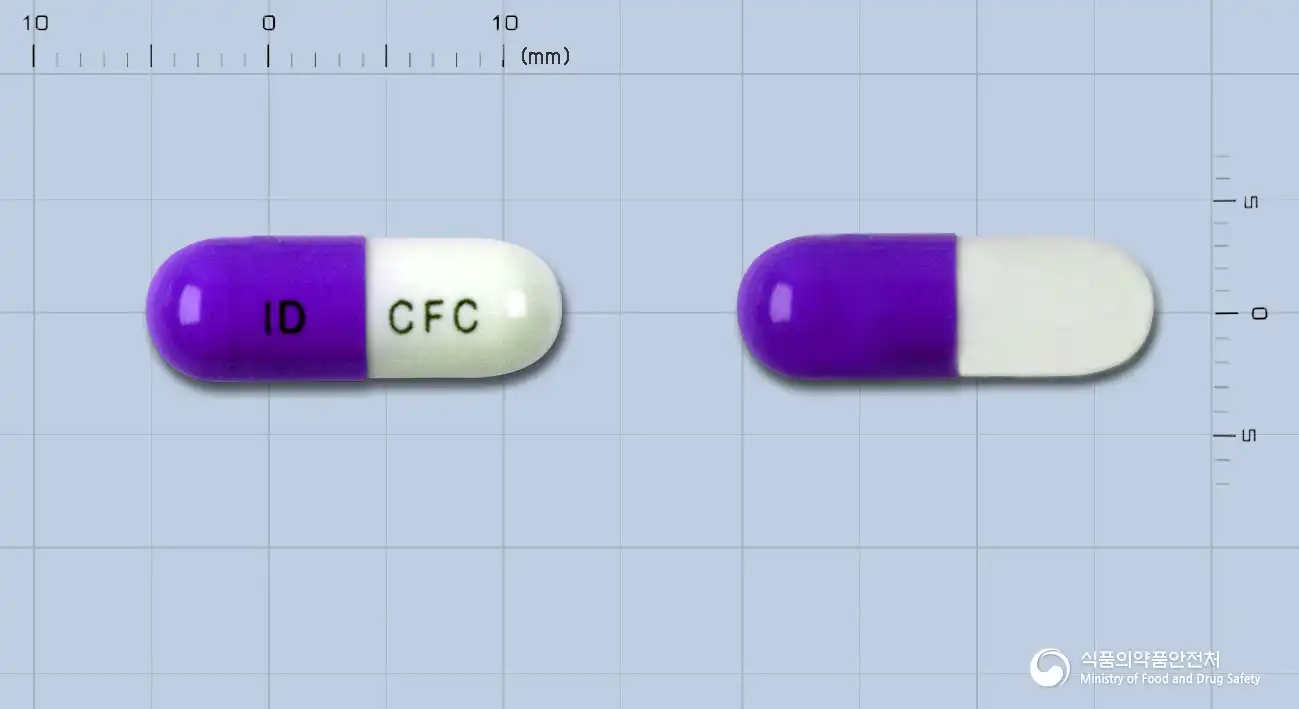
Cefaclor Hydrate 250mg
Hard capsule · Prescription medication
Ildong Pharmaceutical Co., Ltd.
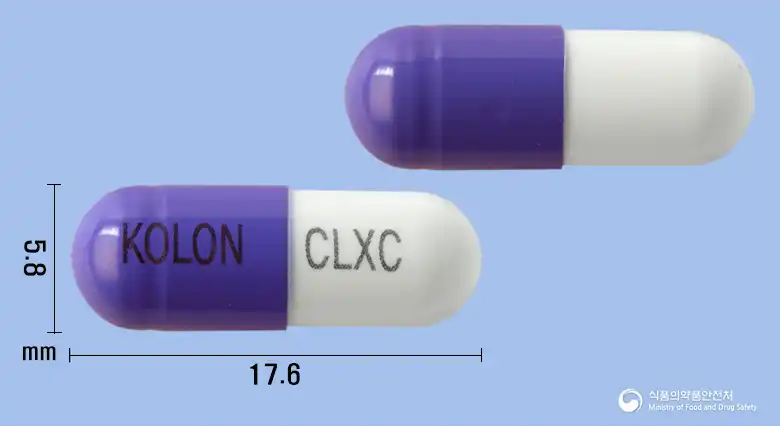
Cefaclor Hydrate 250mg
Hard capsule · Prescription medication
Kolon Pharmaceutical Co., Ltd.
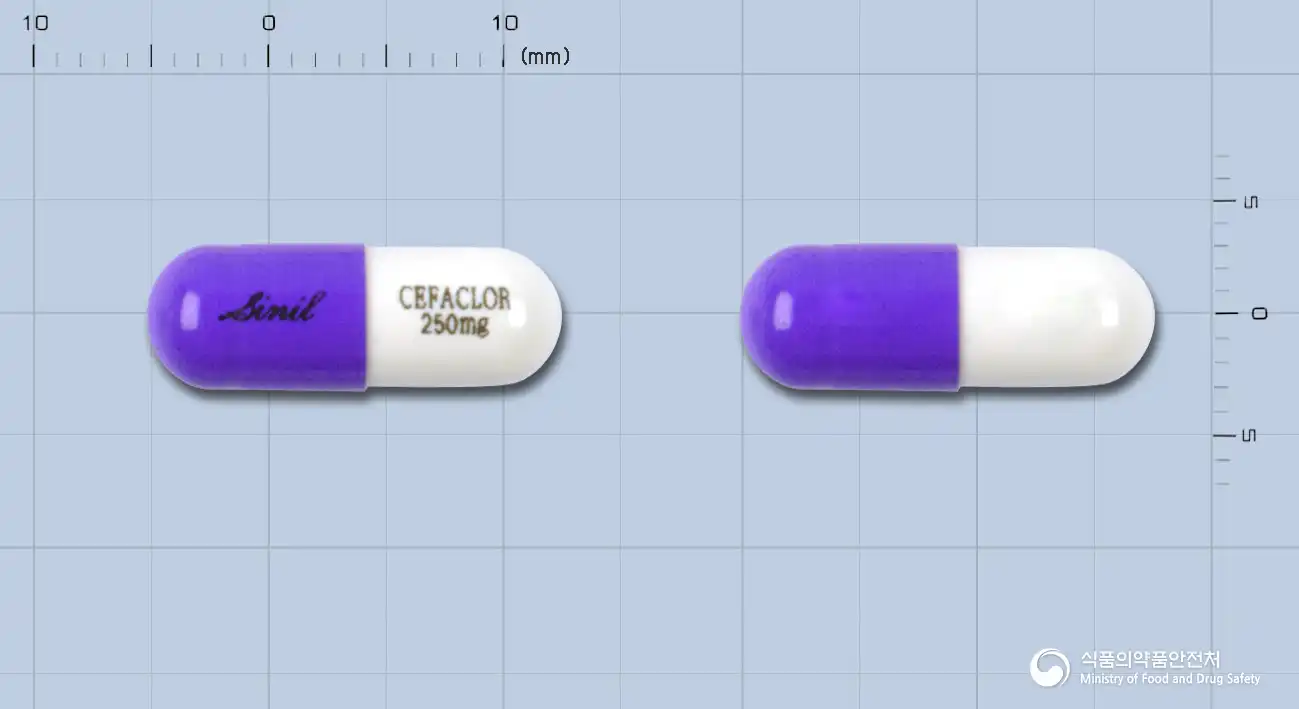
Cefaclor Hydrate 250mg
Hard capsule · Prescription medication
Shinil Pharmaceutical Co., Ltd.
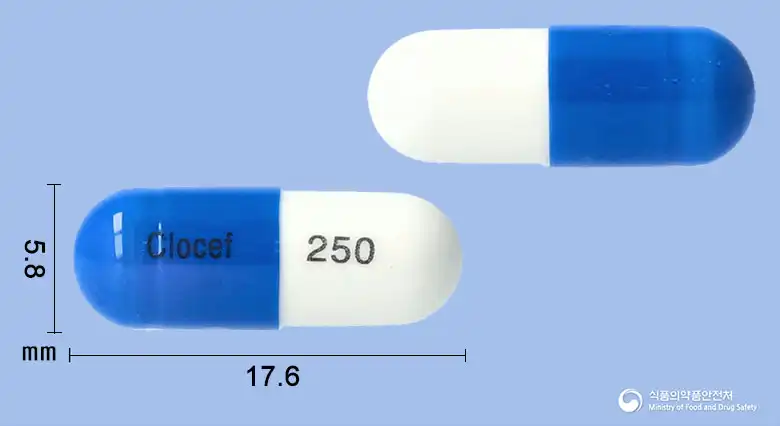
Cefaclor Hydrate 250mg
Hard capsule · Prescription medication
Hanmi Pharmaceutical Co., Ltd.
Cefaclor Hydrate 2.5g
Syrup · Prescription medication
Hanmi Pharmaceutical Co., Ltd.
Cefaclor Hydrate 3.75g
Syrup · Prescription medication
Shinpoong Pharmaceutical Co., Ltd.
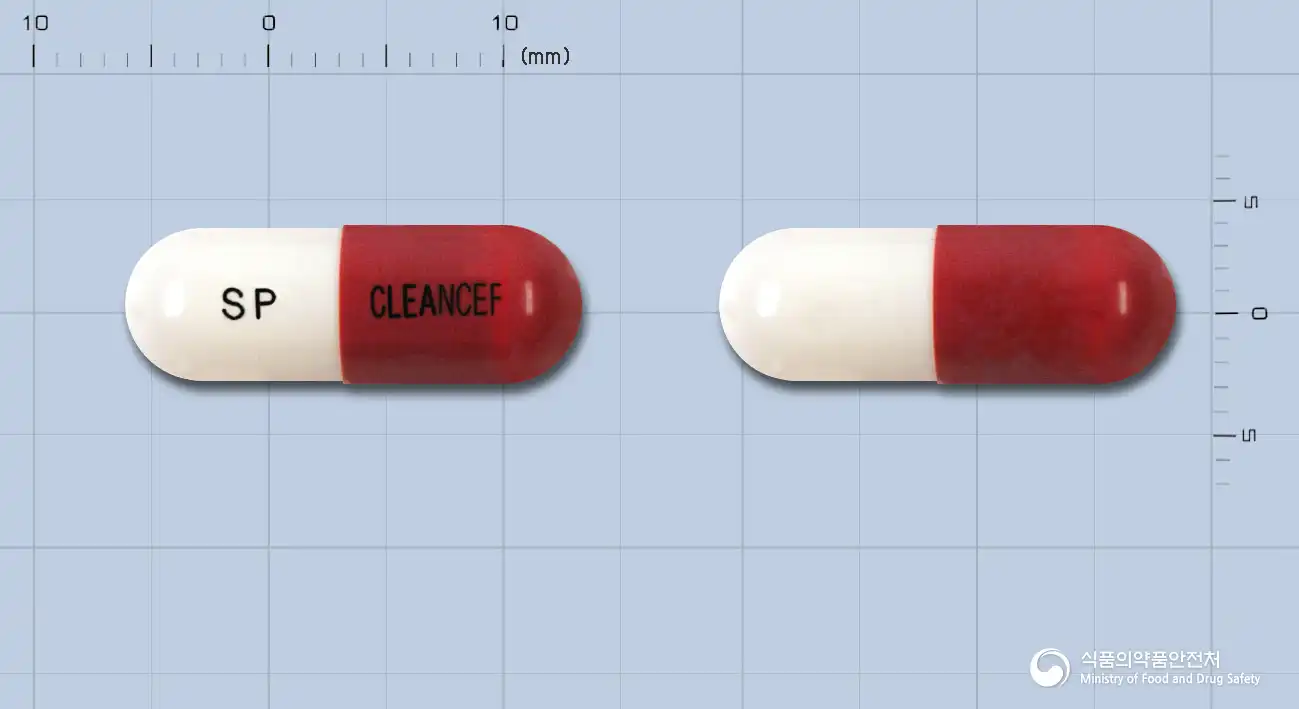
Cefaclor Hydrate 250mg
Hard capsule · Prescription medication
Shinpoong Pharmaceutical Co., Ltd.
Even with the same ingredient, the dose and directions can differ by strength and dosage form. Talk to a doctor or pharmacist before switching from a medication you are already taking.
No questions yet.
For anything that needs medical judgment, consult a doctor or pharmacist.
This drug information is based on data provided by the Korea Ministry of Food and Drug Safety.
Consult a doctor or pharmacist for accurate dosage, administration, and usage instructions.