
 한국어
 English
 日本語
 中文(简体)
Dosage form image
Viewing nowFrentil Injection (Ambroxol Hydrochloride)
Ambroxol Hydrochloride 15mg
Prescription medication
Kyungdong Pharmaceutical Co., Ltd.
MFDS item code 199001584 · Notified 1990.05.23 · Insurance code 648102341
Relief of respiratory diseases, enhancement of pulmonary surfactant in newborns, and prevention of perioperative pulmonary complications
This injection is used to treat acute and chronic respiratory diseases due to mucous secretion disorders, such as chronic bronchitis, asthmatic bronchitis, and acute attacks of bronchial asthma. It also aids breathing by enhancing surfactant production in newborns and premature infants with respiratory distress syndrome. Furthermore, it is effective in preventing pulmonary complications before and after surgery in patients with chronic obstructive pulmonary disease. In this way, it helps improve patients' symptoms and maintain lung function in various situations related to respiratory diseases.
Adults: Administer 15 mg of ambroxol hydrochloride slowly by intravenous injection 2 ~ 3 times daily. In severe cases, the dose may be increased to 30 mg per administration, and it may be administered by intravenous infusion with normal saline injection or Ringer’s solution. Adjust the dose appropriately according to age and symptoms.
Children: Administer 1.2 ~ 1.6 mg/kg of this drug slowly by intravenous injection daily. 5 years and older: 15 mg per administration 2 ~ 3 times daily 2 ~ 4 years: 7.5 mg per administration 3 times daily Under 2 years: 7.5 mg per administration 2 times daily To enhance pulmonary surfactant production in neonates and premature infants with respiratory distress syndrome, administer 10 ~ 30 mg/kg of this drug daily by slow intravenous injection in 4 divided doses.
This medication is in a glass ampoule injection and care should be taken when opening the container as glass fragments may be introduced. Caution is particularly needed when used by children or the elderly. Do not take this medication if allergic to it or any of its components. Patients with poor kidney function or severe liver dysfunction, and children under 2 years of age should use this medication with caution. Rarely, serious skin disorders may occur while taking this medication, so if there are any abnormalities in the skin or mucous membranes, discontinue use immediately and consult a doctor. Gastrointestinal symptoms like dyspepsia, nausea, vomiting, and heartburn may occur rarely, and mild gastrointestinal discomfort has also been reported. Allergic reactions such as skin rashes, hives, and difficulty breathing may occur, so immediate consultation with medical personnel is necessary if these symptoms appear. Respiratory-related side effects may include purulent rhinitis, and neurological side effects have been reported as altered taste sensation or changes in taste. When used with several antibiotics, this medicine can increase antibiotic concentrations in bronchial and pulmonary secretions, so caution is necessary when taken together. Use during pregnancy is not recommended, especially during the first three months, and nursing women should use this medicine cautiously as it may be passed into breast milk. Elderly patients may have reduced body function, so dosage adjustments should be made with caution. Symptoms of overdose have not been specifically reported, but treatment may be needed according to the presenting symptoms. Headaches, leg pain, and extreme fatigue may occur upon administration, so it is better to inject slowly. This medication can only be mixed with saline injection or Ringer's solution for intravenous drip, and must be used within 24 hours after mixing. Finally, this product should be stored in a sealed container away from the reach of children.
Not everyone experiences these, and they can vary from person to person.
This medication should be stored in a sealed container away from light, preferably at room temperature. Thus, to maintain its effectiveness, it should be stored away from direct sunlight and at the appropriate temperature.
A colorless transparent liquid or brown ampoule preparation.
2ml X 50Amp
Even with the same ingredient, strength, dosage form and how it is taken can differ.
Ambroxol Hydrochloride 15mg
Prescription medication
Kyungdong Pharmaceutical Co., Ltd.
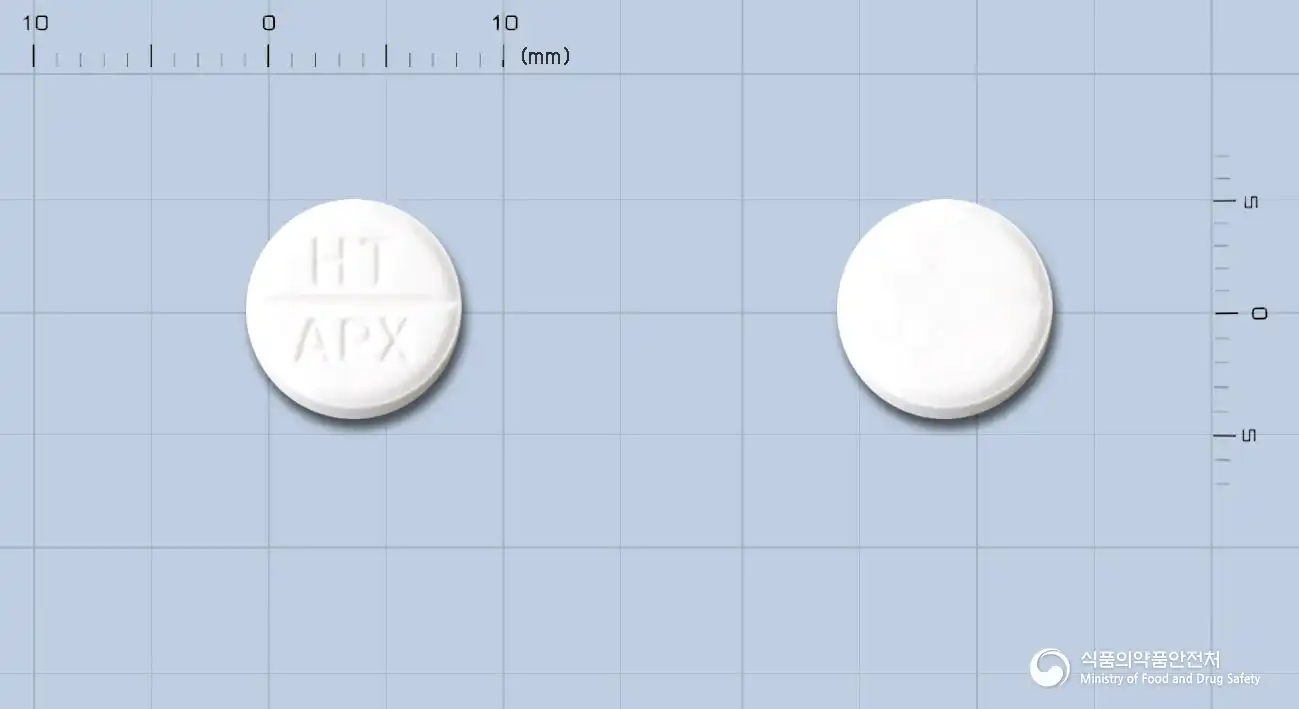
Ambroxol Hydrochloride 30mg
Tablet · OTC medication
Hanmi Pharmaceutical Co., Ltd.
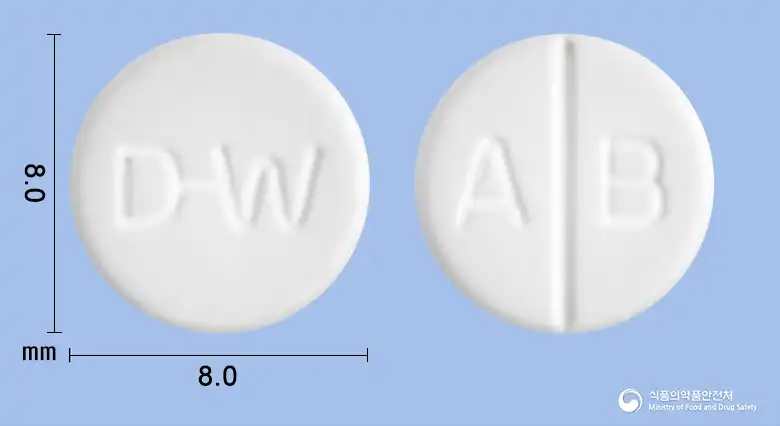
Ambroxol Hydrochloride 30mg
Tablet · OTC medication
Dongwha Pharmaceutical Co., Ltd.
Ambroxol Hydrochloride 15mg
Prescription medication
Aju Pharmaceuticals Co., Ltd.
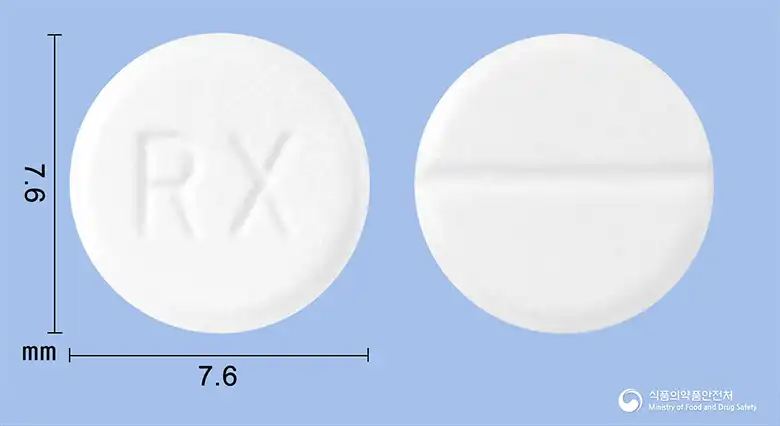
Ambroxol Hydrochloride 30mg
Tablet · OTC medication
Sama Pharmaceutical Co., Ltd.
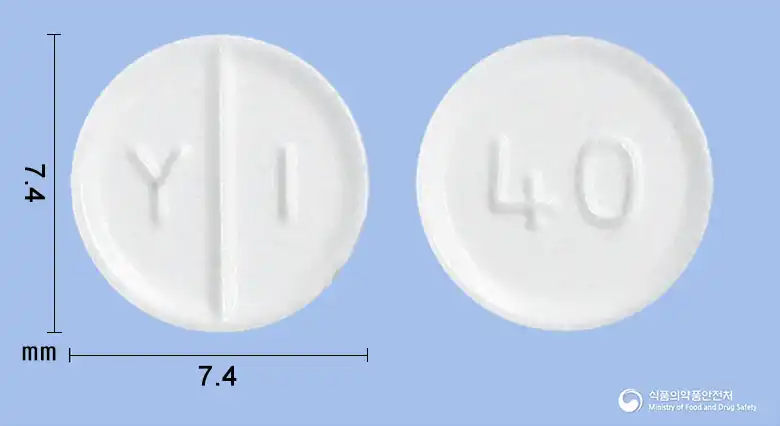
Ambroxol Hydrochloride 30mg
Tablet · OTC medication
Youngil Pharmaceutical Co., Ltd.
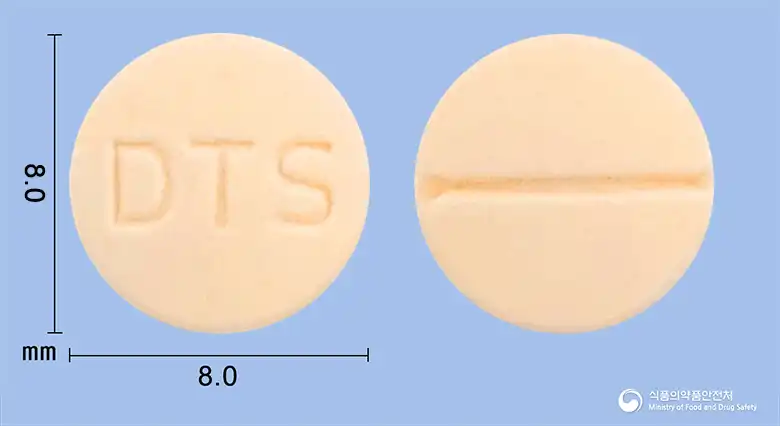
Ambroxol Hydrochloride 30mg
Tablet · OTC medication
Guju Pharmaceutical Co., Ltd.
Ambroxol Hydrochloride 15mg
Prescription medication
Dongkwang Pharmaceutical Co., Ltd.
Even with the same ingredient, the dose and directions can differ by strength and dosage form. Talk to a doctor or pharmacist before switching from a medication you are already taking.
No questions yet.
For anything that needs medical judgment, consult a doctor or pharmacist.
This drug information is based on data provided by the Korea Ministry of Food and Drug Safety.
Consult a doctor or pharmacist for accurate dosage, administration, and usage instructions.