
 한국어
 English
 日本語
 中文(简体)
 Viewing now
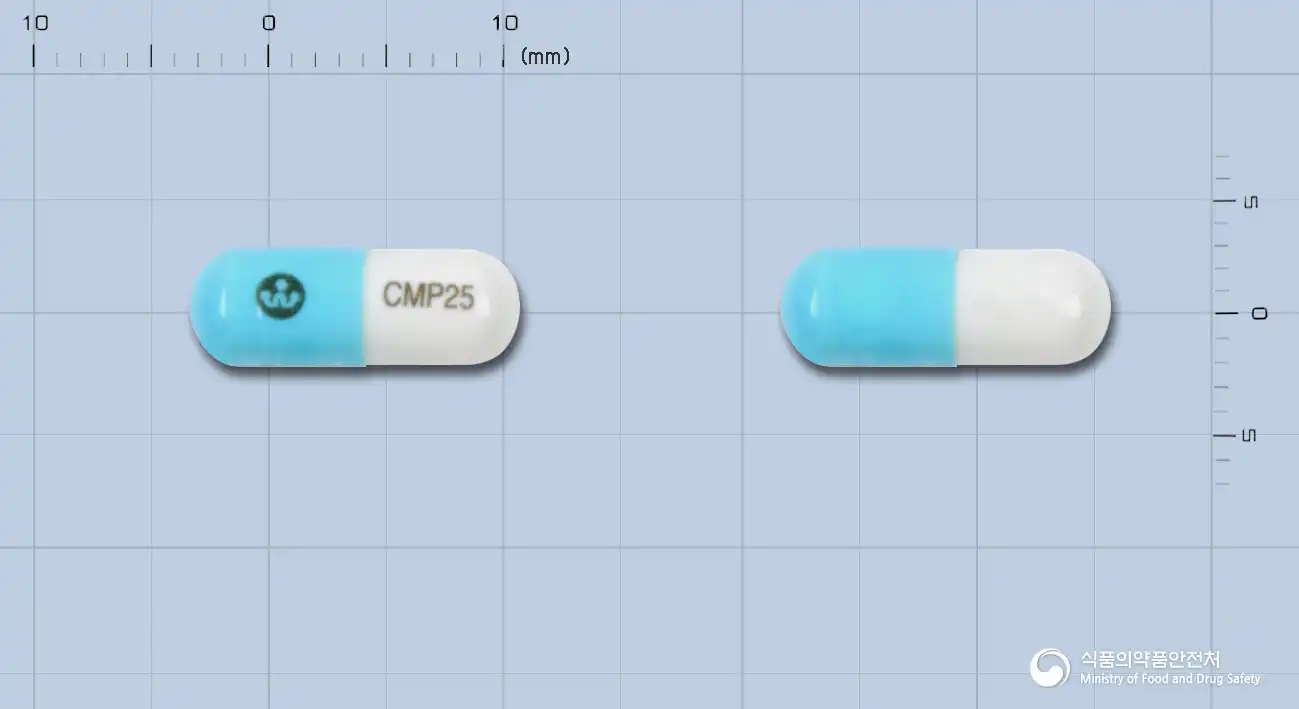
Hanin Hydrochloride Clomipramine Capsule 25 Milligrams
Clomipramine Hydrochloride 25mg
Hard capsule · Prescription medication
Hanin Pharmaceutical Co., Ltd.
MFDS item code 198900993 · Notified 1989.03.16 · Insurance code 657201060
Relief of psychiatric symptoms (e.g., depression, obsessive-compulsive symptoms, fear), chronic pain, and cataplexy associated with narcolepsy
This medication is used for the treatment of various types of depression. Oral formulations are effective for depression requiring sedation, obsessive-compulsive states, phobic states, and sudden symptoms associated with sleep attacks. The injectable form improves a range of depressive states, from endogenous depression to reactive, neurotic, and organic depression, and is also used for treating depression due to schizophrenia or personality disorders, as well as depressive symptoms in old age and early adulthood. The medication is effective for depressive symptoms caused by chronic pain or chronic physical illnesses, as well as for mood disorders with psychotic and somatic symptoms. This medication is also used to treat various types of mental discomfort such as obsessive-compulsive disorder, phobias, and chronic pain states.
(Oral: tablets, capsules) 1. Adults: Administer clomipramine hydrochloride 10㎎ orally as the initial daily dose. Gradually increase to 30-150㎎ per day, given in divided doses or as a single dose at bedtime. The maintenance dose is 30-50㎎ per day. 2. Older adults: Administer this drug 10㎎ per day as the initial dose and, with caution, increase to 30-50㎎ per day. A satisfactory clinical response may be obtained with only 1/2 of the adult maintenance dose. Adjust the dose as appropriate according to age and symptoms. (Injection) ○ The dosage and administration should be individually determined according to the patient's condition. As a rule, aim to achieve the optimal effect with the lowest possible dose. In particular, because older adults and adolescents with depression and an unstable autonomic nervous system generally respond more sensitively than middle-aged patients, use the lowest possible dose. 1. Intramuscular injection Adults: Administer clomipramine hydrochloride 25-50㎎ per day intramuscularly as the initial dose. Increase the dose by 25㎎ daily until the patient is receiving 100 -150㎎ per day. When symptoms improve, gradually reduce the number of injections and switch to an oral formulation for the maintenance dose. 2. Intravenous drip infusion Adults: As the initial dose, administer this drug 50-75㎎ once daily, diluted in 250-500㎖ of physiological saline injection or dextrose injection and thoroughly mixed, by infusion over 1.5-3 hours. ○ Intravenous drip infusion is preferably given in the morning to address depressive symptoms that occur during the day. Outpatients should be closely monitored after completion of the drip infusion. Marked improvement in symptoms is usually seen within the first week of treatment, but intravenous drip infusion should be continued for an additional 3-5 days. To maintain the effect, continued treatment should be switched to an oral formulation; generally, 50㎎ of oral tablets has an effect equivalent to 25㎎ of the injection. Intramuscular injection may be effective as an intermediate step when gradually switching from intravenous drip infusion therapy to oral maintenance therapy. Adjust the dose as appropriate according to age and symptoms.
This medication is an antidepressant used to treat psychiatric disorders such as depression. In children, adolescents, and young adults aged 18 to 24, the risk of suicidal impulses or behaviors may increase, so the risks and benefits must be carefully evaluated by the physician when administering to patients in this age group. During treatment, monitor for any abnormal changes in behavior, including the worsening of the illness, suicidal tendencies, aggression, and anger, and family members or caregivers should keep a close watch on the patient and consult the physician as needed. Certain patient groups, such as those allergic to this medication, those who have recently taken specific drugs (e.g., MAO inhibitors, SSRIs, SNRIs), patients with heart disease or glaucoma, should not take this medication. Additionally, patients with low blood pressure, cardiovascular disease, thyroid dysfunction, liver or kidney disease, seizure disorders, bipolar disorder, or a predisposition to psychosis should exercise particular caution when using this medication, and regular check-ups and monitoring are necessary. This medication can cause various side effects, including drowsiness, dizziness, indigestion, constipation, dry mouth, insomnia, anxiety, blood pressure changes, skin rashes, and liver function abnormalities. Particularly, if neurological symptoms or serious allergic reactions occur, promptly inform a healthcare professional. Women who are pregnant or nursing should consult a physician before taking this medication and are advised to gradually discontinue use before delivery. This medication is not recommended for use in children and adolescents due to insufficient evidence of safety and efficacy. Elderly individuals may be more sensitive to this medication, necessitating careful observation and dosage adjustments. In cases of overdose, serious cardiac and neurological symptoms may arise; therefore, it is essential to adhere strictly to the prescribed dosage as per the physician's instructions, and seek immediate medical attention in case of an overdose. This medication may interact with other drugs, so if you are taking any other medications, it is crucial to inform your physician or pharmacist, especially when used in conjunction with MAO inhibitors, anticoagulants, antipsychotics, and central nervous system depressants. While taking this drug, drowsiness or visual disturbances may occur, so it's important to avoid driving or operating hazardous machinery, and refrain from alcohol consumption. Finally, this medication should be stored out of the reach of children and should not be transferred to other containers.
Not everyone experiences these, and they can vary from person to person.
This medication should be stored in a tightly sealed container to prevent air and moisture from entering, at room temperature between 1 and 30 degrees Celsius. Proper storage will help maintain the effectiveness of the medication for a longer time.
A hard capsule with a blue top and a white bottom containing a yellowish to white powder
500 capsules per bottle
Even with the same ingredient, strength, dosage form and how it is taken can differ.
Viewing nowClomipramine Hydrochloride 25mg
Hard capsule · Prescription medication
Hanin Pharmaceutical Co., Ltd.
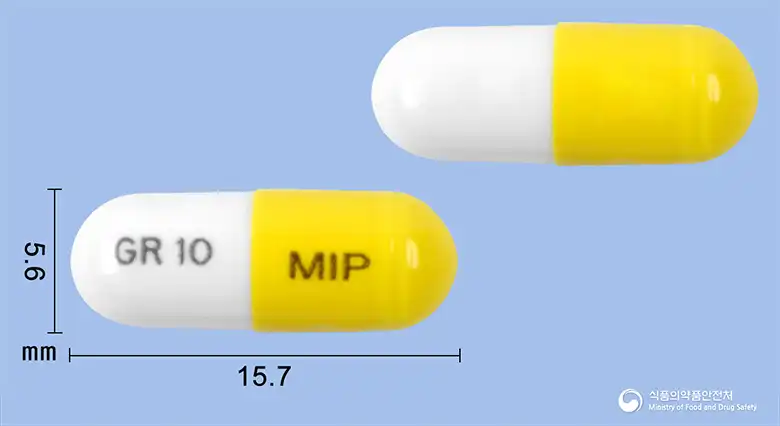
Clomipramine Hydrochloride 10mg
Hard capsule · Prescription medication
Myungin Pharmaceutical Co., Ltd.
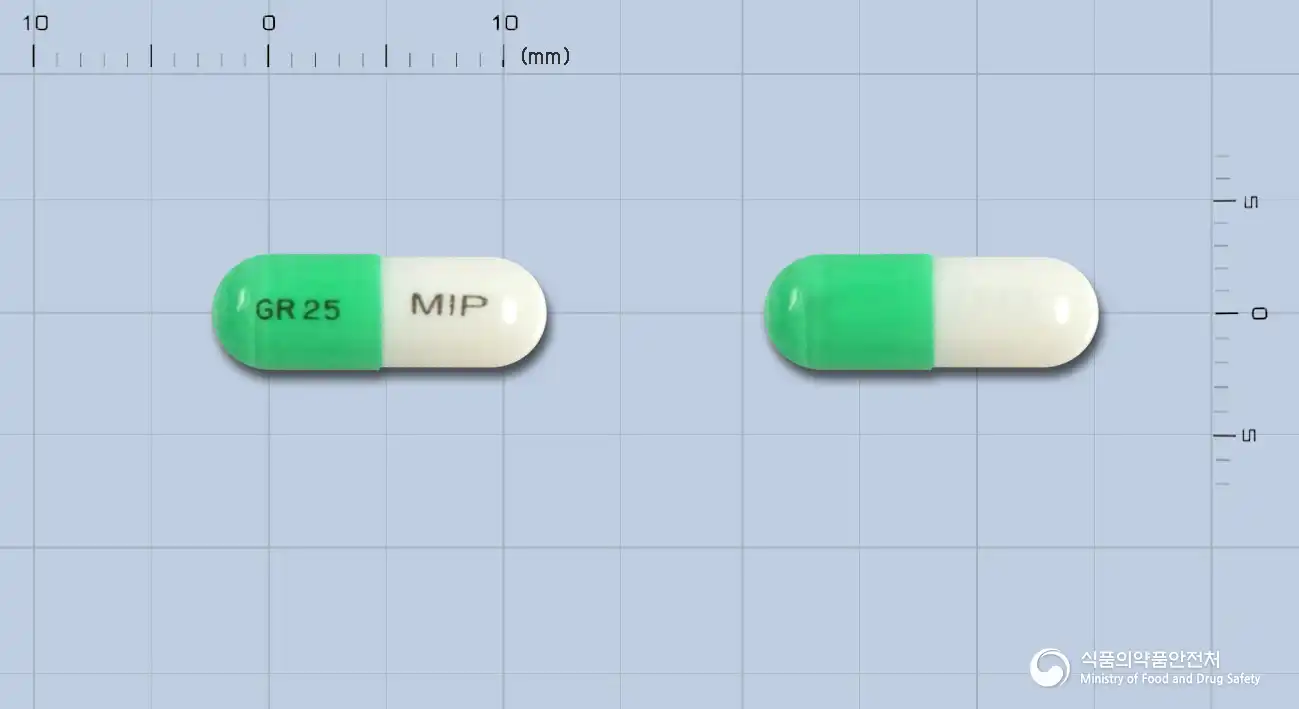
Clomipramine Hydrochloride 25mg
Hard capsule · Prescription medication
Myungin Pharmaceutical Co., Ltd.
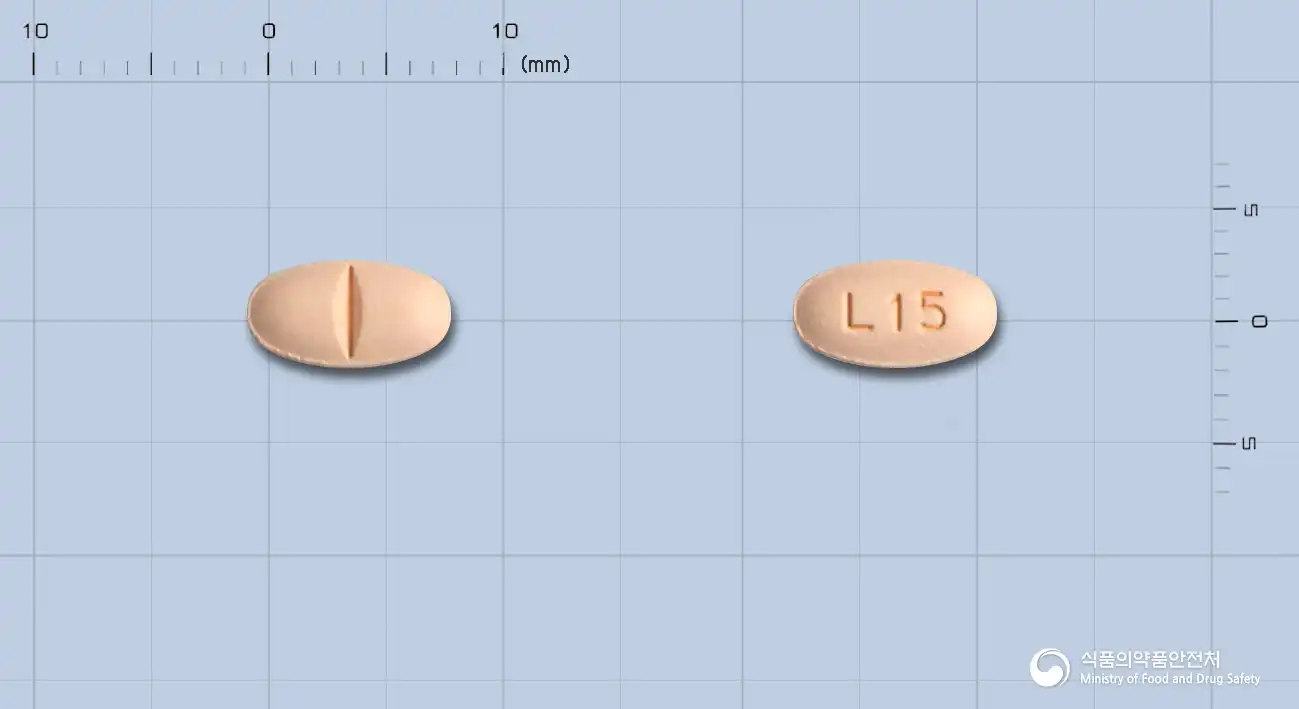
Clomipramine Hydrochloride 15mg
Tablet · Prescription medication
Jinyang Pharmaceutical Co., Ltd.
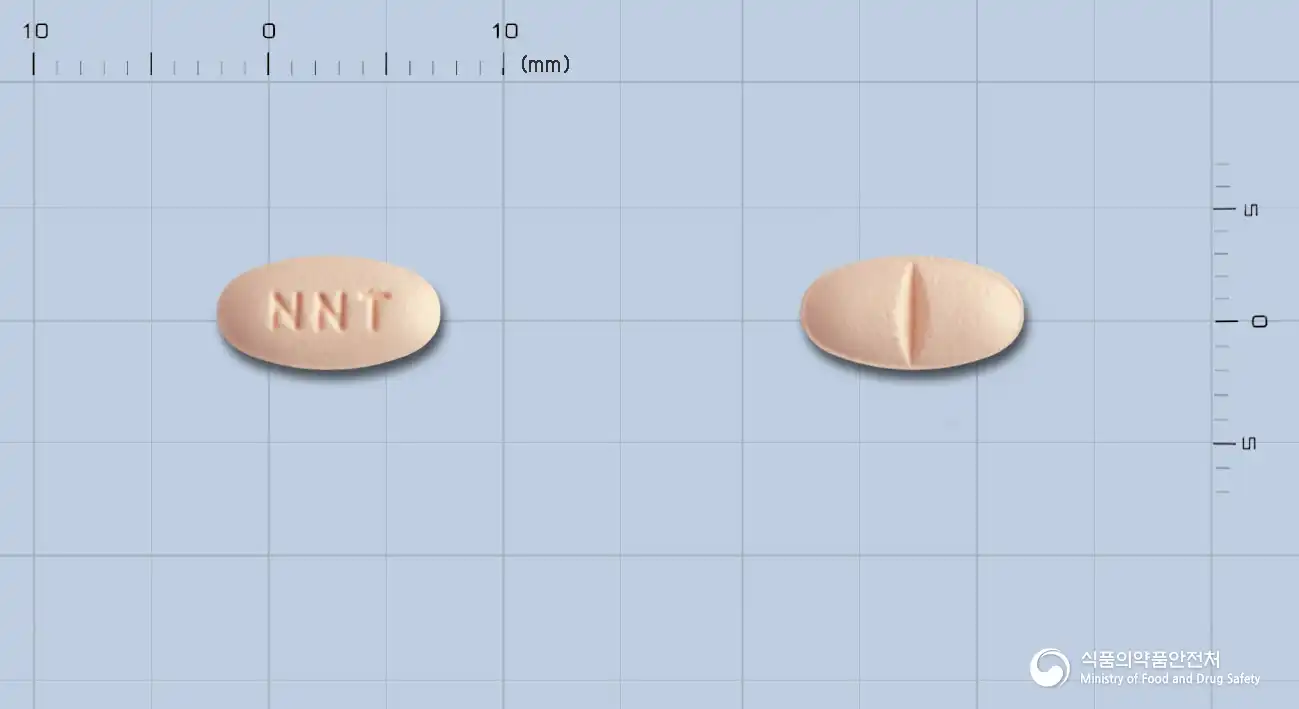
Clomipramine Hydrochloride 15mg
Tablet · Prescription medication
Huons Co., Ltd.
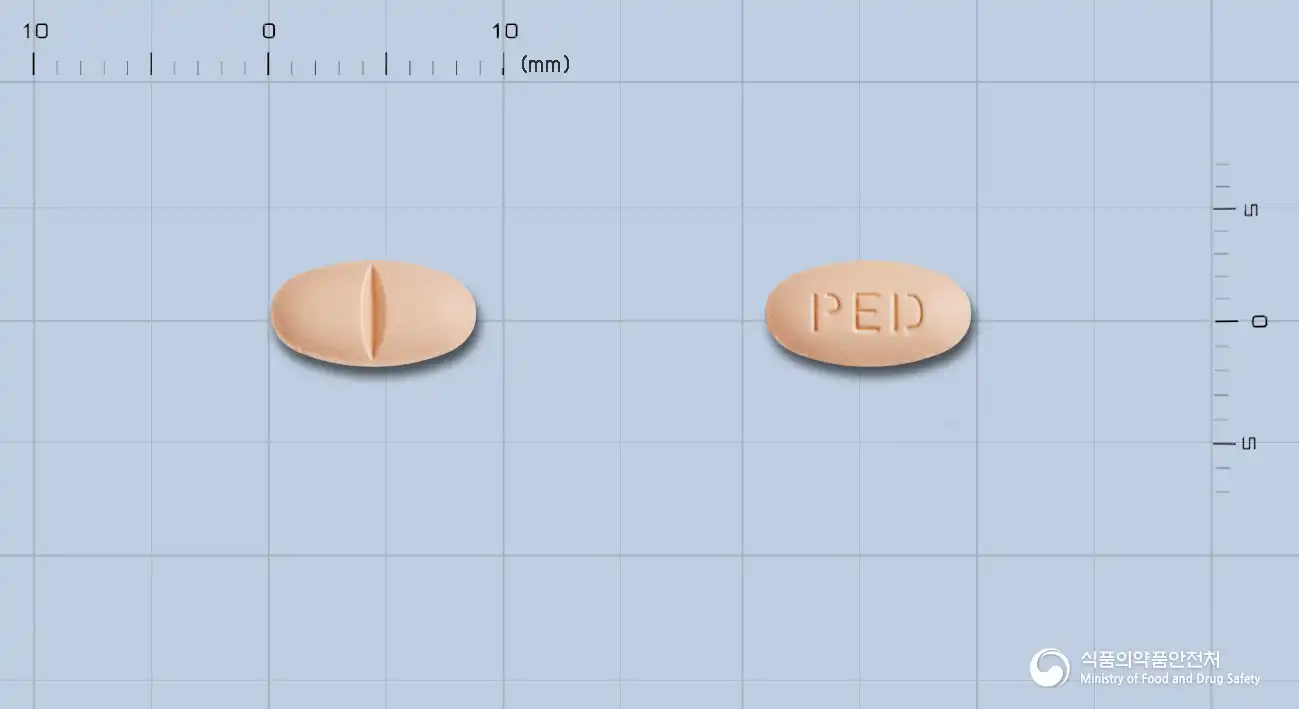
Clomipramine Hydrochloride 15mg
Tablet · Prescription medication
CTC Bio, Co., Ltd.
Even with the same ingredient, the dose and directions can differ by strength and dosage form. Talk to a doctor or pharmacist before switching from a medication you are already taking.
No questions yet.
For anything that needs medical judgment, consult a doctor or pharmacist.
This drug information is based on data provided by the Korea Ministry of Food and Drug Safety.
Consult a doctor or pharmacist for accurate dosage, administration, and usage instructions.