
 한국어
 English
 日本語
 中文(简体)
 Viewing now
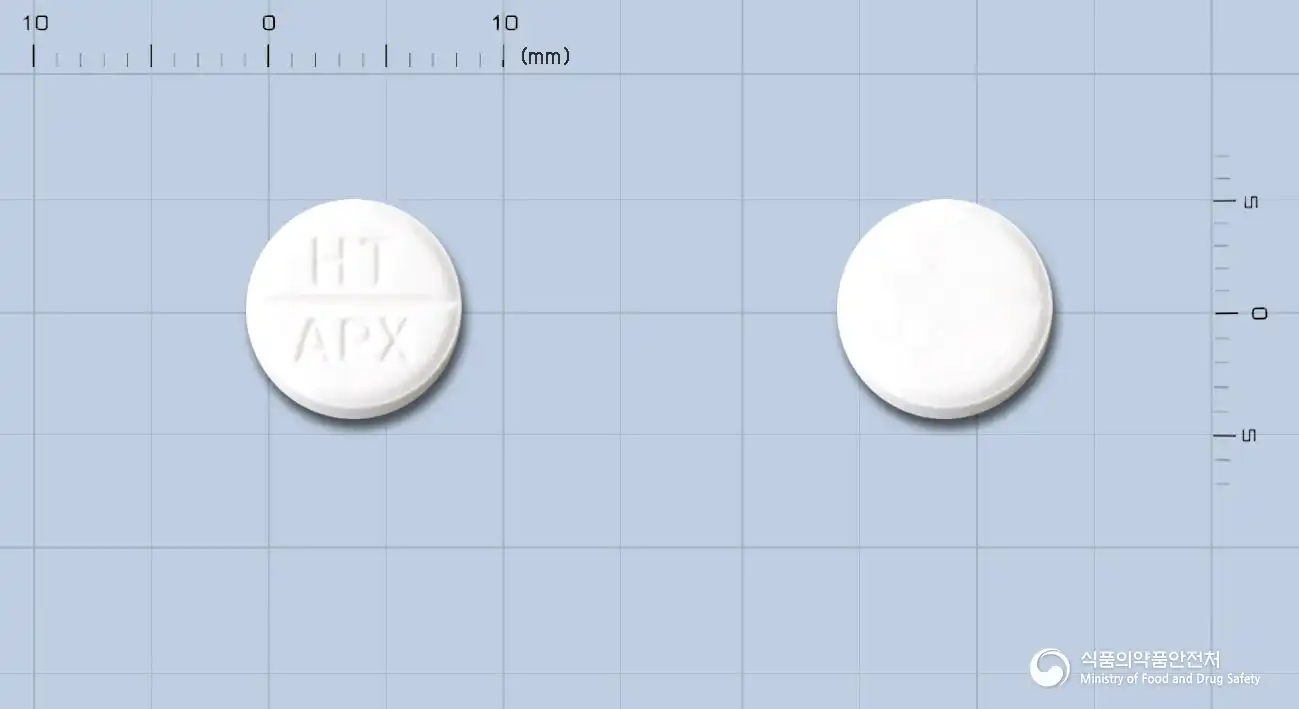
Ampecsol Tablet (Ambroxol Hydrochloride)
Ambroxol Hydrochloride 30mg
Tablet · OTC medication
Hanmi Pharmaceutical Co., Ltd.
MFDS item code 198800057 · Notified 1988.03.03 · Insurance code 649100710
Treatment of respiratory diseases caused by impaired mucus secretion (e.g., bronchitis)
This medication is effectively used for acute and chronic respiratory diseases caused by mucus secretion disorders, such as acute bronchitis, chronic bronchitis, and asthmatic bronchitis. These conditions can lead to difficulty in breathing due to abnormal increase or decrease in mucus secretion in the airways, and this medication helps facilitate the smooth expulsion of mucus, improving respiration. Therefore, it helps maintain respiratory health and alleviate symptoms.
Adults: Take 30 mg of ambroxol hydrochloride 3 times daily. For continued treatment, take 30 mg 2 times daily. This medicine may be taken with or without food.
This medication should not be taken by individuals who have had allergic reactions to this medication or its components. It is safe for individuals with severe renal impairment to avoid taking this medication. Moreover, individuals with severe liver dysfunction should also refrain from using this medication. Those with a genetic predisposition to fructose intolerance should not take this medication due to the presence of sorbitol. This medication contains lactose, so individuals with genetic issues such as galactose intolerance, lactase deficiency, or glucose-galactose malabsorption should avoid using it. Individuals with renal issues should consult a doctor or pharmacist before taking this medication. It is also advisable for individuals with peptic ulcers to consult a professional before use. Pregnant women are advised not to take this medication especially within the first three months of pregnancy because it can cross the placenta. Breastfeeding individuals should avoid this medication as it can be transmitted through breast milk. Elderly individuals may need dosage adjustments and should take care due to potential declines in bodily functions. If severe rashes, mucosal damage, fever, itching, cough, or pharyngitis appear while taking this medication, it should be stopped immediately and a consultation with a professional is necessary. Gastrointestinal symptoms such as nausea, vomiting, diarrhea, dyspepsia, abdominal pain, heartburn, and dry mouth may occur, so caution is advised. If symptoms such as urticaria, skin rash, breathing difficulties, facial swelling, or chills appear, the medication should be stopped immediately and medical advice should be sought. Neurological symptoms including respiratory symptoms or changes in tongue sensation, taste alterations, or numbness in the arms have been reported rarely, so consultation with a professional is recommended if abnormal symptoms occur. Care must be taken if this medication is used in conjunction with certain antibiotics, as it may increase the antibiotic concentration in the bronchi or sputum. Although no special symptoms of overdose have been reported, immediate treatment should be sought if adverse reactions occur. The effects on driving or operating machinery are unknown, but caution is advisable. This medication should be stored out of reach of children, in a cool, dry place away from direct sunlight. Medicines should be stored in their original container to prevent misuse or quality degradation.
Not everyone experiences these, and they can vary from person to person.
Consult a doctor or pharmacist if this medication is used with antibiotics such as erythromycin, cephalexin, oxy tetracycline, amoxicillin, cefuroxime, or doxycycline.
This medication must be stored in a tightly sealed container to protect it from air and moisture. It is best to maintain storage temperatures between 1 and 30 degrees Celsius. Proper storage will help maintain the effectiveness and safety of the medication for a longer period.
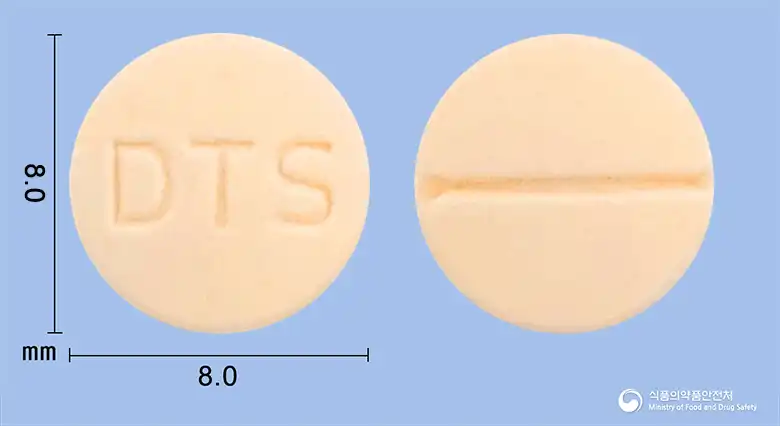
White round tablets
500 tablets/bottle
Even with the same ingredient, strength, dosage form and how it is taken can differ.
Viewing nowAmbroxol Hydrochloride 30mg
Tablet · OTC medication
Hanmi Pharmaceutical Co., Ltd.
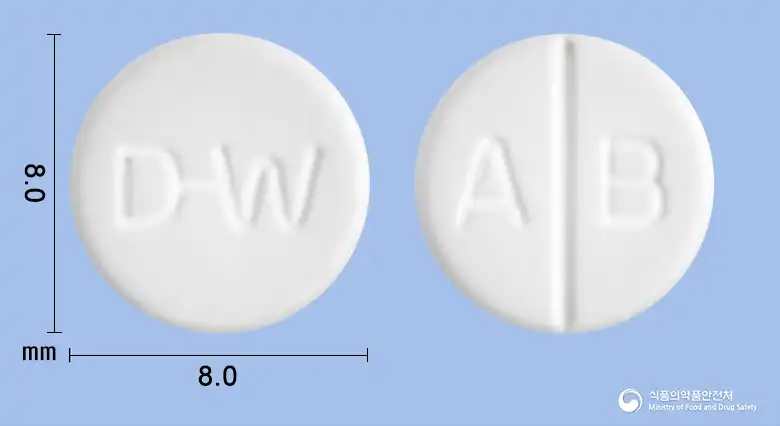
Ambroxol Hydrochloride 30mg
Tablet · OTC medication
Dongwha Pharmaceutical Co., Ltd.
Ambroxol Hydrochloride 15mg
Prescription medication
Aju Pharmaceuticals Co., Ltd.
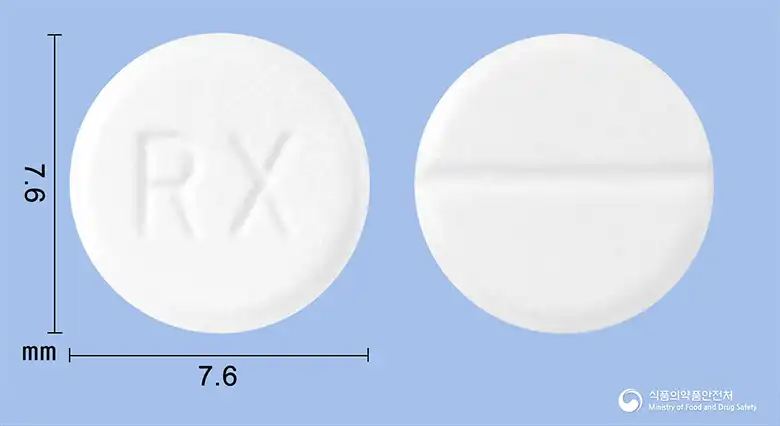
Ambroxol Hydrochloride 30mg
Tablet · OTC medication
Sama Pharmaceutical Co., Ltd.
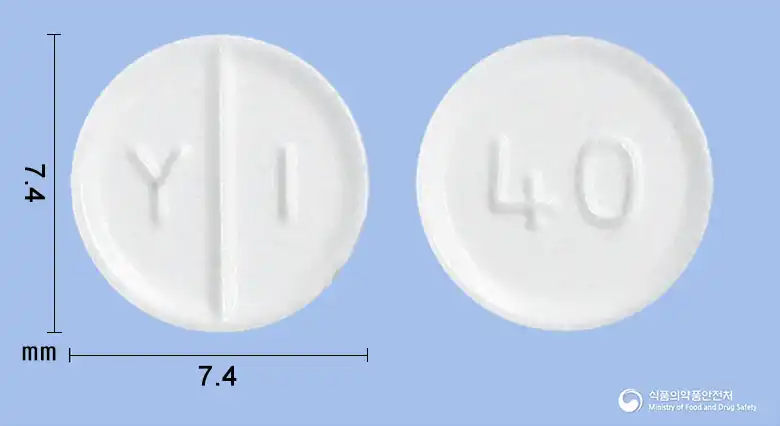
Ambroxol Hydrochloride 30mg
Tablet · OTC medication
Youngil Pharmaceutical Co., Ltd.
Ambroxol Hydrochloride 30mg
Tablet · OTC medication
Guju Pharmaceutical Co., Ltd.
Ambroxol Hydrochloride 15mg
Prescription medication
Dongkwang Pharmaceutical Co., Ltd.
Ambroxol Hydrochloride 7.5mg
Injections · Prescription medication
Daewon Pharmaceutical Co., Ltd.
Even with the same ingredient, the dose and directions can differ by strength and dosage form. Talk to a doctor or pharmacist before switching from a medication you are already taking.
No questions yet.
For anything that needs medical judgment, consult a doctor or pharmacist.
This drug information is based on data provided by the Korea Ministry of Food and Drug Safety.
Consult a doctor or pharmacist for accurate dosage, administration, and usage instructions.