
 한국어
 English
 日本語
 中文(简体)
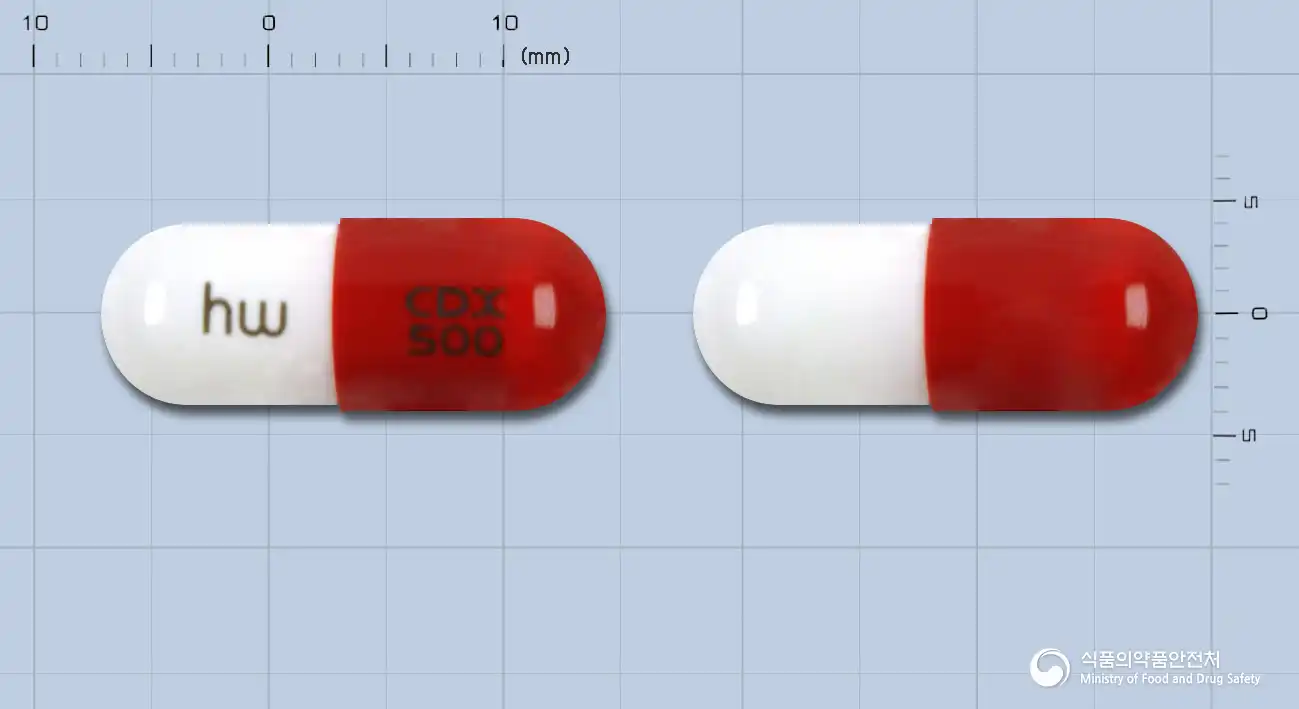
Dosage form image
Viewing nowHana Cep Capsule 500 Milligrams (Cefadroxil Hydrate)
Cefadroxil Hydrate 500mg
Hard capsule · Prescription medication
Korea Pharmaceutical Co., Ltd.
MFDS item code 198501074 · Notified 1985.03.26
This product's status changed to Approval withdrawn on 2024.03.12. It may no longer be sold, so consult a doctor or pharmacist before taking it.
Treatment of pharyngitis, tonsillitis, skin and soft tissue infections, and urinary tract infections (e.g., cystitis)
This medicine is effective against a variety of bacteria including beta-hemolytic streptococci, staphylococci (including penicillinase-producing strains), pneumococci, Escherichia coli, Proteus mirabilis, and Klebsiella. It is mainly used to treat urinary tract infections such as pyelonephritis, cystitis, and urethritis. It is also effective for treating skin and soft tissue infections, as well as pharyngitis and tonsillitis, helping to recover from various infection symptoms.
○ Adults 1) Urinary tract infections: For uncomplicated lower urinary tract infections (such as cystitis), administer 1~2g (potency) of cefadroxil per day orally in 1~2 divided doses. For other urinary tract infections, administer 2g (potency) per day in 2 divided doses. 2) Skin and skin structure infections: Administer 1g (potency) per day orally in 1~2 divided doses. 3) Pharyngitis, tonsillitis: For pharyngitis and tonsillitis caused by beta-hemolytic streptococcal infection, administer 1g (potency) per day orally in 1~2 divided doses for 10 days. ○ Patients with renal impairment In patients with renal impairment, the dose of cefadroxil should be adjusted according to creatinine clearance to prevent drug accumulation. The following dosage schedule is recommended. The initial dose for adults is 1000mg (potency), and the maintenance dose is 500mg (potency) at the intervals below, based on creatinine clearance (mL/min/1.73m2). Patients with a creatinine clearance of 50mL/min or more may be treated in the same manner as patients with normal renal function. Creatinine clearance 0~10mL/min: 36 hours 10~25mL/min: 24 hours 25~50mL/min: 12 hours Adjust the dose as appropriate according to age and symptoms.
○ Children 1) Urinary tract infections, skin and skin structure infections: Administer 30mg (potency) per kg of body weight per day orally in 2 divided doses. 2) Pharyngitis, tonsillitis: Administer 30mg (potency) per kg of body weight per day orally in 1~2 divided doses. For beta-hemolytic streptococcal infections, administer for at least 10 days. Body weight 4.5Kg: 125mg/5mL 1 teaspoon, 250mg/5mL - Body weight 9.1Kg: 125mg/5mL 2 teaspoons, 250mg/5mL 1 teaspoon Body weight 13.6Kg: 125mg/5mL 3 teaspoons, 250mg/5mL 1½ teaspoons Body weight 18.2Kg: 125mg/5mL 4 teaspoons, 250mg/5mL 2 teaspoons, 500mg/5mL 1 teaspoon Body weight 22.7Kg: 125mg/5mL 5 teaspoons, 250mg/5mL 2½ teaspoons, 500mg/5mL 1¼ teaspoons Body weight 27.3Kg: 125mg/5mL 6 teaspoons, 250mg/5mL 3 teaspoons, 500mg/5mL 1½ teaspoons Body weight 31.8 or moreKg: 125mg/5mL -, 250mg/5mL -, 500mg/5mL 2 teaspoons
This drug should not be used in patients who have previously experienced severe allergic reactions or shock due to this drug. Additionally, patients with a history of allergy to cephalosporin antibiotics or infectious mononucleosis should not take this medication. This drug contains lactose, so it should not be administered to patients with lactose intolerance or certain genetic metabolic disorders. Generally, it is not recommended for patients with a history of hypersensitivity; however, if unavoidable, it should be used with extreme caution. Patients allergic to penicillin antibiotics, those with severe renal impairment, the elderly, and malnourished patients should also be administered with caution. Patients with a history of gastrointestinal disease or allergy to certain pigments contained in this drug should be careful. Rarely, this drug can cause shock, various allergic reactions, blood disorders, liver and kidney function abnormalities, gastrointestinal issues, respiratory problems, skin diseases, neurological symptoms, and other side effects. If any abnormal symptoms arise, administration should be immediately discontinued and appropriate treatment sought. To prevent antibiotic resistance during treatment, it is important to conduct sensitivity tests and administer the drug for only the necessary duration. If hypersensitivity is suspected, medication should be stopped immediately and adequate measures such as oxygen supply, intravenous fluids, and antihistamines should be taken. Regular testing of blood, liver, and kidney function is recommended during long-term treatment. In patients with impaired renal function, dosage adjustment is necessary since central nervous system side effects such as seizures may occur. This drug may worsen kidney damage when used with nephrotoxic drugs or certain diuretics, so careful observation is necessary during co-administration. Co-administration with probenecid may lead to increased levels of this drug in the body. During pregnancy, safety is not established, and it should only be administered when benefits outweigh risks, under the judgment of a doctor, with caution also required for nursing women. The elderly are at higher risk of side effects due to decreased bodily function, so dosage and administration intervals should be adjusted, and patient conditions closely monitored. This drug may affect the results of some clinical tests, so caution is needed when interpreting test results. Finally, this drug may cause photosensitivity reactions, so care should be taken to avoid excessive sun exposure.
shock, rash, urticaria, erythema, facial edema, vascular edema, mucosal vesicles, itching, fever, anaphylaxis, thrombocytopenia, agranulocytosis, eosinophilia, hemolytic anemia, biliary stasis, elevated AST, elevated ALT, elevated ALP, acute renal failure, membranous colitis, severe colitis accompanied by hematochezia, abdominal pain, frequent diarrhea, diarrhea, nausea, vomiting, gastric pain, loss of appetite, discomfort in the upper abdomen, fever, cough, dyspnea, abnormal chest X-ray, interstitial pneumonia, eosinophilic pulmonary infiltrates, stomatitis, candidiasis, dizziness, weakness, drowsiness, irritability, headache, seizures, Stevens-Johnson syndrome, symptoms of vitamin K deficiency, hypoprothrombinemia, tendency to bleed, vitamin B deficiency, glossitis, stomatitis, neuritis, genital itching, genital candidiasis, genital moniliasis, vaginitis, rigidity of the trunk and limbs, arthralgia, phototoxicity
Not everyone experiences these, and they can vary from person to person.
This drug may be sensitive to air or moisture, so it should be stored in a tightly sealed container. It is also recommended to keep it in a cool, ambient temperature away from direct sunlight.
Hard capsule with upper reddish-brown and lower white containing white to light-yellow powder
30 capsules/bottle, 100 capsules/bottle
Even with the same ingredient, strength, dosage form and how it is taken can differ.
Cefadroxil Hydrate 500mg
Hard capsule · Prescription medication
Korea Pharmaceutical Co., Ltd.
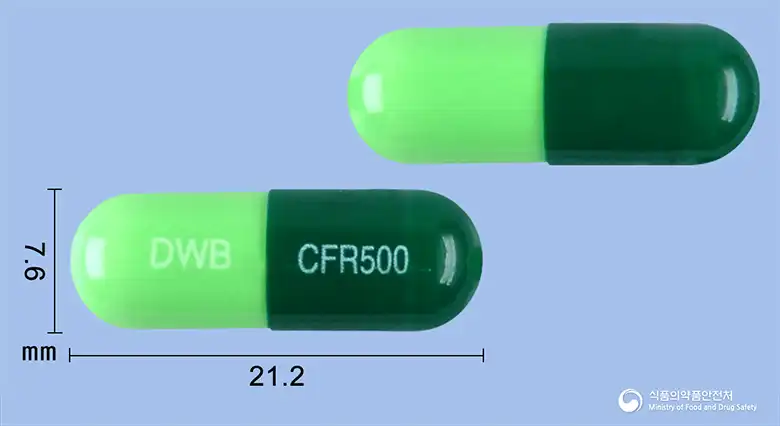
Cefadroxil Hydrate 500mg
Hard capsule · Prescription medication
Daewoong Bio Co., Ltd.
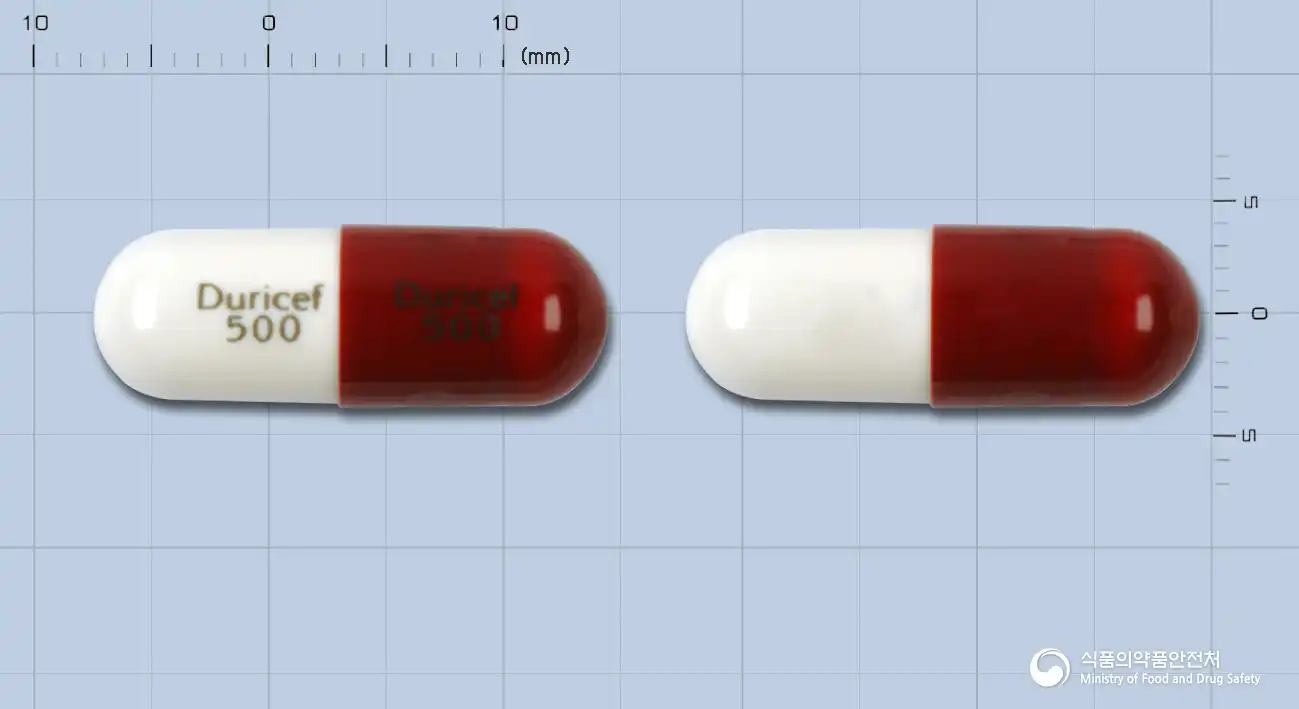
Cefadroxil Hydrate 500mg
Hard capsule · Prescription medication
Boryung Inc.
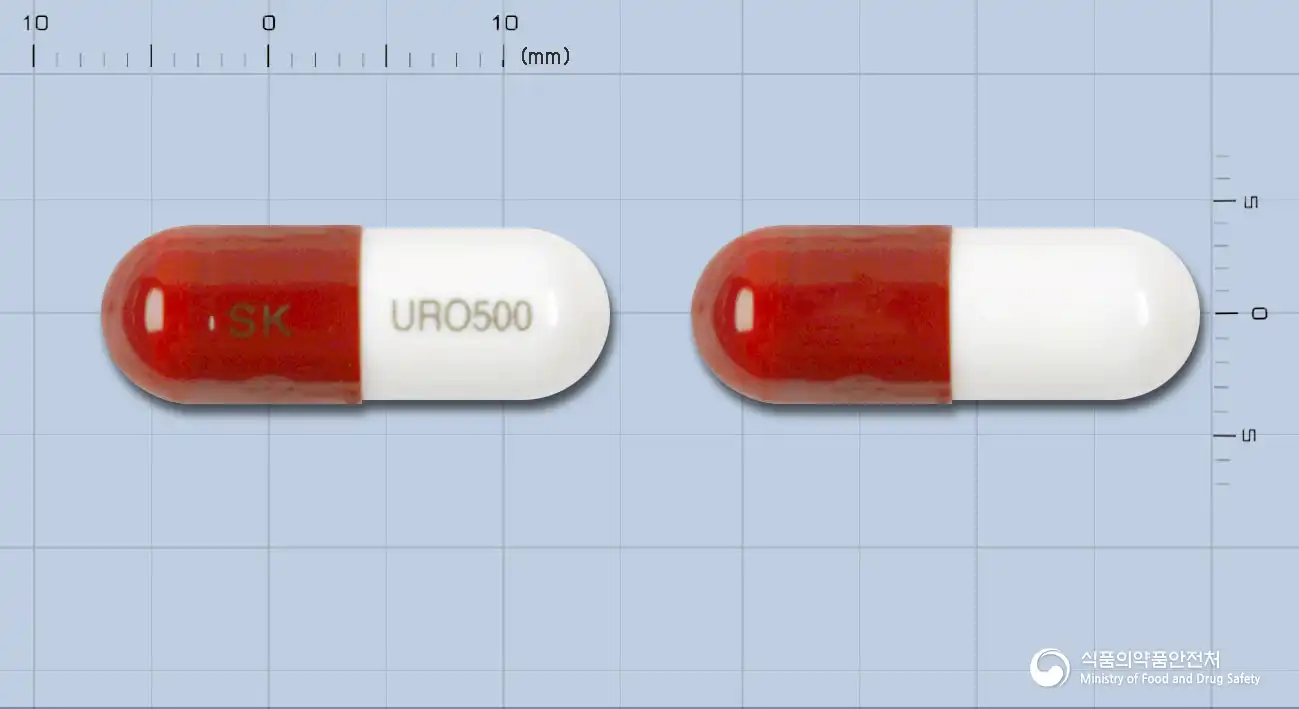
Cefadroxil Hydrate 500mg
Hard capsule · Prescription medication
SK Chemical Co., Ltd.
Cefadroxil Hydrate 9g
Prescription medication
Boryeong Co., Ltd.
Cefadroxil Hydrate 4.5g
Prescription medication
Boryeong Co., Ltd.
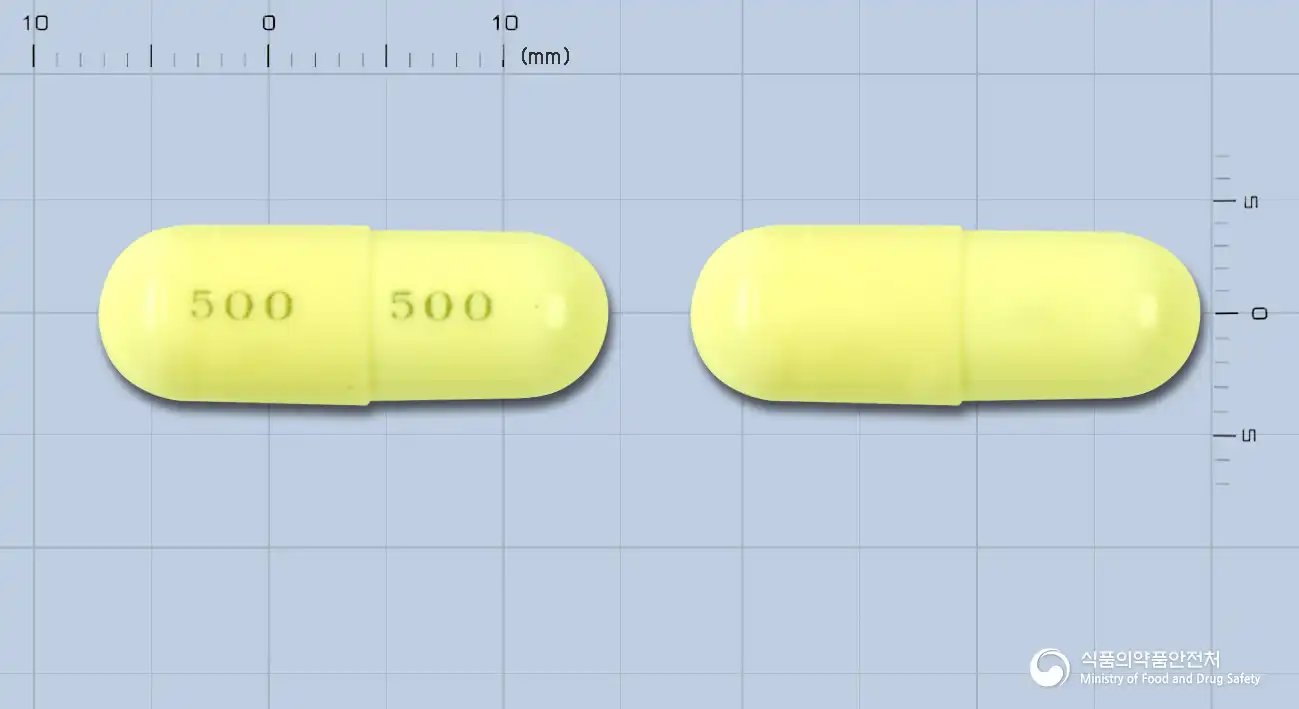
Cefadroxil Hydrate 500mg
Hard capsule · Prescription medication
Jongkundang Co., Ltd.
Cefadroxil Hydrate 500mg
Hard capsule · Prescription medication
Hawon Pharmaceutical Co., Ltd.
Even with the same ingredient, the dose and directions can differ by strength and dosage form. Talk to a doctor or pharmacist before switching from a medication you are already taking.
No questions yet.
For anything that needs medical judgment, consult a doctor or pharmacist.
This drug information is based on data provided by the Korea Ministry of Food and Drug Safety.
Consult a doctor or pharmacist for accurate dosage, administration, and usage instructions.