한국어
 English
 日本語
 中文(简体)
 Viewing now
Yuyu Creed Tablet (Ticlopidine Hydrochloride)
Ticlopidine Hydrochloride 250mg
Tablet · Prescription medication
(Co., Ltd.) Yuyu Pharmaceutical
MFDS item code 198300091 · Notified 1983.01.12 · Insurance code 644500930
Prevention and treatment of thrombosis and embolism, improvement of ischemic symptoms, and improvement of impaired blood flow
This medication is used to treat thrombus or embolism that may occur during vascular surgery or extracorporeal circulation and to improve blood flow disorders. It also helps improve ischemic symptoms, including ulcers, pain, and coldness resulting from chronic arterial occlusive disease. It treats thrombosis and embolism caused by ischemic cerebrovascular disorders and improves blood flow disturbances due to vasospasm after subarachnoid hemorrhage surgery. It prevents and treats thrombus and embolism in coronary artery diseases such as angina pectoris and myocardial infarction, alleviating ischemic symptoms. Finally, it is also effective for the prevention of subacute thrombosis after coronary artery stenting. This drug is used for various vascular-related thrombotic issues and improvements in ischemic symptoms.
1. Treatment of thrombi and emboli associated with vascular surgery and extracorporeal circulation, and improvement of impaired blood flow: The usual adult dose is 200~300mg of ticlopidine hydrochloride per day, administered orally in 2~3 divided doses after meals. Reduce the dose appropriately according to the patient's condition. 2. Improvement of ischemic symptoms such as ulcers, pain, and coldness associated with chronic arterial occlusive disease: The usual adult dose of this drug is 300~600mg per day, administered orally in 2~3 divided doses after meals. Reduce the dose appropriately according to the patient's condition. 3. Treatment of thrombi and emboli associated with ischemic cerebrovascular disorders: The usual adult dose of this drug is 500mg per day, administered orally in 2 divided doses after meals. Reduce the dose appropriately according to the patient's condition. 4. Improvement of impaired blood flow due to cerebral vasospasm after surgery for subarachnoid hemorrhage: The usual adult dose of this drug is 300mg per day, administered orally in 3 divided doses after meals. Reduce the dose appropriately according to the patient's condition. 5. Prevention and treatment of thrombi and emboli associated with coronary artery disease (angina, myocardial infarction), and treatment of ischemic symptoms: The usual adult dose of this drug is 500mg per day, administered orally in 2 divided doses after meals. Adjust the dose appropriately according to age and symptoms. 6. Prevention of subacute thrombosis after intracoronary stent placement: Start administration on the day before stent placement or on the day of placement. Administer 500mg of this drug per day orally in 2 divided doses, in combination with aspirin (100~325mg per day), after meals for 4~6 weeks.
This medication is a drug that inhibits the function of platelets in the blood to prevent thrombus formation. A serious blood disorder reaction with a rapid decrease in platelet count may occur within the first 2 months of taking this medication, so regular blood tests and liver function tests should be conducted. It is particularly important to check blood status every two weeks during the first three months of administration, and if any abnormal symptoms appear, the medication should be stopped immediately and a doctor consulted. Patients at high risk of bleeding, patients with severely impaired liver function, or those with a history of blood disorders should not take this medication. Women who are menstruating or those taking anticoagulants, antiplatelet agents, etc., should use this medication with caution, and patients scheduled for surgery or elderly patients should also be careful. During use, abnormal symptoms such as bleeding, fever, vomiting, skin rash, jaundice, etc., may appear, so patients should inform the medical staff immediately if such symptoms occur. Additionally, because this medication is metabolized in the liver, patients with impaired liver function should confirm their liver status before administration, and if symptoms of hepatitis or jaundice appear, the medication should be discontinued. When taken with other anticoagulants, non-steroidal anti-inflammatory drugs, aspirin, etc., the risk of bleeding increases, so great caution should be exercised when using them together. It is preferable not to take this medication during pregnancy or breastfeeding, and safety in children has not been established, so use is not recommended. In case of overdose, the risk of bleeding may increase, so the dosage must be strictly adhered to, and if overdose is suspected, emergency treatment should be sought immediately.
Not everyone experiences these, and they can vary from person to person.
This medication may be sensitive to air or light, so it should be stored in a tightly closed container. Also, it is advisable to store it at room temperature, avoiding excessively hot or cold places.
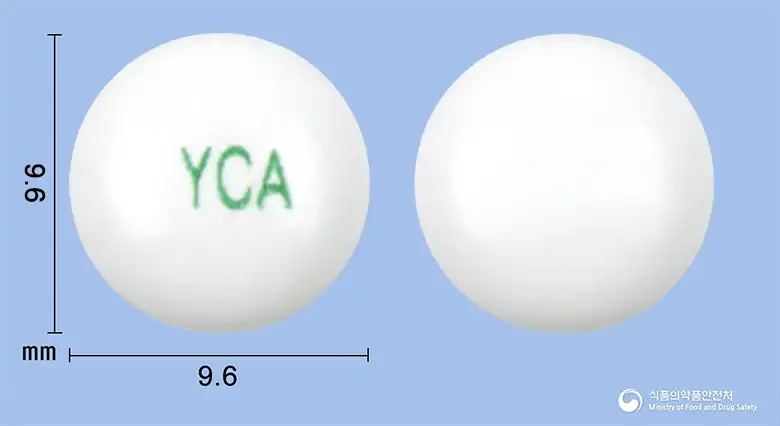
White round tablets, clinical trial use: yellow round film-coated tablets
30 tablets/bottle, 300 tablets/bottle
Even with the same ingredient, strength, dosage form and how it is taken can differ.
Even with the same ingredient, the dose and directions can differ by strength and dosage form. Talk to a doctor or pharmacist before switching from a medication you are already taking.
No questions yet.
For anything that needs medical judgment, consult a doctor or pharmacist.
This drug information is based on data provided by the Korea Ministry of Food and Drug Safety.
Consult a doctor or pharmacist for accurate dosage, administration, and usage instructions.