
 한국어
한국어 English
 日本語
日本語 中文(简体)
剤形イメージ
表示中の薬タガメット注射(シメチジン)
シメチジン 100mg
医療用医薬品
(株)ユハンヤンヘン
品目基準コード 197800134 · 届出 1978.01.28 · 保険コード 642102421
ゾルリンガー・エリソン症候群及び上部消化管出血(消化性潰瘍など)の治療
この薬はゾリンガー・エリソン症候群などの疾患のみならず、消化性潰瘍、急性ストレス潰瘍、出血性胃炎による上部消化管出血の治療に使用されます。胃酸分泌を抑制することで潰瘍の治癒を助け、再発を防ぐのに効果的です。消化管出血を減少させ、傷の回復を促進し、患者の症状改善に役立ちます。この薬は消化器疾患治療に非常に有用に使用されます。
1) 静脈注射 シメチジンとして1回200mgを4〜6時間ごとに静脈注射する。 1日2gを超えない。 2) 点滴静脈注射 この薬として1回200mgを4〜6時間ごとに2時間点滴静脈注射する。 最大注入速度は時間あたり150mgまたは2mg/体重kg/hrを超えない。 継続的に静脈注入する場合、平均注入速度は24時間あたり毎時
1日体重kgあたり20〜40mgを分割静脈注射する。 年齢、症状により適宜増減する。
この薬はガラスアンプル形態で提供されているため、アンプルを開ける際にガラスの破片が混入する可能性があるため注意が必要です。特に子供や高齢者に使用する際は更に慎重に扱う必要があります。 この薬に過敏反応があるか成分にアレルギーがある患者、及び特定の不整脈治療薬を服用中の患者には投与しないでください。 腎臓や肝臓の機能に問題がある患者、高齢者、子供、血液透析患者などは、この薬を使用する際に用量調整や投与間隔の調整が必要です。また、胃癌の症状が隠れる可能性があるため、悪性かどうかを確認した後に使用する必要があります。 この薬は血液、肝臓、腎臓に影響を及ぼす可能性があるため、疲労感、発熱、出血、黄疸、腎機能異常などの症状が現れた場合は直ちに投与を中止し、医師の診療を受ける必要があります。 アレルギー反応や皮膚発疹、ショック症状などが現れた場合も直ちに使用を中止する必要があります。また、女性化乳房、乳汁分泌増加、勃起不全などのホルモン関連の異常症状も報告されています。 この薬は消化器症状や頭痛、めまい、精神混乱、けいれんなどの神経系症状を引き起こす可能性があるため、異常症状が現れた場合は医師に相談してください。 また、心拍異常や重篤な皮膚反応が稀に報告されていますので、これらの症状に注意が必要です。 治療中は病の経過を良く観察し、血液検査や肝、腎機能検査を定期的に実施し、異常の有無を確認する必要があります。 特に高齢者や慢性疾患患者、免疫力の低い患者は肺炎などの感染症の発生リスクが高く、注意が必要です。 他の薬剤と併用する場合は薬物相互作用がある可能性があるため、服用中の薬剤がある場合は必ず医療スタッフに知らせる必要があります。 妊娠中または授乳中の女性はこの薬の安全性が確立されていないため、必要な場合のみ慎重に使用し、授乳中には授乳を中止する必要があります。 過量投与時には呼吸抑制などのリスクがあるため、直ちに医療機関に訪れ、適切な治療を受ける必要があります。 静脈注射時には急速投与を避け、ゆっくり注入することで副作用の発生リスクを減少させることができます。 子供の手の届かない場所に保管し、他の容器に移し替えないことが安全であり、保管時は品質保持に注意が必要です。
じんましん、ひどいむくみ(浮腫)、胸の圧迫感、呼吸困難、冷や汗、顔色が悪い、高熱と共にひどい発疹、水ぶくれ、皮膚の剥がれ、口/目の粘膜痛、息切れまたは呼吸困難、喘息発作、咳+発熱を伴う呼吸異常、皮膚または目が黄色く変わる(黄疸)、全身の非常にだるさ、突然で非常にひどい頭痛、閃光頭痛、発作、意識混乱、視覚異常、麻痺、尿
腹部膨満感、便秘、下痢、頭痛、めまい、四肢のしびれ、眠気、ヒポコンドリ症状、無力、疲労、発熱、全身熱感、排尿困難、筋肉痛、関節痛、膵炎、脱毛現象、女性化乳房、乳汁分泌過多、帯下増加、勃起不全、同性愛性徐脈、頻脈、動悸、房室ブロック、血小板減少、白血球減少症、顆粒球減少症、無顆粒球症、汎血球減少、再生不良性貧血、免疫溶血性貧血
すべての人に現れるわけではなく、個人によって異なる場合があります。
この薬は空気に触れないよう密封された容器に保管する必要があり、保管温度は摂氏1度から30度の間の室温を維持することが重要です。 このように保管することで薬の効果を長く保持することができます。
無色透明からやや黄褐色の液体が入っているガラスアンプルです。
2mL/アンプル x 50
同じ成分でも、含量や剤形、使い方が異なる場合があります。
シメチジン 100mg
医療用医薬品
(株)ユハンヤンヘン
シメチジン 200mg
錠剤 · 医療用医薬品
イルドン製薬株式会社

シメチジン 200mg
錠剤 · 医療用医薬品
国際薬品株式会社

シメチジン 200mg
錠剤 · 医療用医薬品
ドンファ製薬株式会社

シメチジン 200mg
錠剤 · 医療用医薬品
ブクァン製薬株式会社
シメチジン 200mg
錠剤 · 医療用医薬品
(株)バイネックス

シメチジン 300mg
錠剤 · 医療用医薬品
ブギャン製薬株式会社
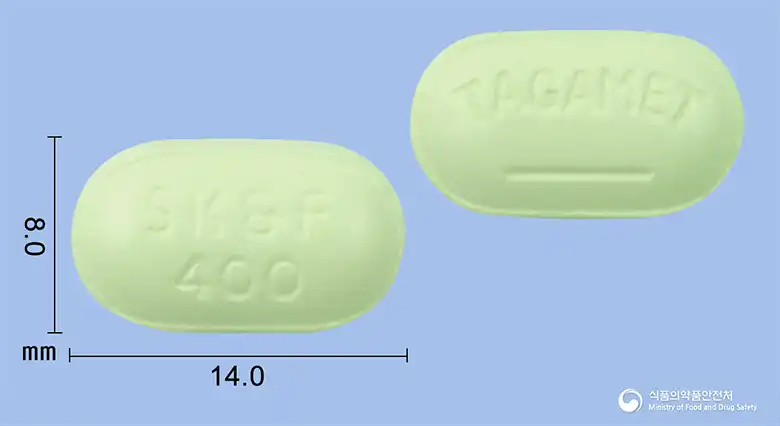
シメチジン 400mg
錠剤 · 医療用医薬品
(株)ユハン製薬
成分が同じでも、含量や剤形によって服用量や使用方法が異なる場合があります。服用中の薬を変更する前に、医師・薬剤師にご相談ください。
まだ質問はありません。
医学的な判断が必要な内容は、医師・薬剤師にご相談ください。
本医薬品情報は、韓国食品医薬品安全処が提供する医薬品情報に基づいて提供されています。
正確な用法・用量および使用方法については、医師または薬剤師にご相談ください。