
 한국어
한국어 English
 日本語
日本語 中文(简体)
 Viewing now
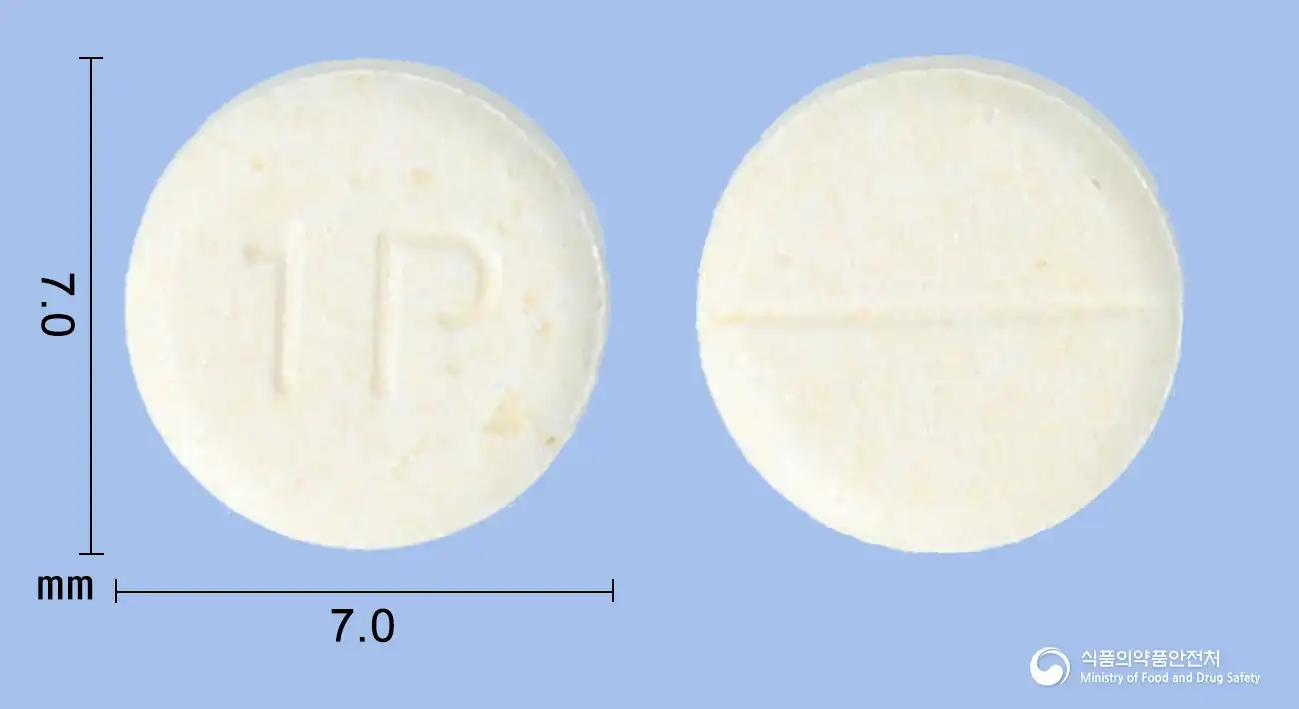
Lyrica Orally Disintegrating Tablet 50mg (Pregabalin)
Pregabalin 50mg
Orally disintegrating Tablet · Prescription medication
GL Pharma Co., Ltd.
MFDS item code 202600403 · Approved 2026.02.12
Treatment of peripheral and central neuropathic pain, adjunctive effect for partial seizures in epilepsy, improvement of fibromyalgia
This medication is used for the treatment of peripheral and central neuropathic pain in adults. Additionally, it is used as an adjunctive treatment for partial seizures in epilepsy patients with or without secondary generalization. It is also effective in alleviating symptoms in patients with fibromyalgia. This medication helps with a variety of neurological disorders and pain relief.
This medication is to be taken orally, divided into two doses per day, regardless of meals. Place on the tongue to disintegrate, then swallow without water. 1. Neuropathic Pain - Peripheral Neuropathic Pain: Starting dose may be 150 mg per day. Depending on individual response and tolerance, it may be increased to 300 mg per day within 3 to 7 days. If necessary, it can be further increased to a maximum of 600 mg per day at 7-day intervals. - Central Neuropathic Pain
Due to insufficient safety and efficacy data for children under 12 years of age and adolescents aged 12-17, usage is not recommended.
This medication may increase the risk of suicidal thoughts or behavior, so any changes in mood or unusual behavior should be reported to a healthcare professional immediately during the course of treatment. Patients with a history of allergy or hypersensitivity to any component of this medication should not use it. Diabetic patients may require adjustment of their blood sugar control medications due to weight gain. If serious allergic reactions such as angioedema occur, the medication should be stopped immediately and medical advice sought. Elderly patients should be cautious of the risk of falls due to dizziness or drowsiness, especially during the initial stages of use. Patients may experience temporary blurred vision or changes in vision; if symptoms persist, consult a healthcare professional. Sudden discontinuation of this medication can lead to withdrawal symptoms including insomnia, headache, anxiety, and others, so it should be tapered gradually in consultation with a healthcare professional. Patients with a history of drug abuse are at risk of misuse or dependency on this medication and should exercise caution. Patients with reduced kidney function may require dose adjustments of this medication. Patients with heart disease should be cautious of the risk of congestive heart failure while taking this medication. Taking this medication with opioid analgesics can enhance central nervous system depressant effects, increasing the risk of respiratory depression; caution is advised. This medication can cause dizziness and drowsiness, so caution is necessary when driving or operating dangerous machinery. In early pregnancy, there is a risk of congenital anomalies to the fetus; therefore, pregnant women are advised not to take this medication, and women of childbearing potential should use effective contraception. While breastfeeding, this medication may pass into breast milk and affect an infant, so consideration should be given to stopping breastfeeding or the medication. In the case of overdose, symptoms such as confusion, drowsiness, depression, and seizures may occur, and immediate medical treatment should be sought. Keep out of reach of children, and do not transfer to another container to maintain the quality of the medication. During treatment with this medication, serious adverse reactions such as skin rash, fever, and breathing difficulties may occur; if these symptoms arise, the medication should be stopped immediately and medical advice sought.
Hives, severe swelling (edema), angioedema, facial swelling, swelling around the face, mouth, and upper airway, chest tightness, difficulty breathing, cold sweat, paleness, severe rash with high fever, blisters, skin peeling, pain in oral/ocular mucosa, Stevens-Johnson syndrome, toxic epidermal necrolysis, mucous membrane syndrome, anaphylaxis-like symptoms, shortness of breath or difficulty breathing, asthma attacks, respiratory issues accompanied by cough and fever, lung problems.
Not everyone experiences these, and they can vary from person to person.
This medication should be stored in a tightly sealed container to protect it from air and moisture. It is important to maintain a storage temperature between 1 to 30 degrees Celsius. Proper storage will help to preserve the effectiveness of the medication for a longer period.
Yellow round orally disintegrating tablet
30 tablets/PTP [10 tablets/PTP x 3], 100 tablets/PTP [10 tablets/PTP x 10]
Even with the same ingredient, strength, dosage form and how it is taken can differ.
Viewing nowPregabalin 50mg
Orally disintegrating Tablet · Prescription medication
GL Pharma Co., Ltd.
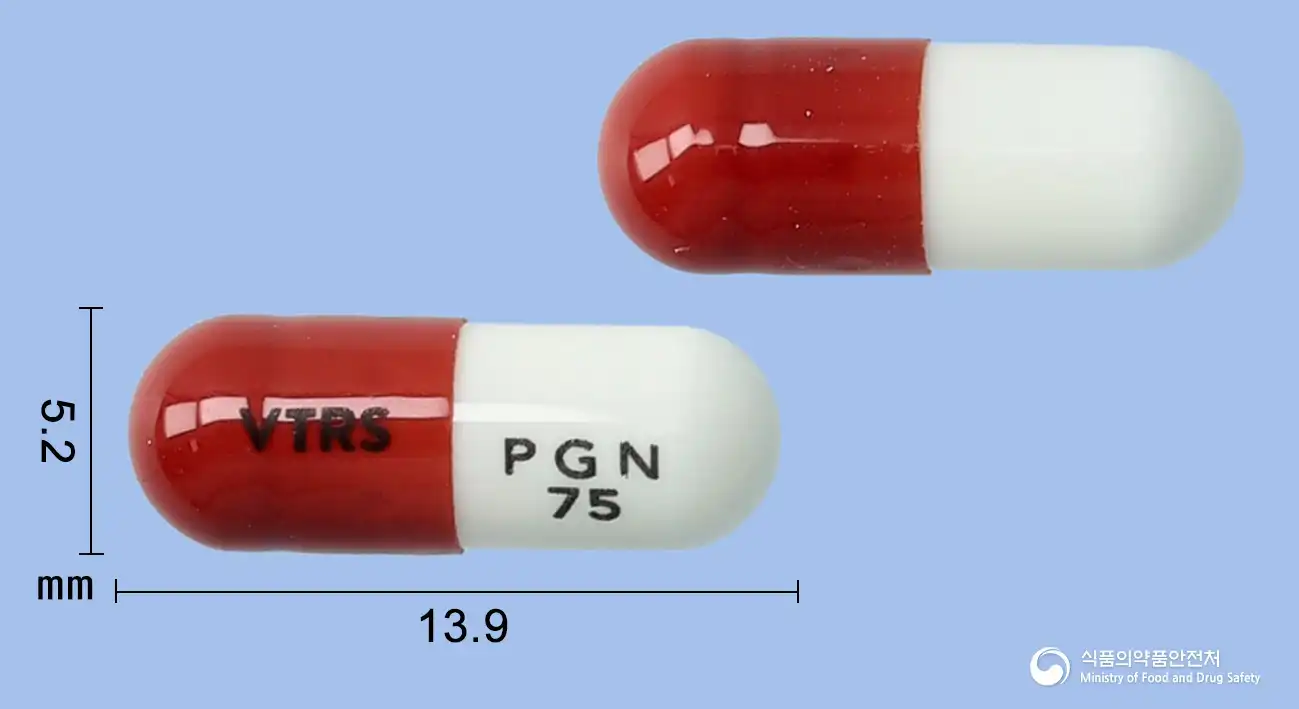
Pregabalin 75mg
Hard capsule · Prescription medication
Viatris Korea Co., Ltd.
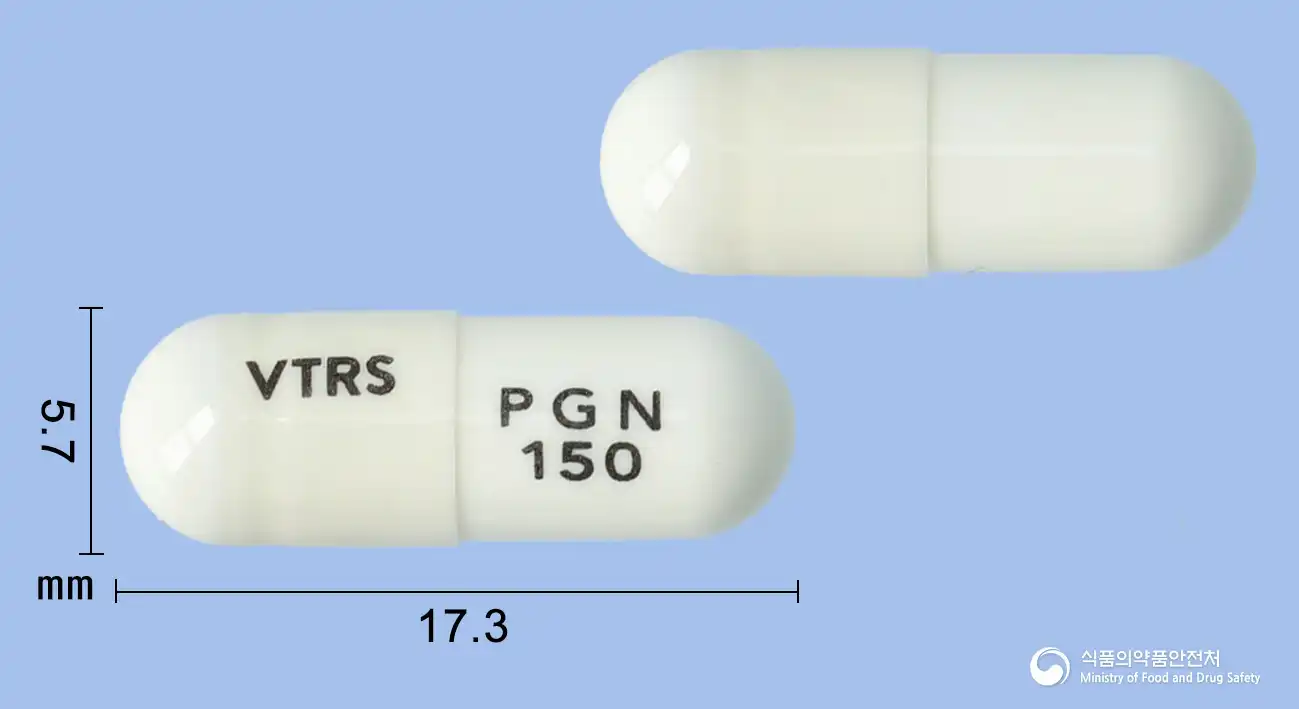
Pregabalin 150mg
Hard capsule · Prescription medication
Viatris Korea Co., Ltd.
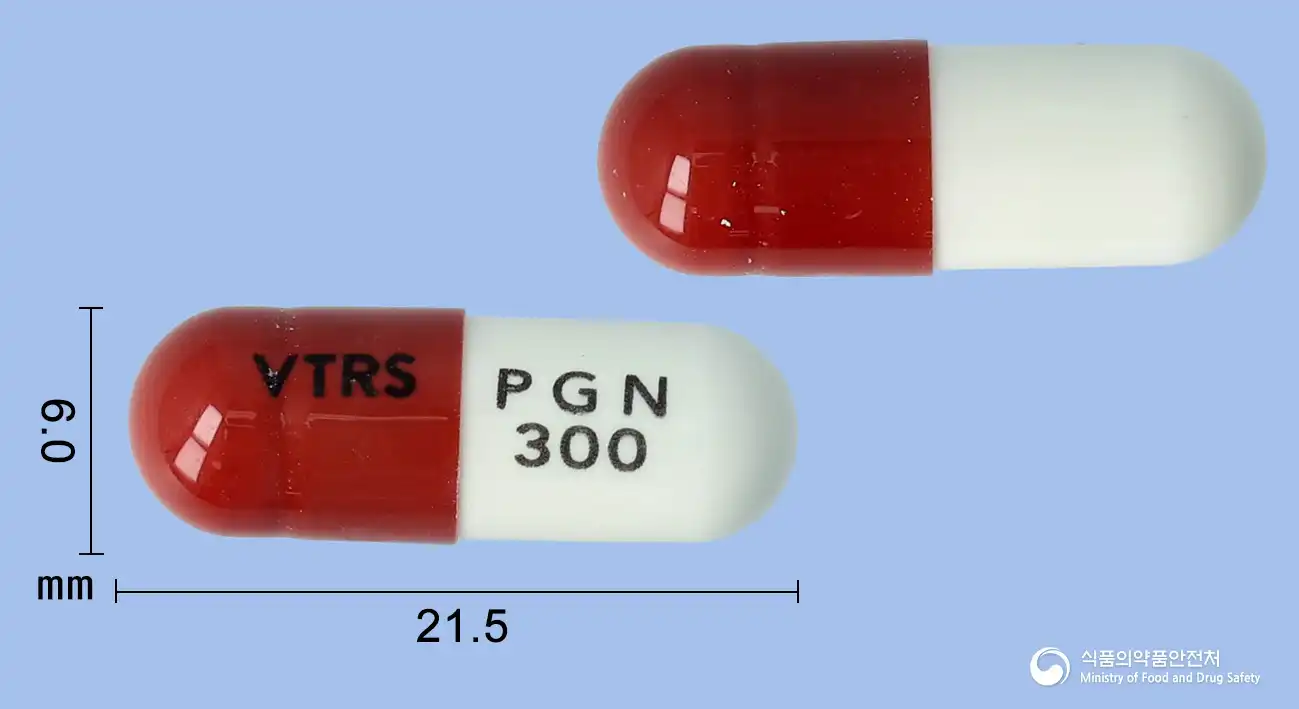
Pregabalin 300mg
Hard capsule · Prescription medication
Viatris Korea Co., Ltd.
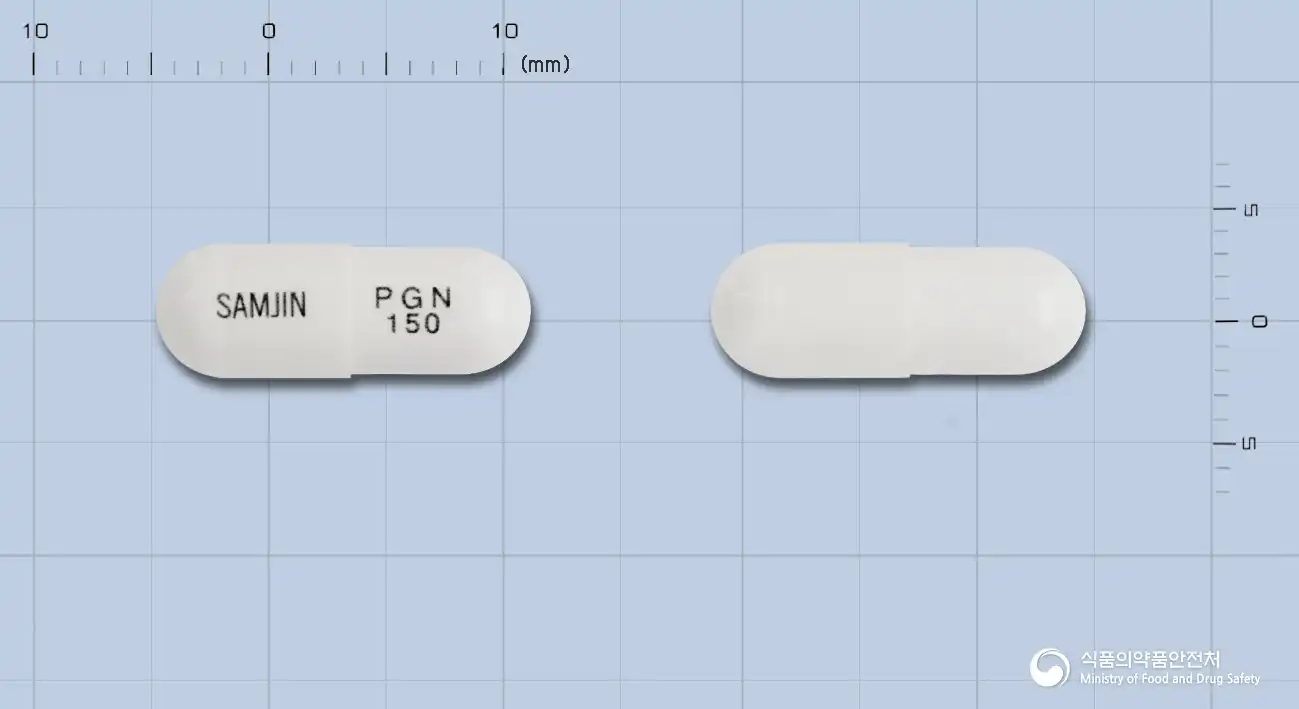
Pregabalin 150mg
Hard capsule · Prescription medication
Samjin Pharmaceutical Co., Ltd.
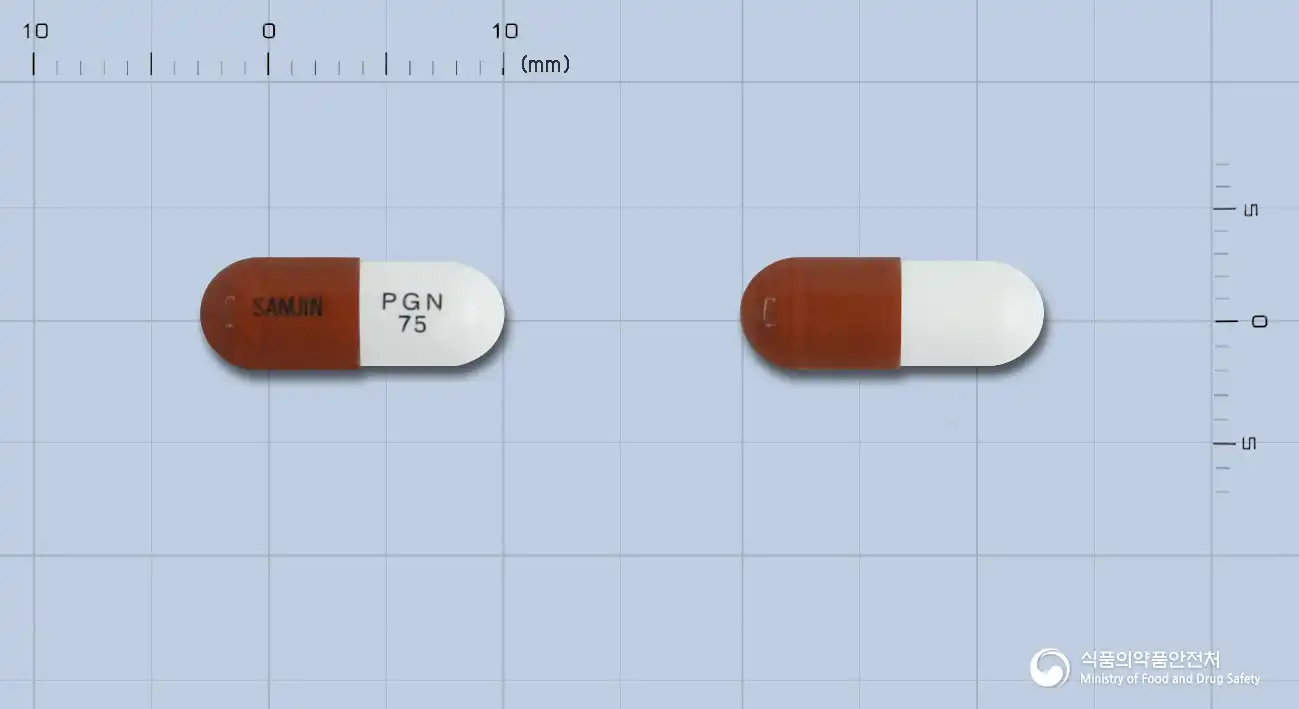
Pregabalin 75mg
Hard capsule · Prescription medication
Samjin Pharmaceutical Co., Ltd.
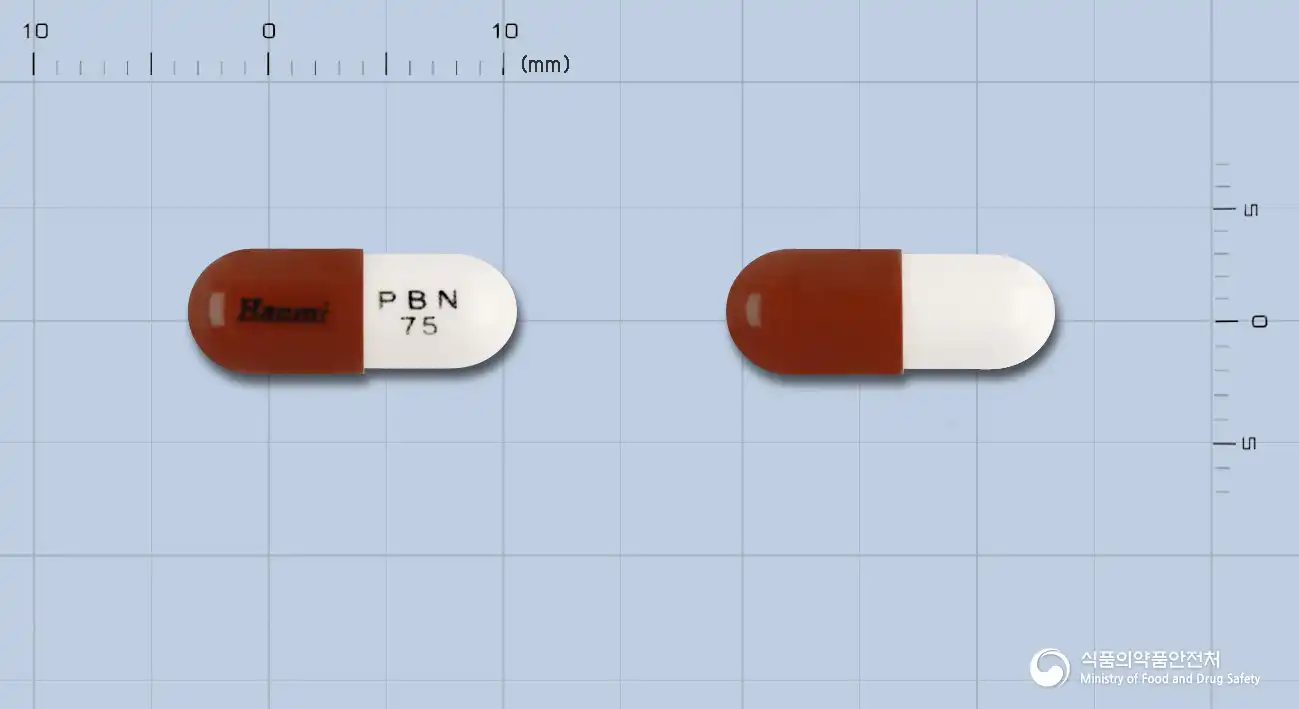
Pregabalin 75mg
Hard capsule · Prescription medication
Hanmi Pharm. Co., Ltd.
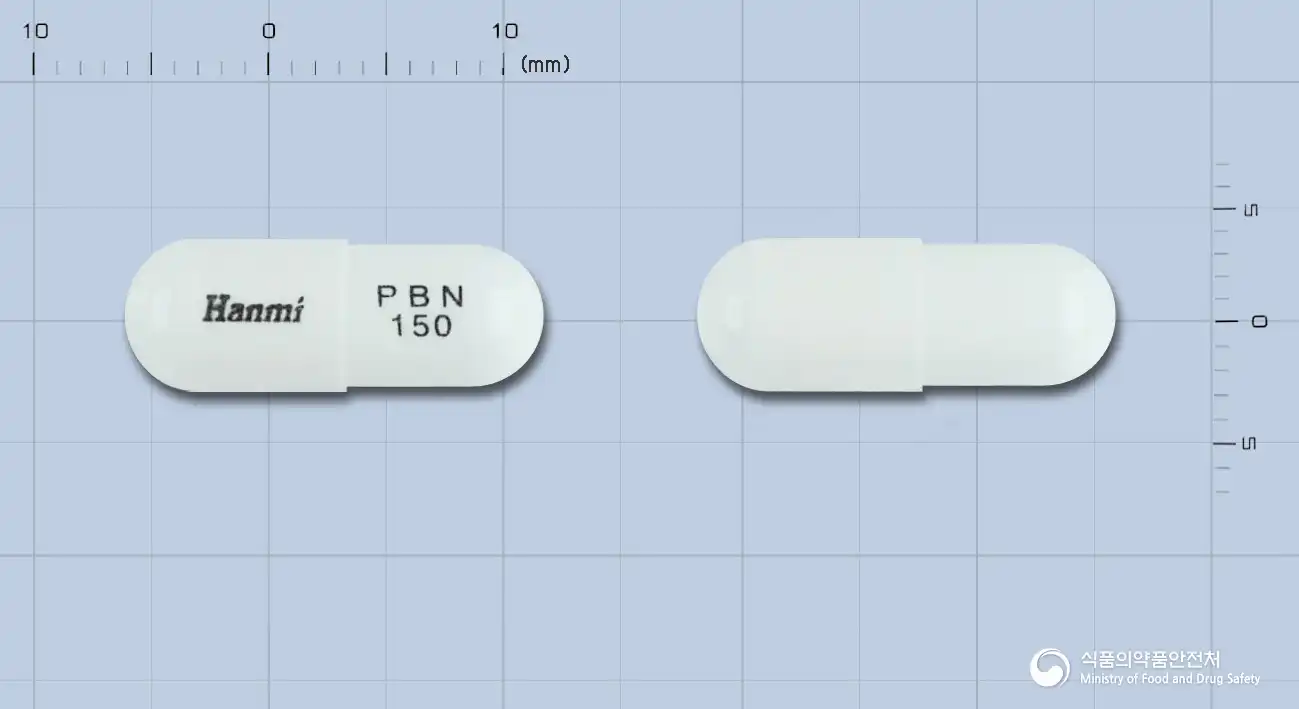
Pregabalin 150mg
Hard capsule · Prescription medication
Hanmi Pharmaceutical Co., Ltd.
Even with the same ingredient, the dose and directions can differ by strength and dosage form. Talk to a doctor or pharmacist before switching from a medication you are already taking.
No questions yet.
For anything that needs medical judgment, consult a doctor or pharmacist.
This drug information is based on data provided by the Korea Ministry of Food and Drug Safety.
Consult a doctor or pharmacist for accurate dosage, administration, and usage instructions.