
 한국어
 English
 日本語
 中文(简体)
Dosage form image
Viewing nowCambia Suspension for Inhalation (Budesonide)
Budesonide Micronized 0.5mg
Suspension · Prescription medication
Ahn-Gook Pharmaceutical Co., Ltd.
MFDS item code 202600155 · Approved 2026.01.16
Treatment of bronchial asthma and acute laryngotracheobronchitis (croup) in young children
This medication is used for bronchial asthma, especially in cases where steroid treatment is ineffective or not suitable. It is also effective in treating acute laryngotracheobronchitis, commonly known as croup, in infants and children. It helps to relieve airway inflammation and constriction caused by respiratory diseases, making breathing easier. Therefore, it aids in alleviating asthma symptoms and treating croup.
This medication should be administered using a suitable nebulizer. The dose delivered to the patient is approximately 40~60% of the labeled dose, depending on the nebulizer used. Nebulization time and dose vary according to the flow rate, nebulizer chamber, and fill volume. A fill volume of 2~4 milliliters is suitable for most nebulizers. Bronchial asthma When starting inhalation therapy, during treatment of severe asthma, or when reducing or discontinuing oral corticosteroids: Adults; administer 1~2 milligrams (2~4 vials) twice daily Maintenance dose: Adults; administer 0.5~1 milligrams (1~2 vials) twice daily
Bronchial asthma, when starting inhalation therapy, during treatment of severe asthma, or when reducing or discontinuing oral corticosteroids: Children; administer 0.5~1 milligrams (1~2 vials) twice daily Bronchial asthma, maintenance dose: Children; administer 0.25~0.5 milligrams (½ vial~1 vial) twice daily Acute laryngotracheobronchitis, infants and young children: Administer 2mg once daily.
This medication contains budesonide, an inhaled steroid mainly used for the treatment of asthma or chronic pulmonary disease. First, this medication should not be used in patients with allergies to budesonide or other excipients. Special caution is needed when using this medication in patients with pulmonary tuberculosis or fungal or viral infections. If patients who are dependent on oral steroids switch to this medication, it is important to use it together with oral steroids initially, as the body's hormonal regulation may recover slowly. While using this medication, side effects like throat irritation, oral inflammation, dry mouth, cough, and hoarseness may occur; especially, fungal infections like oral candidiasis may develop, so it is recommended to rinse the mouth thoroughly after inhalation. Rarely, side effects such as headache, dysgeusia, skin rash, and bronchospasm may also occur. To prevent bronchospasm before using this medication, inhaling a beta2 agonist may be helpful. When using the inhaler on the face, skin irritation may occur, so the face should be washed clean afterward. This medication is not suitable for rapid relief of acute asthma attacks, and it is advisable not to use it alone when severe symptoms are present. Particular caution is required when changing from oral steroids to this medication, as it will take time for the body's hormonal function to fully recover. If asthma worsens or bacterial infection is suspected, consideration should be given to using antibiotics or adjusting the drug dosage. Do not abruptly stop this medication; adjustments should be made in consultation with a doctor or pharmacist. Especially, serious problems may arise if infection with varicella or measles occurs during the use of this medication, so vaccination status and past medical history should be verified, and precautions against infection should be taken. Prolonged high-dose use may lead to systemic side effects such as adrenal insufficiency or vision impairment, so regular testing is required. During pregnancy, this medication does not pose a significant risk to the fetus; however, it must be used under a doctor's guidance and can be used during breastfeeding if the therapeutic benefits outweigh the risks. In children, it may affect growth, so the minimum effective dose should be used and growth status regularly monitored. Acute overdose symptoms are rare, but there is a risk of long-term adrenal function suppression, so caution is needed. Finally, this medication should only be used for inhalation and should not be swallowed or injected. If sediment forms during storage, it should be discarded if it cannot be reconstituted after shaking, and it is best to use it within 3 months of opening.
Not everyone experiences these, and they can vary from person to person.
This medication may be sensitive to light, so it should be stored sealed in the provided foil pouch. It is best to maintain a storage temperature between 1 degree and 30 degrees Celsius.
A uniform white to off-white suspension for mucosal spraying filled in a single-use plastic bottle
2 milliliters per bottle [(2mL x 5 bottles) x 6/ case]
Even with the same ingredient, strength, dosage form and how it is taken can differ.
Budesonide Micronized 0.5mg
Suspension · Prescription medication
Ahn-Gook Pharmaceutical Co., Ltd.
Budesonide Micronized 0.5mg
Suspension · Prescription medication
Geonil Pharmaceutical Co., Ltd.
Budesonide Micronized
Prescription medication
Daehan Pharmaceutical Co., Ltd.
Budesonide Micronized 0.5mg
Suspension · Prescription medication
Gunil Biopharm Co., Ltd.
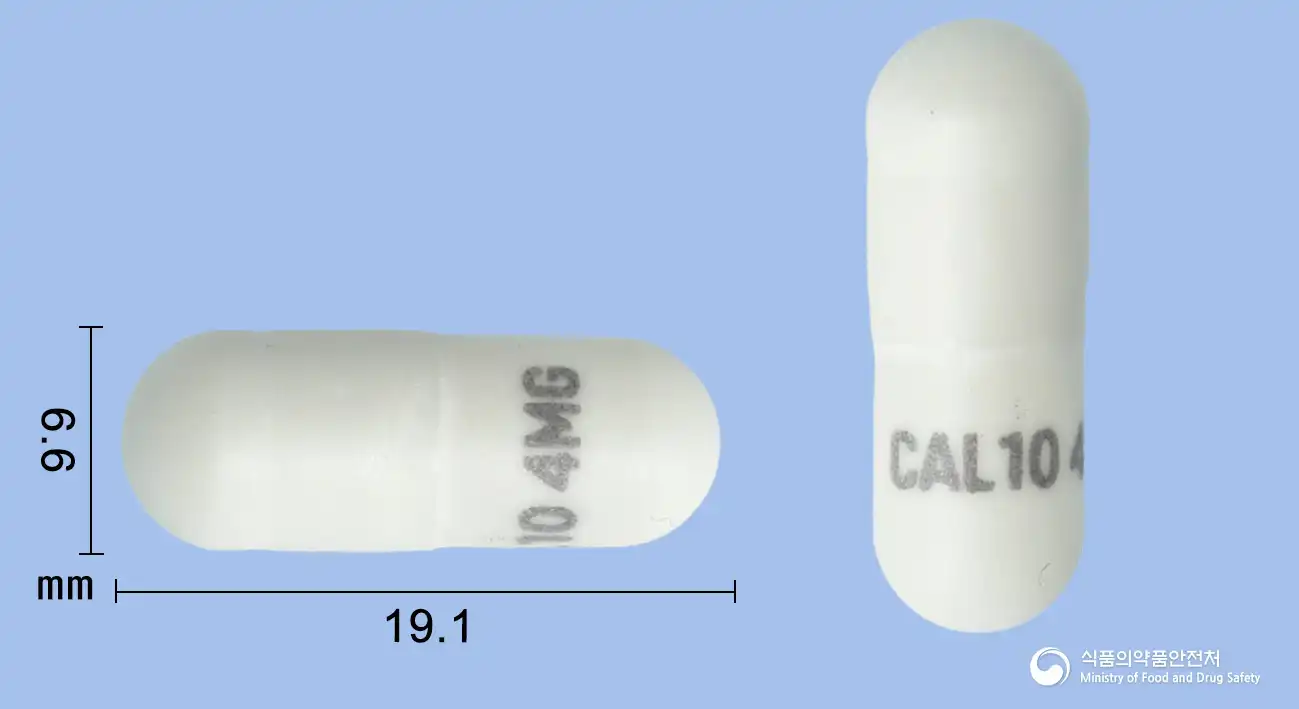
Budesonide Micronized 4mg
Hard capsule · Prescription medication
Everest Medicine Korea Co., Ltd.
Budesonide Micronized 0.5mg
Suspension · Prescription medication
Penmix Co., Ltd.
Budesonide Micronized 0.5mg
Suspension · Prescription medication
Youngjin Pharmaceutical Co., Ltd.
Budesonide Micronized 0.5mg
Suspension · Prescription medication
Daehyu Pharmaceutical Co., Ltd.
Even with the same ingredient, the dose and directions can differ by strength and dosage form. Talk to a doctor or pharmacist before switching from a medication you are already taking.
No questions yet.
For anything that needs medical judgment, consult a doctor or pharmacist.
This drug information is based on data provided by the Korea Ministry of Food and Drug Safety.
Consult a doctor or pharmacist for accurate dosage, administration, and usage instructions.