
 한국어
 English
 日本語
 中文(简体)
Dosage form image
Viewing nowBonokan Tablet 20 mg (Bonooprazan Tosylate)
Vonoprazan Tosylate 29.97mg
Tablet · Prescription medication
Kyeongbo Pharmaceutical Co., Ltd.
MFDS item code 202600067 · Approved 2026.01.09
Treatment and maintenance of erosive reflux disease, treatment of gastric ulcers, and prevention of NSAID-induced ulcer recurrence
This medication is used for the treatment of gastric ulcers and erosive gastroesophageal reflux disease. It is also effective for maintenance therapy following treatment of erosive gastroesophageal reflux disease. Additionally, it helps prevent the recurrence of gastric and duodenal ulcers that may occur with the use of non-steroidal anti-inflammatory drugs (NSAIDs). This drug alleviates symptoms and prevents recurrence while protecting the gastric and esophageal mucosa. Therefore, it is widely used for the treatment and prevention of gastric-related disorders.
○ Treatment of gastric ulcer Adults: Administer vonoprazan 20mg orally once daily. Treatment is usually given for up to 8 weeks. ○ Treatment of erosive gastroesophageal reflux disease and maintenance therapy after treatment Treatment: Adults: Administer vonoprazan 20 mg orally once daily. Treatment is usually given for up to 4 weeks. If the effect is insufficient, treatment may be continued for up to 8 weeks. Maintenance therapy: Administer 10 mg orally once daily. If the effect is insufficient, 20 mg may be administered orally once daily. ○ Prevention of recurrence of gastric or duodenal ulcers during administration of nonsteroidal anti-inflammatory drugs (NSAIDs) Adults: Administer vonoprazan 10mg orally once daily.
This drug should not be used in patients who have had allergic reactions to this medication or any of its components. Especially, patients taking medications containing atazanavir, nelfinavir, or rilpivirine should not take this drug concurrently. Patients with kidney dysfunction should use this drug with caution, as its elimination may be delayed and blood concentration may rise. Patients with impaired liver function may also experience delayed metabolism and elimination of this medication, requiring careful administration. Elderly patients should be more cautious when taking this drug as liver and kidney functions may be weakened. Various side effects may arise in the gastrointestinal system during treatment with this medication, including abdominal pain, constipation, diarrhea, nausea, and vomiting. Additionally, symptoms such as immune system reactions or infections, musculoskeletal pain, dizziness in the nervous system, and skin rashes may also occur. Liver function abnormalities may develop; therefore, if there are abnormal liver function test results or symptoms of liver damage, the medication should be discontinued immediately. It is important to regularly check gastric status through endoscopy if this medication is taken long-term. While this medication is used to prevent recurrence of gastric ulcers or gastroesophagitis, it should not be administered unnecessarily; the dosage may be reduced or temporarily discontinued once symptoms improve. Patients taking NSAIDs for a long period should confirm any history of gastric ulcers before taking this medication. Moreover, this medication may mask symptoms of gastric cancer; hence, patients with a possibility of gastric cancer should be thoroughly evaluated before use. Long-term high-dose use may weaken bones, increasing the risk of fractures in areas such as the hip, wrist, and spine, necessitating caution. This drug suppresses gastric acid, increasing the pH within the stomach, which may affect the absorption of certain medications. In particular, taking this drug with medications like atazanavir, nelfinavir, or rilpivirine may reduce their effectiveness, thus concurrent use is not recommended. This drug may also interact with various medications metabolized in the liver; therefore, if other medications are being taken, it is essential to consult a doctor or pharmacist. Women who are pregnant or may become pregnant should avoid this medication unless in special circumstances. Breastfeeding women should avoid breastfeeding during treatment, as this drug may transfer into breast milk. The safety of this medication in children has not been sufficiently established, making it advisable not to use it in pediatric patients. All patients taking this medication should consult healthcare professionals immediately if any unusual symptoms arise, especially if allergic reactions or serious side effects are suspected.
Not everyone experiences these, and they can vary from person to person.
This medication is sensitive to light; therefore, it should be stored in a container that blocks light, ideally at room temperature between 1°C and 30°C. Storing it this way helps maintain the drug's efficacy over time.
Pale pink oval film-coated tablet
30 tablets/bottle, 100 tablets/bottle
Even with the same ingredient, strength, dosage form and how it is taken can differ.
Vonoprazan Tosylate 29.97mg
Tablet · Prescription medication
Kyeongbo Pharmaceutical Co., Ltd.
Vonoprazan Tosylate 14.985mg
Tablet · Prescription medication
Kyungbo Pharmaceutical Co., Ltd.
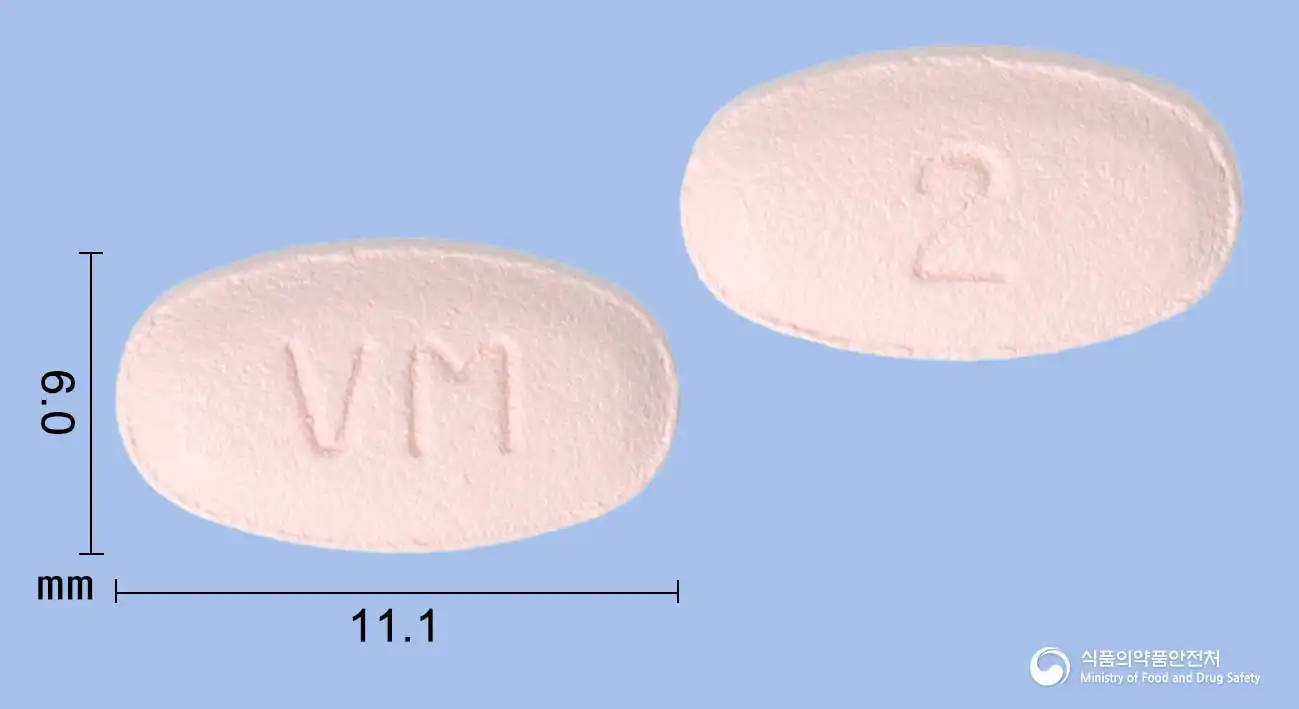
Vonoprazan Tosylate 29.97mg
Tablet · Prescription medication
Mothers Pharmaceutical Co., Ltd.
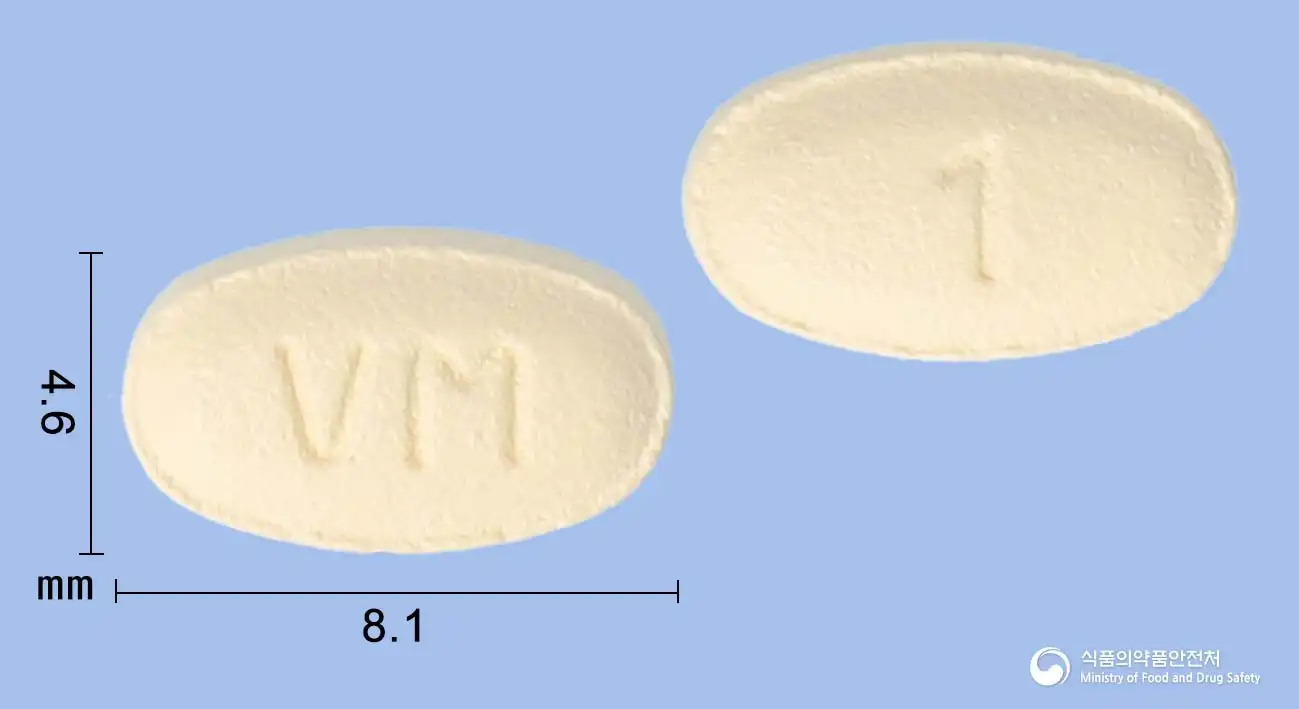
Vonoprazan Tosylate 14.985mg
Tablet · Prescription medication
Mothers Pharmaceutical Co., Ltd.
Even with the same ingredient, the dose and directions can differ by strength and dosage form. Talk to a doctor or pharmacist before switching from a medication you are already taking.
No questions yet.
For anything that needs medical judgment, consult a doctor or pharmacist.
This drug information is based on data provided by the Korea Ministry of Food and Drug Safety.
Consult a doctor or pharmacist for accurate dosage, administration, and usage instructions.