
 한국어
한국어 English
 日本語
日本語 中文(简体)
 Viewing now
Monarack 5 mg (Minoxidil)
Minoxidil 5mg
Tablet · Prescription medication
Korea Prime Pharmaceutical Co., Ltd.
MFDS item code 202503416 · Approved 2025.12.31
Treatment of hypertension (secondary, resistant)
This medication is used to treat hypertension caused by secondary factors or target organ damage. It is also effective for resistant hypertension that does not respond to diuretics and two types of antihypertensives. In other words, it helps manage complex or hard-to-treat hypertension. Because of this characteristic, it contributes to improved blood pressure control, thereby reducing the risk of cardiovascular diseases. As such, it is widely used in the treatment of hypertension.
Adults (12 years and older): The initial dose as minoxidil is 5 mg taken orally once daily, and the maintenance dose ranges from 10 mg to 40 mg divided into 1-2 administrations per day. The maximum daily dose is up to 100 mg. The frequency of administration is adjusted according to the fluctuations in arterial blood pressure throughout the day, administered once daily if the decrease in preload pressure is less than 30 mmHg, and if it's 30 mmHg or more, it's divided into two doses per day. The dosage is based on the patient's condition.
Children (under 12 years): The initial dose is 0.2 mg per kg of body weight once daily, and it may be increased by 50-100% until blood pressure is optimally adjusted. For maintenance, the dose is 0.25 mg-1 mg per kg of body weight daily.
This medication should not be used in certain patients. For example, patients with pheochromocytoma may be at risk due to increases in catecholamine, which can result from the antihypertensive effects of the drug. Additionally, it should not be administered to patients with pulmonary hypertension due to mitral stenosis, those who have had an acute myocardial infarction, or patients who have had previous allergic reactions to this medication. There are also patients who need to be cautious when using this drug, including those with chronic congestive heart failure, severe renal failure, angina, and those with hypersensitivity or allergic history to Yellow No. 4 (Tartrazine) contained in this drug. Possible side effects when using this drug include hirsutism, which can begin within 3 to 6 weeks after administration and usually appears on the face and body. Discontinuation of the drug will stop new hair growth, but it may take 1 to 6 months to return to the original state. Special attention should be given to children and women regarding this side effect. Other allergic symptoms reported include skin rashes, vesicles, and skin and mucosal syndrome. Blood tests may show decreased platelet or white blood cell counts, as well as changes in liver function test results. Changes in the electrocardiogram T-wave are often observed; however, these typically do not cause significant clinical problems and recover upon discontinuation of the drug. Pericardial effusion may rarely occur, especially in patients with poor renal function. In such cases, monitoring through echocardiography is necessary and additional treatment should be considered if needed. Other possible side effects include weight gain, peripheral vascular edema, increased heart rate, gastrointestinal disorders, breast pain, gynecomastia, anemia, headache, nausea, and vomiting. Generally, this drug is often used in conjunction with diuretics to prevent fluid retention and deterioration of heart failure. Weight and electrolyte status should be monitored regularly, and appropriate actions should be taken if abnormal symptoms arise. Moreover, because this medication dilates blood vessels and may reflexively increase heart rate, beta-blockers are sometimes co-administered to prevent this phenomenon. In patients with decreased renal function or those on dialysis, dosages of the drug should be adjusted, and it should only be used once the patient has stabilized after a myocardial infarction. During the initial treatment phase, regular evaluations such as urine tests, renal function tests, electrocardiograms, chest X-rays, and echocardiograms should be conducted to ensure safety. Caution is also necessary for interactions with other drugs. For example, concomitant use with guanethidine can result in severe hypotension, so guanethidine should be discontinued or this drug should only be started while the patient is hospitalized. Antidepressants or antipsychotics may also increase the risk of hypotension, and using corticosteroids or nonsteroidal anti-inflammatory drugs may lead to increased fluid retention, so caution is warranted. As the safety of this medication during pregnancy has not been established, it should be avoided, and during breastfeeding, it should be avoided if possible. If unavoidable, breastfeeding should be ceased. There is limited experience with the use of this drug in children, especially infants, so caution is advised. In case of overdose, severe hypotension may occur, requiring immediate medical treatment, including treatment for blood pressure maintenance and renal function protection. Sympathomimetics should be avoided as they may cause excessive heart stimulation.
Exudative rash, vesicular lesions, and mucocutaneous syndrome (Stevens-Johnson syndrome), pericardial effusion and thrombosis
Hirsutism, exudative rash, vesicular lesions, thrombocytopenia, leukopenia, decreased hematocrit, decreased hemoglobin, erythrocytopenia, increased ALP, changes in the direction and amplitude of the T-wave on the electrocardiogram, pericardial effusion, weight gain, peripheral vascular edema, increased heart rate, elevated creatinine, increased BUN, gastrointestinal disturbances, rashes, breast pain, gynecomastia, hemolytic anemia, lung infiltration, antinuclear antibodies, headache, intermittent claudication, frequent menstruation, nausea
Not everyone experiences these, and they can vary from person to person.
This medication should be stored in a tightly sealed container to protect it from air and moisture, at a temperature between 1°C and 30°C (room temperature). Storing it this way helps to maintain the effectiveness of the medication.
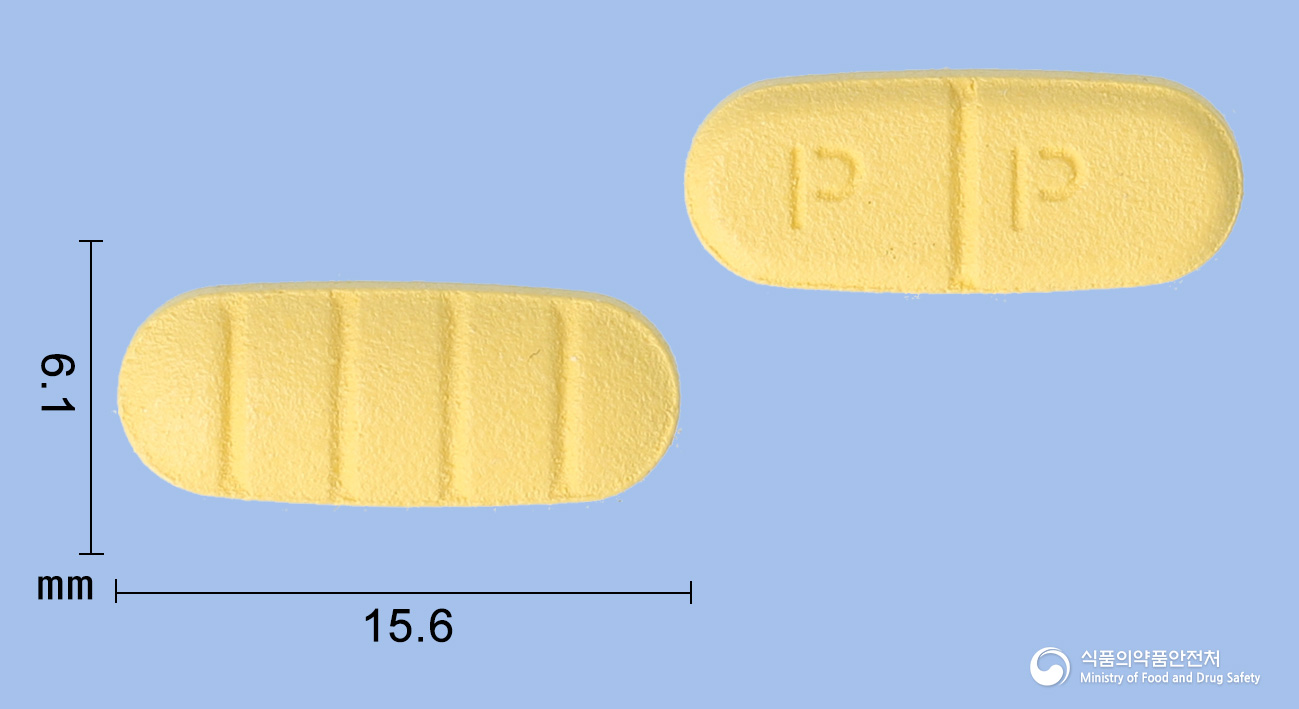
Yellow oval film-coated tablet
30 tablets/bottle, 300 tablets/bottle
Even with the same ingredient, strength, dosage form and how it is taken can differ.
Viewing nowMinoxidil 5mg
Tablet · Prescription medication
Korea Prime Pharmaceutical Co., Ltd.
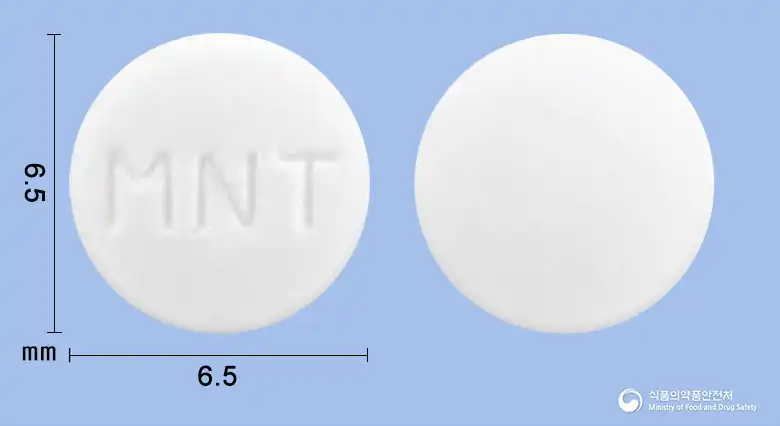
Minoxidil 5mg
Tablet · Prescription medication
Hyundai Pharmaceutical Co., Ltd.
Minoxidil 3g
OTC medication
Hyundai Pharmaceutical Co., Ltd.
Minoxidil 5g
OTC medication
Hyundai Pharmaceutical Co., Ltd.
Minoxidil 5g
OTC medication
Hanmi Pharmaceutical Co., Ltd.
Minoxidil 5g
Solution · OTC medication
JW Pharmaceutical Corp.
Minoxidil 3g
Solution · OTC medication
Haitai HTB Co., Ltd.
Minoxidil 5g
Solution · OTC medication
Ilhwa Co., Ltd.
Even with the same ingredient, the dose and directions can differ by strength and dosage form. Talk to a doctor or pharmacist before switching from a medication you are already taking.
No questions yet.
For anything that needs medical judgment, consult a doctor or pharmacist.
This drug information is based on data provided by the Korea Ministry of Food and Drug Safety.
Consult a doctor or pharmacist for accurate dosage, administration, and usage instructions.