
 한국어
 English
 日本語
 中文(简体)
 Viewing nowCombination
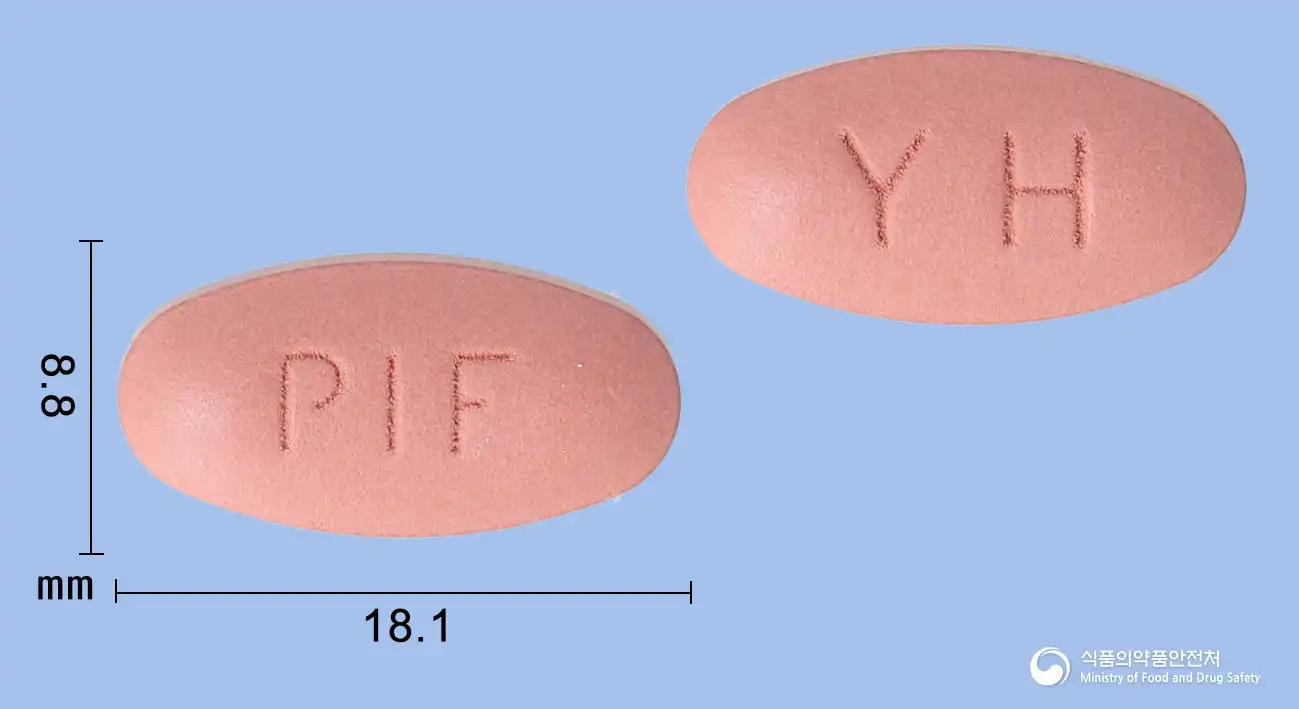
Yuhan Pitavastatin Tablets 2/145mg (Pitavastatin Calcium, Fenofibrate)
Fenofibrate 145mg · Pitavastatin Calcium 2mg
Tablet · Prescription medication · Combination
Yuhan Corporation
MFDS item code 202503295 · Approved 2025.12.17
Treatment of mixed dyslipidemia in adults at high risk for coronary heart disease
Pitavastatin 2mg monotherapy effectively controls LDL cholesterol levels in adult patients at high risk of coronary artery disease. However, this treatment may not completely resolve all issues associated with mixed dyslipidemia characterized by high triglycerides and low HDL cholesterol levels. Therefore, additional treatment and lifestyle improvements may be necessary depending on the individual patient's condition. This medication primarily helps reduce LDL cholesterol and lowers cardiovascular disease risk. It is important to consult with a specialist to develop an appropriate treatment plan for overall management of dyslipidemia. Pitavastatin is used to treat hyperlipidemia.
Creatine kinase (CK) levels should be measured before initiating treatment with this medicine. The baseline level may be used as a reference to determine whether CK levels have increased during treatment. Do not measure CK after strenuous exercise or when other potential factors that may increase CK are present, as the results may be difficult to interpret. If CK is significantly elevated to more than 5 times the upper limit of normal at baseline, repeat the measurement after 5~7 days to confirm the result. If CK remains significantly elevated to more than 5 times the upper limit of normal at baseline after 5~7 days, treatment with this medicine should not be initiated. Regular monitoring of CK levels every 3 months during the first 12 months of treatment is recommended, followed by periodic monitoring. Patients starting treatment with this medicine or increasing the statin dose should be informed of the risk of myopathy. Advise patients to consult a physician immediately if they experience unexplained muscle pain, tenderness, weakness, or cramps during treatment with this medicine. CK levels should also be measured in these cases, and if CK is markedly elevated (more than 5 times the upper limit of normal), treatment with this medicine should be discontinued. Discontinuation should be decided based on the severity of muscle symptoms and whether they cause impairment in daily activities, regardless of CK levels. Re-administration of this medicine is not recommended in patients suspected of having hereditary muscle disease. Transaminase levels (AST, ALT) should be monitored before initiating treatment with this medicine, every 3 months during the first 12 months of treatment, and periodically thereafter. Patients with elevated transaminase levels should be monitored carefully, and treatment with this medicine should be discontinued if AST or SGOT, or ALT or SGPT, increases to more than 3 times the upper limit of normal. It is recommended that creatinine clearance be measured every 3 months during the first 12 months of treatment with this medicine and systematically evaluated, followed by periodic monitoring. Treatment with this medicine should be discontinued if the creatinine level exceeds 50% above the upper limit of normal. Secondary causes of hyperlipidemia, such as uncontrolled type 2 diabetes, hypothyroidism, nephrotic syndrome, dysproteinemia, obstructive liver disease, and alcoholism, should be appropriately treated before initiating treatment with this medicine. Patients should follow a standard cholesterol-lowering diet before starting treatment and continue it during treatment. Take 1 tablet once daily as the recommended dose, with or without food. Serum lipid levels (total cholesterol (TC), LDL-C, and triglycerides (TG)) should be monitored in response to treatment. As bioequivalence has not been established for this medicine compared with concomitant administration of the existing individual products, do not switch patients receiving pitavastatin and fenofibrate concomitantly to this medicine. Patients with renal impairment: Do not administer this medicine to patients with moderate to severe renal impairment whose estimated glomerular filtration rate is less than 60mL/min/1.73m2.
This medication is primarily used to lower blood lipid levels. Risks of muscle abnormalities may arise from taking this medicine; therefore, if symptoms such as muscle pain, muscle weakness, or cramps occur, consult a physician immediately. Particular caution is warranted for elderly patients over 65, women, patients with impaired kidney function, patients with uncontrolled hypothyroidism, and those with a history of muscle diseases. When taken with other lipid-lowering agents or specific medications, the risk of muscle toxicity may increase, so it is crucial to consult with healthcare professionals. Additionally, this medication can affect liver function, hence it is important to have regular liver function tests before and during the administration. If symptoms of hepatitis (such as jaundice, itching, etc.) appear, stop taking the medication immediately and inform healthcare professionals. Patients with severely impaired kidney function, gallbladder disease, pancreatitis, pregnant or possibly pregnant women, nursing mothers, and children under 18 should not use this drug. It can rarely cause serious skin reactions or allergic reactions, so if symptoms like rash, itching, hives, or difficulty breathing occur, seek immediate medical attention. Periodic blood lipid concentration tests should be conducted during treatment to verify therapeutic effectiveness, and if ineffective, the medication may need to be discontinued. If surgery is planned, this medication should be discontinued several days prior to the surgery. This drug may sometimes cause dizziness, so caution should be exercised when driving or operating machinery. There is no specific antidote in case of overdose; if suspected, seek appropriate medical treatment immediately.
Pharyngitis, upper respiratory infection, increased ALT, increased AST, increased GGT, abnormal liver function tests, gastroesophageal reflux disease, nausea, headache, dizziness, increased CPK, hypertension, chronic gastritis, erosive gastritis, decreased hemoglobin, decreased white blood cell count, decreased platelet count, decreased granulocytes, decreased leukocytes, increased eosinophils, increased leukocytes, elevated globulin, positive Coombs test, hypersensitivity, fatigue, stiffness, drowsiness, insomnia, heaviness, paralysis, thromboembolism, interstitial lung disease, gastrointestinal symptoms (abdominal pain, nausea, vomiting, diarrhea, bloating), pancreatitis, thirst, dyspepsia, abdominal bloating, constipation, stomatitis, loss of appetite, glossitis, nausea, gastric discomfort, increased transaminases, cholelithiasis, jaundice, complications of cholelithiasis, elevated bilirubin, increased cholinesterase, increased AST, increased ALT, elevated γ-GT, increased ALP, increased LDH, decreased aldosterone, increased aldosterone, increased adrenocorticotropic hormone, increased cortisol, decreased testosterone, severe skin reactions, skin hypersensitivity, rash, itching, urticaria, alopecia, photosensitivity, muscle disorders, myalgia, myositis, muscle cramps, muscle weakness, rhabdomyolysis, myopathy, elevated myoglobin, malaise, increased CPK, increased frequency of urination, increased BUN, elevated serum creatinine, sexual dysfunction, increased homocysteine levels, increased hematuria, palpitations, skin pain, burning sensation, arthralgia, edema, blurred vision, photophobia, hearing loss, urinary hematuria, elevated uric acid levels, elevated serum potassium and phosphorus, taste disturbance, dark urine, lethargy, positive antinuclear antibody, alopecia, angioedema, urticaria, erythema
Not everyone experiences these, and they can vary from person to person.
This medication may be sensitive to air or moisture and must be stored in a tightly sealed container. It is important to maintain the storage temperature between 1 degree and 30 degrees Celsius to preserve the drug's effectiveness and safety.
Pink oval film-coated tablet
30 tablets/bottle
Even with the same ingredient, strength, dosage form and how it is taken can differ.
Viewing nowCombinationFenofibrate 145mg · Pitavastatin Calcium 2mg
Tablet · Prescription medication · Combination
Yuhan Corporation
 Combination
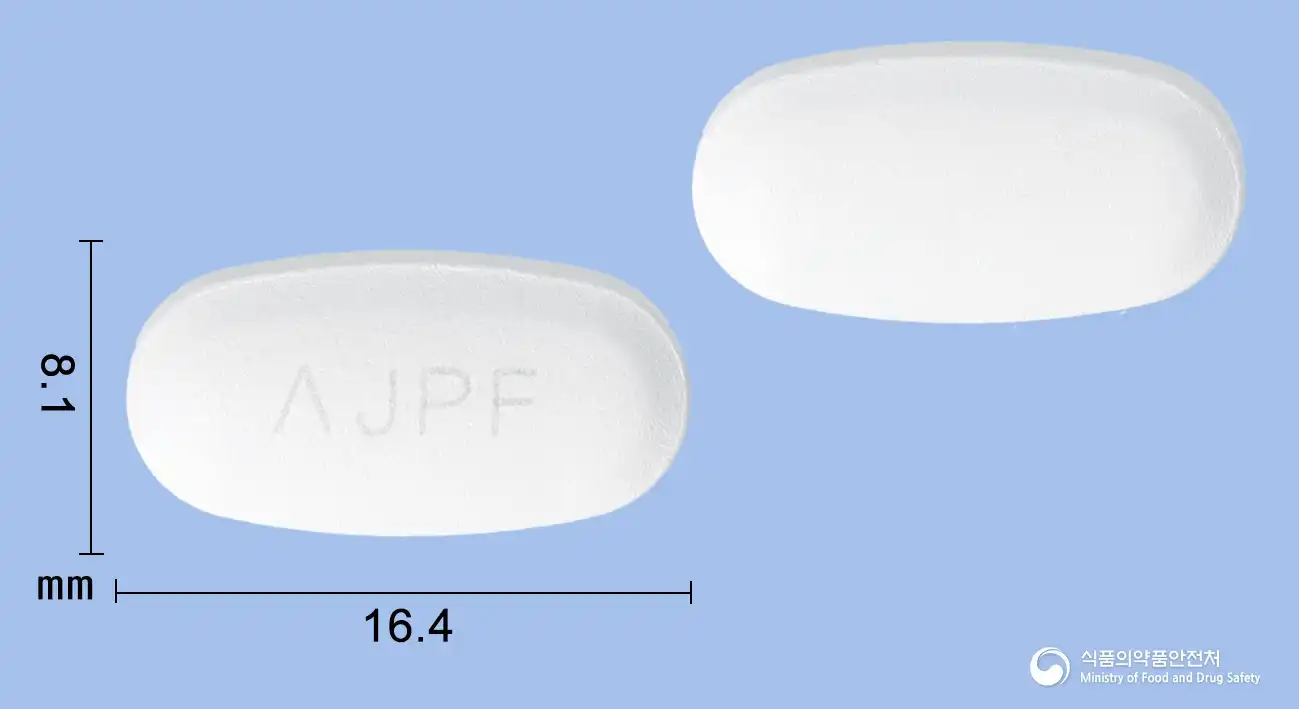
Pitavastatin Calcium Hydrate 2.205mg · Fenofibrate 160mg
Tablet · Prescription medication · Combination
Ajou Pharmaceutical Co., Ltd.
 Combination
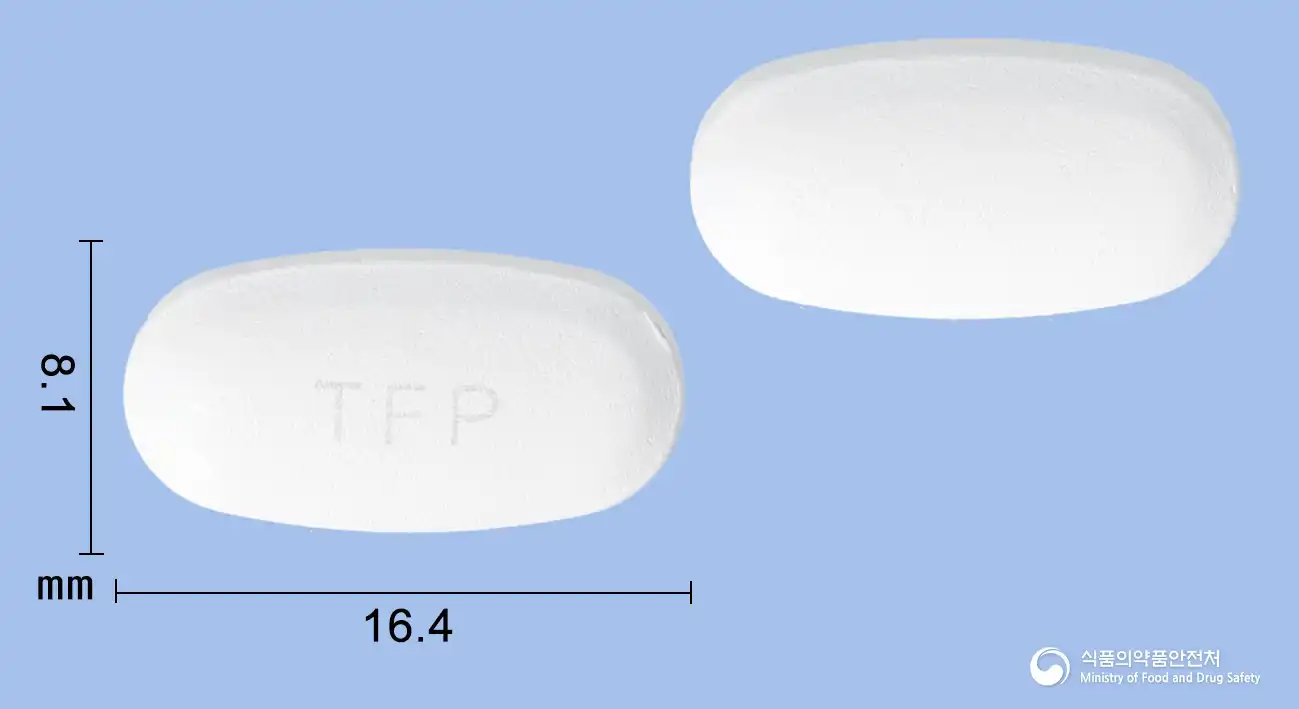
Pitavastatin Calcium Hydrate 2.205mg · Fenofibrate 160mg
Tablet · Prescription medication · Combination
Teragen Etex Co., Ltd.
 Combination
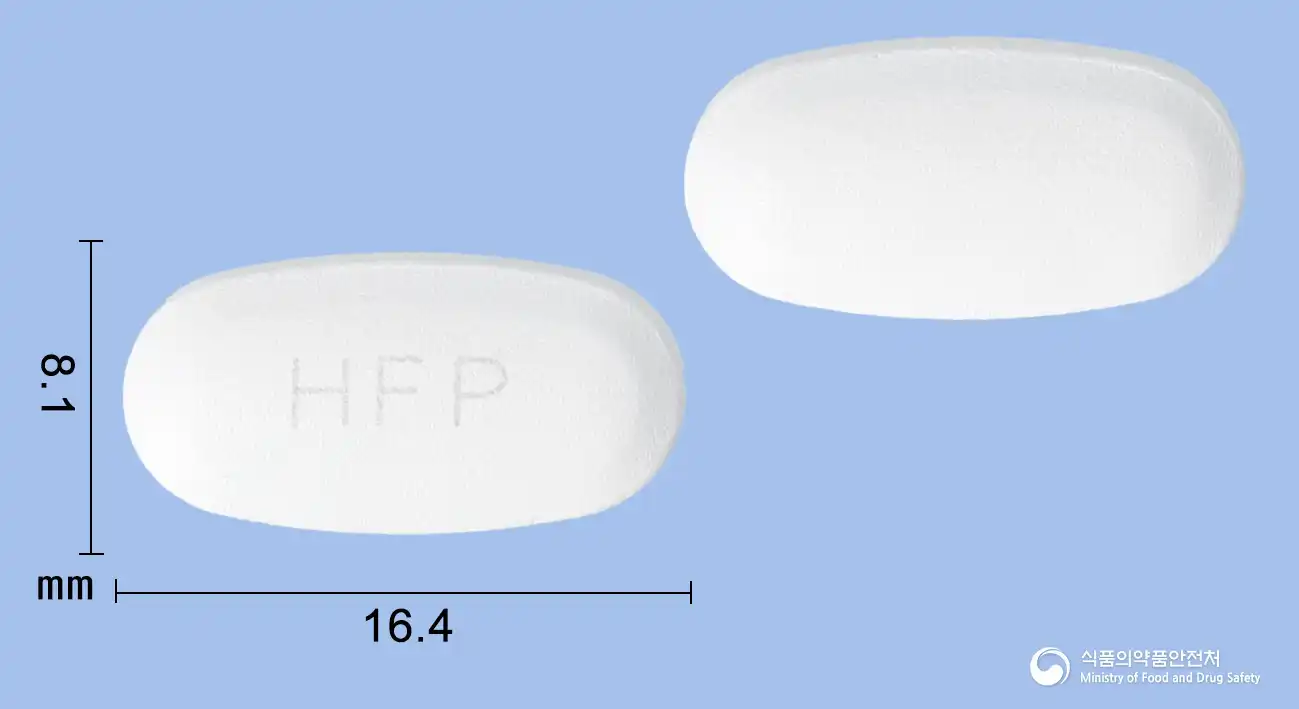
Pitavastatin Calcium Hydrate 2.205mg · Fenofibrate 160mg
Tablet · Prescription medication · Combination
Hana Pharmaceutical Co., Ltd.
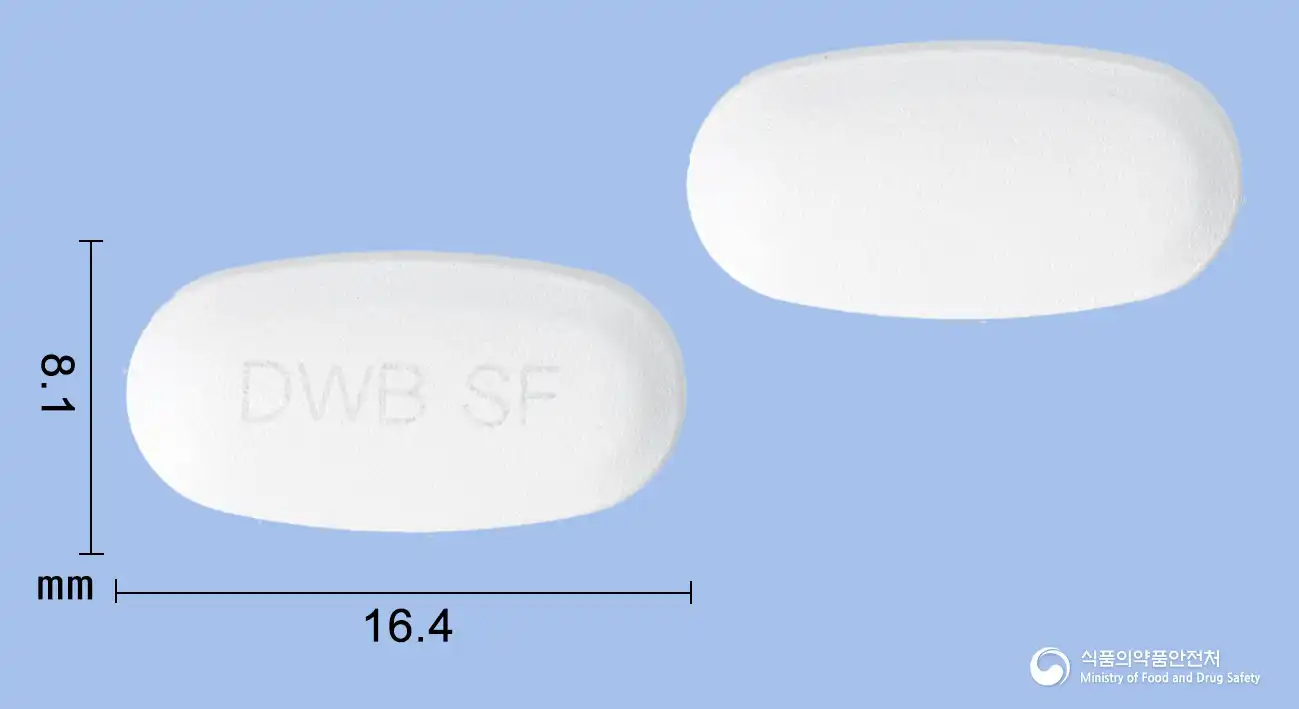 Combination
Pitavastatin Calcium Hydrate 2.205mg · Fenofibrate 160mg
Tablet · Prescription medication · Combination
Daewoong Bio Co., Ltd.
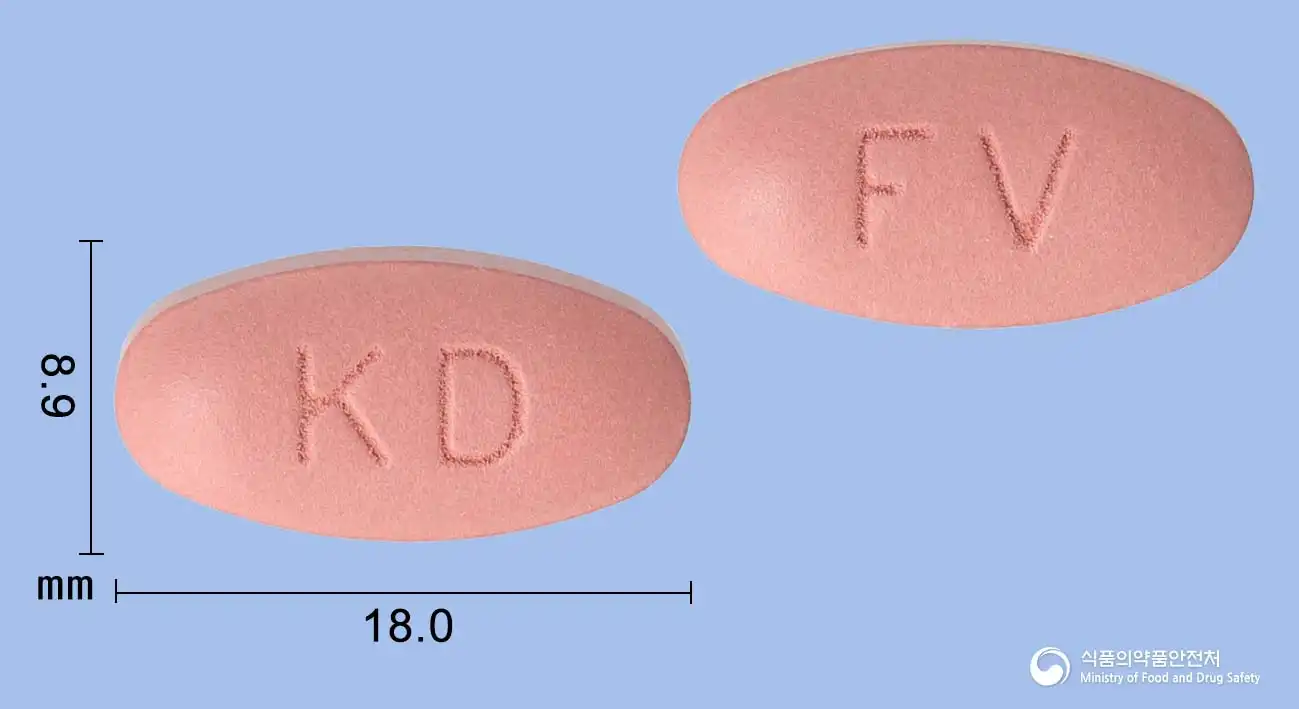 Combination
Fenofibrate 145mg · Pitavastatin Calcium 2mg
Tablet · Prescription medication · Combination
Kyungdong Pharmaceutical Co., Ltd.
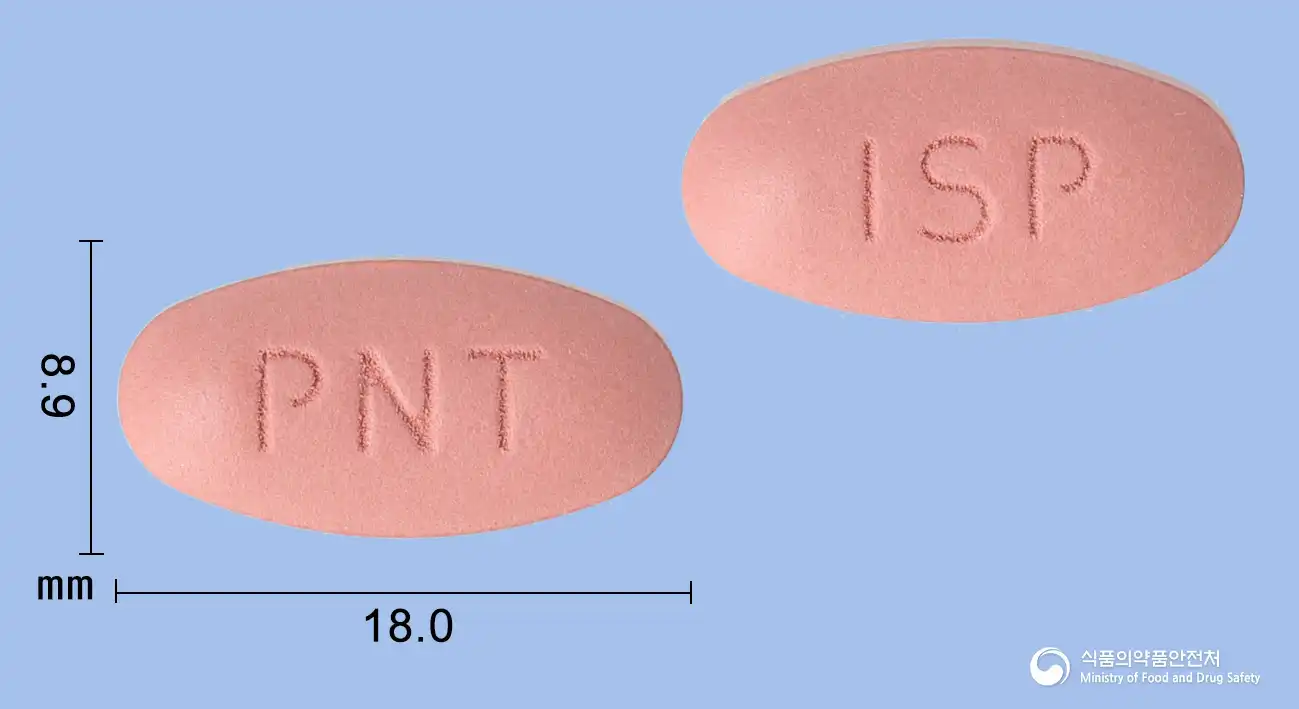 Combination
Fenofibrate 145mg · Pitavastatin Calcium 2mg
Tablet · Prescription medication · Combination
Il Sung IS Co., Ltd.
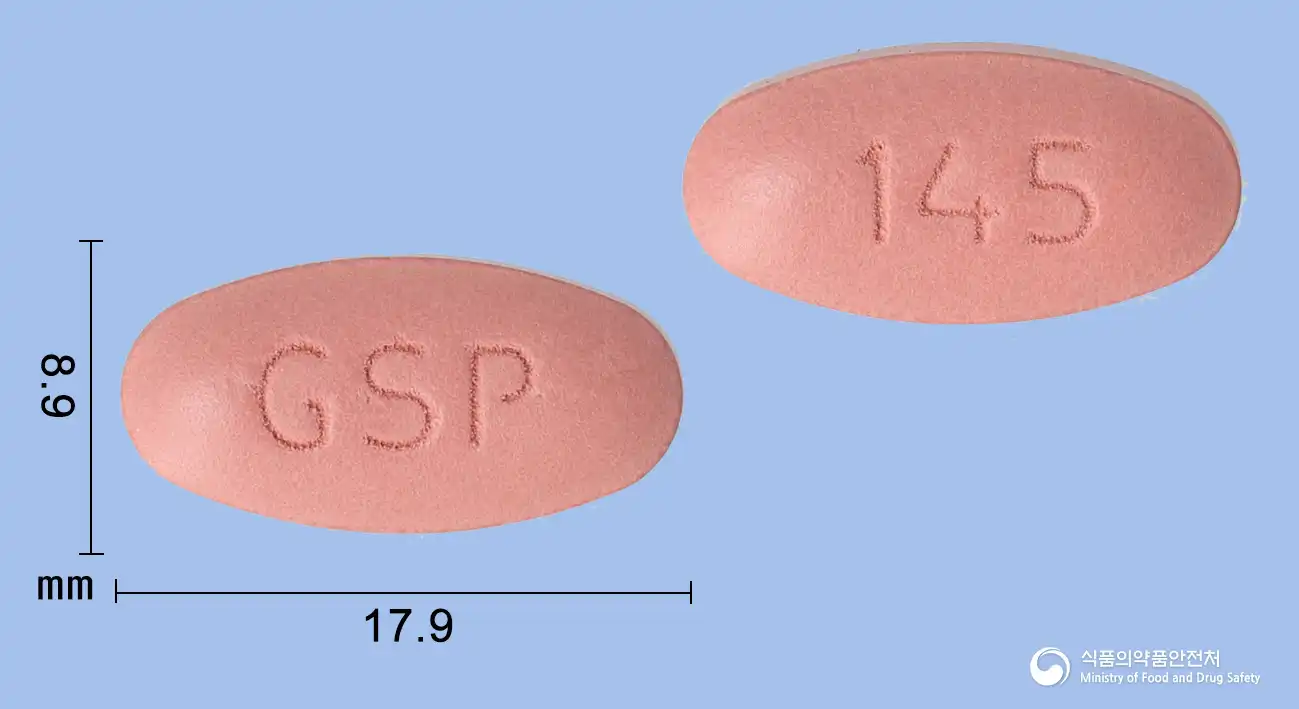 Combination
Fenofibrate 145mg · Pitavastatin Calcium 2mg
Tablet · Prescription medication · Combination
Samchundang Pharmaceutical Co., Ltd.
Even with the same ingredient, the dose and directions can differ by strength and dosage form. Talk to a doctor or pharmacist before switching from a medication you are already taking.
No questions yet.
For anything that needs medical judgment, consult a doctor or pharmacist.
This drug information is based on data provided by the Korea Ministry of Food and Drug Safety.
Consult a doctor or pharmacist for accurate dosage, administration, and usage instructions.