
 한국어
한국어 English
 日本語
日本語 中文(简体)
 Viewing nowCombination
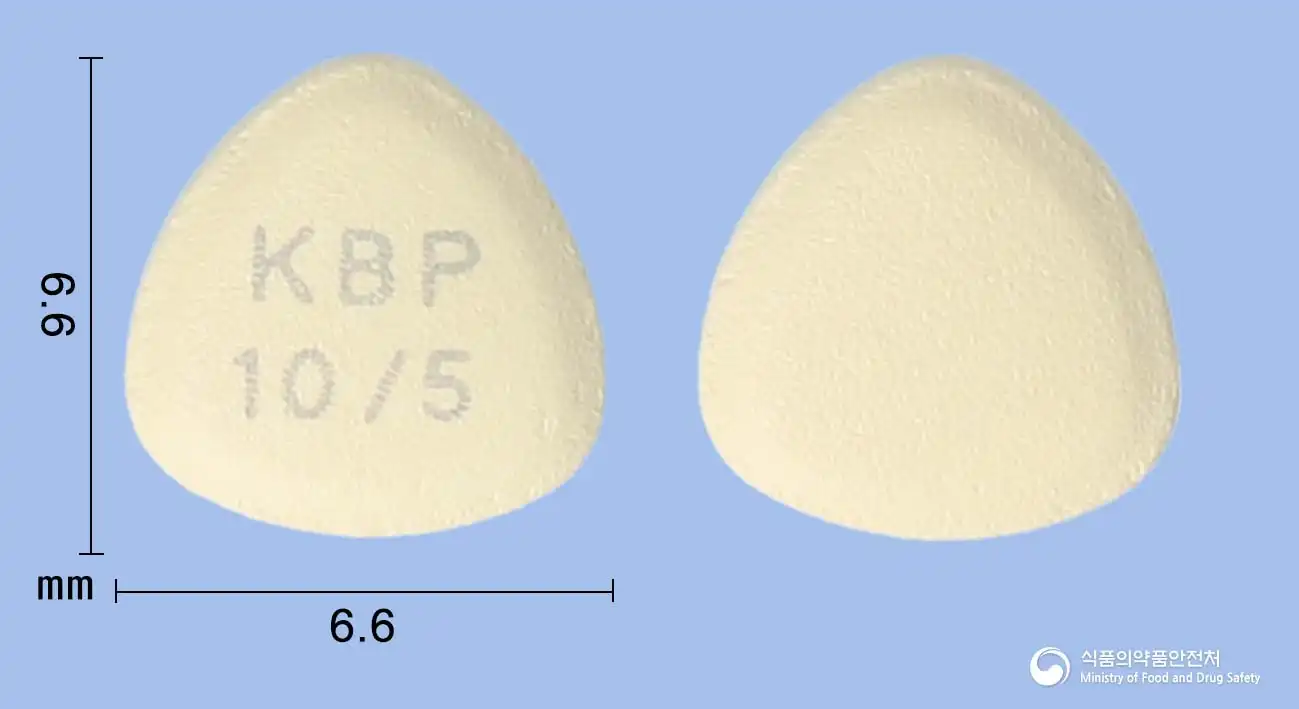
Keglitto Tablet 10/5 mg (Empagliflozin, Linagliptin benzenesulfonate)
Empagliflozin 10mg · Linagliptin Besylate 6.67mg
Tablet · Prescription medication · Combination
Kyungbo Pharmaceutical Co., Ltd.
MFDS item code 202503049 · Approved 2025.11.21
Improvement of blood sugar control in type 2 diabetes
This medication is used in conjunction with dietary and exercise therapy to assist patients with type 2 diabetes in managing their blood sugar levels. The combination of empagliflozin and linagliptin effectively helps to control blood sugar, aiding in the treatment of diabetes. Therefore, it is used to improve blood sugar control.
The recommended starting dose of this medication is 1 time per day, 10 mg of empagliflozin and 5 mg of linagliptin (6.67 mg of linagliptin benzenesulfonate). If additional blood sugar control is needed with tolerability, the dose may be increased to 1 time per day, 25/5 mg (6.67 mg of linagliptin benzenesulfonate). This medication may be taken regardless of meals, and the tablet should be swallowed whole. If a dose is missed, take it as soon as you remember.
This medication is composed of two components, empagliflozin and linagliptin. This medication should not be administered to certain patients. For example, individuals with allergies to any component of this medication, those with type 1 diabetes, diabetic ketoacidosis, or patients undergoing dialysis should not take this medication. It should be used with caution in patients with impaired kidney function or those with heart failure. The effectiveness of this medication depends on kidney function, so regular monitoring of kidney function before and during treatment is important. Rare adverse reactions such as acute pancreatitis or blistering dermatitis may occur, so if abdominal pain or skin abnormalities arise while taking this medication, it is essential to consult a doctor immediately. The most common side effect reported is urinary tract infection, along with hypoglycemia, ketoacidosis, and hypersensitivity reactions. Caution should be exercised when taken with insulin or sulfonylureas as the risk of hypoglycemia may be increased. This medication may lower blood pressure, so patients who are at risk for hypotension or dehydration should be monitored closely for their fluid status while taking it. Additionally, the risk of genital fungal infections may be increased, so appropriate treatment should be sought if relevant symptoms occur. Elderly patients aged 75 and older have a higher risk of fluid loss and should take this medication with extra caution. Pregnant or breastfeeding women are advised to avoid taking this medication, especially during breastfeeding, where it is recommended to discontinue the use of this medication. The safety and efficacy of this medication have not been established for children under 18 years of age, so it is advisable not to use it in this population. In cases of overdose, appropriate measures such as removing the medication from the gastrointestinal tract are necessary. There is not much experience with overdose, but caution is required. While taking this medication, there is a risk of hypoglycemia when driving or operating machinery, particularly when taken with insulin or sulfonylureas, so caution is advised. Finally, this medication should be stored out of reach of children and kept in its original container to maintain its quality.
Hives, angioedema, ketoacidosis, pancreatitis, blistering dermatitis, Fournier's gangrene, severe allergic reactions, severe skin reactions, respiratory distress, asthma, asthma attacks, respiratory anomalies accompanied by cough and fever, jaundice, liver abnormalities, sudden and severe headache, thunderclap headache, seizures, confusion of consciousness, visual disturbances, paralysis, significant decrease in urine output, severe edema, edema accompanied by increased blood pressure, urosepsis, pyelonephritis.
Not everyone experiences these, and they can vary from person to person.
This medication should be stored in a closed container to protect it from air and moisture, and ideally at room temperature between 1 and 30 degrees Celsius. By storing it this way, the efficacy of the medication can be maintained and it can be used safely.
Flat on both sides with sharp edges, light yellow triangular film-coated tablet
10 tablets/PTP, 30 tablets/PTP [(10 tablets/PTP × 3)]
Even with the same ingredient, strength, dosage form and how it is taken can differ.
Viewing nowCombinationEmpagliflozin 10mg · Linagliptin Besylate 6.67mg
Tablet · Prescription medication · Combination
Kyungbo Pharmaceutical Co., Ltd.
Empagliflozin 25mg · Linagliptin Besylate 6.67mg
Tablet · Prescription medication · Combination
Mothers Pharmaceutical Co., Ltd.
Empagliflozin 10mg · Linagliptin Besylate 6.67mg
Tablet · Prescription medication · Combination
Mothers Pharmaceutical Co., Ltd.
 Combination
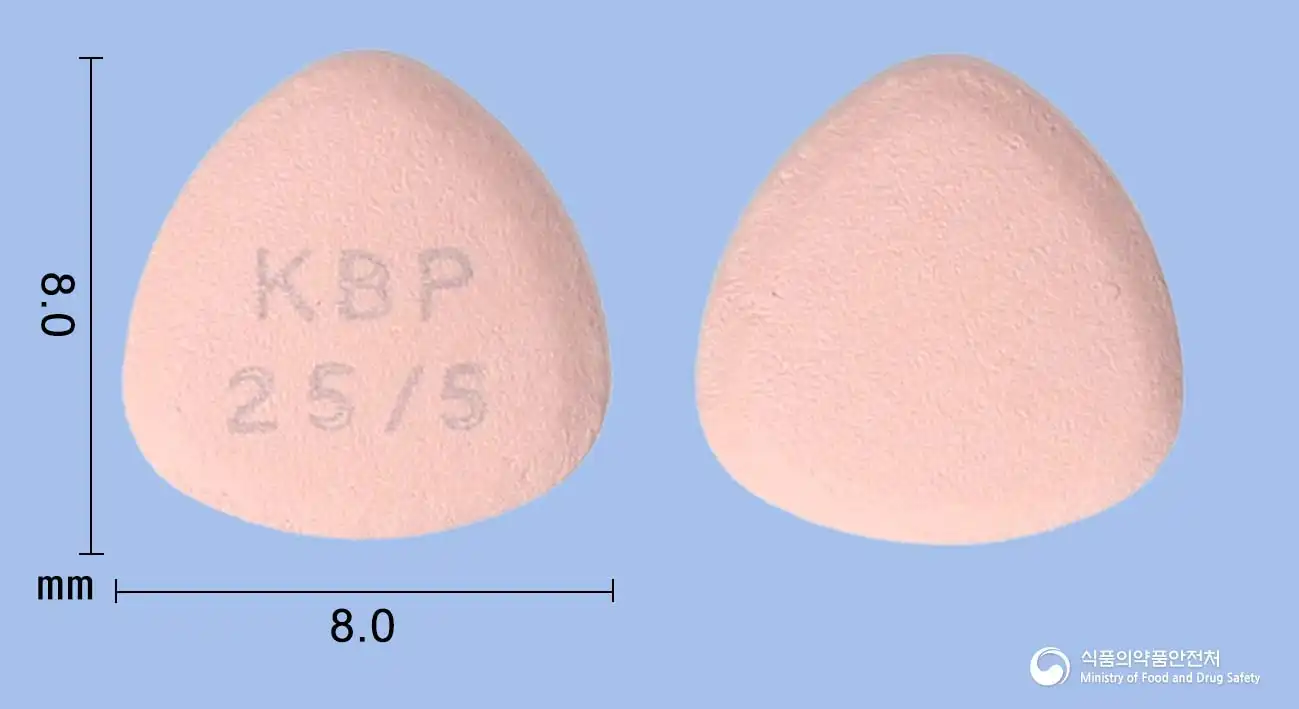
Empagliflozin 25mg · Linagliptin Besylate 6.67mg
Tablet · Prescription medication · Combination
Kyunbo Pharmaceutical Co., Ltd.
Even with the same ingredient, the dose and directions can differ by strength and dosage form. Talk to a doctor or pharmacist before switching from a medication you are already taking.
No questions yet.
For anything that needs medical judgment, consult a doctor or pharmacist.
This drug information is based on data provided by the Korea Ministry of Food and Drug Safety.
Consult a doctor or pharmacist for accurate dosage, administration, and usage instructions.