
 한국어
한국어 English
 日本語
日本語 中文(简体)
 Viewing now
Fexonon 180 mg (Fexofenadine Hydrochloride)
Fexofenadine Hydrochloride 180mg
Tablet · Prescription medication
Dheyu Pharmaceutical Co., Ltd.
MFDS item code 202502752 · Approved 2025.10.27 · Insurance code 057001830
Relief of symptoms related to allergic skin diseases (Chronic Idiopathic Urticaria)
This medication is used to relieve symptoms caused by allergic skin diseases such as chronic idiopathic urticaria. It primarily reduces itching or rashes on the skin, alleviating patient discomfort. This helps improve discomfort in daily life.
Adults and adolescents aged 12 and older should take 180 mg of fexofenadine hydrochloride orally once daily before meals with water. Patients with renal failure should take an initial dose of 60 mg orally once daily before meals with water.
Safety and efficacy have not been established for pediatric patients under 12 years of age.
This medication should not be used in patients who have had an allergic reaction to it or any of its components. It is safest not to administer to patients with impaired renal function. Elderly patients or those with heart disease or a history of heart problems should use this medication with caution. Headaches may be the most common side effect while taking this medication, other side effects may include drowsiness, dizziness, nausea, upper respiratory infections, and back pain. Symptoms such as fatigue, insomnia, irritability, sleep disturbances, nightmares, and dry mouth have also been reported rarely. In case of severe allergic reactions or symptoms of shock, stop using the medication immediately and seek medical attention. Since liver function abnormalities may occur, liver function should be monitored regularly and the medication should be discontinued if abnormal symptoms appear. Although there have been no reports of effects on driving or operating machinery, individuals sensitive to the medication should exercise caution after taking it. This medication is not metabolized by the liver, reducing interactions with other drugs, but taking certain antibiotics may increase its blood concentration. Antacids that contain aluminum or magnesium hydroxide may interfere with the absorption of this medication, so it is advisable to take them at least 2 hours apart. Taking this medication with grapefruit juice, orange juice, or apple juice may reduce its effectiveness, so it is recommended to take it with water. Women who are pregnant or may become pregnant should consult a doctor before using this medication, and it is advisable to avoid use while breastfeeding. The safety and effectiveness in children, particularly in those under 12 years of age, has not been sufficiently established. Elderly patients may require dosage adjustment and renal function monitoring due to the potential for decreased renal function. Some clinical tests, such as allergy tests, may be affected, so it is recommended to discontinue use prior to testing. In the case of overdose, appropriate treatment should be sought according to symptoms, and this medication is difficult to remove via blood dialysis. Keep out of reach of children and do not transfer the medication to another container.
Not everyone experiences these, and they can vary from person to person.
This medication should be stored in a tightly closed container to protect it from air and moisture, and it should be kept at room temperature between 1 to 30 degrees Celsius. Proper storage will help maintain the medication's effectiveness and prevent deterioration.
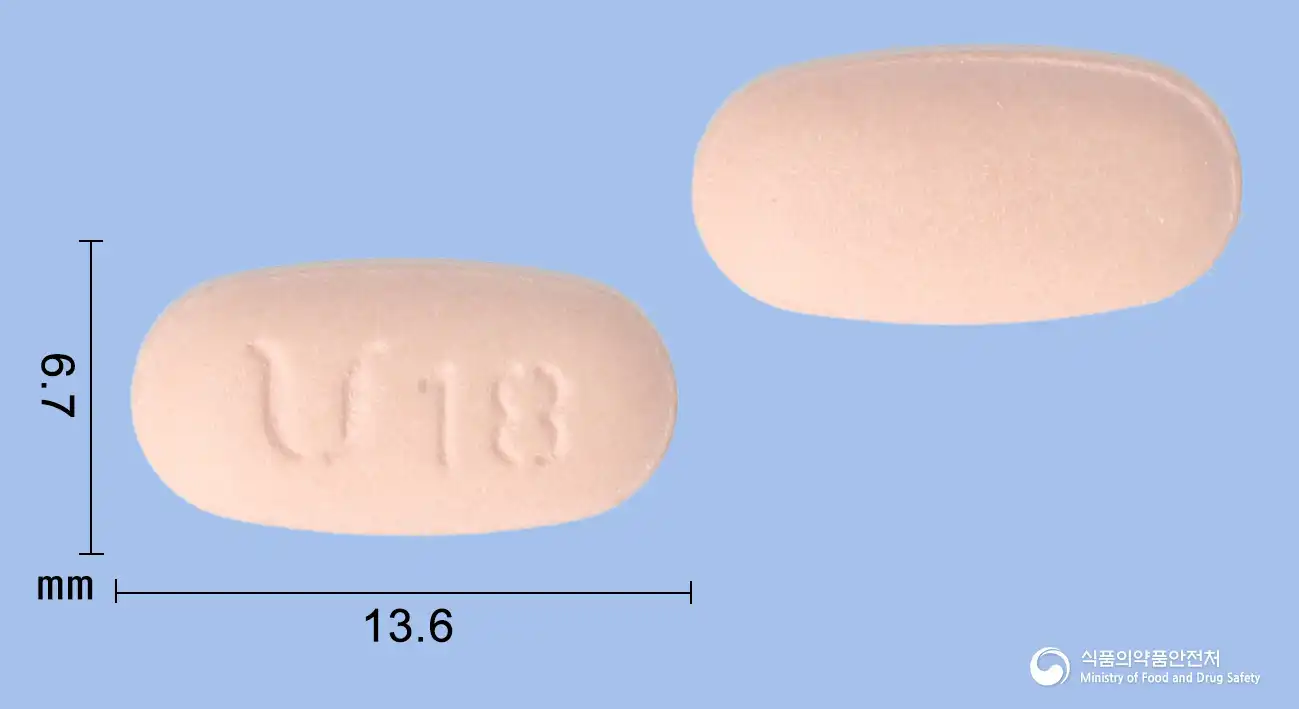
Pale pink oval film-coated tablets
100 tablets/bottle, 30 tablets/bottle
Even with the same ingredient, strength, dosage form and how it is taken can differ.
Viewing nowFexofenadine Hydrochloride 180mg
Tablet · Prescription medication
Dheyu Pharmaceutical Co., Ltd.
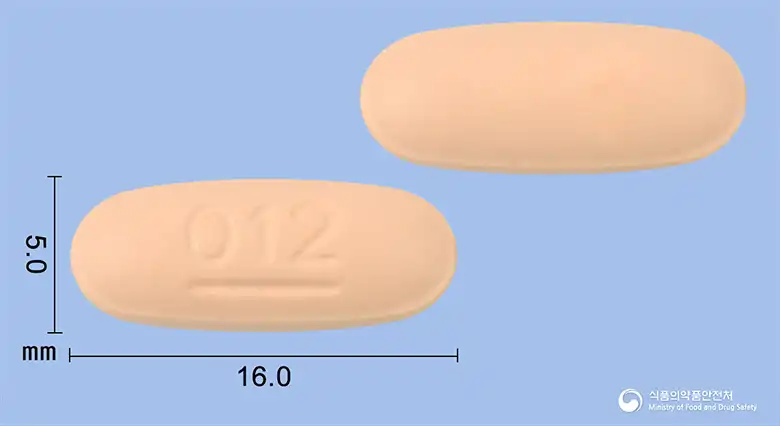
Fexofenadine Hydrochloride 120mg
Tablet · OTC medication
HanDoc Co., Ltd.
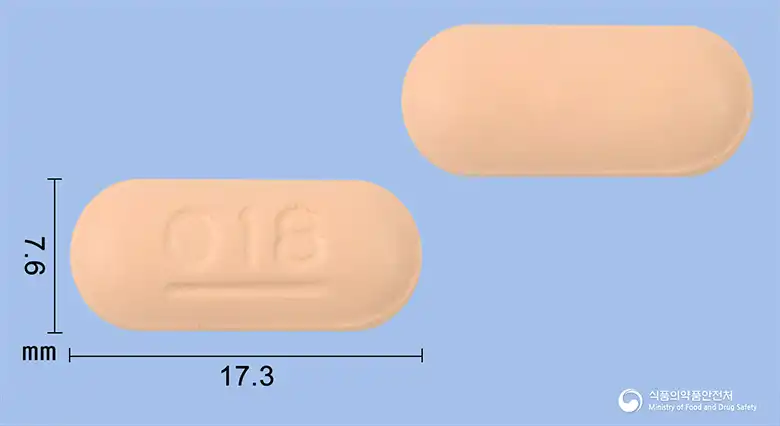
Fexofenadine Hydrochloride 180mg
Tablet · Prescription medication
Handok Co., Ltd.
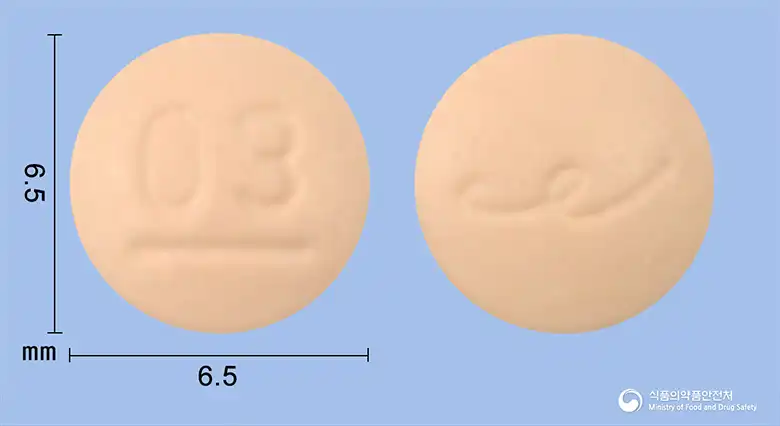
Fexofenadine Hydrochloride 30mg
Tablet · Prescription medication
Handok Co., Ltd.
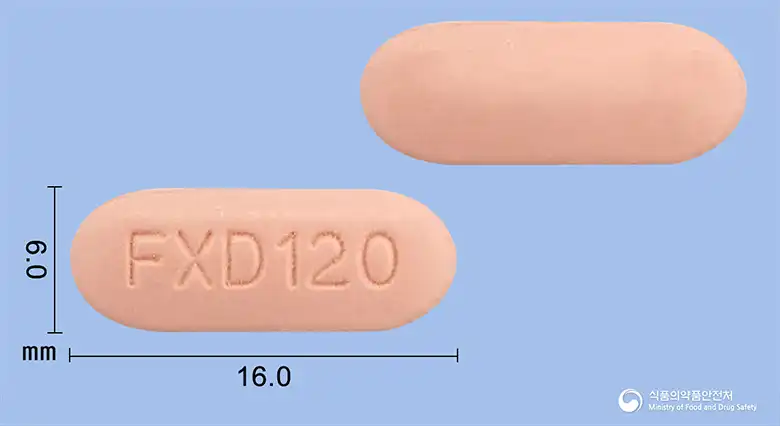
Fexofenadine Hydrochloride 120mg
Tablet · OTC medication
Jongkundang Co., Ltd.
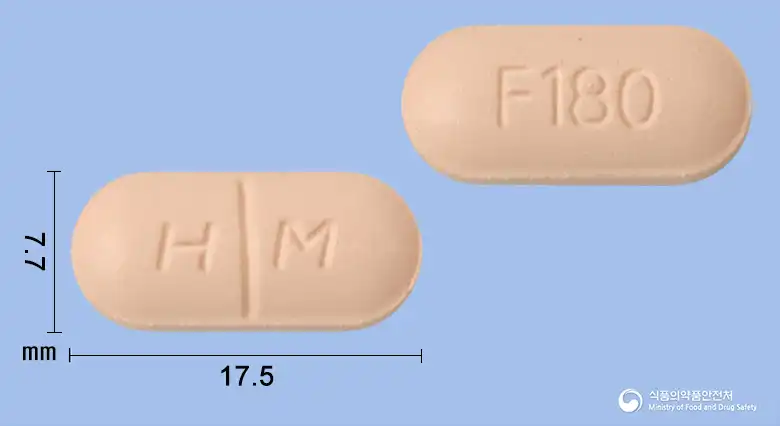
Fexofenadine Hydrochloride 180mg
Tablet · Prescription medication
Hanmi Pharmaceutical Co., Ltd.
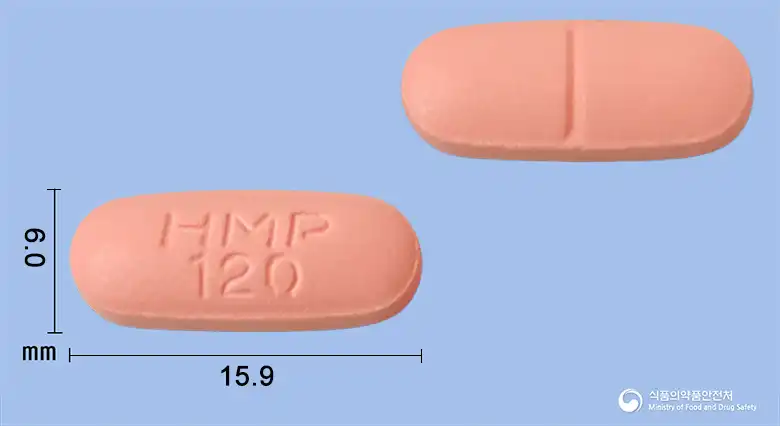
Fexofenadine Hydrochloride 120mg
Tablet · OTC medication
Hanmi Pharmaceutical Co., Ltd.
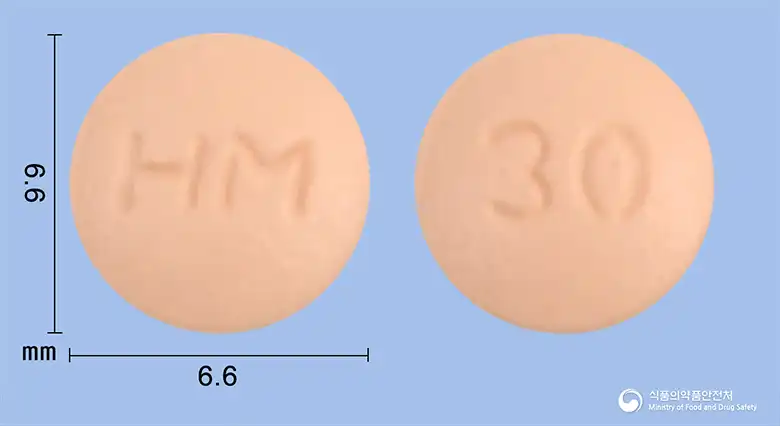
Fexofenadine Hydrochloride 30mg
Tablet · Prescription medication
Hanmi Pharmaceutical Co., Ltd.
Even with the same ingredient, the dose and directions can differ by strength and dosage form. Talk to a doctor or pharmacist before switching from a medication you are already taking.
No questions yet.
For anything that needs medical judgment, consult a doctor or pharmacist.
This drug information is based on data provided by the Korea Ministry of Food and Drug Safety.
Consult a doctor or pharmacist for accurate dosage, administration, and usage instructions.