
 한국어
한국어 English
 日本語
日本語 中文(简体)
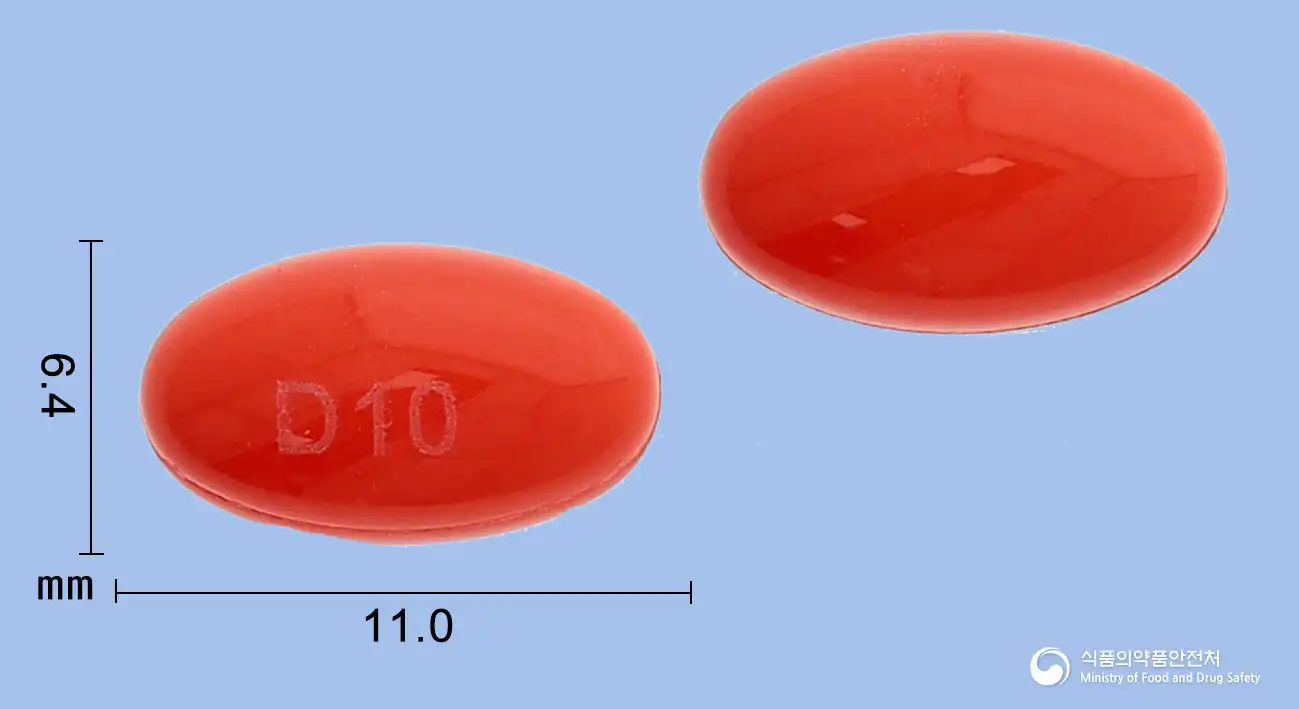 Viewing now
D-alpha Soft Capsule 1.0 Microgram (Alfacalcidol)
Alfacalcidol 1μg
Soft capsule · OTC medication
Hankook Huytex Pharmaceutical Co., Ltd.
MFDS item code 202502645 · Notified 2025.10.13 · Insurance code 649106170
Symptoms of vitamin D metabolic disorders (hypocalcemia, bone lesions, etc.) and osteoporosis improvement
This medication is used to alleviate symptoms caused by vitamin D metabolic disorders such as hypocalcemia, tetany, bone pain and lesions occurring in chronic kidney failure, hypoparathyroidism, vitamin D-resistant rickets, and osteomalacia. It is also effective for the treatment of osteoporosis. In other words, this medication helps improve bone health related to vitamin D metabolic disorders and skeletal conditions.
Chronic Kidney Disease/Osteoporosis: Administer 0.5 to 1 µg orally once daily as Alfacalcidol. Hypoparathyroidism, and diseases related to other vitamin D metabolism disorders: Administer 1 to 4 µg orally once daily as this medication.
Osteoporosis: Administer 0.01 to 0.03 µg orally once daily per kg of body weight as Alfacalcidol. Other conditions: Administer 0.05 to 0.1 µg orally once daily per kg of body weight as this medication.
This medication should not be used in patients with hypercalcemia, hyperphosphatemia, or hypermagnesemia. Avoid use in patients if the product of calcium and phosphorus in the blood exceeds a certain value, or if the blood is excessively alkaline. Those with symptoms of vitamin D toxicity or allergies to this medication or its components should also avoid taking it. While taking this medication, it is advisable not to concurrently take medications containing magnesium, vitamin D or its derivatives, calcium-containing medications, or certain diuretics. These drugs may interact with each other, potentially raising blood calcium levels to dangerous levels. Women who are breastfeeding should avoid this medication if possible, as its safety during lactation is not well established; if unavoidable, it is preferable to discontinue breastfeeding. Women who are pregnant or may become pregnant should discuss the use of this medication with their doctor, as there is a risk of harm to the fetus. Children and elderly patients should use this medication with caution, and especially children should start with small doses while frequently monitoring blood calcium levels. Those with a history of kidney stones or specific chronic diseases, or who are taking other medications, should consult their doctor or pharmacist. Interactions may occur, particularly with heart disease medications, certain antacids, anticonvulsants, etc. If adverse symptoms occur while taking this medication, discontinue use immediately and consult a doctor or pharmacist. Adverse symptoms may include dyspepsia, nausea, headaches, muscle cramps, abnormal blood pressure, decreased kidney function, skin rash, eye congestion, etc. Regularly check blood calcium and phosphorus levels to keep them within normal ranges, and in cases of overdose, immediate emergency treatment may be required. In the event of an overdose, appropriate actions such as inducing vomiting, gastric lavage, and intravenous fluid therapy should be taken. Store this medication out of reach of children, avoid direct sunlight, and keep it in a cool, dry place. It is also important not to transfer it to other containers to maintain its quality.
Hives, severe swelling (edema), chest tightness, difficulty breathing, cold sweat, pallor, severe rash with high fever, blisters, skin peeling, pain in mucous membranes of mouth/eyes, shortness of breath or difficulty breathing, asthma attacks, respiratory distress accompanied by cough and fever, yellowing of the skin or eyes (jaundice), extreme lethargy, sudden and severe headaches, thunderclap headache, seizures, confusion, visual disturbances, paralysis, urination
Not everyone experiences these, and they can vary from person to person.
This medication is sensitive to light, so store it in an opaque container. It is important to keep it at room temperature, between 1 to 30 degrees Celsius, to maintain its effectiveness.
Orange oval soft capsule containing a colorless or transparent oily substance
30 capsules/bottle, 100 capsules/bottle
Even with the same ingredient, strength, dosage form and how it is taken can differ.
Viewing nowAlfacalcidol 1μg
Soft capsule · OTC medication
Hankook Huytex Pharmaceutical Co., Ltd.
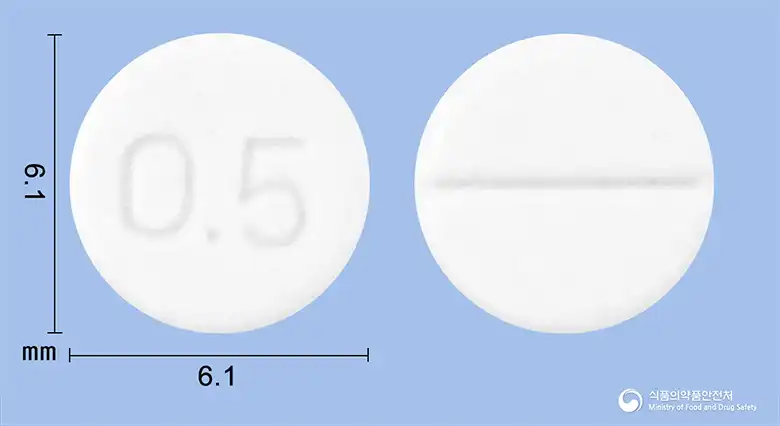
Alfacalcidol 0.5μg
Tablet · OTC medication
Il Sung I.S. Corporation
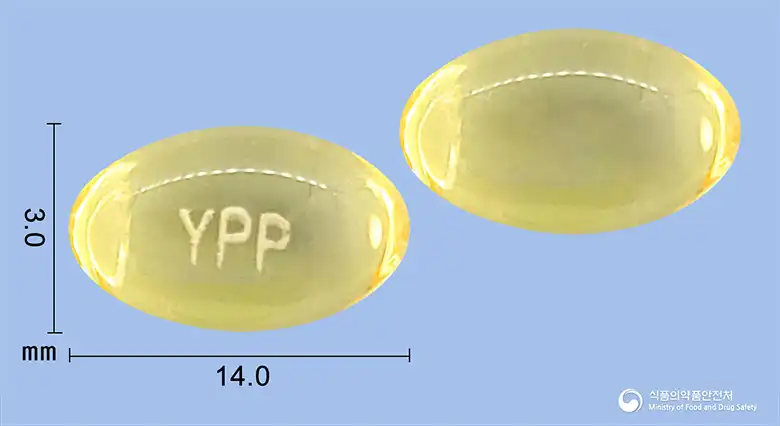
Alfacalcidol 0.5μg
Soft capsule · OTC medication
Youngpoong Pharmaceutical Co., Ltd.
Alfacalcidol 0.5μg
Soft capsule · OTC medication
Anguk Pharmaceutical Co., Ltd.
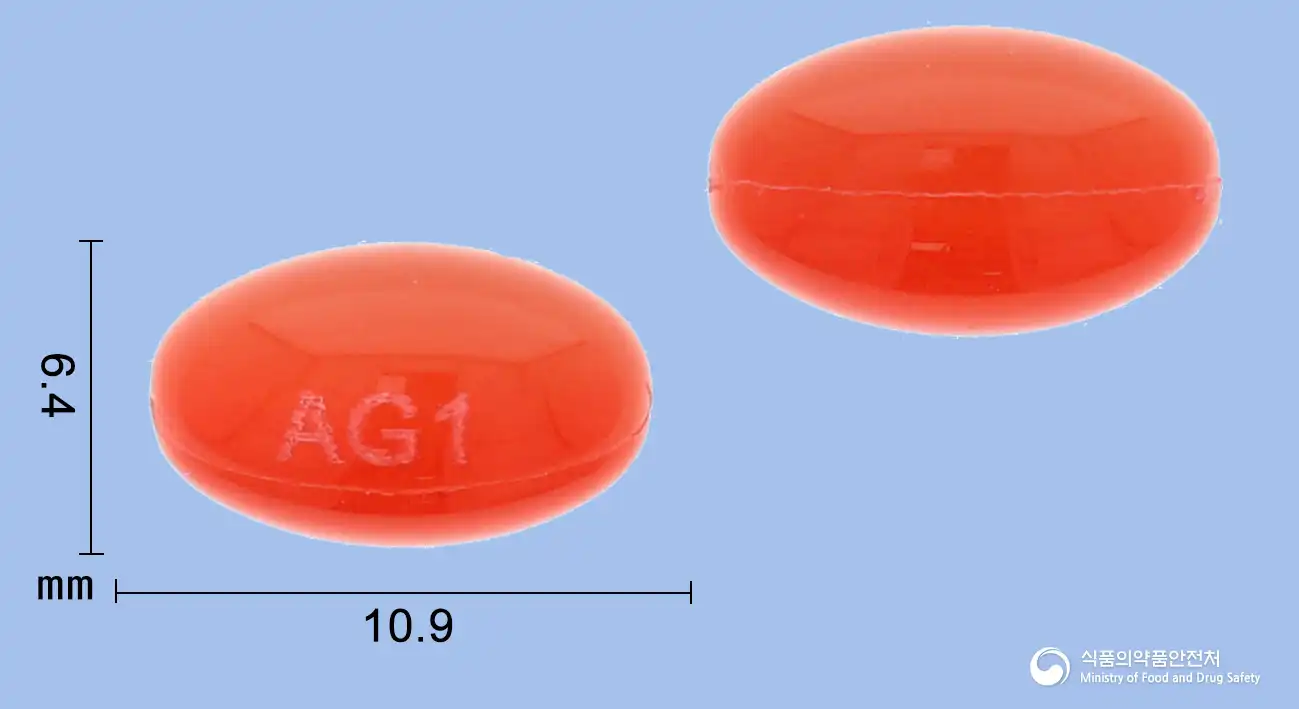
Alfacalcidol 1μg
Soft capsule · OTC medication
Ahn-Gook Pharmaceutical Co., Ltd.
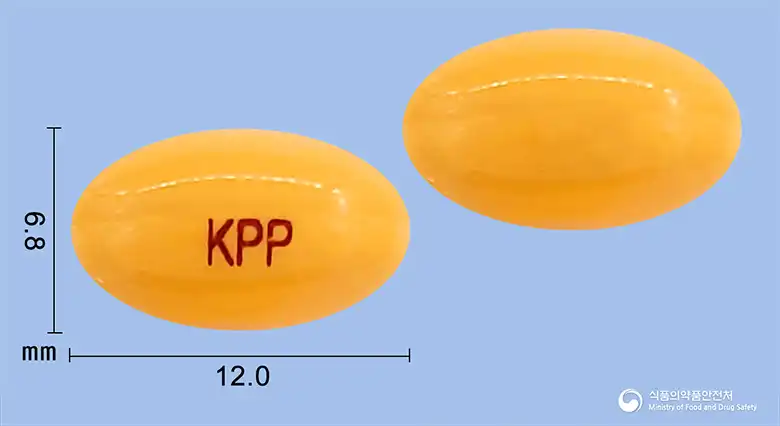
Alfacalcidol 1μg
Soft capsule · OTC medication
Korea Prime Pharmaceutical Co., Ltd.
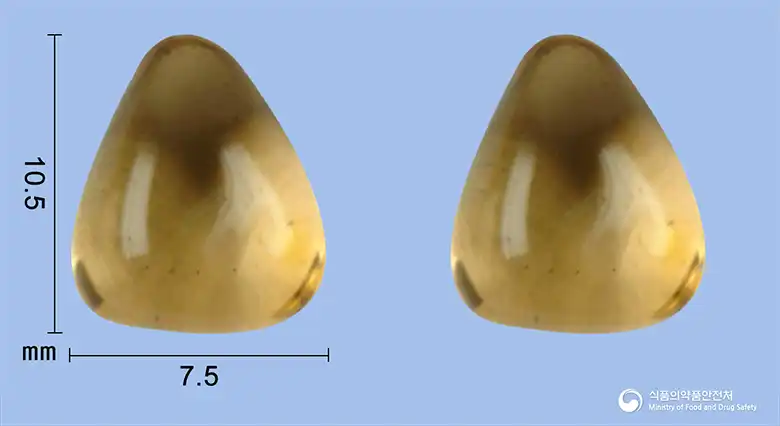
Alfacalcidol 0.5μg
Soft capsule · OTC medication
Shinil Pharmaceutical Co., Ltd.
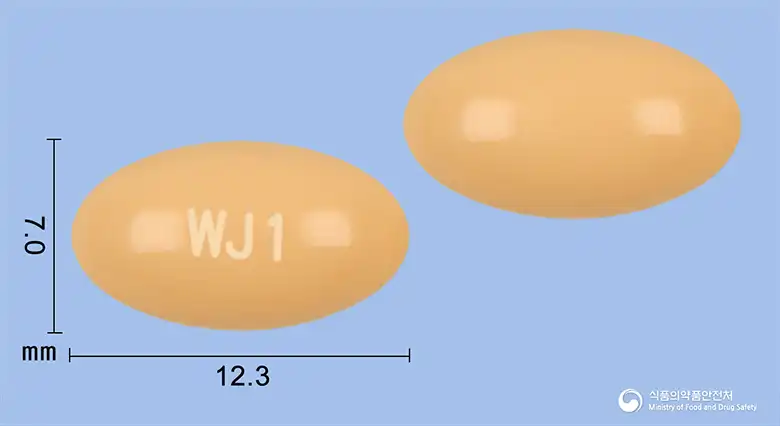
Alfacalcidol 0.5μg
Soft capsule · OTC medication
Austin Pharmaceutical Co., Ltd.
Even with the same ingredient, the dose and directions can differ by strength and dosage form. Talk to a doctor or pharmacist before switching from a medication you are already taking.
No questions yet.
For anything that needs medical judgment, consult a doctor or pharmacist.
This drug information is based on data provided by the Korea Ministry of Food and Drug Safety.
Consult a doctor or pharmacist for accurate dosage, administration, and usage instructions.