
 한국어
한국어 English
 日本語
日本語 中文(简体)
 Viewing nowCombination
Kodawon Plus Tablet
Dihydrocodeine Tartrate 5mg · Guaifenesin 50mg +3 more
Tablet · Prescription medication · Combination
DaeWon Pharmaceutical Co., Ltd.
MFDS item code 202502560 · Approved 2025.09.28 · Insurance code 671808120
Improvement of acute bronchitis symptoms
This medication helps improve symptoms and signs of acute bronchitis. It alleviates symptoms such as cough, phlegm, and shortness of breath, helping patients breathe more comfortably. In addition, it reduces inflammation to promote the recovery of bronchial function. This medicine is used to quickly improve the symptoms of patients with acute bronchitis.
For adults, take 2 tablets per dose, three times a day after meals.
This medication should not be used in individuals under 18 years old who are obese or have obstructive sleep apnea syndrome or serious lung diseases, as there is a risk of severe respiratory depression. Do not use this medication in individuals with allergies or a history of hypersensitivity to this drug or its components. Individuals currently taking or have recently discontinued MAO inhibitors, such as antidepressants, antipsychotics, mood stabilizers, and antiparkinsonian drugs, should not use this medication. This medication should not be used in children under 12 years of age, pregnant women, or breastfeeding women as safety has not been established. Patients with glaucoma should avoid this medication, as its anticholinergic effects may increase intraocular pressure, worsening glaucoma. Use of this medication should also be avoided in cases of lower urinary tract obstruction diseases, such as benign prostatic hyperplasia. Individuals with a tendency to bleed or who take anticoagulants, as well as patients with severe liver or kidney disease, are also advised against using this medication. Those with an allergic constitution or who have previously experienced allergic symptoms from medications should use this drug with caution, as should patients with liver or kidney disorders, thyroid diseases, diabetes, or those who are frail or have a high fever. Individuals with cardiovascular diseases or hypertension, elderly patients, and those with increased intraocular pressure or urinary disorders should consult a doctor before using this drug. Caution is recommended when using this medication in individuals with chronic cough or respiratory diseases such as asthma or chronic bronchitis, or when a cough is accompanied by fever, rash, or headache. Patients suffering from peptic ulcers or pyloric duodenal obstruction should be cautious, as the anticholinergic effects of this drug may worsen their symptoms. Patients with epilepsy should be careful, as the use of this drug may increase the risk of seizures. Drowsiness may occur while taking this medication, so it is safer to avoid driving or operating machinery. Overdosing or prolonged use is dangerous, so the prescribed dosage and frequency must be strictly followed. If symptoms of liver damage, such as jaundice, dark urine, severe upper abdominal pain, and loss of appetite, occur, discontinue use immediately and consult a doctor. If fever persists for several days or if symptoms such as difficulty breathing or blood-streaked phlegm do not improve, be sure to inform a doctor. Avoid lying down while taking this drug, and it is better to sit or stand when taking the medication. This medication may interact with other cold medications, cough suppressants, antihistamines, and sedatives, so caution should be exercised. In particular, combining this medication with alcohol or central nervous system depressants may increase drowsiness. Women who are pregnant or may become pregnant, as well as breastfeeding women, should not use this medication for safety reasons. The safety and efficacy of this drug in individuals under 19 years of age have not been established, so it is recommended not to use this medication, especially in children under 12 years of age due to an increased risk of respiratory depression. Elderly patients should be observed carefully, as physical function may be decreased, and the drug should be used cautiously. If any unusual symptoms occur after taking this medication, consult a doctor immediately, and store the medication out of reach of children in a cool place away from direct sunlight and moisture.
Not everyone experiences these, and they can vary from person to person.
This medication should be stored in a sealed container to prevent exposure to air or moisture, and it is safe to store it at room temperature between 1 and 30 degrees Celsius. Proper storage will help maintain the drug's effectiveness for a longer period.
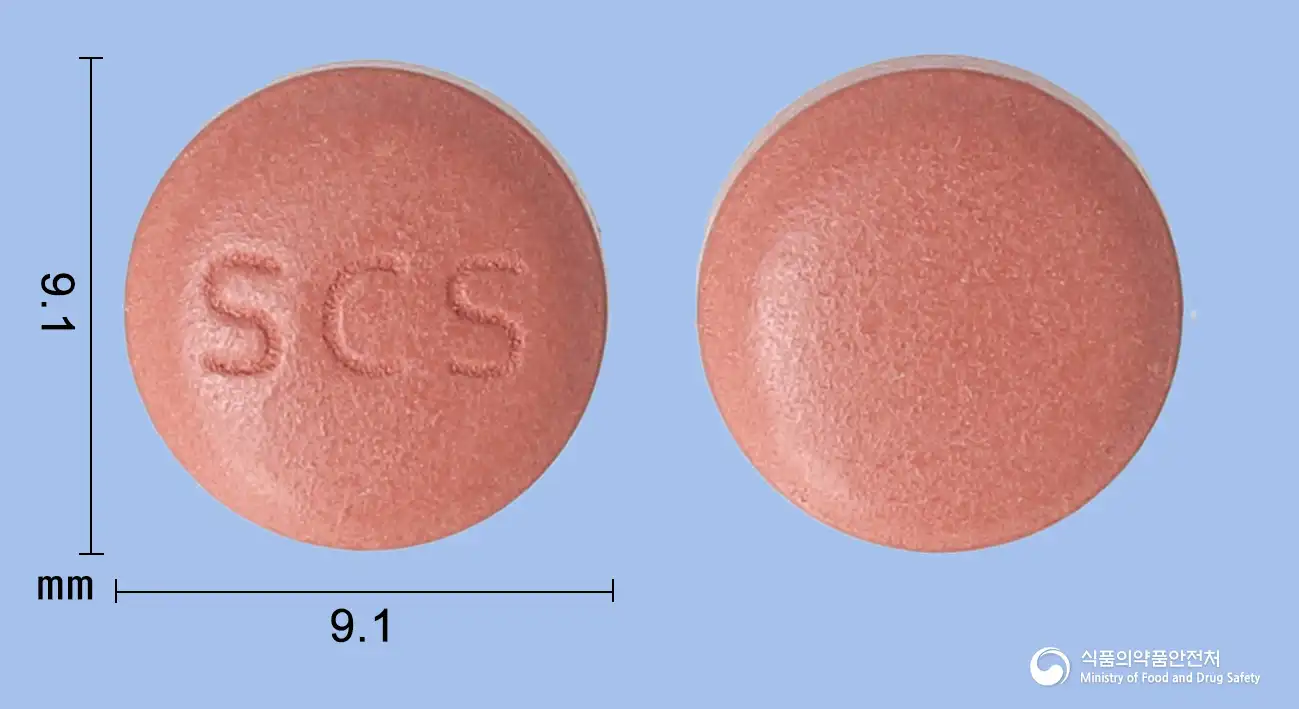
Dark pink round film-coated tablet
30 tablets/bottle, 500 tablets/bottle
Even with the same ingredient, strength, dosage form and how it is taken can differ.
Viewing nowCombinationDihydrocodeine Tartrate 5mg · Guaifenesin 50mg +3 more
Tablet · Prescription medication · Combination
DaeWon Pharmaceutical Co., Ltd.
Dihydrocodeine Tartrate 5mg · Guaifenesin 50mg +3 more
Tablet · Prescription medication · Combination
Daewon Biotech Co., Ltd.
Even with the same ingredient, the dose and directions can differ by strength and dosage form. Talk to a doctor or pharmacist before switching from a medication you are already taking.
No questions yet.
For anything that needs medical judgment, consult a doctor or pharmacist.
This drug information is based on data provided by the Korea Ministry of Food and Drug Safety.
Consult a doctor or pharmacist for accurate dosage, administration, and usage instructions.