
 한국어
 English
 日本語
 中文(简体)
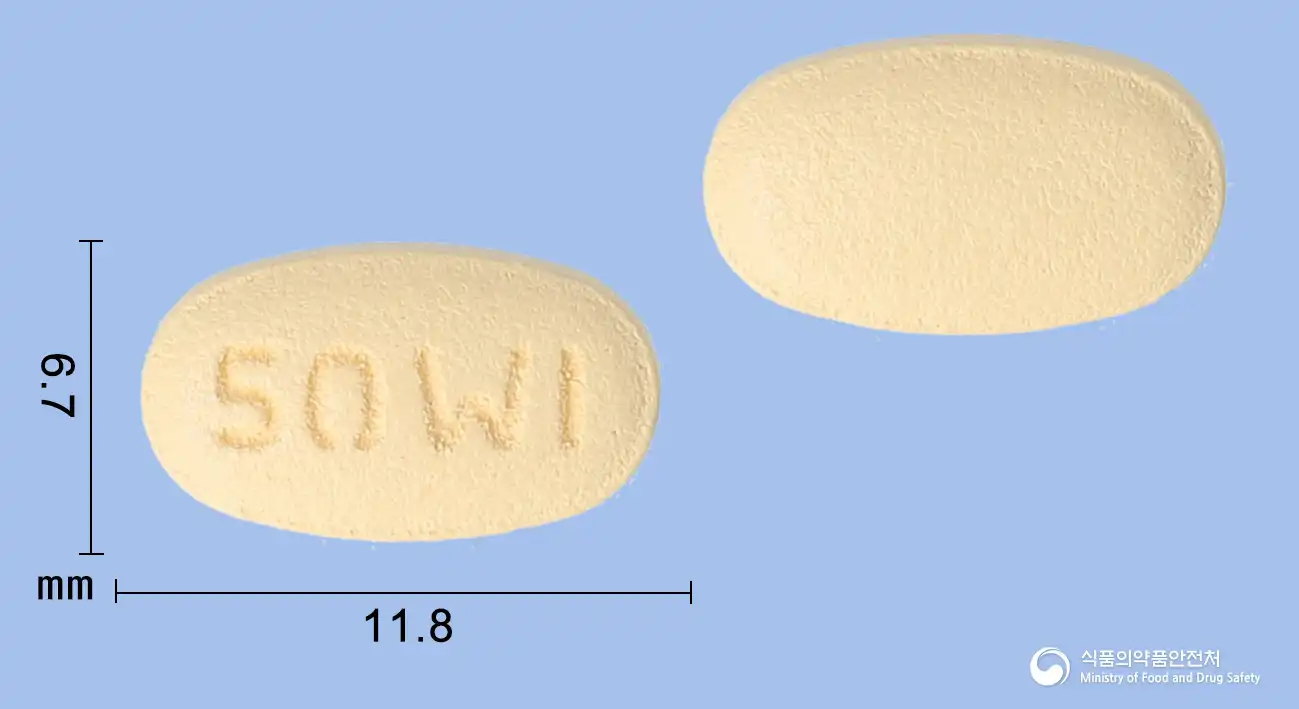 Viewing now
Brivaracetam 50 mg Tablet
Brivaracetam 50mg
Tablet · Prescription medication
Hanin Pharmaceutical Co., Ltd.
MFDS item code 202502490 · Approved 2025.09.19
Adjunctive treatment of partial-onset seizures in patients with epilepsy aged 16 years and older
This medication is used for the treatment of partial seizures in patients with epilepsy aged 16 and older and is effective in both cases where generalized seizures are present or absent. Specifically, it assists in controlling partial seizures to reduce the frequency and intensity of seizures. It is also used as an adjunct therapy in patients with epilepsy accompanied by secondary generalized seizures to alleviate seizure symptoms. This medication is primarily used in conjunction with other antiepileptic drugs to enhance therapeutic effects, thereby playing an important role in improving epileptic seizures.
This medicine is taken twice daily. The recommended initial dose is 25mg or 50mg per dose, based on the healthcare professional's assessment of potential adverse effects relative to seizure reduction. Based on clinical response and tolerability, the dose may be increased or decreased from 50mg per day [25mg per dose, twice daily] to 200mg per day [100mg per dose, twice daily]. Swallow this film-coated tablet whole with water. It may be taken with or without food. If you miss a dose If you miss one or more doses, take one dose as soon as you remember, and then take the next dose at the next scheduled morning or evening time. Discontinuation If you wish to stop taking this medicine, gradually reduce the dose by 50mg per day at 1-week intervals. After taking 50mg per day for 1 week, a dose of 20mg per day is recommended for the final week (see section 2. Warnings). Older adults (65 years and older) No dosage adjustment is required in older adults. Clinical experience in patients aged 65 years or older is limited. Renal impairment No dosage adjustment is required in patients with renal impairment. This medicine is not recommended for patients with end-stage renal impairment who are receiving hemodialysis. Hepatic impairment Exposure to this medicine is increased in patients with hepatic impairment. The recommended initial dose for patients with hepatic impairment is 50mg per day [25mg per dose, twice daily], and the recommended maximum dose is 150mg per day [75mg per dose, twice daily].
This medication may cause mental health issues such as suicidal thoughts or behaviors, so it is important to closely monitor for these symptoms during use. Central nervous system-related side effects such as drowsiness, fatigue, and dizziness may frequently occur while taking this medication, so caution is required when driving or operating machinery. Abruptly discontinuing this medication may lead to increased frequency of seizures, so it should be tapered off according to a doctor's instructions. This medication should not be taken if there is a hypersensitivity reaction or genetic issues such as lactose intolerance. Patients with impaired liver function should adjust the dosage of this medication, and due to limited safety data in liver disease patients, it should be administered cautiously. If any severe skin reactions such as rashes, redness, or blisters occur during use, the medication should be stopped immediately and a doctor should be consulted. Since this medication may interact with other drugs, especially antiepileptic drugs or rifampicin, and CYP2C19 inhibitors, it is essential to inform your doctor and dosage adjustments may be needed. The effects on the fetus are not clearly established when taken during pregnancy, so it should only be used when necessary, and women planning to become pregnant should consult their doctor. Nursing mothers should carefully consider whether to breastfeed, as this medication may be secreted in breast milk. Its safety and efficacy in children under 16 years of age have not been established, so its use is not recommended. In cases of overdose, symptoms such as drowsiness, dizziness, anxiety, and depression may appear, and as there is no specific antidote, general treatment according to symptoms is required. This medication should be stored out of reach of children, and it is safer and better for maintaining quality if not transferred to another container.
Not everyone experiences these, and they can vary from person to person.
This medication must be stored in a tightly closed container to avoid exposure to air or moisture. It is important to maintain a storage temperature between 1 degree and 30 degrees Celsius. This helps to retain the medication's effectiveness for a longer time.
Yellow oval film-coated tablet
30 tablets/bottle, 100 tablets/bottle
Even with the same ingredient, strength, dosage form and how it is taken can differ.
Viewing nowBrivaracetam 50mg
Tablet · Prescription medication
Hanin Pharmaceutical Co., Ltd.
Brivaracetam 1g
Solution · Prescription medication
UCB Korea Co., Ltd.
Brivaracetam 10mg
Tablet · Prescription medication
UCB Korea Co., Ltd.
Brivaracetam 25mg
Tablet · Prescription medication
UCB Korea Co., Ltd.
Brivaracetam 50mg
Tablet · Prescription medication
UCB Korea Co., Ltd.
Brivaracetam 100mg
Tablet · Prescription medication
UCB Korea Co., Ltd.
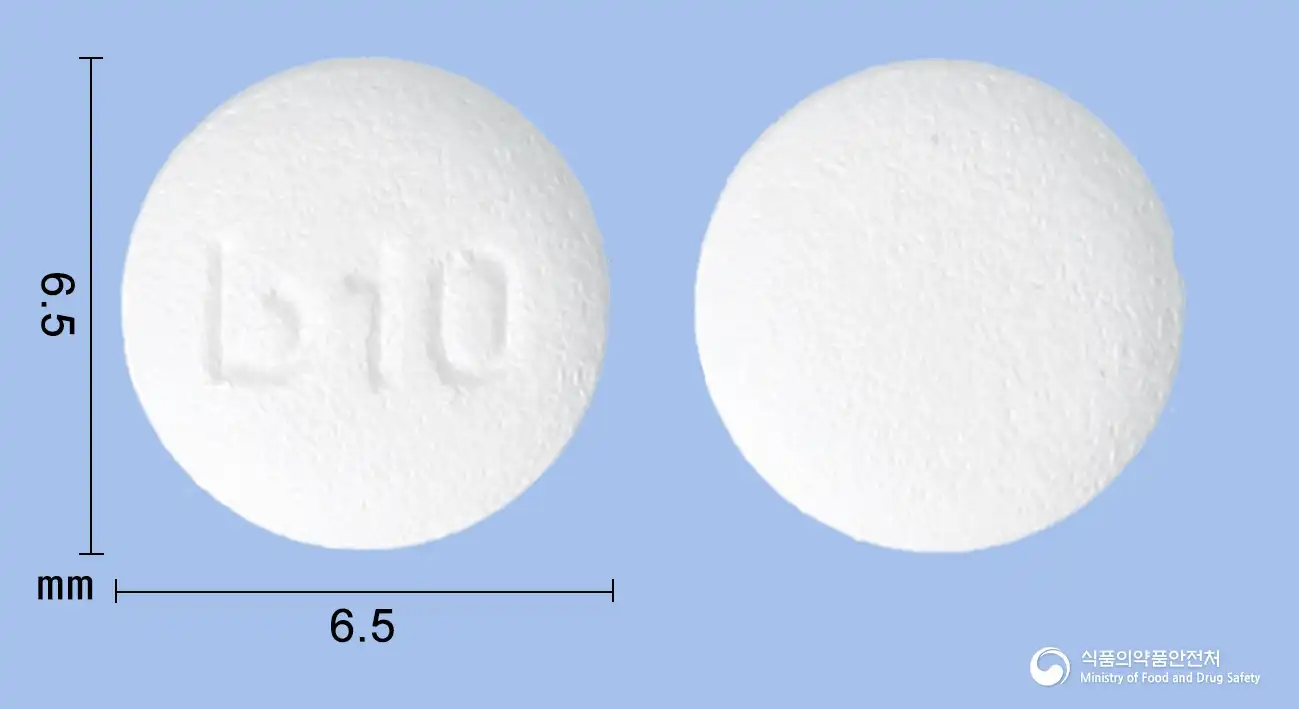
Brivaracetam 10mg
Tablet · Prescription medication
Daewoong Pharmaceutical Co., Ltd.
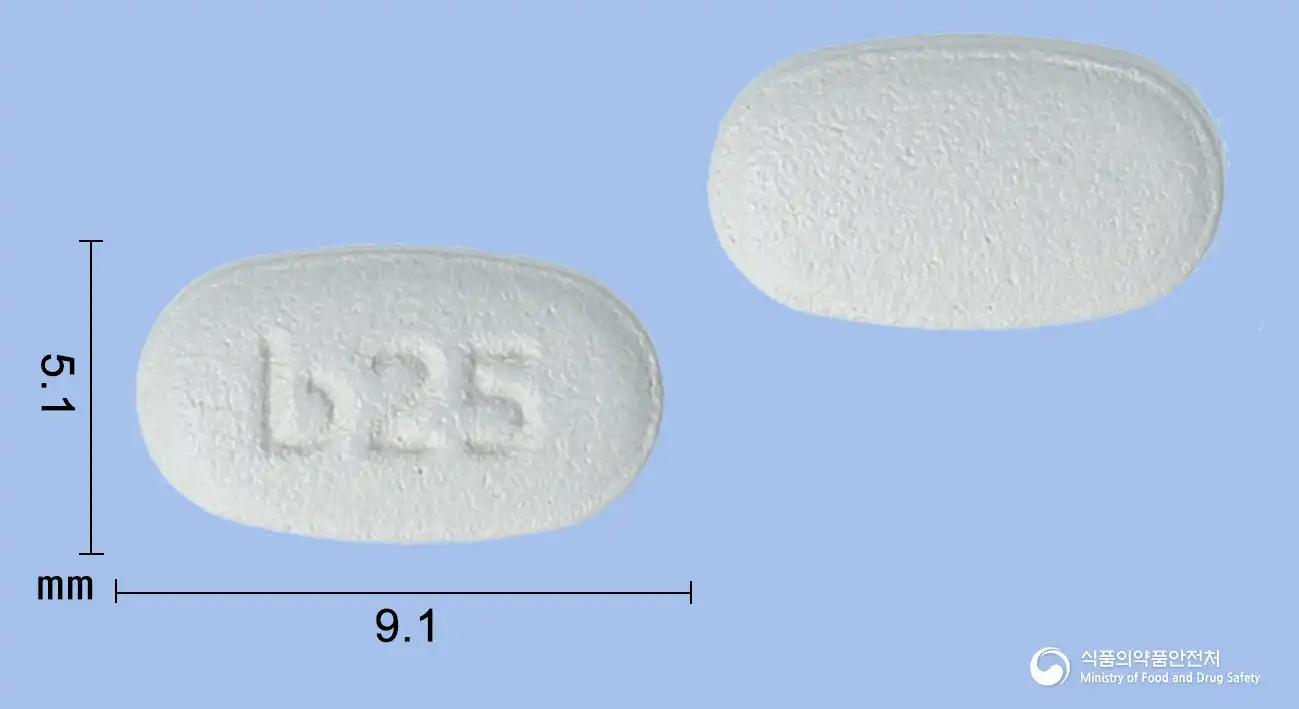
Brivaracetam 25mg
Tablet · Prescription medication
Daewoong Pharm. Co., Ltd.
Even with the same ingredient, the dose and directions can differ by strength and dosage form. Talk to a doctor or pharmacist before switching from a medication you are already taking.
No questions yet.
For anything that needs medical judgment, consult a doctor or pharmacist.
This drug information is based on data provided by the Korea Ministry of Food and Drug Safety.
Consult a doctor or pharmacist for accurate dosage, administration, and usage instructions.