
 한국어
 English
 日本語
 中文(简体)
Dosage form image
Viewing nowUjedionm Injection 125 mg (Risperidone)
Risperidone 125mg
Injections · Prescription medication
Handok Teva Co., Ltd.
MFDS item code 202502347 · Approved 2025.09.05
Treatment of schizophrenia in adults
This medication is used to treat schizophrenia in adults. Schizophrenia is a mental disorder that affects thoughts, feelings, and behaviors, and appropriate treatment can improve symptoms. This drug helps alleviate symptoms such as hallucinations and delusions, thereby improving the quality of daily life. It is also effective in preventing the recurrence of symptoms with consistent use. Therefore, this medication is used to manage symptoms and enhance the quality of life for adult patients with schizophrenia.
1. Adults: For patients who have never received risperidone, establish tolerability with oral risperidone before administering this medicine. This medicine must be administered by a healthcare professional as a subcutaneous injection into the abdomen or upper arm and must not be administered by any other route. (See Precautions for Use, “9. Precautions for Administration.”) When switching patients receiving a stabilized dose of oral risperidone to this medicine, start treatment by administering this medicine once every month on the day after the last oral dose. • Switching patients receiving oral risperidone See Table 1 below for how to switch from oral risperidone to this medicine. A loading dose or additional oral risperidone is not recommended when switching. Switching to this medicine has not been studied in patients previously treated with an oral risperidone daily dose exceeding 5mg. Table 1. Recommended doses when switching from daily oral risperidone to this medicine Previous treatment (daily oral risperidone dose) Dose of this medicine (administered once every month) 2mg 50mg 3mg 75mg 4mg 100mg 5mg 125mg • Switching patients receiving a long-acting risperidone injection Patients may be switched between this medicine and a risperidone injection administered once every 2 months (see Table 2). In this case, administer the first dose of the new regimen on the next scheduled administration date of the original regimen. Adjust the dosing schedule to reflect the change. Table 2. Doses for switching between this medicine and a risperidone injection administered once every 2 months Dose of this medicine (administered once every month) Dose of Yujedi 2M Injection (risperidone) (administered once every 2 months) 75mg 150mg 100mg 200mg 125mg 250mg If a dose is missed, administer the next dose as soon as possible. Do not administer more frequently than the recommended schedule. It may be administered within 1 week before or after the scheduled monthly administration date; however, the safety and efficacy of administration more than 1 week outside this period have not been established. 2. Patients with renal or hepatic impairment This medicine has not been studied in patients with renal or hepatic impairment. Before starting this medicine in patients with renal or hepatic impairment, titrate oral risperidone to at least 2 mg once daily. Based on clinical response and tolerability after oral titration, a dose of 50 mg of this medicine once every month is recommended. 3. Dose adjustment with concomitant use of strong CYP2D6 inhibitors and strong CYP3A4 inducers [See Precautions for Use 6. Drug Interactions] 1) Concomitant use with strong CYP2D6 inhibitors If a strong CYP2D6 inhibitor (e.g., fluoxetine or paroxetine) is initiated in a patient receiving this medicine, risperidone plasma concentrations may increase; therefore, administration of a lower dose of this medicine is recommended before concomitant use of a CYP2D6 inhibitor. If a strong CYP2D6 inhibitor is initiated in a patient receiving the lowest dose of this medicine (50mg once every month), continue treatment at that dose unless treatment discontinuation is considered clinically necessary. The effect of discontinuing a strong CYP2D6 inhibitor on the pharmacokinetics of risperidone and 9-hydroxyrisperidone has not been studied. 2) Concomitant use with strong CYP3A4 inducers When treatment with a strong CYP3A4 inducer (e.g., carbamazepine) is initiated, closely monitor the patient, as dose adjustment of this medicine may be necessary during the first 4~8 weeks. For patients receiving a particular dose of this medicine, consider increasing the dose by one dose level. For patients receiving 125 mg of this medicine once every month, additional oral risperidone may be considered. If treatment with a strong CYP3A4 inducer is discontinued, risperidone plasma concentrations may increase; therefore, reassess the dose of this medicine and any additional oral risperidone dose, and reduce the dose of this medicine if necessary. For patients receiving 50mg of this medicine once every month, continue treatment at that dose unless treatment discontinuation is considered clinically necessary.
This medication should not be used in elderly patients with dementia as it may increase the risk of death. Before administering this medication, risk factors for venous thromboembolism must be assessed, and necessary preventive measures should be taken. It should not be administered to patients who are allergic to risperidone or any ingredient in this medication, as hypersensitivity reactions may occur. Patients with a history of cardiovascular or cerebrovascular diseases, those at risk of hypotension, elderly patients, patients with impaired kidney or liver function, those with a history of seizures, patients with Parkinson's disease, and women who are pregnant or breastfeeding should use this medication with caution. During administration of this drug, side effects such as drowsiness, dizziness, weight gain, gastrointestinal disturbances, and muscle stiffness may occur, so symptoms should be monitored closely. Regular monitoring of heart condition is important as increased heart rate or changes in electrocardiogram may occur. Pain, rash, or itching at the injection site may occur, so the injection site should be checked frequently. This medication can affect the central nervous system, impairing judgment and motor functions, so caution is advised when driving or operating hazardous machinery. During pregnancy, symptoms of extrapyramidal effects or withdrawal may occur in the newborn, so the use of this medication should be decided with caution during pregnancy. Breastfeeding mothers should observe the condition of their infants as the drug's components may be transmitted through breast milk. In the case of overdose, symptoms such as drowsiness, hypotension, increased heart rate, and seizures may occur, so immediate medical assistance should be sought. Caution is advised when this medication is taken with other central nervous system drugs or alcohol as side effects may increase. There may be interactions when taken with antihypertensive or dopamine agonist agents, so consultation with a physician is necessary. Elderly patients are prone to decreased kidney function, so dosage adjustment and monitoring are required. If unusual symptoms occur during treatment, medical personnel should be notified immediately and appropriate measures should be taken.
Not everyone experiences these, and they can vary from person to person.
This medication should be stored in a sealed container to protect it from air and light, and it is best kept refrigerated at a temperature between 2 degrees and 8 degrees Celsius. Storing it this way helps maintain the drug's effectiveness and prevents degradation.
A milky opaque solid of white to light gray color under refrigeration, and a milky opaque suspension of white to light gray color in a clear prefilled syringe at room temperature.
1 prefilled syringe/box [prefilled syringe (125 mg/0.35 mL)] - 125 mg/prefilled syringe [prefilled syringe (125 mg/0.35 mL)]
Even with the same ingredient, strength, dosage form and how it is taken can differ.
Risperidone 125mg
Injections · Prescription medication
Handok Teva Co., Ltd.
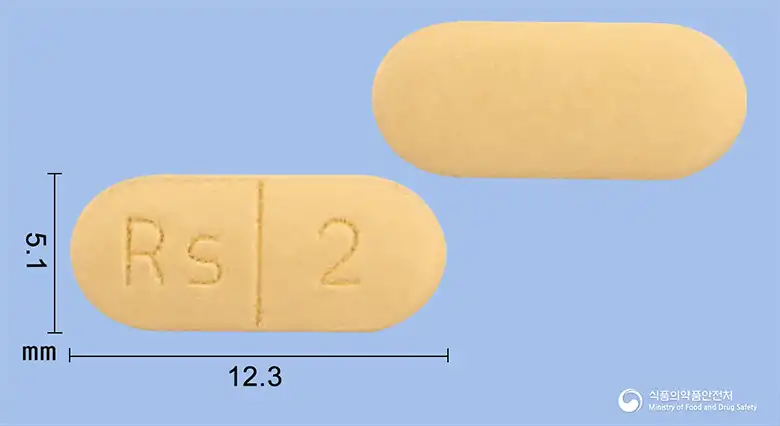
Risperidone 2mg
Tablet · Prescription medication
Myungin Pharmaceutical Co., Ltd.
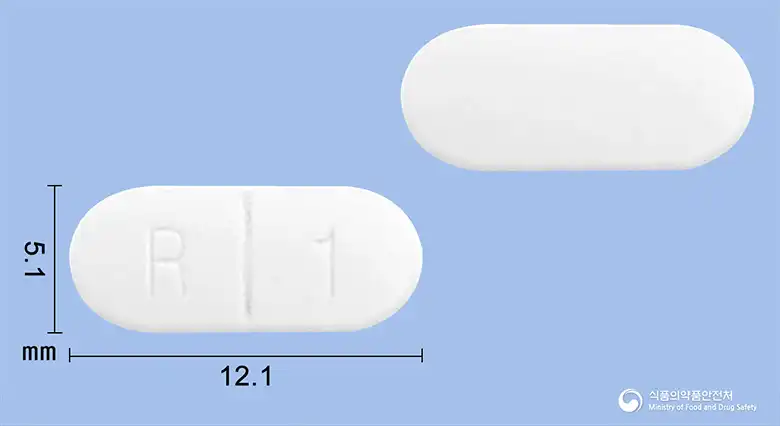
Risperidone 1mg
Tablet · Prescription medication
Han-in Pharmaceutical Co., Ltd.
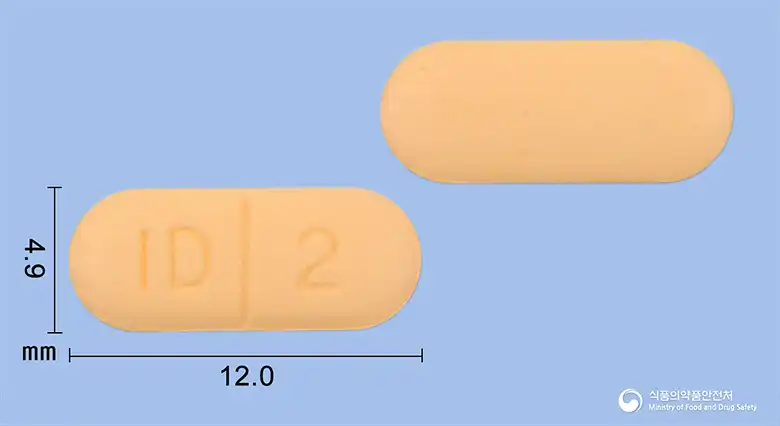
Risperidone 2mg
Tablet · Prescription medication
Ildong Pharmaceutical Co., Ltd.
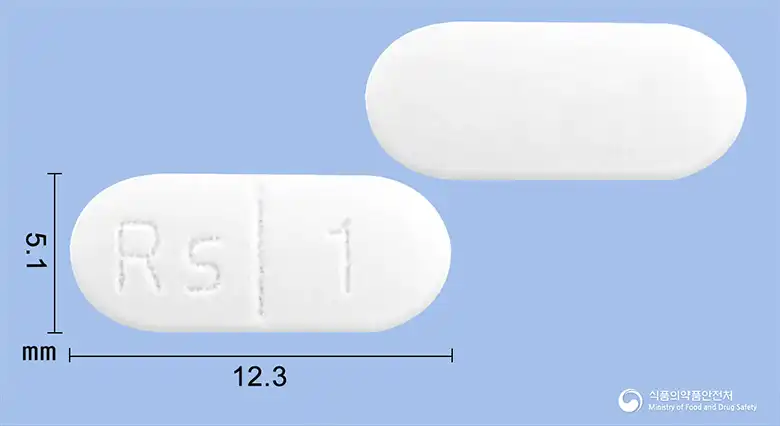
Risperidone 1mg
Tablet · Prescription medication
Myungin Pharmaceutical Co., Ltd.
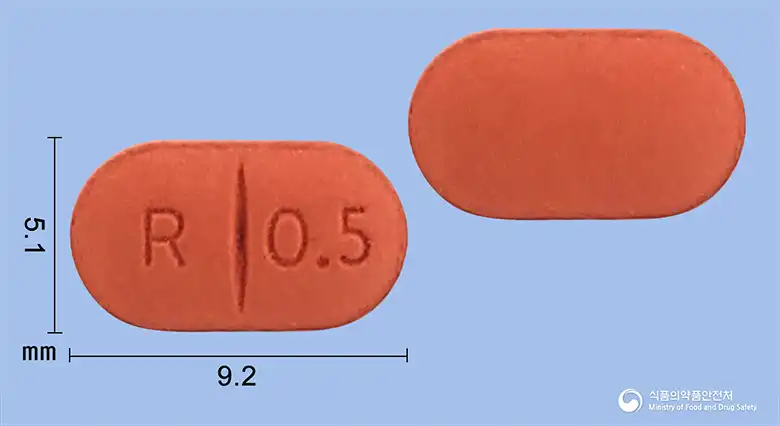
Risperidone 0.5mg
Tablet · Prescription medication
Hwanin Pharmaceutical Co., Ltd.
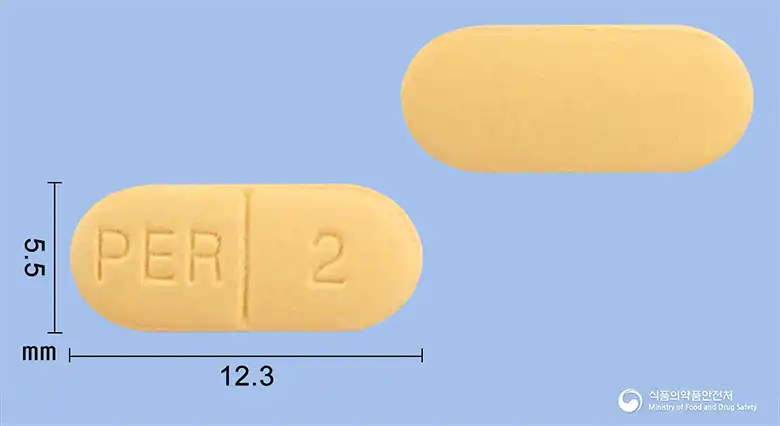
Risperidone 2mg
Tablet · Prescription medication
Unimed Pharmaceuticals Co., Ltd.
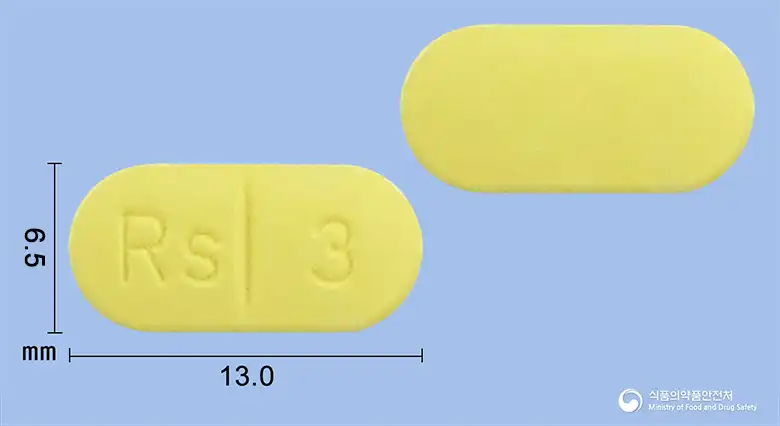
Risperidone 3mg
Tablet · Prescription medication
Myungjin Pharmaceutical Co., Ltd.
Even with the same ingredient, the dose and directions can differ by strength and dosage form. Talk to a doctor or pharmacist before switching from a medication you are already taking.
No questions yet.
For anything that needs medical judgment, consult a doctor or pharmacist.
This drug information is based on data provided by the Korea Ministry of Food and Drug Safety.
Consult a doctor or pharmacist for accurate dosage, administration, and usage instructions.