
 한국어
한국어 English
 日本語
日本語 中文(简体)
Dosage form image
Viewing nowAdrality Patch 5 mg/day (Donepezil Hydrochloride Hydrate)
Donepezil Hydrochloride Hydrate 96.9mg
Prescription medication
AlboGen Korea Co., Ltd.
MFDS item code 202502153 · Approved 2025.08.19
Improvement of symptoms of Alzheimer's type dementia
This medication is used for the treatment of symptoms related to Alzheimer's type dementia.
The recommended starting dose of this medication is 5 mg per day. After 4 to 6 weeks, it can be increased to the maximum recommended dose of 10 mg per day. Apply one patch weekly to the skin. Dosages exceeding 10 mg per day have not been evaluated. Method of Administration Each patch delivers 5 mg or 10 mg of donepezil over a 7-day (1-week cycle). After 7 days, the used patch should be removed and a new patch applied.
This medication contains Donepezil Hydrochloride Hydrate, used primarily for improving symptoms of Alzheimer's type dementia. First, this medication should not be used by individuals who have allergies to Donepezil, piperidine derivatives, or any of the components of this medication. Women who are pregnant or may become pregnant and those who are breastfeeding should also not take this medication. Patients with heart diseases or conditions that cause cardiac conduction disorders should use this medication cautiously as it can stimulate the vagus nerve and cause bradycardia or arrhythmias. Individuals taking non-steroidal anti-inflammatory drugs or with a history of peptic ulcers should be cautious as gastric acid secretion and gastrointestinal motility can increase, leading to the risk of worsening ulcers. In cases of asthma or obstructive pulmonary disease, this medication can cause bronchial smooth muscle contraction and increased mucus secretion, which may worsen symptoms. Patients with extrapyramidal disorders such as Parkinson's disease may experience worsening symptoms due to the stimulation of cholinergic nerves, necessitating close observation. Serious adverse effects may arise while taking this medication, including syncope, bradycardia, heart block, gastrointestinal bleeding, liver dysfunction, epileptic seizures, movement disorders, acute pancreatitis, acute renal failure, and sudden death; immediate medical attention should be sought if these symptoms occur. Common side effects include nausea, vomiting, diarrhea, dizziness, insomnia, headache, fatigue, and diminished appetite, most of which are transient and mild. This medication is not approved for other types of dementia or memory disorders and should only be used under the supervision of a physician experienced in the diagnosis and treatment of Alzheimer's type dementia. Patients with heart diseases may need an electrocardiogram due to the risk of bradycardia or arrhythmia, and individuals with a history of peptic ulcers should be closely monitored for gastrointestinal symptoms. This medication may affect the ability to drive or operate machinery, necessitating caution during the initial dosing or any dose adjustments. This medication is metabolized by specific liver enzymes and may interact with certain antibiotics, antidepressants, and antiarrhythmics, so caution is needed when used concurrently. It is advisable to avoid use during pregnancy, and breastfeeding mothers should either discontinue breastfeeding or avoid using this medication. Safety in pediatric patients has not been established, thus it should not be used in children. In cases of overdose, severe symptoms such as nausea, vomiting, sweating, bradycardia, and respiratory depression may occur, requiring appropriate detoxification treatment. This medication should be applied to clean, dry skin, and should not be re-applied to the same site within 14 days. Always remove the previous patch before applying a new one. After use, hands should be washed thoroughly, and if it comes into contact with the eyes, it should be rinsed immediately; if symptoms persist, medical advice should be sought. For storage, this medication should be kept in a tightly sealed container out of the reach of children in the fridge (2–8°C), it should not be frozen, and unused patches should be stored in a sealed condition. Used patches should be disposed of with the adhesive side stuck to itself as regular waste, taking care not to flush them down the toilet.
Syncope, bradycardia, heart block, QT interval prolongation, myocardial infarction, heart failure, peptic ulcers, perforated duodenal perforation, gastrointestinal bleeding, hepatitis, liver dysfunction, jaundice, cerebral seizures, epilepsy, convulsions, cerebral hemorrhage, cerebrovascular disorders, extrapyramidal symptoms, neuroleptic malignant syndrome, rhabdomyolysis, dyspnea, acute pancreatitis, acute renal failure, unexplained sudden death, severe allergic reactions (urticaria, severe swelling, chest tightness
Not everyone experiences these, and they can vary from person to person.
This medication should be stored in a tightly sealed container that prevents light exposure, maintaining a temperature between 2 to 8 degrees Celsius in the refrigerator. This way of storage helps maintain the drug's efficacy and prevent degradation.
A transdermal patch consisting of a pale blue colored backing and a brown square applicator, with rounded corners, that is affixed to the white to off-white support cut into 4 segments.
4 patches/box [(1 patch/pack x 4)]
Even with the same ingredient, strength, dosage form and how it is taken can differ.
Donepezil Hydrochloride Hydrate 96.9mg
Prescription medication
AlboGen Korea Co., Ltd.
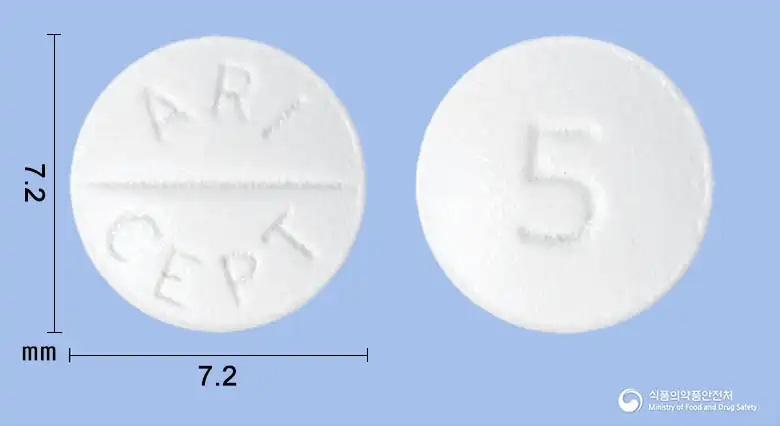
Donepezil Hydrochloride 5mg
Tablet · Prescription medication
HanDoc Co., Ltd.
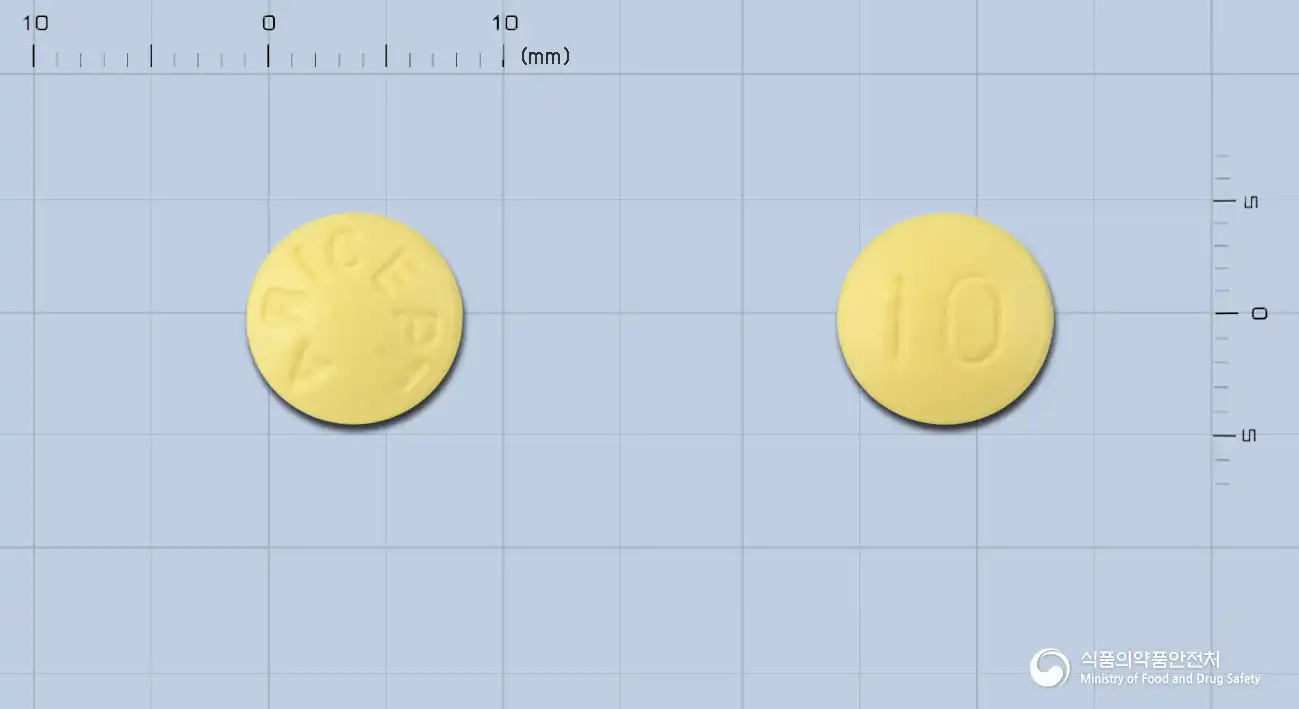
Donepezil Hydrochloride 10mg
Tablet · Prescription medication
Hanmi Pharmaceutical Co., Ltd.

Donepezil Hydrochloride Hydrate 10.43mg
Tablet · Prescription medication
IYun Pharmaceuticals Co., Ltd.
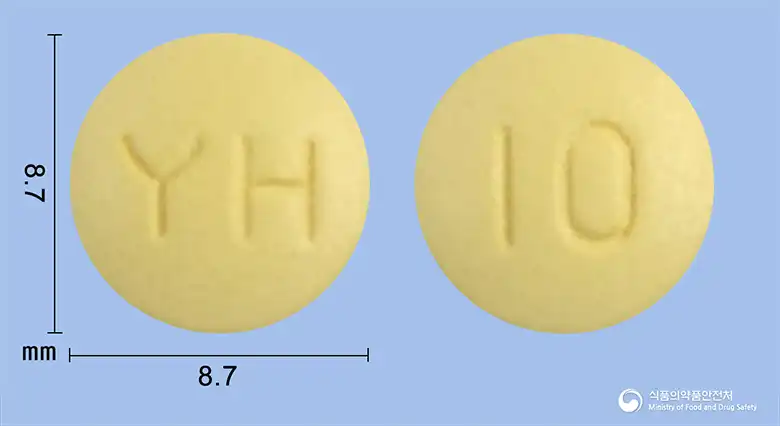
Donepezil Hydrochloride Hydrate 10.43mg
Tablet · Prescription medication
Yuhan Corporation
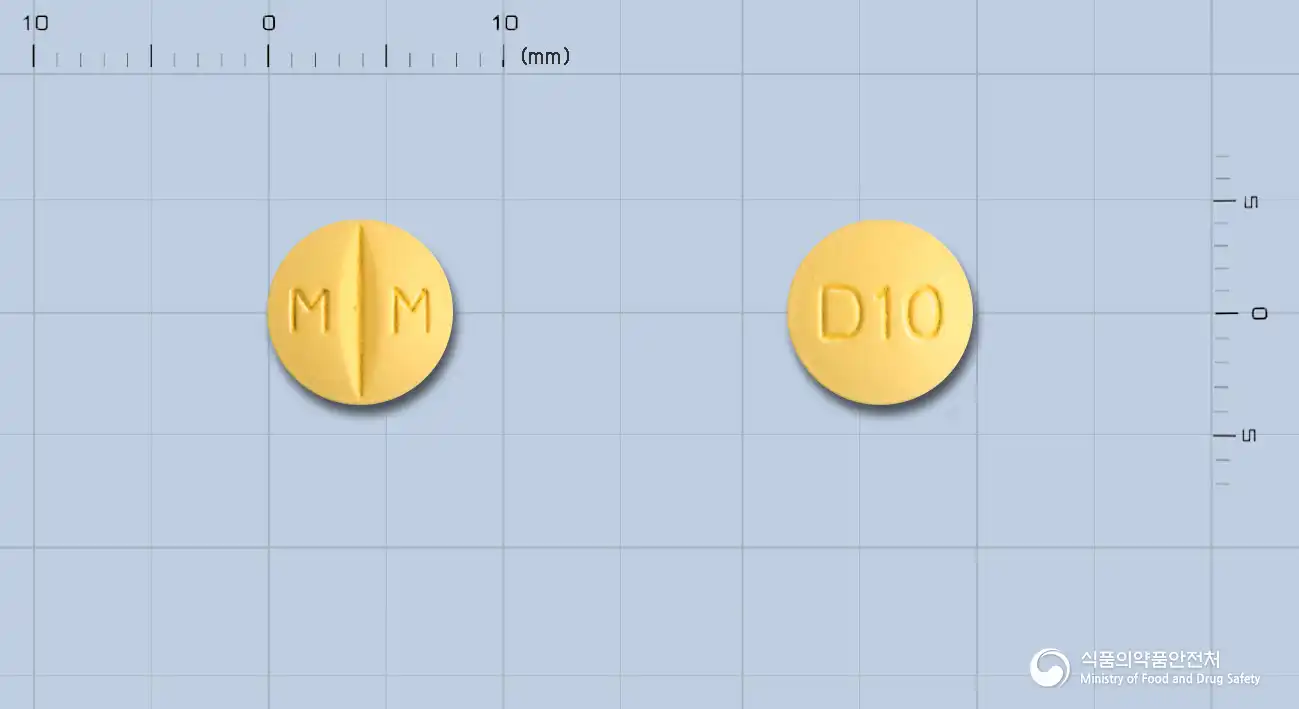
Donepezil Hydrochloride Hydrate 10.43mg
Tablet · Prescription medication
Myungmoon Pharmaceutical Co., Ltd.
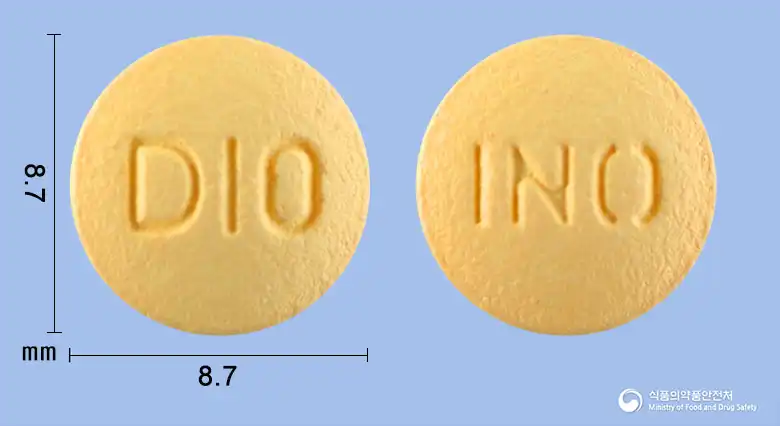
Donepezil Hydrochloride Hydrate 10.43mg
Tablet · Prescription medication
HK inno.N Co., Ltd.
Donepezil Hydrochloride 10mg
Tablet · Prescription medication
Celltrion Pharmaceutical Co., Ltd.
Even with the same ingredient, the dose and directions can differ by strength and dosage form. Talk to a doctor or pharmacist before switching from a medication you are already taking.
No questions yet.
For anything that needs medical judgment, consult a doctor or pharmacist.
This drug information is based on data provided by the Korea Ministry of Food and Drug Safety.
Consult a doctor or pharmacist for accurate dosage, administration, and usage instructions.