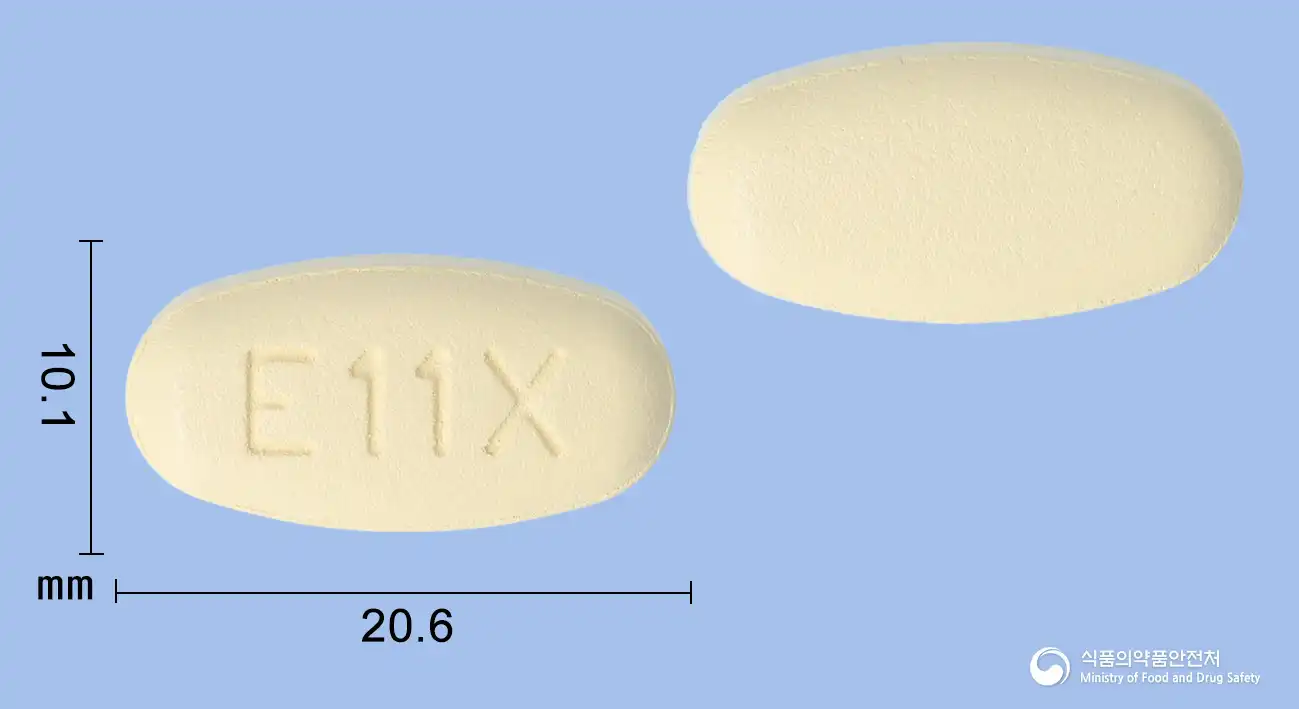
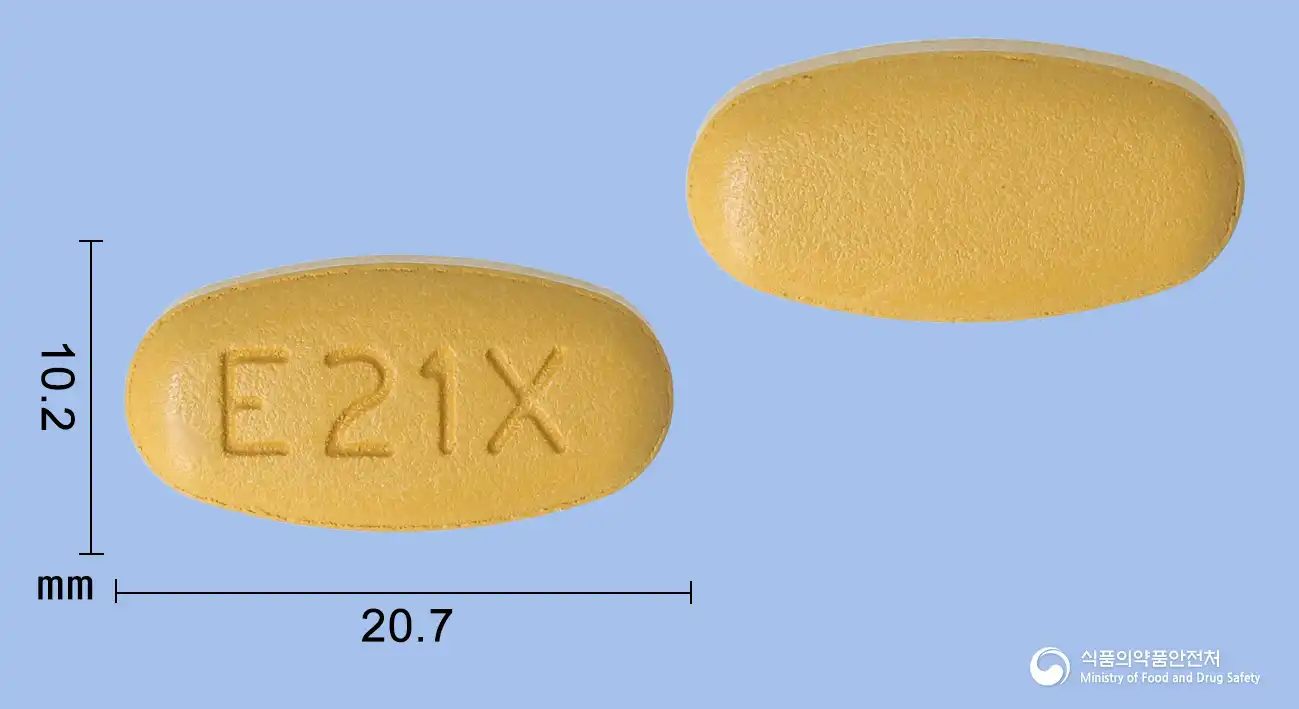
Improvement in blood sugar control in type 2 diabetes
Who takes it
Adults
Adult dose
The recommended dosage of this medication should not exceed the maximum daily doses of each component, which are Empagliflozin 25 mg, Sitagliptin 100 mg, and controlled release Metformin Hydrochloride 2000 mg, and should be determined considering each patient's current treatment regimen, efficacy, and tolerability. This medication should be taken once daily with dinner to minimize gastrointestinal side effects associated with Metformin Hydrochloride, while the dosage of Metformin Hydrochloride can be adjusted gradually if necessary.
Patients taking 25/100/1000 mg, or 10/100/1000 mg controlled release tablets should take one tablet once daily. Patients taking 12.5/50/750 mg, or 5/50/750 mg controlled release tablets should take two tablets once daily.
For patients unable to adequately control blood sugar with the combination of Metformin Hydrochloride and Sitagliptin, the initial dose of this medication should consist of Empagliflozin 10 mg, Sitagliptin 100 mg, and the current dose of Metformin Hydrochloride or a therapeutically appropriate equivalent dose. If the patient tolerates Empagliflozin 10 mg and requires additional blood sugar control, the dose can be increased to Empagliflozin 25 mg. In patients switching to this medication from a combination therapy of Empagliflozin, Sitagliptin, and Metformin Hydrochloride, the dose of this medication should be based on the existing doses of each component. To maintain the controlled-release properties, this medication should be swallowed whole without breaking or chewing. It may be excreted incomplete and may be found in the stool. It is unknown whether any active ingredients are present in the excreted matter. If a patient reports repeatedly finding this medication in their stool, the healthcare professional should evaluate whether the blood sugar control is adequate (refer to usage precautions 5. General precautions).
The safety and efficacy of this medication have not been specifically evaluated in patients switched from other blood glucose-lowering agents. Therefore, any changes in the treatment of type 2 diabetes should be carried out with careful monitoring, as it may induce changes in blood sugar control.
Special Population
Patients with Renal Dysfunction
The efficacy and safety of this medication differ based on renal function, and dosage adjustment based on renal function is necessary, thus regular assessment of renal function is recommended before and after the administration of this medication.
Patients with mild renal impairment (creatinine clearance (CrCl) ≥ 60 mL/min or estimated glomerular filtration rate (eGFR) ≥ 60 mL/min/1.73 m2) do not require dosage adjustment.
In patients with moderate renal impairment (CKD stage 3A, creatinine clearance (CrCl) ≥ 45 mL/min and < 60 mL/min, or estimated glomerular filtration rate (eGFR) ≥ 45 mL/min/1.73m2 and < 60 mL/min/1.73m2), this medication can be used with dosage adjustments of Metformin Hydrochloride if tolerability is good and no other symptoms that could increase the risk of lactic acidosis are present. The starting dose of controlled release Metformin Hydrochloride is 500 mg or 750 mg once daily; therefore, this medication should not be initiated with this starting dose. The maximum daily dose of Metformin Hydrochloride is 1000 mg. If creatinine clearance (CrCl) falls below 45 mL/min or estimated glomerular filtration rate (eGFR) falls below 45 mL/min/1.73m2, administration of this medication must be stopped immediately.
Improvement in blood sugar control in type 2 diabetes
View approved original textHide original text
This medication helps improve blood sugar control when used in combination with diet and exercise for adults with type 2 diabetes. The three active ingredients, Empagliflozin, Sitagliptin, and Metformin, work together to effectively support blood sugar management. It can help stabilize blood sugar levels and may contribute to the prevention of complications. Therefore, this medication is a highly suitable treatment for blood sugar control in diabetic patients.
How to take
Adult dose
The recommended dosage of this medication should not exceed the maximum daily doses of each component, which are Empagliflozin 25 mg, Sitagliptin 100 mg, and controlled release Metformin Hydrochloride 2000 mg, and should be determined considering each patient's current treatment regimen, efficacy, and tolerability. This medication should be taken once daily with dinner to minimize gastrointestinal side effects associated with Metformin Hydrochloride, while the dosage of Metformin Hydrochloride can be adjusted gradually if necessary.
Patients taking 25/100/1000 mg, or 10/100/1000 mg controlled release tablets should take one tablet once daily. Patients taking 12.5/50/750 mg, or 5/50/750 mg controlled release tablets should take two tablets once daily.
For patients unable to adequately control blood sugar with the combination of Metformin Hydrochloride and Sitagliptin, the initial dose of this medication should consist of Empagliflozin 10 mg, Sitagliptin 100 mg, and the current dose of Metformin Hydrochloride or a therapeutically appropriate equivalent dose. If the patient tolerates Empagliflozin 10 mg and requires additional blood sugar control, the dose can be increased to Empagliflozin 25 mg. In patients switching to this medication from a combination therapy of Empagliflozin, Sitagliptin, and Metformin Hydrochloride, the dose of this medication should be based on the existing doses of each component. To maintain the controlled-release properties, this medication should be swallowed whole without breaking or chewing. It may be excreted incomplete and may be found in the stool. It is unknown whether any active ingredients are present in the excreted matter. If a patient reports repeatedly finding this medication in their stool, the healthcare professional should evaluate whether the blood sugar control is adequate (refer to usage precautions 5. General precautions).
The safety and efficacy of this medication have not been specifically evaluated in patients switched from other blood glucose-lowering agents. Therefore, any changes in the treatment of type 2 diabetes should be carried out with careful monitoring, as it may induce changes in blood sugar control.
Special Population
Patients with Renal Dysfunction
The efficacy and safety of this medication differ based on renal function, and dosage adjustment based on renal function is necessary, thus regular assessment of renal function is recommended before and after the administration of this medication.
Patients with mild renal impairment (creatinine clearance (CrCl) ≥ 60 mL/min or estimated glomerular filtration rate (eGFR) ≥ 60 mL/min/1.73 m2) do not require dosage adjustment.
In patients with moderate renal impairment (CKD stage 3A, creatinine clearance (CrCl) ≥ 45 mL/min and < 60 mL/min, or estimated glomerular filtration rate (eGFR) ≥ 45 mL/min/1.73m2 and < 60 mL/min/1.73m2), this medication can be used with dosage adjustments of Metformin Hydrochloride if tolerability is good and no other symptoms that could increase the risk of lactic acidosis are present. The starting dose of controlled release Metformin Hydrochloride is 500 mg or 750 mg once daily; therefore, this medication should not be initiated with this starting dose. The maximum daily dose of Metformin Hydrochloride is 1000 mg. If creatinine clearance (CrCl) falls below 45 mL/min or estimated glomerular filtration rate (eGFR) falls below 45 mL/min/1.73m2, administration of this medication must be stopped immediately.
Precautions
This medication works by combining three ingredients to help control blood sugar.
First, the Sitagliptin component may rarely cause serious allergic reactions. If symptoms such as skin rash, difficulty breathing, or swelling of the face or neck occur, stop taking the medication immediately and consult a physician.
Additionally, Sitagliptin can cause acute pancreatitis, which is an inflammation of the pancreas; therefore, any symptoms of pancreatitis such as abdominal pain, vomiting, or nausea should be reported to healthcare professionals immediately.
Second, the Metformin component may rarely lead to a very serious metabolic disorder called lactic acidosis. Lactic acidosis occurs when lactic acid builds up excessively in the body, with symptoms such as fatigue, muscle pain, difficulty breathing, and abdominal pain; if any of these symptoms appear, emergency medical attention should be sought.
This medication should not be used in patients with severely impaired kidney function, acute heart failure, severe infections, or liver dysfunction, and should be temporarily discontinued in cases of scheduled surgery or serious illness.
While using this medication, regular blood tests and kidney function tests should be conducted, especially for elderly patients or those with impaired kidney function, who may require more frequent assessments.
There is a risk of hypoglycemia with this medication, so those taking insulin or sulfonylureas should frequently check their blood sugar and be wary of symptoms of low blood sugar.
Furthermore, situations that cause fluid loss, such as dehydration, diarrhea, or vomiting may lead to blood pressure reduction or electrolyte imbalance; hence, it is advisable to consult a healthcare professional in such circumstances.
Genital infections or urinary tract infections may occur, and if related symptoms appear, immediate treatment should be sought. Additionally, severe fever or perineal pain could indicate serious infection, necessitating a visit to a medical institution.
This medication must be swallowed whole without breaking, crushing, or chewing.
Caution is needed when driving or operating machinery due to the risk of hypoglycemia.
Finally, alcohol consumption can increase the risk of lactic acidosis, so it is advisable to avoid excessive drinking while on this medication.
Side effects and when to seek care immediately
Serious side effects
Urticaria
angioedema
anaphylaxis
Stevens-Johnson syndrome
exfoliative skin disease
acute pancreatitis
lactic acidosis
acute renal failure
acute kidney injury
ketoacidosis
Show 17 moreCollapse
urosepticemia
pyelonephritis
perineal necrosis
blistering dermatitis
heart failure
decreased fluid volume
headache
cerebral infarction
intracranial aneurysm
pneumonia
diabetes complications
metabolic acidosis
cardiac arrest
pneumonia
thrombocytopenia
acute cholecystitis
autoimmune hepatitis
Mild side effects
Dyspepsia
abdominal pain
diarrhea
vomiting
gastritis
gastrointestinal disorders
headache
dizziness
itching
rash
Show 22 moreCollapse
urticaria
angioedema
vulvovaginal infection
balanitis
increased urination
urinary tract infection
thirst
weight loss
peripheral edema
increased serum lipids
elevated blood creatinine
decreased glomerular filtration rate
thrombocytopenia
myalgia
limb pain
back pain
facial swelling
orthostatic dizziness
drowsiness
anxiety
insomnia
constipation
Not everyone experiences these, and they can vary from person to person.
Storage
Store this medication in a tightly sealed container to prevent exposure to air or moisture. It is advisable to maintain room temperature between 1 to 30 degrees Celsius.
Even with the same ingredient, the dose and directions can differ by strength and dosage form. Talk to a doctor or pharmacist before switching from a medication you are already taking.
Questions about this medicine
No questions yet.
For anything that needs medical judgment, consult a doctor or pharmacist.
This drug information is based on data provided by the Korea Ministry of Food and Drug Safety. Consult a doctor or pharmacist for accurate dosage, administration, and usage instructions.

 한국어
한국어 English
 日本語
日本語 中文(简体)