
 한국어
한국어 English
 日本語
日本語 中文(简体)
 Viewing nowCombination
Traduo M-Pass Extended Release Tablet 25/5/1000 mg (Empagliflozin, Linagliptin, Metformin)
Empagliflozin 25mg · Linagliptin 5mg +1 more
Tablet · Prescription medication · Combination
(Co., Ltd.) Yuhan Corporation
MFDS item code 202501956 · Approved 2025.07.29 · Insurance code 642106360
Improvement of blood sugar control in type 2 diabetes
This medication helps improve blood sugar control in patients with type 2 diabetes. It is used in conjunction with empagliflozin, linagliptin, and metformin to assist with dietary and exercise therapy. This helps effectively manage blood sugar levels and contributes to the prevention of complications, allowing patients to maintain a healthier blood sugar state in their daily lives.
The dosage of this medication is determined based on each ingredient's maximum daily dose of empagliflozin 25mg, linagliptin 5mg, and extended release metformin hydrochloride 2000mg, considering the patient's current treatment regimen, efficacy, and tolerance. This medication is taken once daily in the evening with meals to reduce gastrointestinal adverse effects associated with metformin hydrochloride, and dosage adjustments for metformin hydrochloride should be made as needed.
This medication can rarely cause a serious metabolic complication called lactic acidosis, which has been associated with reported cases of death. Therefore, it should not be used in patients with severely impaired kidney function, acute or chronic metabolic acidosis, or those undergoing dialysis. Additionally, it should be avoided in patients with severe heart failure or unstable physical conditions such as acute myocardial infarction, shock, or severe infections. Medication should be temporarily stopped before and after examinations using radiologic iodine contrast agents due to the risk of kidney damage and lactic acidosis. The level of the drug in the blood may vary depending on kidney function, so periodic kidney function tests are required before and during treatment. Special attention is needed for elderly patients or those with impaired kidney function. Careful monitoring is also required for patients with heart failure or a history of pancreatitis; if symptoms of acute pancreatitis occur, medication should be discontinued immediately. This medication may cause hypoglycemia, so dosage adjustments may be necessary to reduce the risk of hypoglycemia when used in conjunction with drugs that induce hypoglycemia, such as insulin or sulfonylureas. Irregular meals, vigorous exercise, and excessive alcohol intake may also increase the risk of hypoglycemia or lactic acidosis. Various side effects such as urinary tract infections, genital fungal infections, increased urination, decreased fluid volume, and abnormal liver function may occur during treatment with this medication; patients should consult their healthcare provider if unusual symptoms arise. Especially, if pain or swelling occurs around the perineum, immediate medical attention should be sought. The risk of lactic acidosis may increase when taken with alcohol, so excessive drinking should be avoided during treatment. Additionally, there may be interactions with other medications, so it is essential to inform healthcare providers of any other medications being taken. Finally, tablets should be swallowed whole without chewing or crushing, and while the drug shell may appear in stool, this is a normal occurrence.
Not everyone experiences these, and they can vary from person to person.
This medication should be stored in a tightly closed container to protect it from exposure to air or moisture. Additionally, it is recommended to store the medication at room temperature between 1°C and 30°C, avoiding extremely cold or hot places.
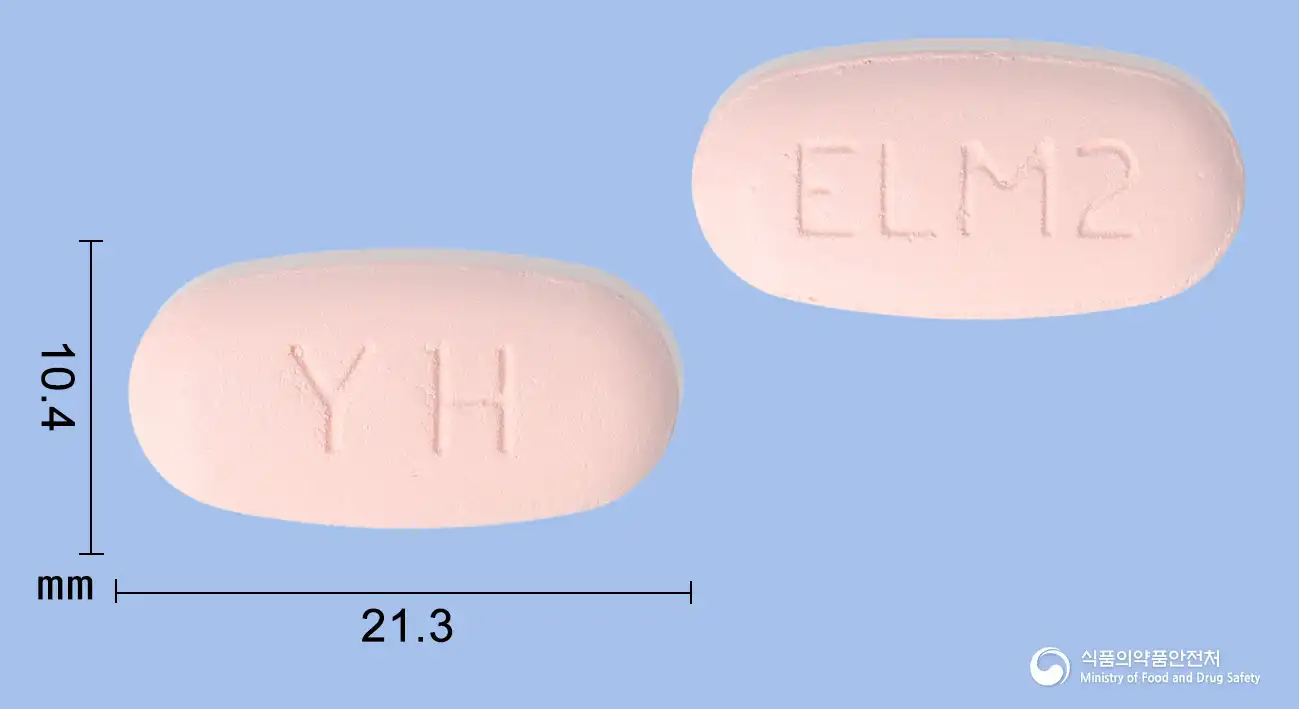
Pink oval film-coated extended release tablet
30 tablets/bottle
Even with the same ingredient, strength, dosage form and how it is taken can differ.
Viewing nowCombinationEmpagliflozin 25mg · Linagliptin 5mg +1 more
Tablet · Prescription medication · Combination
(Co., Ltd.) Yuhan Corporation
 Combination
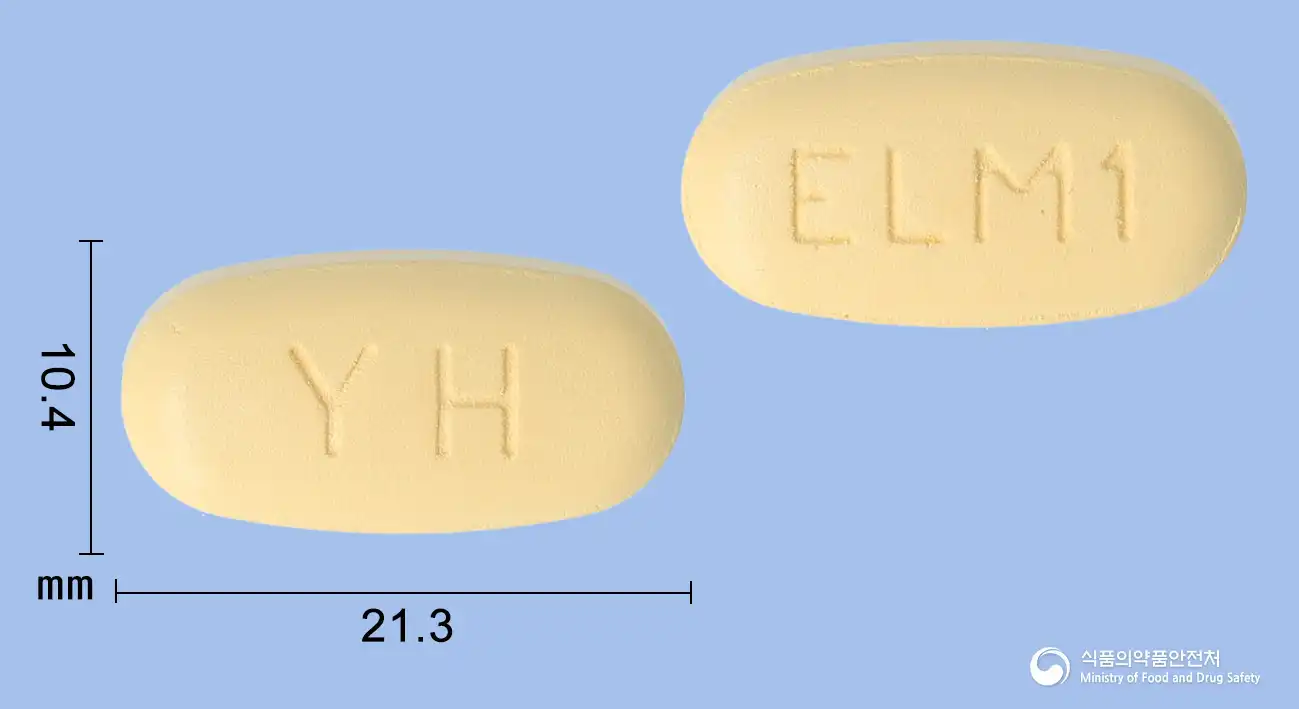
Empagliflozin 10mg · Linagliptin 5mg +1 more
Tablet · Prescription medication · Combination
Yuhan Corporation
Even with the same ingredient, the dose and directions can differ by strength and dosage form. Talk to a doctor or pharmacist before switching from a medication you are already taking.
No questions yet.
For anything that needs medical judgment, consult a doctor or pharmacist.
This drug information is based on data provided by the Korea Ministry of Food and Drug Safety.
Consult a doctor or pharmacist for accurate dosage, administration, and usage instructions.