
 한국어
 English
 日本語
 中文(简体)
 Viewing nowCombination
Tradjult MPA Sustained Release Tablet 10/5/1000 mg (Empagliflozin, Linagliptin, Metformin)
Empagliflozin 10mg · Linagliptin 5mg +1 more
Tablet · Prescription medication · Combination
Yuhan Corporation
MFDS item code 202501955 · Approved 2025.07.29 · Insurance code 642106350
Improvement of glycemic control in type 2 diabetes mellitus
This medication is prescribed to assist in blood sugar control for patients with type 2 diabetes when used alongside empagliflozin, linagliptin, and metformin. It helps to effectively manage blood sugar through a combination of dietary management and physical activity, thereby improving blood sugar control in patients with type 2 diabetes.
Determine the dose of this drug based on each patient's current treatment regimen, efficacy, and tolerability, without exceeding the maximum daily dose of each component: empagliflozin 25mg, linagliptin 5mg, and metformin hydrochloride extended-release 2000mg. Take this drug once daily in the evening with a meal. If the metformin hydrochloride dose needs adjustment, adjust it gradually. Patients taking this drug as extended-release tablets containing 10/5/1000 mg or 25/5/1000 mg should take 1 tablet once daily. The recommended starting dose is empagliflozin 10 mg/linagliptin 5 mg/metformin hydrochloride 1000mg once daily; if additional glycemic control is needed, the dose may be increased to 25/5/1000 mg once daily. To maintain the extended-release properties, swallow this drug whole; do not split, crush, grind, or chew it. Dose adjustment is required in patients with renal impairment according to renal function; the metformin hydrochloride dose may be adjusted in patients with moderate renal impairment. The starting dose of extended-release metformin hydrochloride is 500mg or 750mg once daily; therefore, treatment should not be initiated with this drug. The maximum daily dose of metformin hydrochloride is 1000mg. If the estimated glomerular filtration rate is below 45 mL/min/1.73m2, discontinue this drug immediately.
This medication may cause a rare complication known as lactic acidosis, which can lead to death in severe cases, so caution is required. This medication should not be used by individuals who are allergic to the active or inactive ingredients, patients with type 1 diabetes, patients with acute or chronic metabolic acidosis, patients undergoing dialysis, individuals with severe renal impairment, or patients with heart failure. The use of this medication should be discontinued before and after tests using iodinated contrast agents, and it may be resumed only after renal function has been confirmed to be normal. If the patient undergoes major surgery or experiences a severe infection, the use of this medication should also be temporarily halted, and it should be restarted only after the patient resumes normal food intake and renal function is restored. Since this medication may be affected by renal function, regular monitoring of renal function is essential before and during treatment. Patients with heart failure or a history of pancreatitis should take special care when using this medication and should discontinue it immediately and consult a physician if symptoms of pancreatitis appear. This medication may cause hypoglycemia; therefore, when taken with insulin or sulfonylureas, patients should be alert for symptoms of hypoglycemia and dosage adjustments may be necessary. There is an increased risk of urinary tract infections and genital fungal infections; therefore, prompt treatment should be sought if symptoms of infection occur. During treatment, dehydration, hypotension, and fluid loss may occur, so particularly in the elderly or individuals with cardiovascular disease, careful monitoring of blood pressure and fluid status is essential. This medication should not be administered to patients with impaired liver function, and consultation with a physician should occur immediately if symptoms of liver dysfunction appear. There is a risk of vitamin B12 deficiency; hence, patients on long-term therapy should regularly check their vitamin B12 levels. Alcohol consumption should be avoided while taking this medication, as excessive alcohol intake can increase the risk of lactic acidosis. Caution is required when driving or operating machinery due to the possibility of hypoglycemia, particularly when taken with insulin or sulfonylureas. Tablets should be swallowed whole without chewing or crushing, and it is normal for the tablet coating to be excreted in the stool. This medication may interact with other drugs; therefore, any other medications being taken must be disclosed to a doctor or pharmacist.
Not everyone experiences these, and they can vary from person to person.
This medication may be sensitive to air and moisture, so it should be stored in a tightly sealed container. The recommended storage temperature is room temperature between 1°C and 30°C.
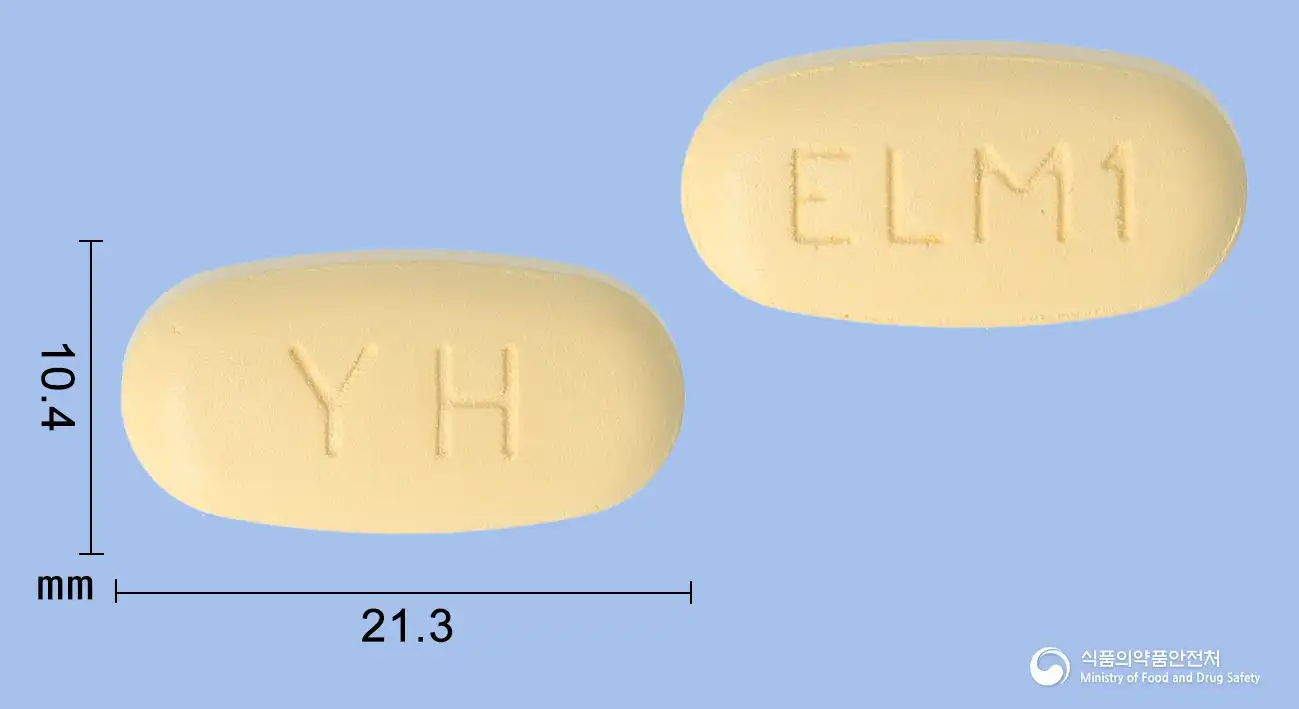
Yellow oval film-coated sustained release tablet
30 tablets/bottle
Even with the same ingredient, strength, dosage form and how it is taken can differ.
Viewing nowCombinationEmpagliflozin 10mg · Linagliptin 5mg +1 more
Tablet · Prescription medication · Combination
Yuhan Corporation
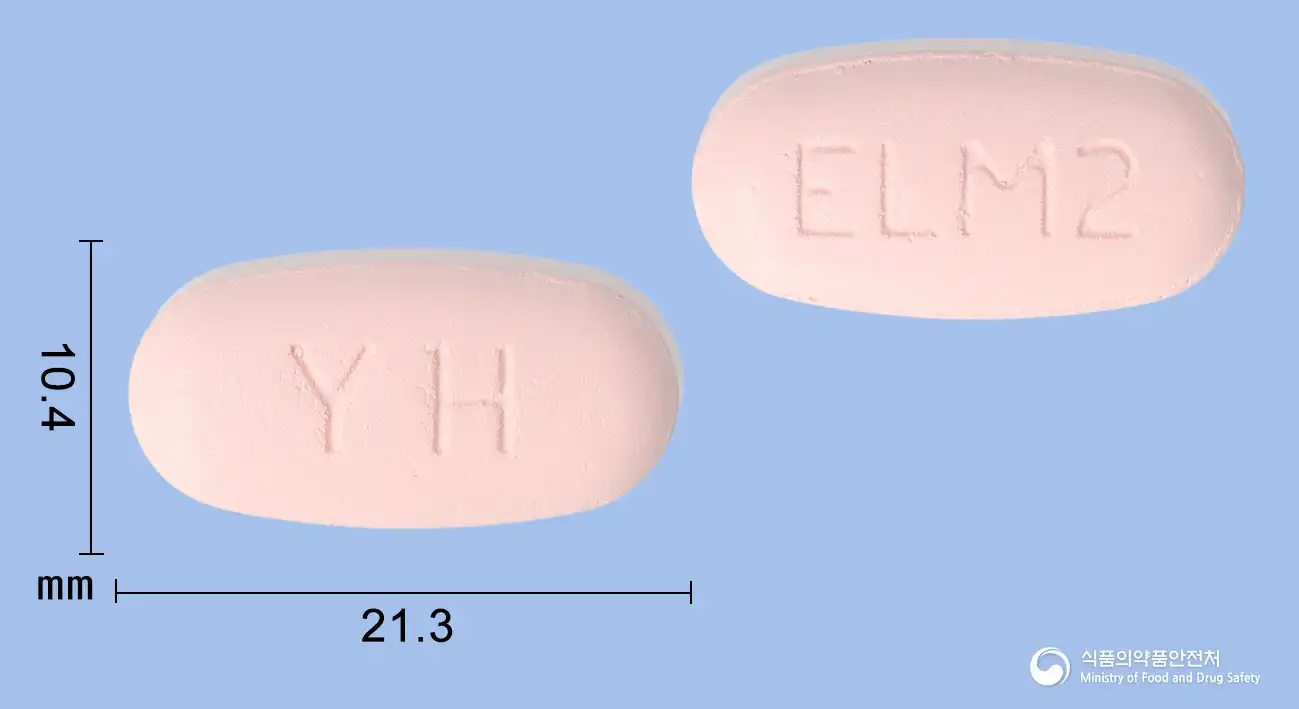 Combination
Empagliflozin 25mg · Linagliptin 5mg +1 more
Tablet · Prescription medication · Combination
(Co., Ltd.) Yuhan Corporation
Even with the same ingredient, the dose and directions can differ by strength and dosage form. Talk to a doctor or pharmacist before switching from a medication you are already taking.
No questions yet.
For anything that needs medical judgment, consult a doctor or pharmacist.
This drug information is based on data provided by the Korea Ministry of Food and Drug Safety.
Consult a doctor or pharmacist for accurate dosage, administration, and usage instructions.