
 한국어
한국어 English
 日本語
日本語 中文(简体)
 Viewing nowCombination
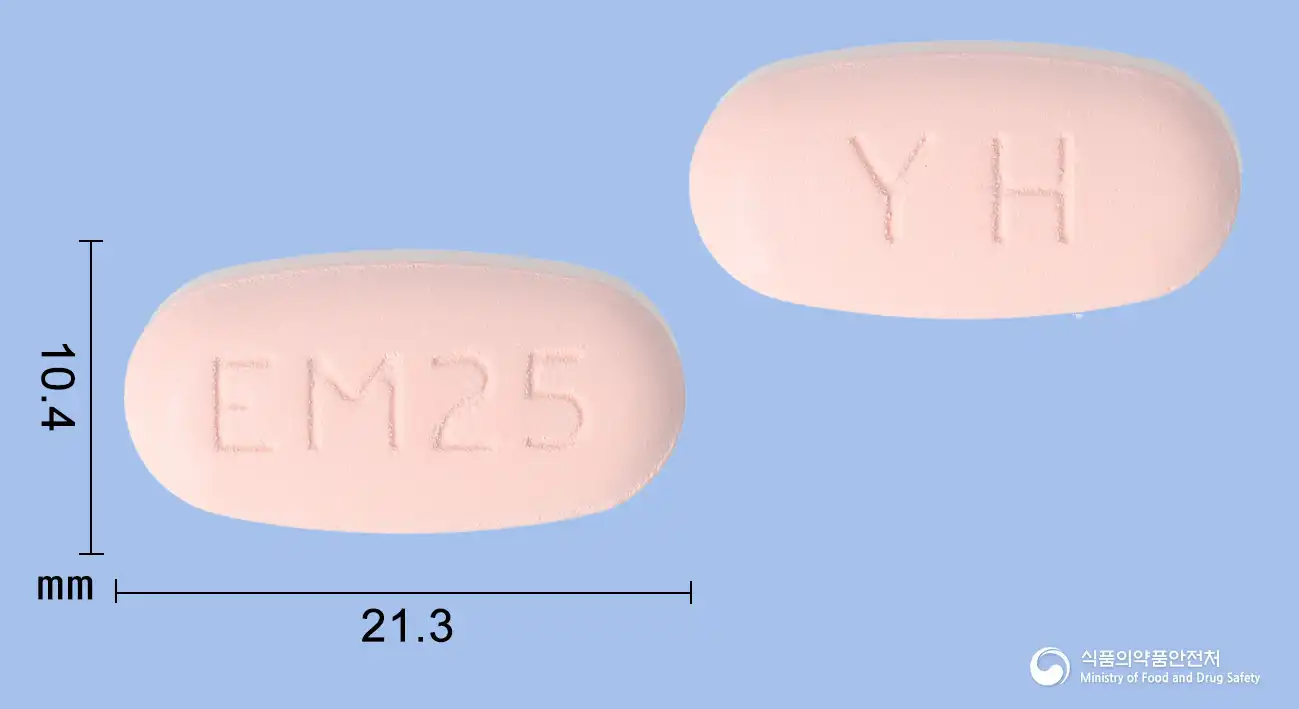
Yuhan MMET Sustained Release Tablet 25/1000 mg (Empagliflozin, Metformin)
Empagliflozin 25mg · Metformin Hydrochloride 1000mg
Tablet · Prescription medication · Combination
Yuhan Corporation
MFDS item code 202501954 · Approved 2025.07.29 · Insurance code 642106340
Blood glucose control for type 2 diabetes and prevention of cardiovascular events
This medication helps improve blood glucose control in adults with type 2 diabetes by combining Empagliflozin and Metformin. It is used as an adjunct to diet and exercise therapy, and can be taken by those whose blood glucose is not well controlled. Additionally, for patients with cardiovascular diseases, expert clinical trial information should be referenced regarding the risk of cardiovascular events. Overall, this medication is effectively used for diabetes management and blood glucose improvement.
The dosage of this medication will be determined based on each patient's current treatment regimen, efficacy, and tolerability, while not exceeding Empagliflozin 25 mg and sustained-release Metformin Hydrochloride 2000 mg. This medication is taken once daily in the evening with food. The increment of Metformin Hydrochloride dosage should be done gradually. The initial recommended dosage is Empagliflozin 10 mg and the patient's existing Metformin dose, provided it is well tolerated.
This medication is used for the treatment of diabetes and contains two components, Empagliflozin and Metformin. There are several important precautions to consider when taking this medication. Firstly, due to the Metformin component, there is a rare risk of severe side effect known as lactic acidosis, which occurs when excess lactic acid builds up in the body, leading to a dangerous condition. Lactic acidosis can be life-threatening, so if symptoms appear, immediate medical attention is necessary. Moreover, caution is required when taken with other diabetes medications like insulin or sulfonylureas, as this can lead to severe hypoglycemia. This medication should not be used in patients with severely impaired kidney function, acute infections, dehydration, severe heart issues, or type 1 diabetes. Additionally, it should be discontinued prior to examinations using contrast agents and not resumed until kidney function is confirmed to be normal post-examination. Pregnant women or those who may become pregnant, individuals with poor liver function, and those who consume excessive alcohol should also avoid this medication. This medication may increase urine output, so individuals at risk of dehydration should closely monitor their fluid status, and elderly patients or those with decreased kidney function should use this with extra caution. During use, urinary tract infections or genital infections may occur, and if related symptoms appear, immediate consultation with a physician is necessary. Furthermore, Metformin can reduce vitamin B12 levels, so it is advisable to monitor vitamin B12 status during prolonged use. This medication should be swallowed whole; do not chew or crush it, and it is normal for the tablet shell to appear in the stool. Lastly, if there are abrupt changes in body condition or unusual symptoms during the course of taking this medication, it is essential to consult healthcare professionals, and regular monitoring of kidney function and blood glucose levels is important.
Hives, severe swelling (edema), angioedema, chest tightness, difficulty breathing, lactic acidosis, ketoacidosis, urosepsis, pyelonephritis, perineal necrosis, acute kidney injury, liver abnormalities (abnormal liver function tests, hepatitis), myocardial infarction, cerebral infarction, concussion, headache, confusion, visual disturbances, paralysis, severe edema accompanied by elevated blood pressure, hypoglycemia (including severe hypoglycemia), sepsis, shock, acute myocardial infarction
Not everyone experiences these, and they can vary from person to person.
This medication may be sensitive to air or moisture, so it should be stored in a tightly sealed container. The storage temperature should be maintained at room temperature between 1 and 30 degrees Celsius. This will help preserve the efficacy of the medication over time.
Pink oval film-coated sustained release tablet
30 tablets/bottle
Even with the same ingredient, strength, dosage form and how it is taken can differ.
Viewing nowCombinationEmpagliflozin 25mg · Metformin Hydrochloride 1000mg
Tablet · Prescription medication · Combination
Yuhan Corporation
 Combination
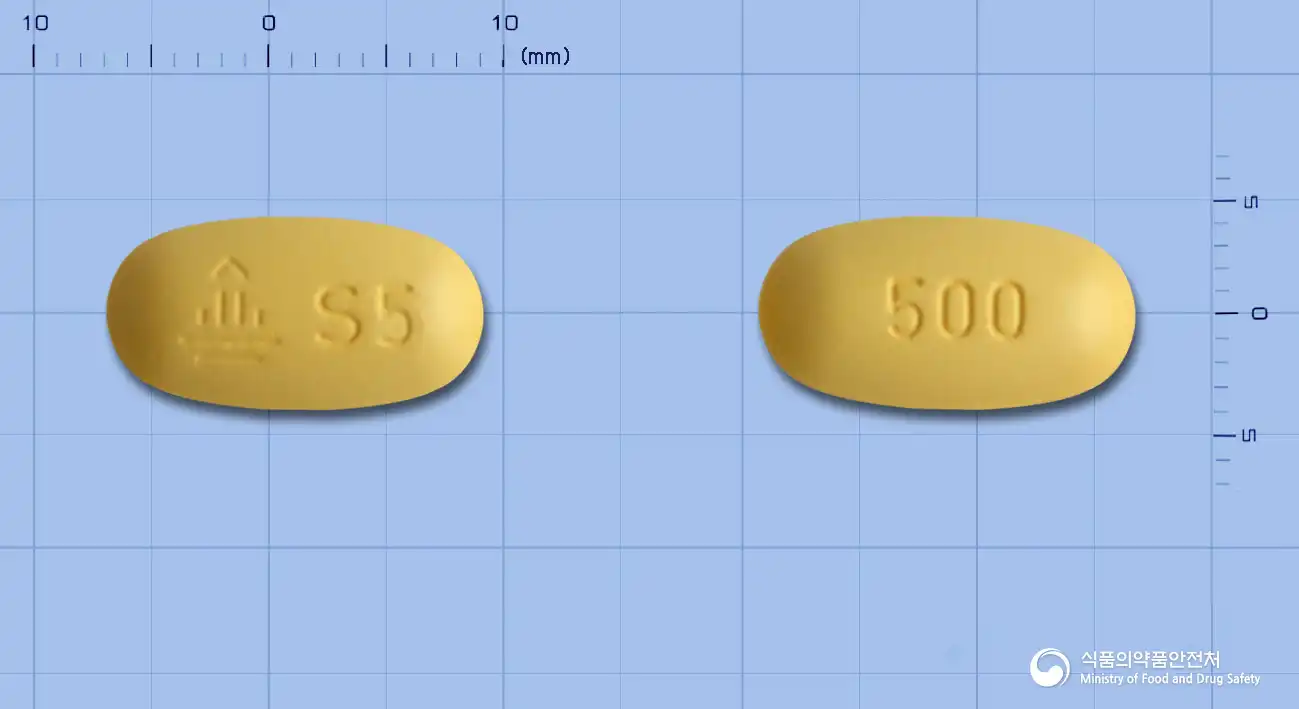
Empagliflozin 5mg · Metformin Hydrochloride 500mg
Tablet · Prescription medication · Combination
Boehringer Ingelheim Korea Co., Ltd.
 Combination
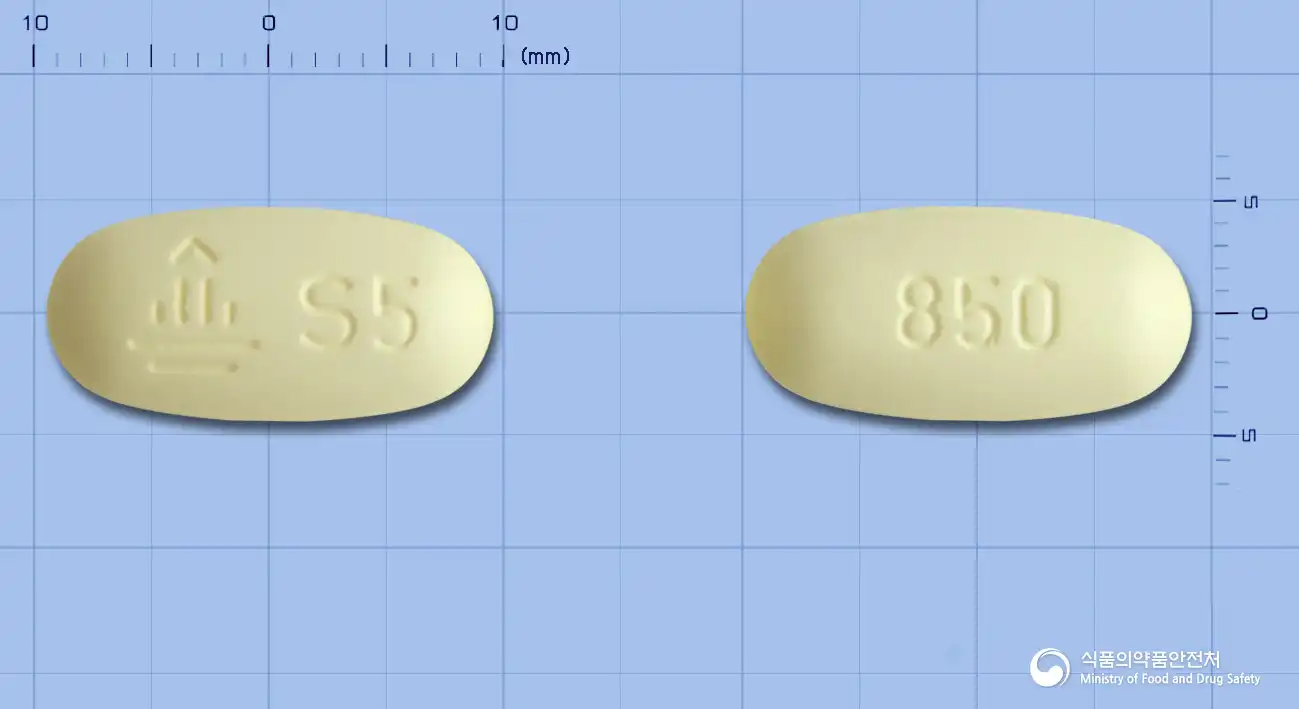
Empagliflozin 5mg · Metformin Hydrochloride 850mg
Tablet · Prescription medication · Combination
Boehringer Ingelheim Korea Co., Ltd.
 Combination
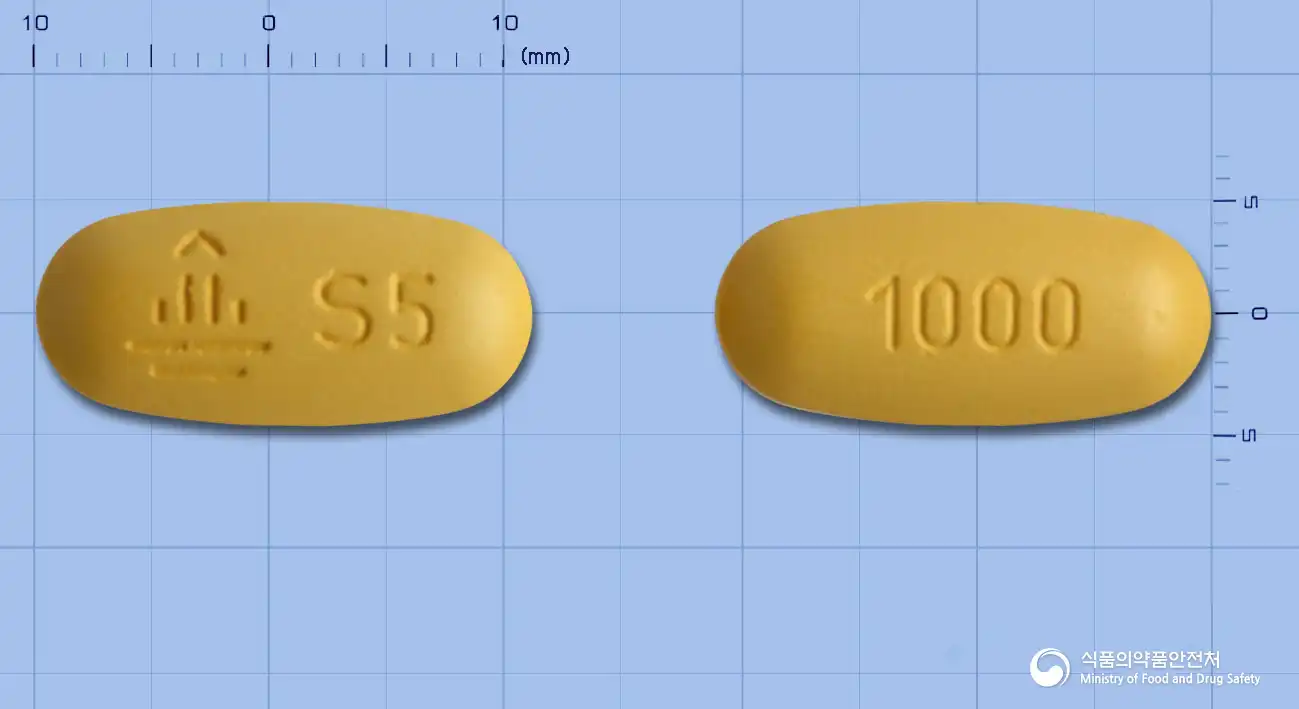
Empagliflozin 5mg · Metformin Hydrochloride 1000mg
Tablet · Prescription medication · Combination
Boehringer Ingelheim Korea Co., Ltd.
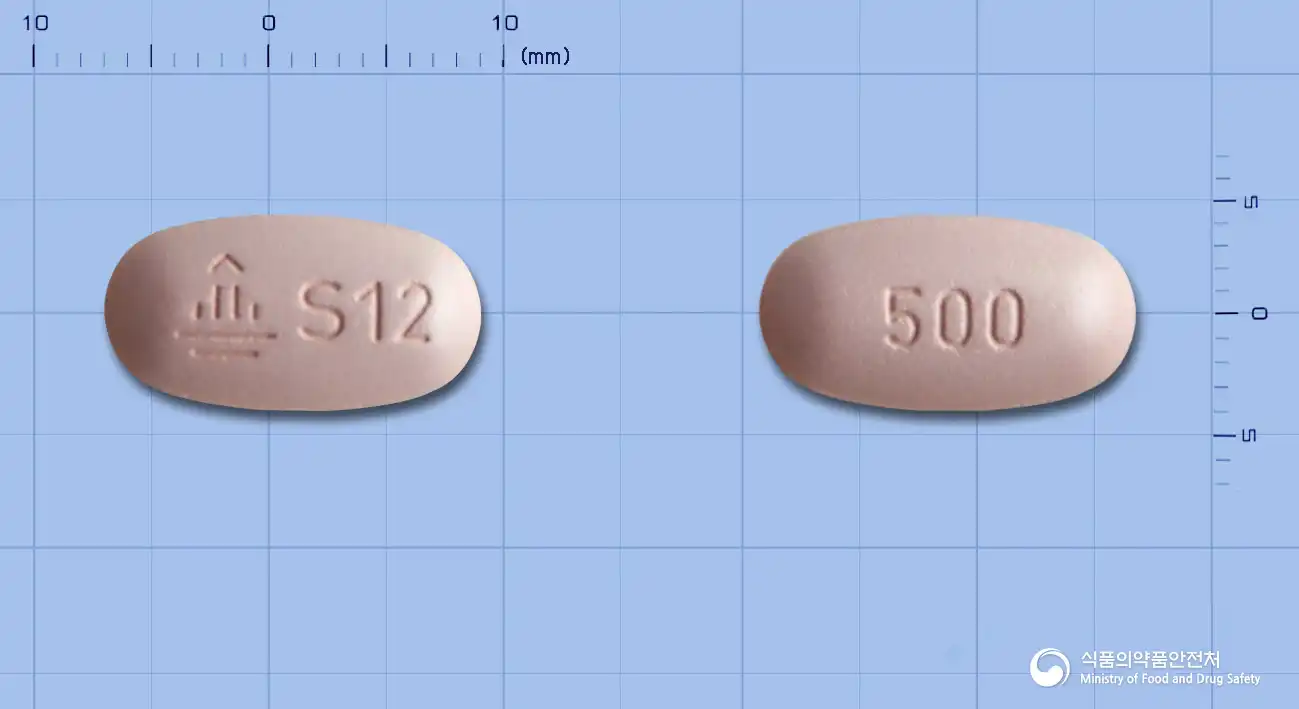 Combination
Empagliflozin 12.5mg · Metformin Hydrochloride 500mg
Tablet · Prescription medication · Combination
Boehringer Ingelheim Korea Co., Ltd.
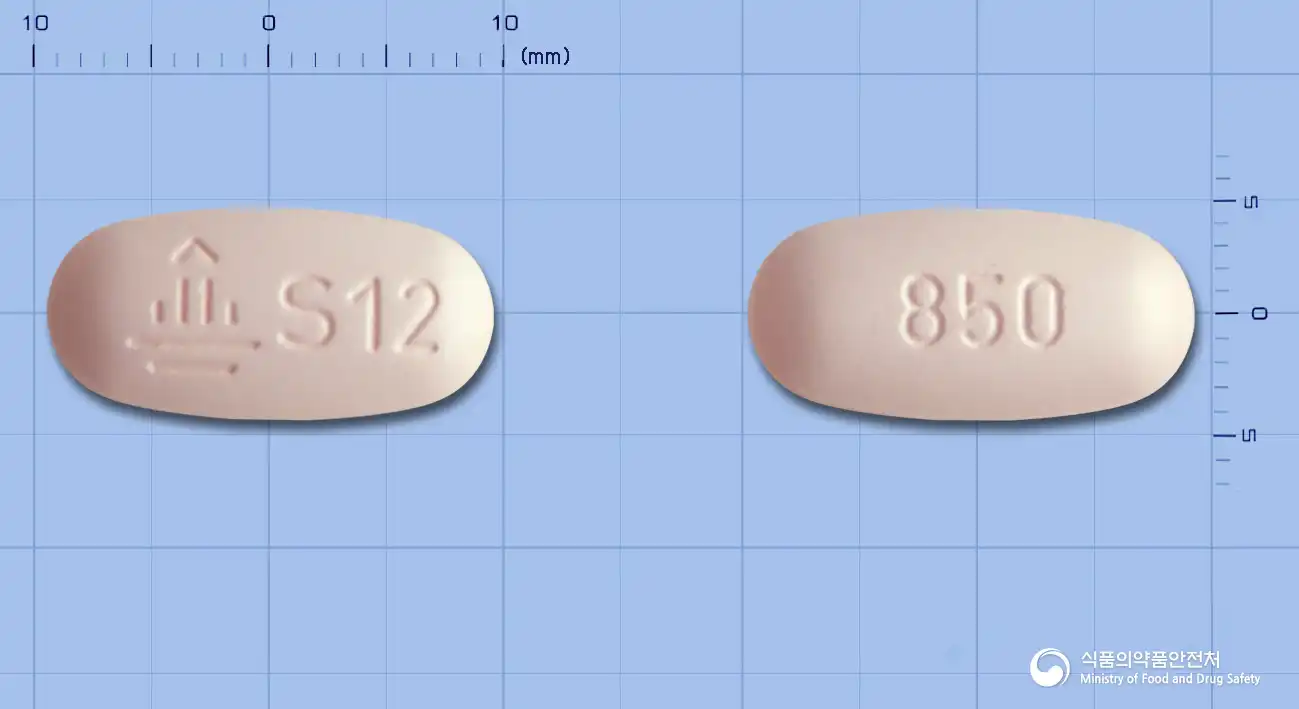 Combination
Empagliflozin 12.5mg · Metformin Hydrochloride 850mg
Tablet · Prescription medication · Combination
Boehringer Ingelheim Korea Co., Ltd.
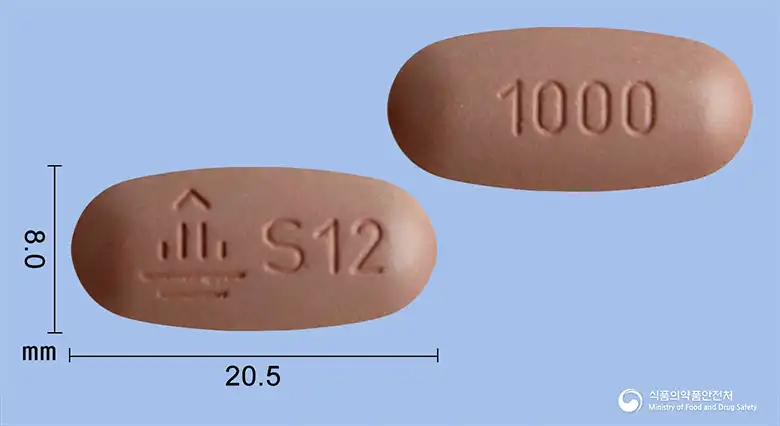 Combination
Empagliflozin 12.5mg · Metformin Hydrochloride 1000mg
Tablet · Prescription medication · Combination
Boehringer Ingelheim Korea Co., Ltd.
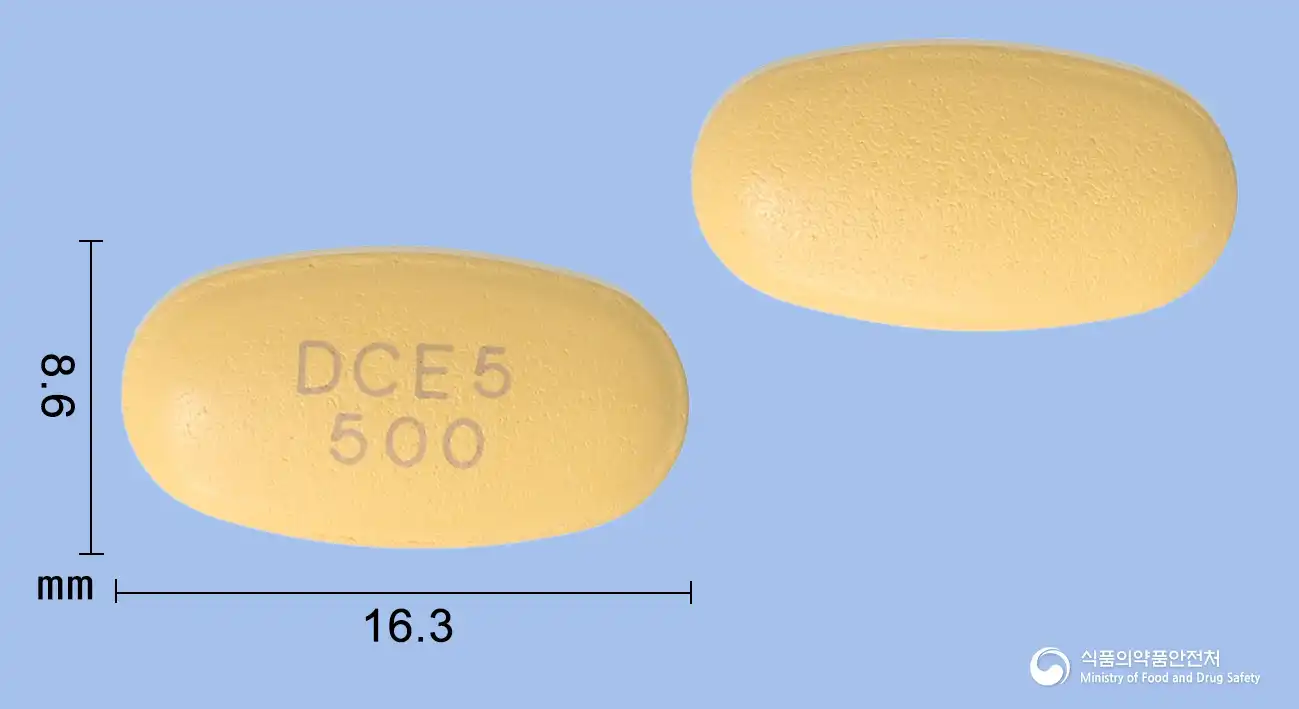 Combination
Empagliflozin 5mg · Metformin Hydrochloride 500mg
Tablet · Prescription medication · Combination
Donggu Bio Pharmaceutical Co., Ltd.
Even with the same ingredient, the dose and directions can differ by strength and dosage form. Talk to a doctor or pharmacist before switching from a medication you are already taking.
No questions yet.
For anything that needs medical judgment, consult a doctor or pharmacist.
This drug information is based on data provided by the Korea Ministry of Food and Drug Safety.
Consult a doctor or pharmacist for accurate dosage, administration, and usage instructions.