
 한국어
한국어 English
 日本語
日本語 中文(简体)
 Viewing nowCombination
Empagliflozin/Metformin Extended-Release Tablet 10/1000 mg (Empagliflozin, Metformin)
Empagliflozin 10mg · Metformin Hydrochloride 1000mg
Tablet · Prescription medication · Combination
Hanmi Pharmaceutical Co., Ltd.
MFDS item code 202501760 · Approved 2025.07.11 · Insurance code 643508940
Blood glucose control in adults with Type 2 diabetes and prevention of cardiovascular events
This medication is used as an adjunct to diet and exercise to improve blood glucose control in adults with Type 2 diabetes. It is particularly given to patients whose blood glucose is not adequately controlled, and caution is necessary when used in cases of confirmed cardiovascular disease. The combination of empagliflozin and metformin enhances blood glucose control and aids in diabetes management. Overall, it improves blood glucose levels in diabetic patients and is used in treatment.
Take this medication once daily with dinner to reduce gastrointestinal side effects from metformin. The 10/1000 mg extended-release tablets or the 25/1000 mg extended-release tablets are to be taken once daily, with one tablet per dose. Patients taking the 5/1000 mg extended-release tablets or the 12.5/1000 mg extended-release tablets should take two tablets simultaneously once daily. Regarding the use of metformin,
This drug is used to assist blood glucose control in patients with Type 2 diabetes. It consists of two components, each of which acts on the kidneys to control blood glucose levels. However, several important precautions must be observed when taking this medication. First, this drug should not be administered to patients with impaired kidney function. This is because the medication can accumulate in the body and pose risks if kidney function is moderately or severely diminished. Second, it should also be avoided in cases of acute kidney injury, severe infections, heart failure, or other serious health conditions. Third, this medication can cause a severe side effect called lactic acidosis, which is a condition characterized by excessive buildup of lactic acid in the blood, leading to acidification. Though this side effect is very rare, it can be fatal; thus, immediate consultation with medical personnel is necessary if sudden muscle pain, difficulty breathing, weakness, or abdominal pain occurs. Fourth, when taken with insulin or sulfonylureas, there is an increased risk of hypoglycemia; therefore, careful observation of blood glucose levels is required when co-administering these medications. Fifth, this drug can increase the risk of urinary and genital infections, so prompt treatment is necessary if symptoms of infection appear. Sixth, if surgery or contrast imaging tests are scheduled, this medication should be discontinued 48 hours prior and resumed only after confirming normal kidney function. Seventh, it is safer for women who are pregnant or may become pregnant to avoid taking this medication. Eighth, elderly patients or those at risk of fluid loss should be especially cautious due to the risk of dehydration or hypotension. Ninth, it is advisable to avoid alcohol consumption while taking this medication, as alcohol can increase the risk of lactic acidosis. Finally, this medication should be swallowed whole, not crushed or chewed, and although the tablet shell may sometimes appear in stool, this is normal. Regular monitoring of kidney function and blood glucose status is important while taking this medication, and any abnormal symptoms should prompt immediate consultation with a physician.
Hives, severe swelling (angioedema), chest tightness, difficulty breathing, cold sweat, pallor, severe rash with fever, blisters, exfoliative dermatitis, pain in mucous membranes of mouth/eyes, difficulty or shortness of breath, asthma attacks, respiratory abnormalities accompanied by cough and fever, yellowing of the skin or eyes (jaundice), extreme lethargy, sudden and severe headache, thunderclap headache, seizures, altered consciousness, visual disturbances, paralysis,
Nausea, vomiting, diarrhea, abdominal pain, loss of appetite, constipation, altered taste, itching, rash, erythema, hypoglycemia (when used with sulfonylureas or insulin), reduced and deficiency of vitamin B12, vulvovaginal mycotic infections, balanitis, other genital infections, urinary infections, increased urination, urination difficulties, thirst, increased serum lipids, increased blood creatinine, increased hematocrit, dizziness, headache, insomnia, fatigue, weakness
Not everyone experiences these, and they can vary from person to person.
Store this medication in a tightly closed container to avoid exposure to air and moisture. It is also recommended to store it at room temperature between 1°C and 30°C.
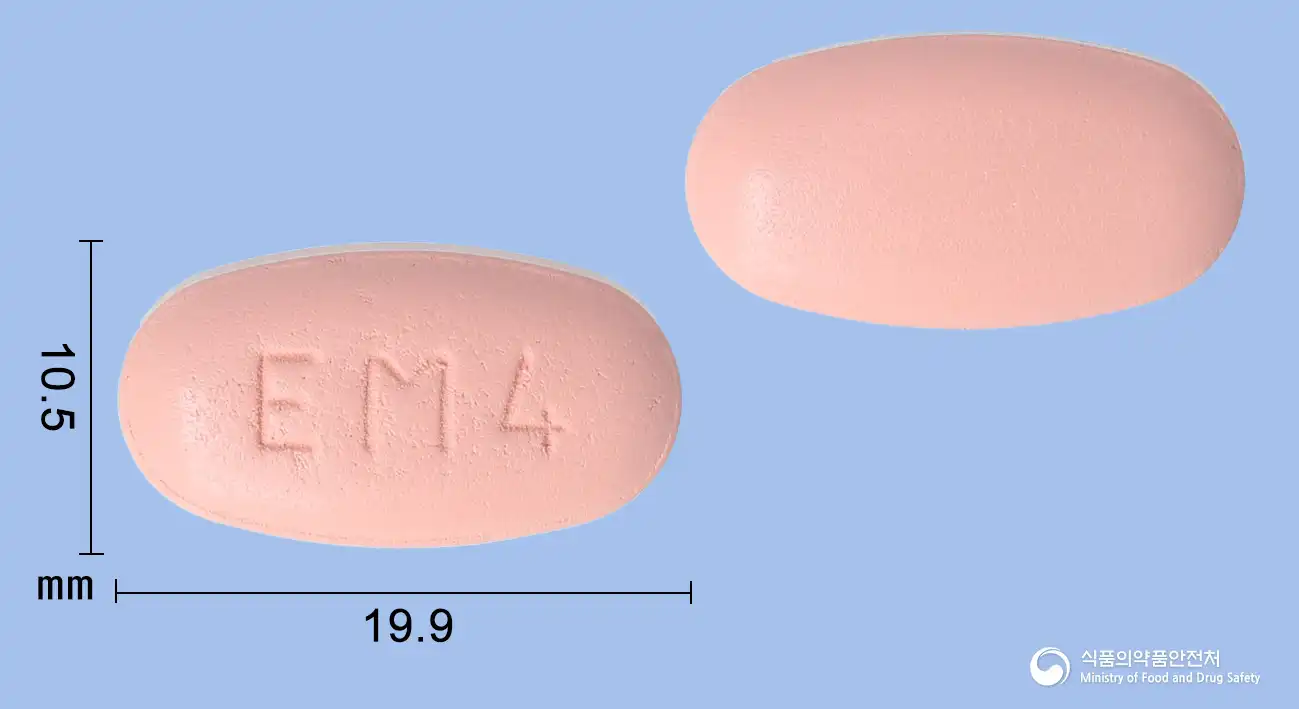
Pink oval extended-release film-coated tablet
30 tablets/bottle
Even with the same ingredient, strength, dosage form and how it is taken can differ.
Viewing nowCombinationEmpagliflozin 10mg · Metformin Hydrochloride 1000mg
Tablet · Prescription medication · Combination
Hanmi Pharmaceutical Co., Ltd.
 Combination
Empagliflozin 5mg · Metformin Hydrochloride 500mg
Tablet · Prescription medication · Combination
Boehringer Ingelheim Korea Co., Ltd.
 Combination
Empagliflozin 5mg · Metformin Hydrochloride 850mg
Tablet · Prescription medication · Combination
Boehringer Ingelheim Korea Co., Ltd.
 Combination
Empagliflozin 5mg · Metformin Hydrochloride 1000mg
Tablet · Prescription medication · Combination
Boehringer Ingelheim Korea Co., Ltd.
 Combination
Empagliflozin 12.5mg · Metformin Hydrochloride 500mg
Tablet · Prescription medication · Combination
Boehringer Ingelheim Korea Co., Ltd.
 Combination
Empagliflozin 12.5mg · Metformin Hydrochloride 850mg
Tablet · Prescription medication · Combination
Boehringer Ingelheim Korea Co., Ltd.
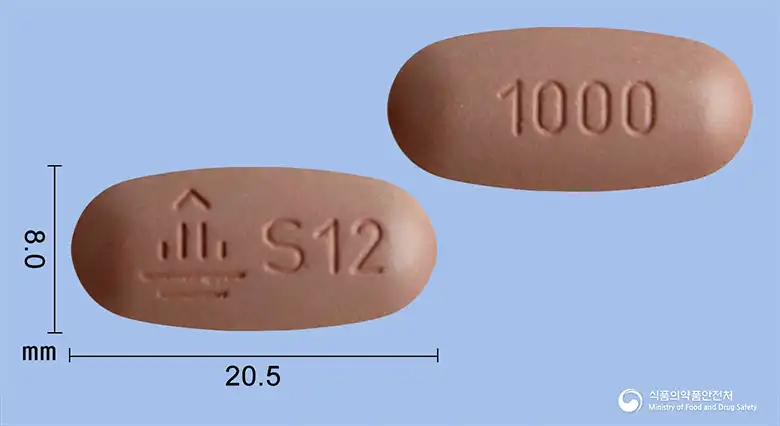 Combination
Empagliflozin 12.5mg · Metformin Hydrochloride 1000mg
Tablet · Prescription medication · Combination
Boehringer Ingelheim Korea Co., Ltd.
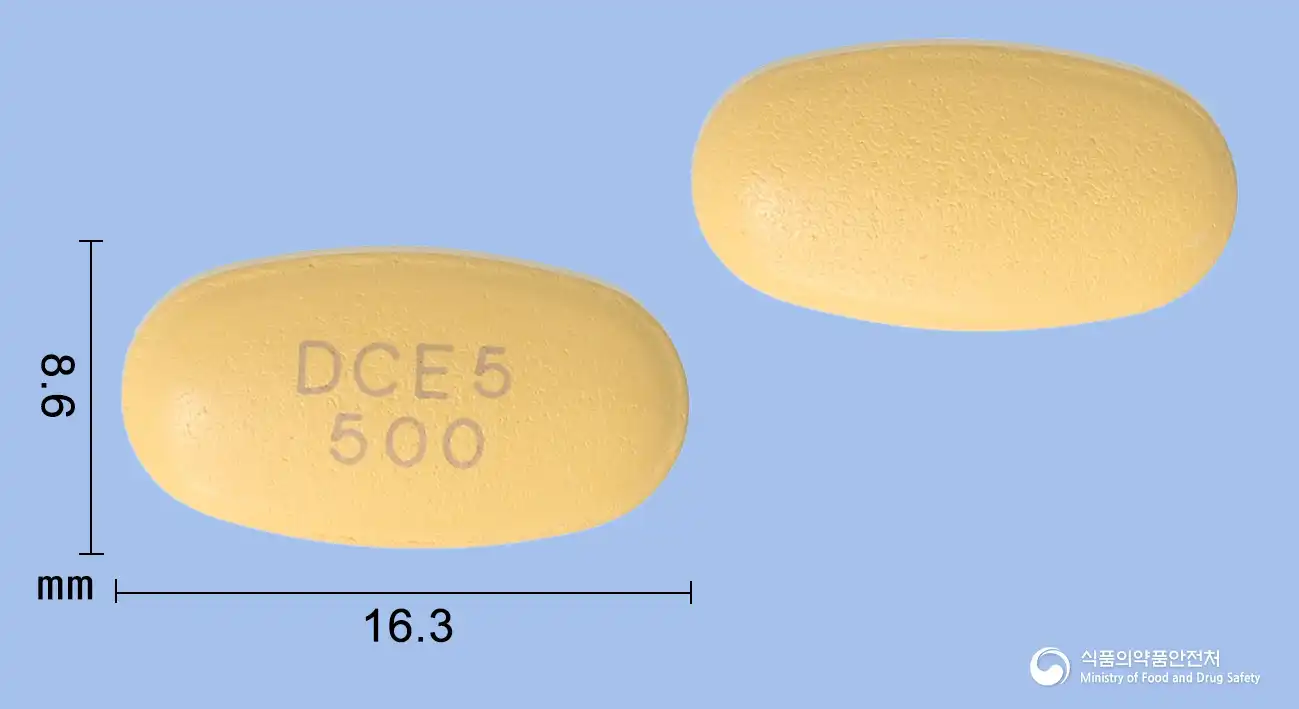 Combination
Empagliflozin 5mg · Metformin Hydrochloride 500mg
Tablet · Prescription medication · Combination
Donggu Bio Pharmaceutical Co., Ltd.
Even with the same ingredient, the dose and directions can differ by strength and dosage form. Talk to a doctor or pharmacist before switching from a medication you are already taking.
No questions yet.
For anything that needs medical judgment, consult a doctor or pharmacist.
This drug information is based on data provided by the Korea Ministry of Food and Drug Safety.
Consult a doctor or pharmacist for accurate dosage, administration, and usage instructions.