
 한국어
한국어 English
 日本語
日本語 中文(简体)
 Viewing nowCombination
Zepagin Duo Tablet 5/1000 mg (Empagliflozin, Metformin Hydrochloride)
Empagliflozin 5mg · Metformin Hydrochloride 1000mg
Tablet · Prescription medication · Combination
Jeil Pharmaceutical Co., Ltd.
MFDS item code 202501741 · Approved 2025.07.10 · Insurance code 645406560
Effectiveness in blood sugar control for type 2 diabetes and prevention of cardiovascular events
This medication is administered as an adjunct to diet and exercise to assist in blood sugar control in adults with type 2 diabetes. It is particularly used in patients whose blood sugar is not adequately controlled by using a combination of empagliflozin and metformin. Additionally, caution should be taken to refer to usage warnings regarding the impact on the occurrence of cardiovascular events in patients with type 2 diabetes who also have cardiovascular disease. This medication effectively improves blood sugar levels and aids in managing cardiovascular risk.
The recommended dosage of this medication is one tablet, twice daily. The dosage should be determined within the range not exceeding 25 mg of empagliflozin and 2000 mg of metformin for each patient's treatment regimen and tolerance. If blood sugar control is insufficient, empagliflozin 5 mg twice daily (total of 10 mg) can be combined with the existing dose of metformin. If tolerance is good and additional blood sugar control is needed, empagliflozin may be increased.
This medication is used in diabetes treatment with both components acting together to control blood sugar. When taking this medication, there is a risk of a rare side effect called severe lactic acidosis; if symptoms appear, consult a physician immediately. Additionally, caution is needed as there is a risk of hypoglycemia when taken with insulin or other diabetes medications. This medication should not be taken by patients with severely reduced kidney function or certain acute diseases. Before and after examinations that use iodine contrast agents, this medication should be temporarily discontinued and restarted only after confirming normal kidney function. In cases where surgery is scheduled, this medication should be stopped for a period before the procedure, but can be resumed after recovery. Patients with liver dysfunction, severe infections, dehydration, or poor nutritional status should use this medication with caution. It is safest for women who are pregnant or breastfeeding not to take this medication. Adverse effects such as gastrointestinal disturbances, infections, hypoglycemia, increased urination, abnormal liver function, and genitourinary infections may occur; these symptoms should be reported to a physician. Particularly, women need to pay attention to hygiene as genital infections may occur more frequently. It is advisable to regularly check kidney function and serum vitamin B12 levels when on this medication. Excessive alcohol consumption can increase the risk of adverse effects, so it should be avoided. This medication may interact with other drugs, so if other medications are being taken, please inform a physician or pharmacist. Elderly patients may have decreased kidney function, so dosage adjustments and regular monitoring are necessary. This medication is not recommended for children as safety and efficacy have not been established. In case of overdose, immediate medical attention should be sought, and dialysis may be required. This medication should be kept out of reach of children and stored in its original container.
Hives, severe swelling (angioedema), ketoacidosis, lactic acidosis, necrotizing fasciitis, myocardial infarction, cerebral infarction, acute kidney injury, acute pyelonephritis, urosepsis, severe skin reactions (severe rash, blisters, skin peeling, pain in mucous membranes of the mouth/eyes), difficulty breathing, asthma attack, respiratory distress, liver abnormalities (jaundice), severe swelling (generalized edema), severe neurological symptoms (severe headache, seizures, confusion, visual disturbances).
Not everyone experiences these, and they can vary from person to person.
This medication should be stored in a tightly closed container to protect it from air and moisture, and it is best kept at room temperature between 1 to 30 degrees Celsius. Storing it this way can help maintain the medication's effectiveness for a longer duration.
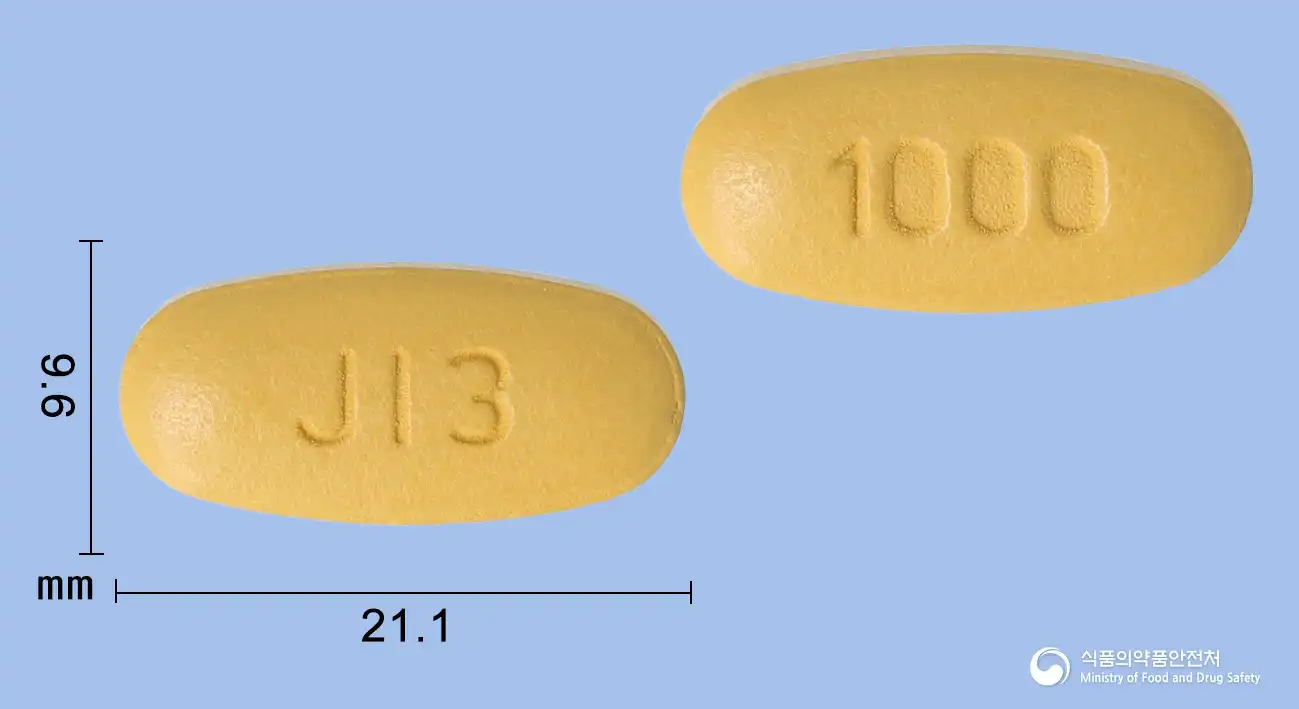
Yellow-brown, oval, double convex film-coated tablet
Bottle - 60 tablets/bottle, PTP - 60 tablets/box [(10 tablets/PTP x 6)]
Even with the same ingredient, strength, dosage form and how it is taken can differ.
Viewing nowCombinationEmpagliflozin 5mg · Metformin Hydrochloride 1000mg
Tablet · Prescription medication · Combination
Jeil Pharmaceutical Co., Ltd.
 Combination
Empagliflozin 5mg · Metformin Hydrochloride 500mg
Tablet · Prescription medication · Combination
Boehringer Ingelheim Korea Co., Ltd.
 Combination
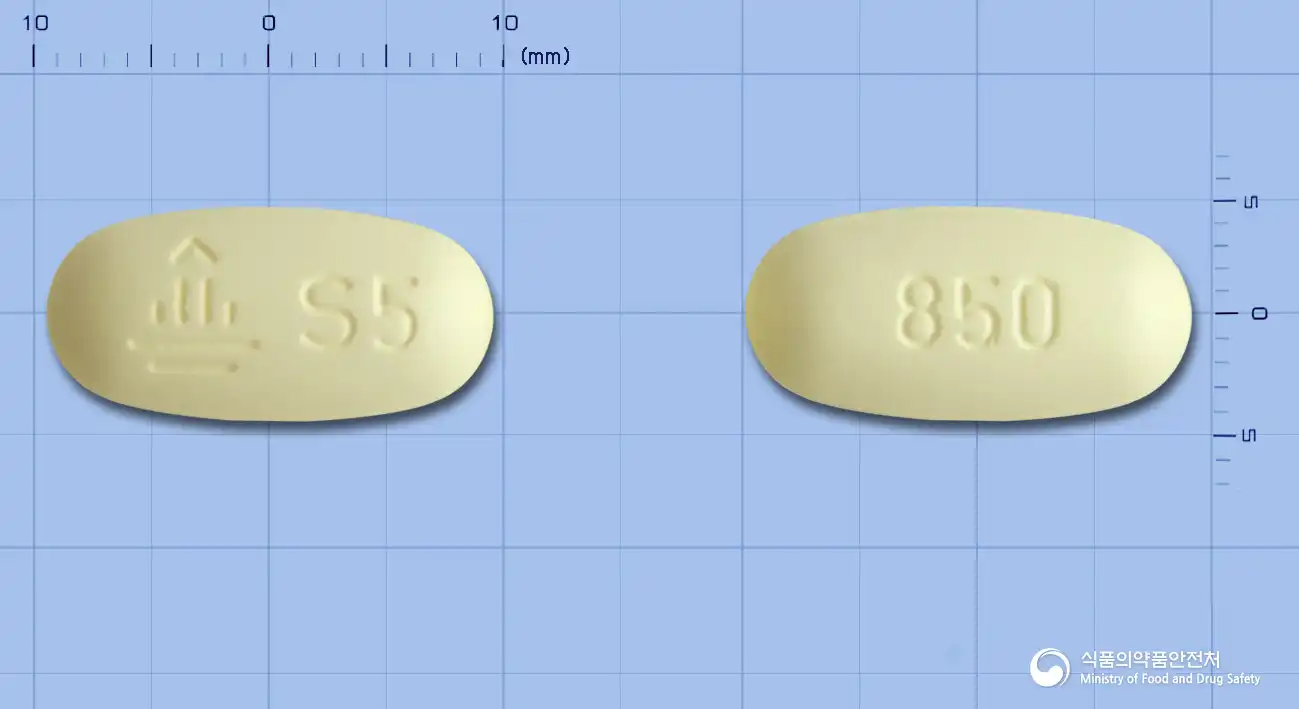
Empagliflozin 5mg · Metformin Hydrochloride 850mg
Tablet · Prescription medication · Combination
Boehringer Ingelheim Korea Co., Ltd.
 Combination
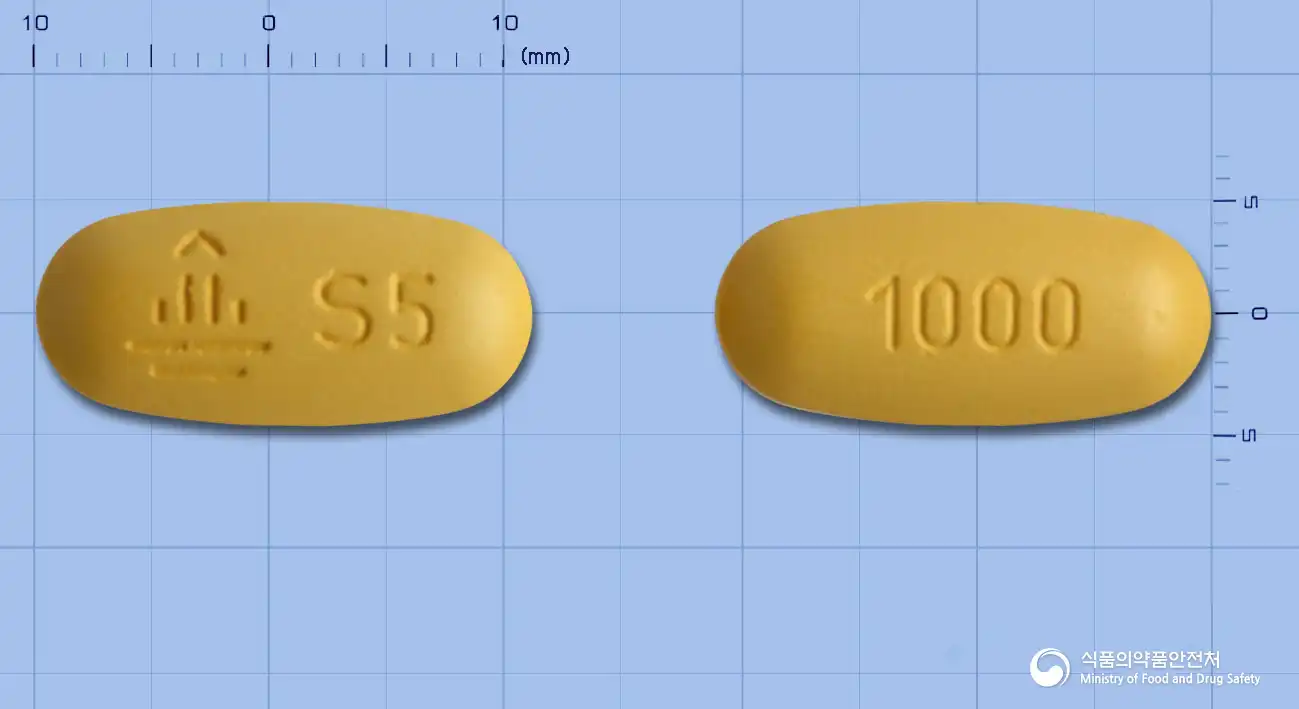
Empagliflozin 5mg · Metformin Hydrochloride 1000mg
Tablet · Prescription medication · Combination
Boehringer Ingelheim Korea Co., Ltd.
 Combination
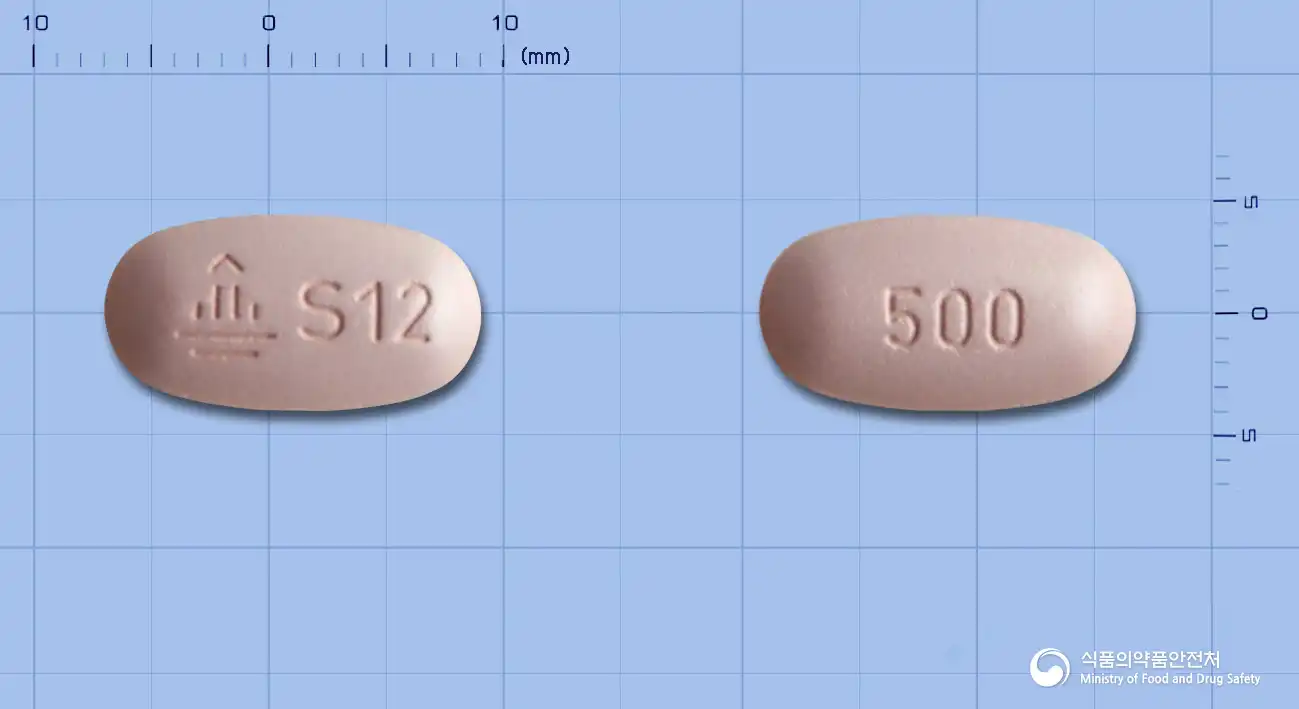
Empagliflozin 12.5mg · Metformin Hydrochloride 500mg
Tablet · Prescription medication · Combination
Boehringer Ingelheim Korea Co., Ltd.
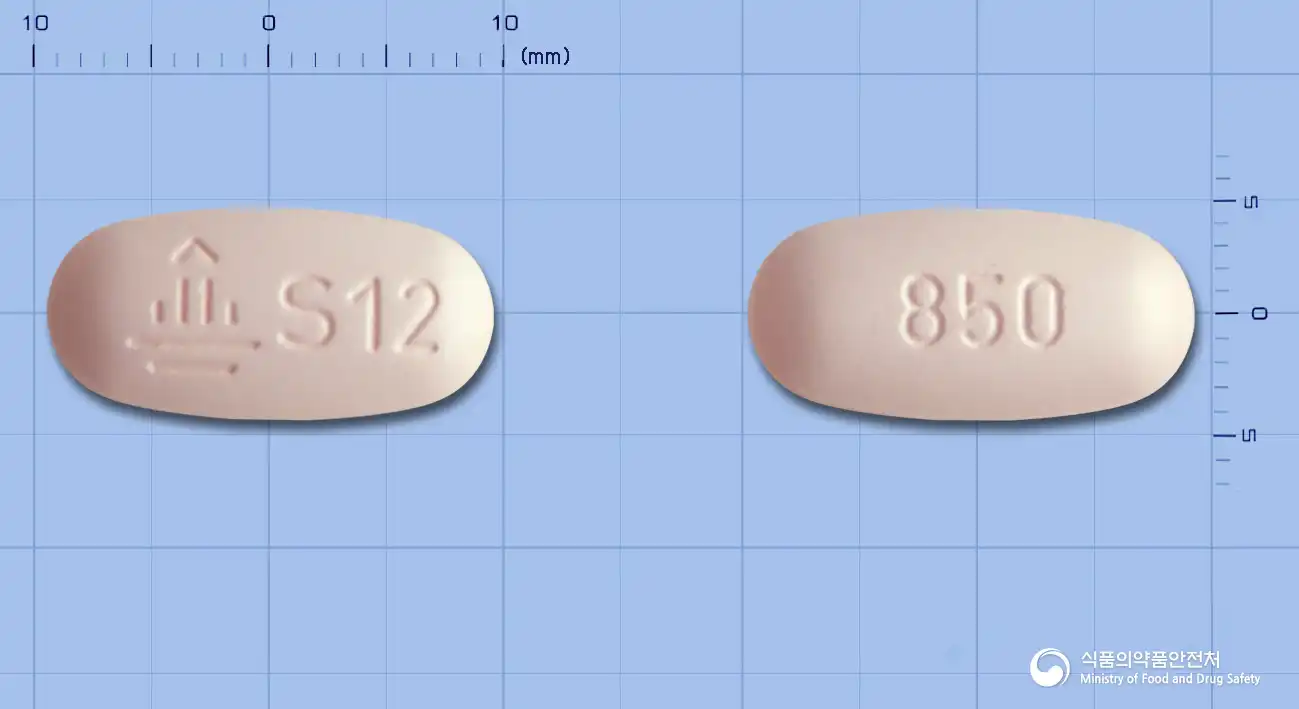 Combination
Empagliflozin 12.5mg · Metformin Hydrochloride 850mg
Tablet · Prescription medication · Combination
Boehringer Ingelheim Korea Co., Ltd.
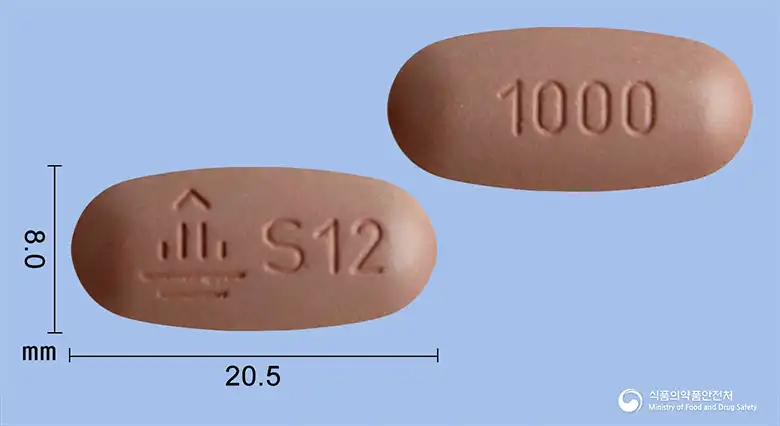 Combination
Empagliflozin 12.5mg · Metformin Hydrochloride 1000mg
Tablet · Prescription medication · Combination
Boehringer Ingelheim Korea Co., Ltd.
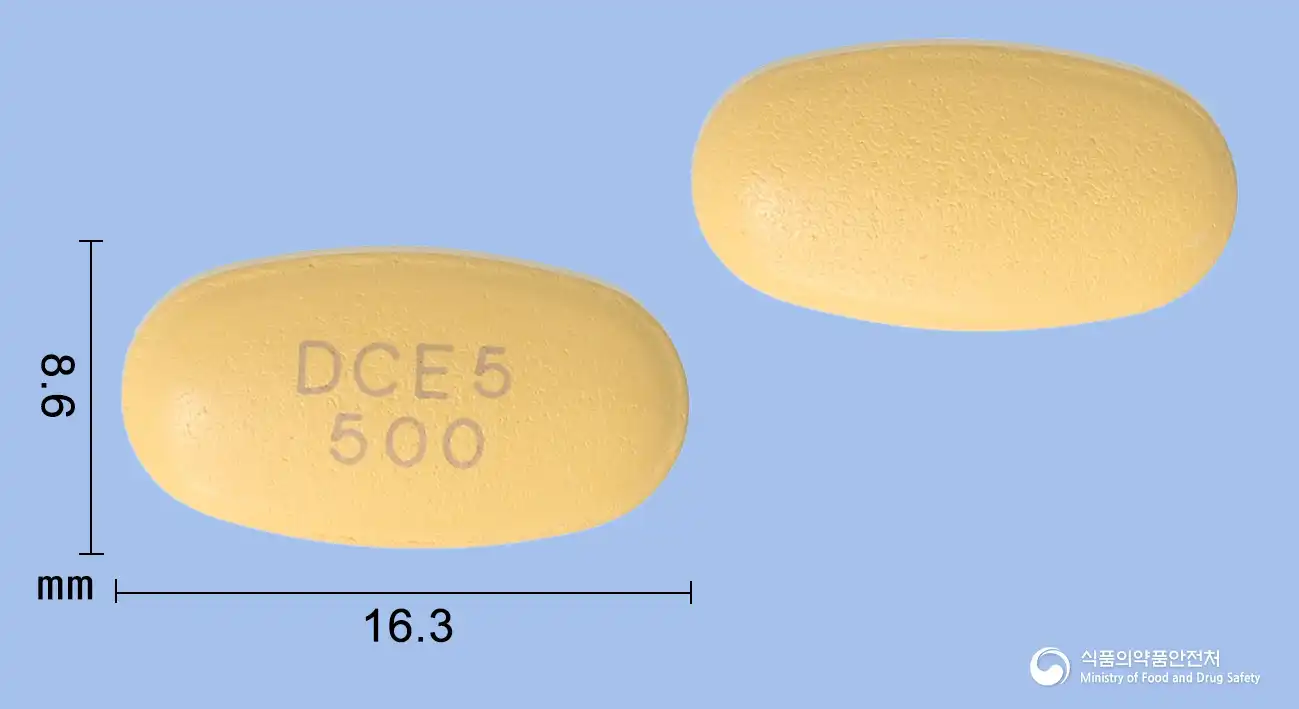 Combination
Empagliflozin 5mg · Metformin Hydrochloride 500mg
Tablet · Prescription medication · Combination
Donggu Bio Pharmaceutical Co., Ltd.
Even with the same ingredient, the dose and directions can differ by strength and dosage form. Talk to a doctor or pharmacist before switching from a medication you are already taking.
No questions yet.
For anything that needs medical judgment, consult a doctor or pharmacist.
This drug information is based on data provided by the Korea Ministry of Food and Drug Safety.
Consult a doctor or pharmacist for accurate dosage, administration, and usage instructions.