
 한국어
한국어 English
 日本語
日本語 中文(简体)
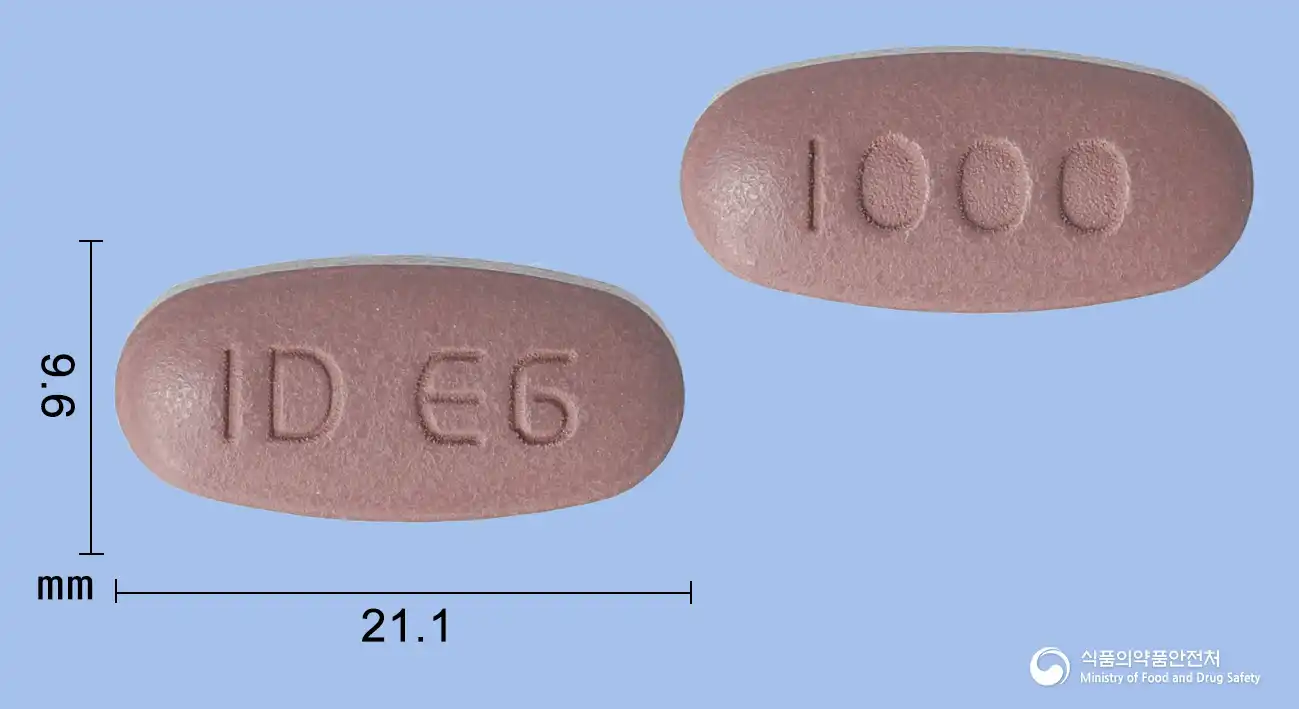 Viewing nowCombination
Empagliflozin/Metformin Hydrochloride Dual Tablet 12.5/1000 mg
Empagliflozin 12.5mg · Metformin Hydrochloride 1000mg
Tablet · Prescription medication · Combination
Ildong Pharmaceutical Co., Ltd.
MFDS item code 202501729 · Approved 2025.07.09 · Insurance code 642907020
Blood glucose control in adults with type 2 diabetes and prevention of cardiovascular events
This medication is used to help control blood sugar levels in adults with type 2 diabetes who require combination therapy with empagliflozin and metformin. When taken alongside dietary and exercise regimens, it can effectively manage blood sugar levels. It should be used cautiously in patients with type 2 diabetes who have cardiovascular disease, and it is important to refer to related clinical trial information. This medication improves blood glucose control and helps in the treatment of diabetes.
The recommended dose of this medication is one tablet at a time, twice daily. Dosage should be adjusted based on each patient's therapy, efficacy, and tolerance within the maximum recommended daily doses of empagliflozin 25 mg and metformin 2000 mg. In cases where metformin is taken alone or in combination with other medications such as insulin, the recommended dose is empagliflozin 5 mg twice daily and the existing dose of metformin. If additional blood glucose control is needed while maintaining good tolerance, the dose of empagliflozin can be increased to 25 mg per day.
This medication is used for the treatment of diabetes and helps lower blood sugar levels. However, there are several precautions to take when using it. First, it can cause a rare side effect known as severe lactic acidosis. Lactic acidosis is a condition where there is an excessive accumulation of lactic acid in the body and can be life-threatening, requiring immediate medical attention if symptoms occur. Second, if taken alongside other diabetes medications such as insulin or sulfonylureas, there is a risk of hypoglycemia, so caution is necessary. Third, patients with moderate to severe renal impairment or those with specific conditions such as severe infections, dehydration, heart failure, or acute myocardial infarction should not take this medication. Fourth, if undergoing tests using iodinated contrast agents, this medication should be paused for a certain period before and after the test, and it should only be resumed after confirming normal kidney function. Fifth, it is safest for pregnant or breastfeeding women to refrain from taking this medication. Sixth, this medication can cause fluid loss, so elderly patients who are dehydrated or taking antihypertensive agents should take special care when using it. Seventh, gastrointestinal disturbances (nausea, vomiting, diarrhea, etc.), urinary infections, genital infections, and increased urination may occur, so if symptoms persist, consult a physician. Eighth, it is important to regularly monitor kidney function, blood glucose, and vitamin B12 levels while taking this medication. Ninth, in case of an overdose, there is a risk of lactic acidosis, thus immediate medical treatment is required. Lastly, this medication is not recommended for children, and dosage adjustments are necessary for the elderly based on kidney function. It is important to consult adequately with a physician or pharmacist before taking this medication and to inform healthcare personnel immediately if any unusual symptoms appear.
Not everyone experiences these, and they can vary from person to person.
Store this medication in a tightly sealed container to protect it from air and moisture. It is preferable to keep the medication at room temperature between 1°C and 30°C. Avoid storing it in extremely hot or cold places, and keep it in a cool area away from direct sunlight.
A biconvex oval film-coated tablet that is purple with a dark brown hue
60 tablets/bottle, 60 tablets/box [10 tablets/PTP x 6]
Even with the same ingredient, strength, dosage form and how it is taken can differ.
Viewing nowCombinationEmpagliflozin 12.5mg · Metformin Hydrochloride 1000mg
Tablet · Prescription medication · Combination
Ildong Pharmaceutical Co., Ltd.
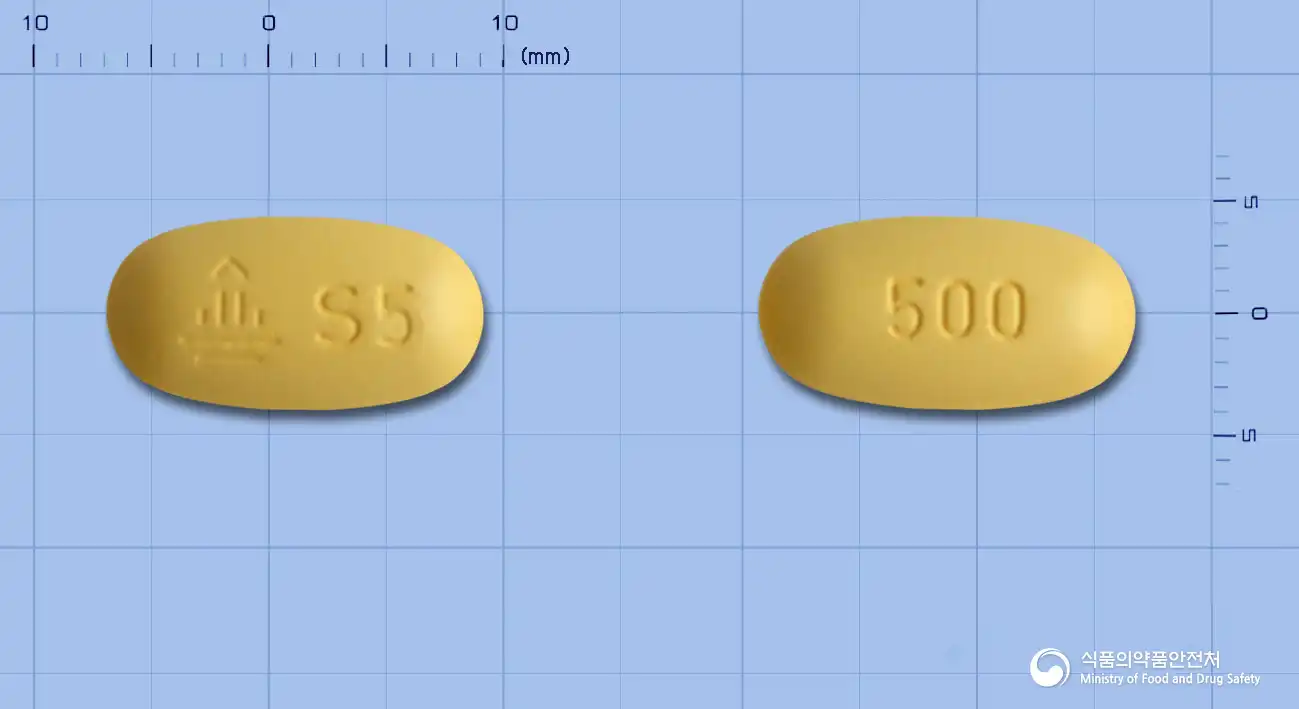 Combination
Empagliflozin 5mg · Metformin Hydrochloride 500mg
Tablet · Prescription medication · Combination
Boehringer Ingelheim Korea Co., Ltd.
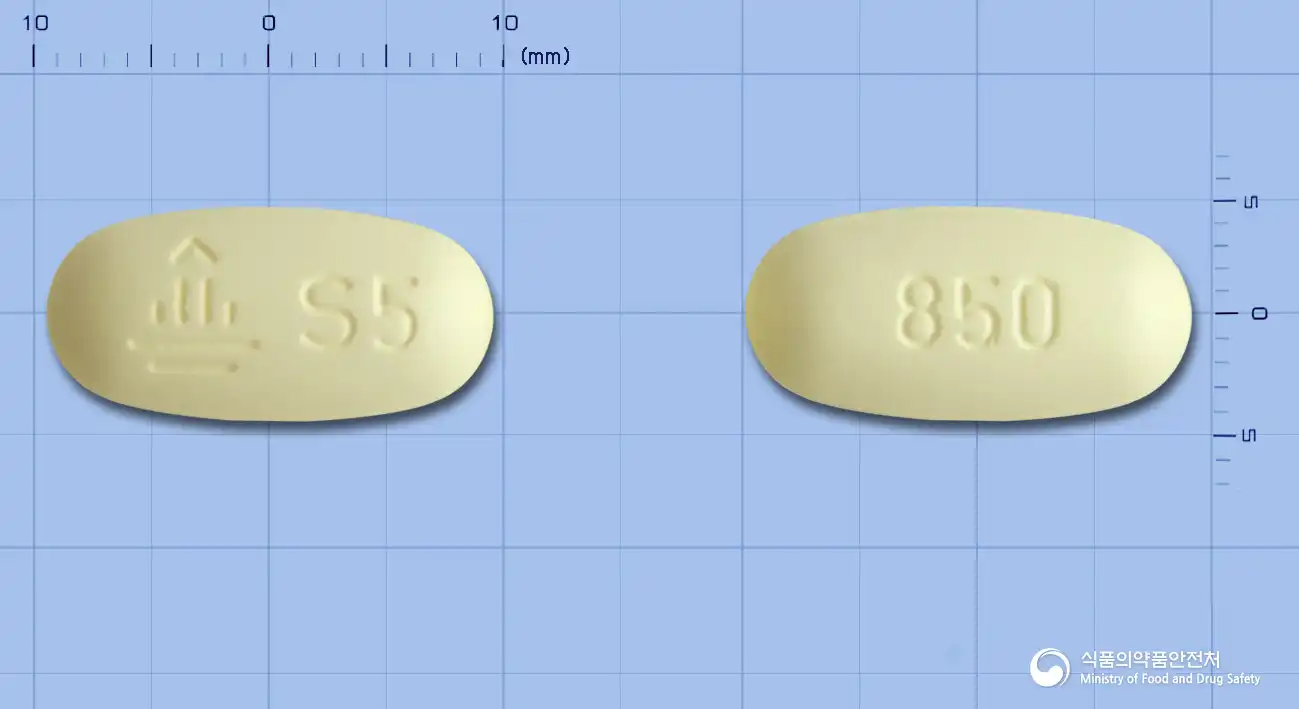 Combination
Empagliflozin 5mg · Metformin Hydrochloride 850mg
Tablet · Prescription medication · Combination
Boehringer Ingelheim Korea Co., Ltd.
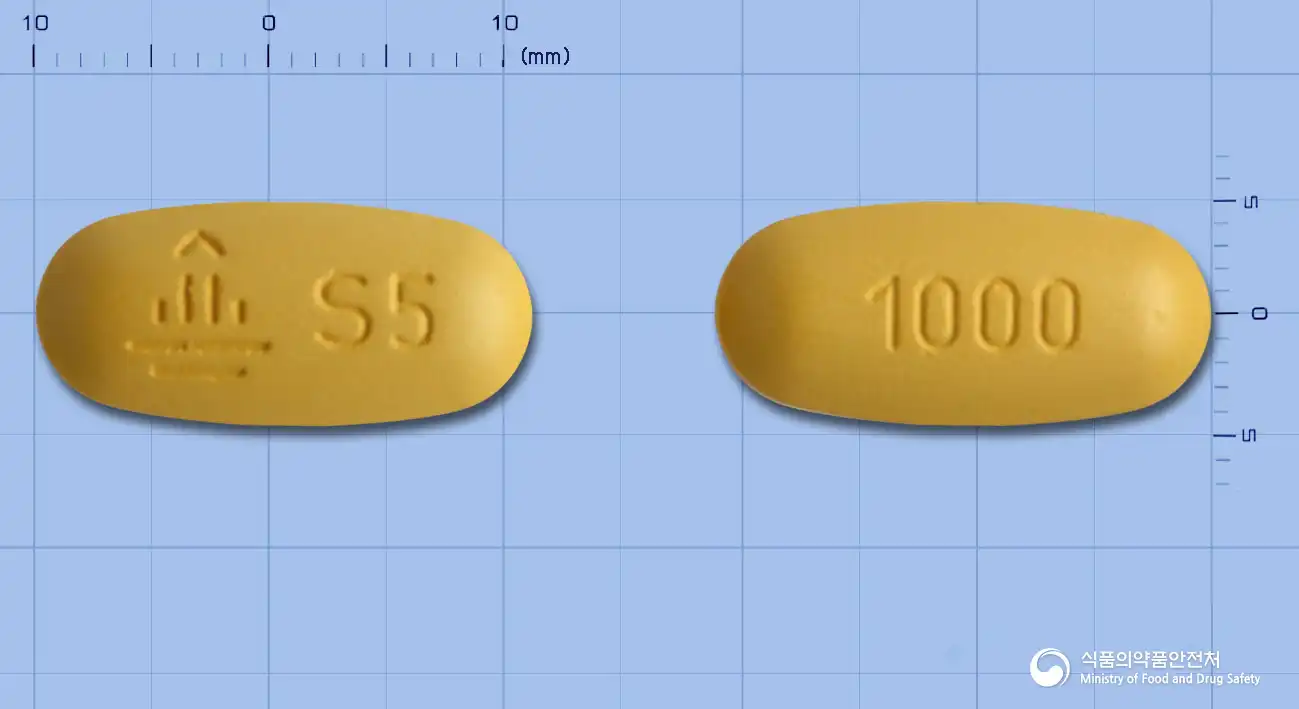 Combination
Empagliflozin 5mg · Metformin Hydrochloride 1000mg
Tablet · Prescription medication · Combination
Boehringer Ingelheim Korea Co., Ltd.
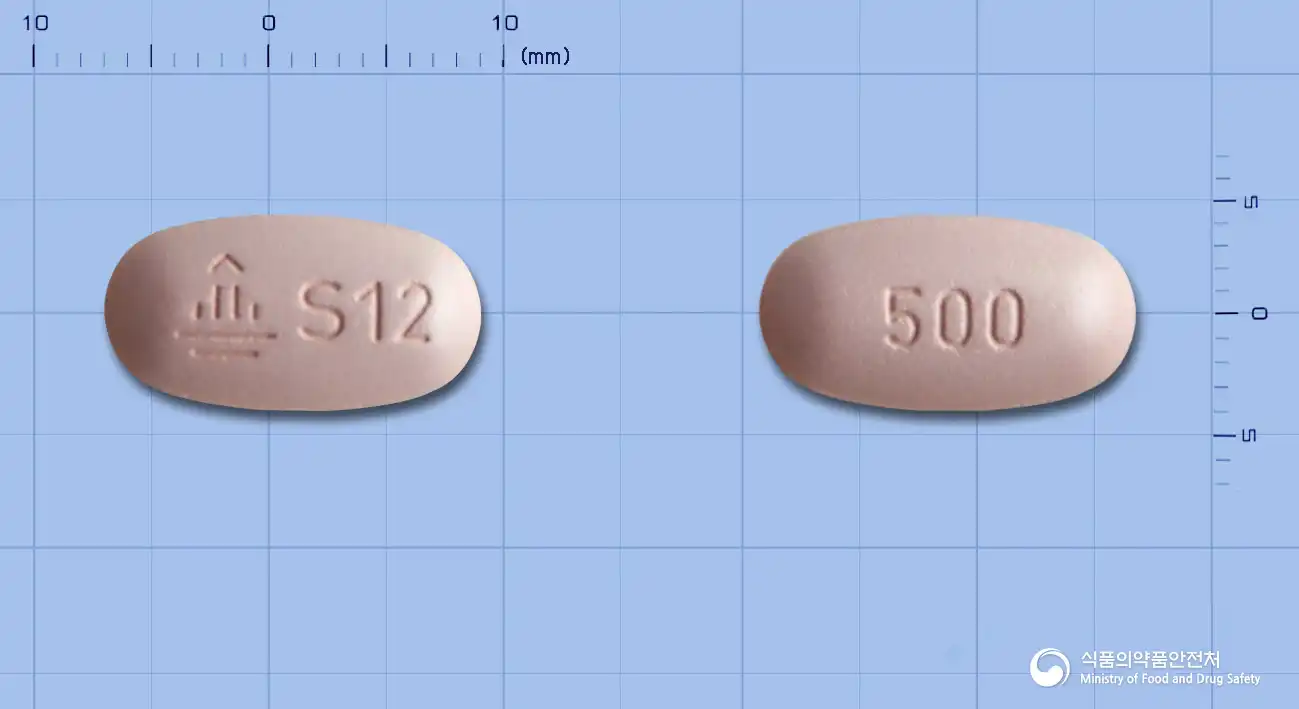 Combination
Empagliflozin 12.5mg · Metformin Hydrochloride 500mg
Tablet · Prescription medication · Combination
Boehringer Ingelheim Korea Co., Ltd.
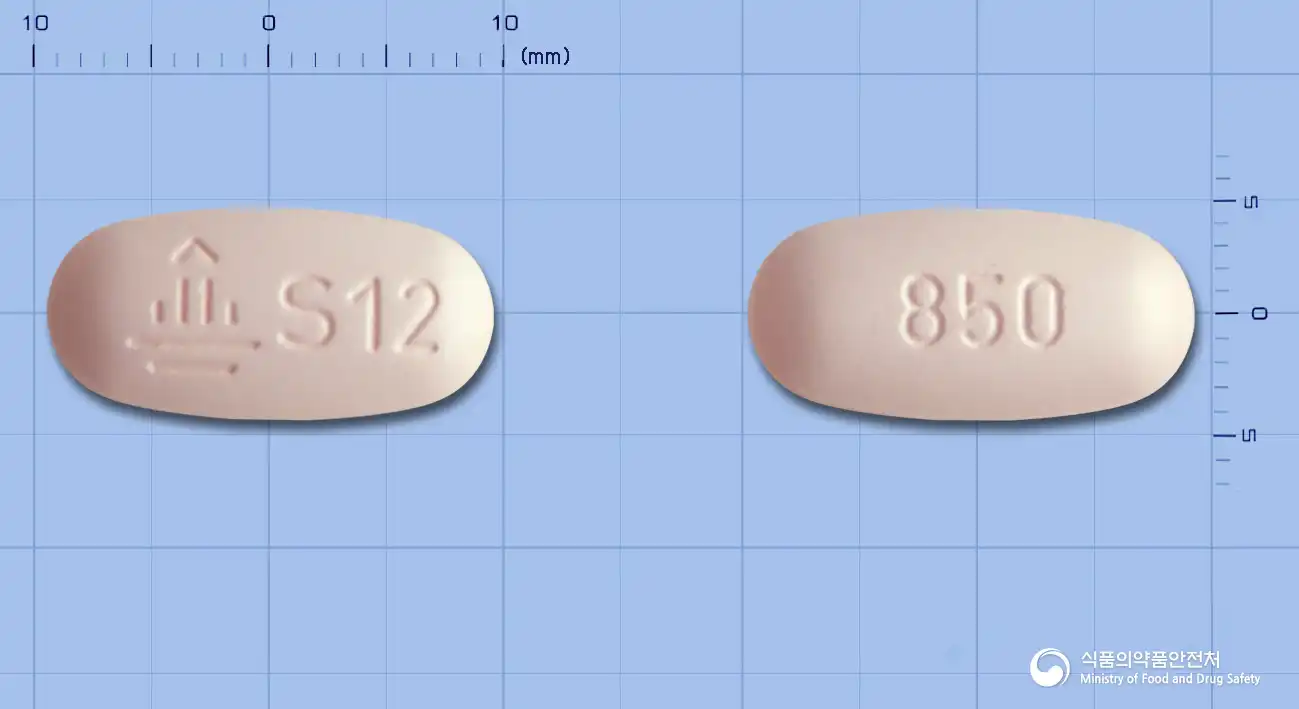 Combination
Empagliflozin 12.5mg · Metformin Hydrochloride 850mg
Tablet · Prescription medication · Combination
Boehringer Ingelheim Korea Co., Ltd.
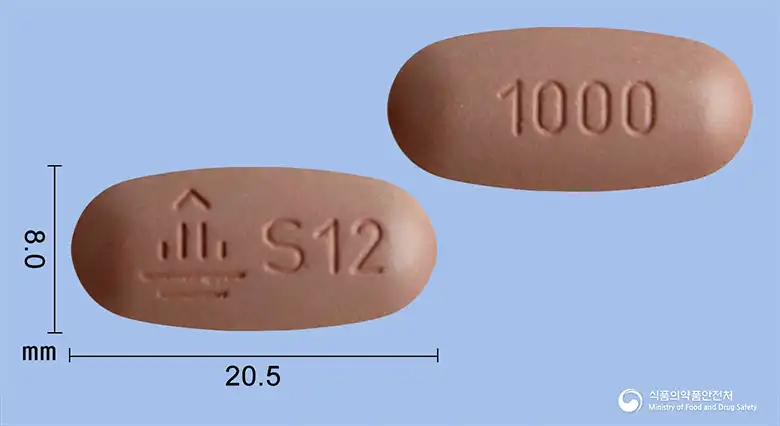 Combination
Empagliflozin 12.5mg · Metformin Hydrochloride 1000mg
Tablet · Prescription medication · Combination
Boehringer Ingelheim Korea Co., Ltd.
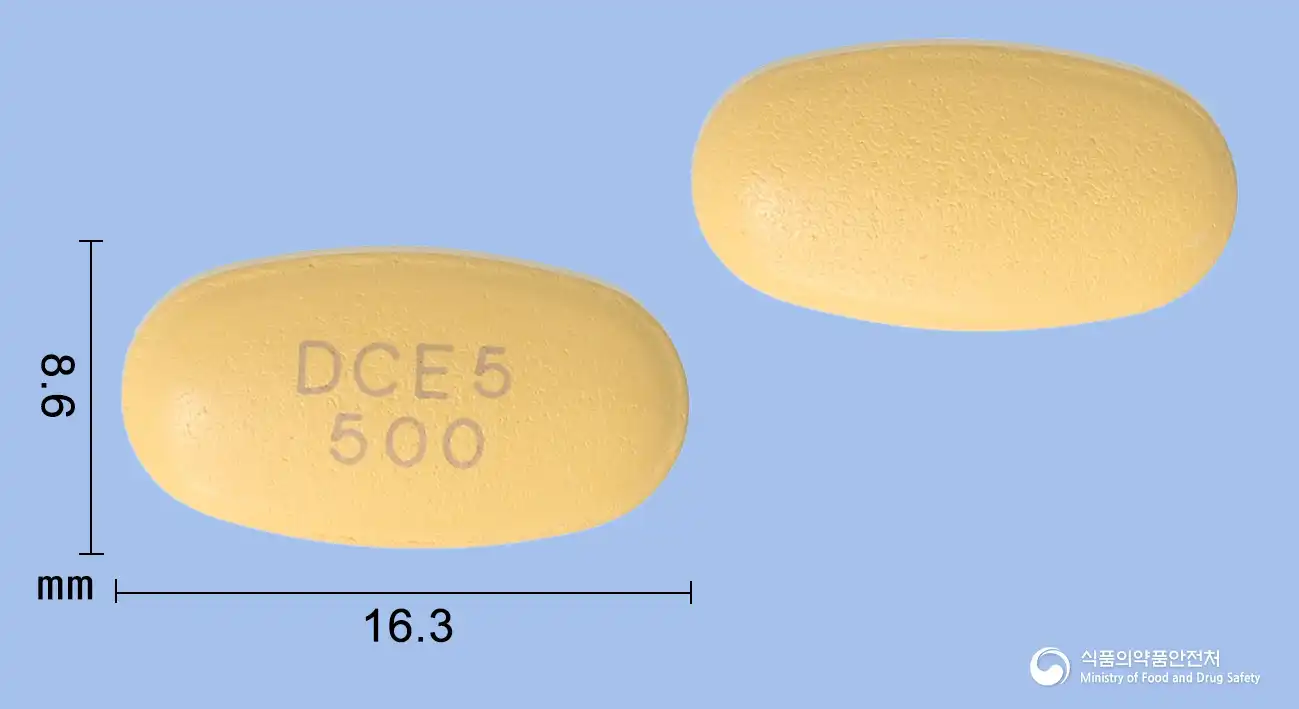 Combination
Empagliflozin 5mg · Metformin Hydrochloride 500mg
Tablet · Prescription medication · Combination
Donggu Bio Pharmaceutical Co., Ltd.
Even with the same ingredient, the dose and directions can differ by strength and dosage form. Talk to a doctor or pharmacist before switching from a medication you are already taking.
No questions yet.
For anything that needs medical judgment, consult a doctor or pharmacist.
This drug information is based on data provided by the Korea Ministry of Food and Drug Safety.
Consult a doctor or pharmacist for accurate dosage, administration, and usage instructions.