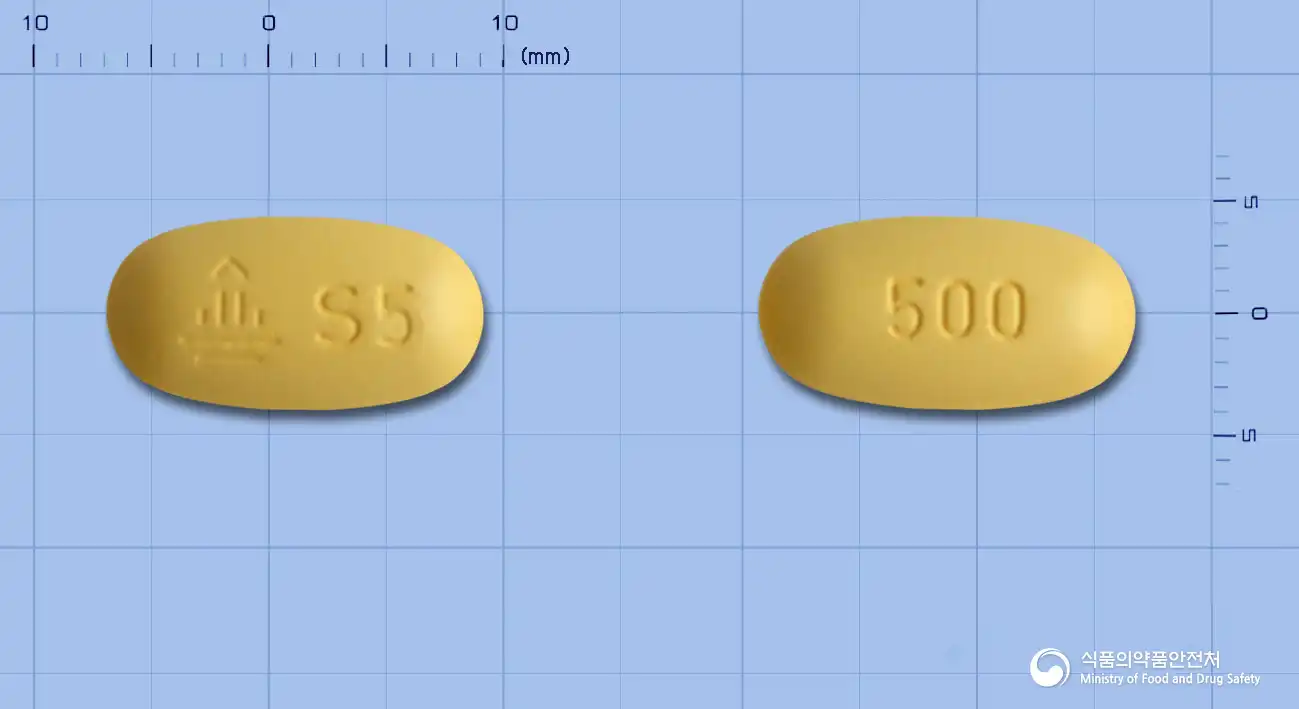
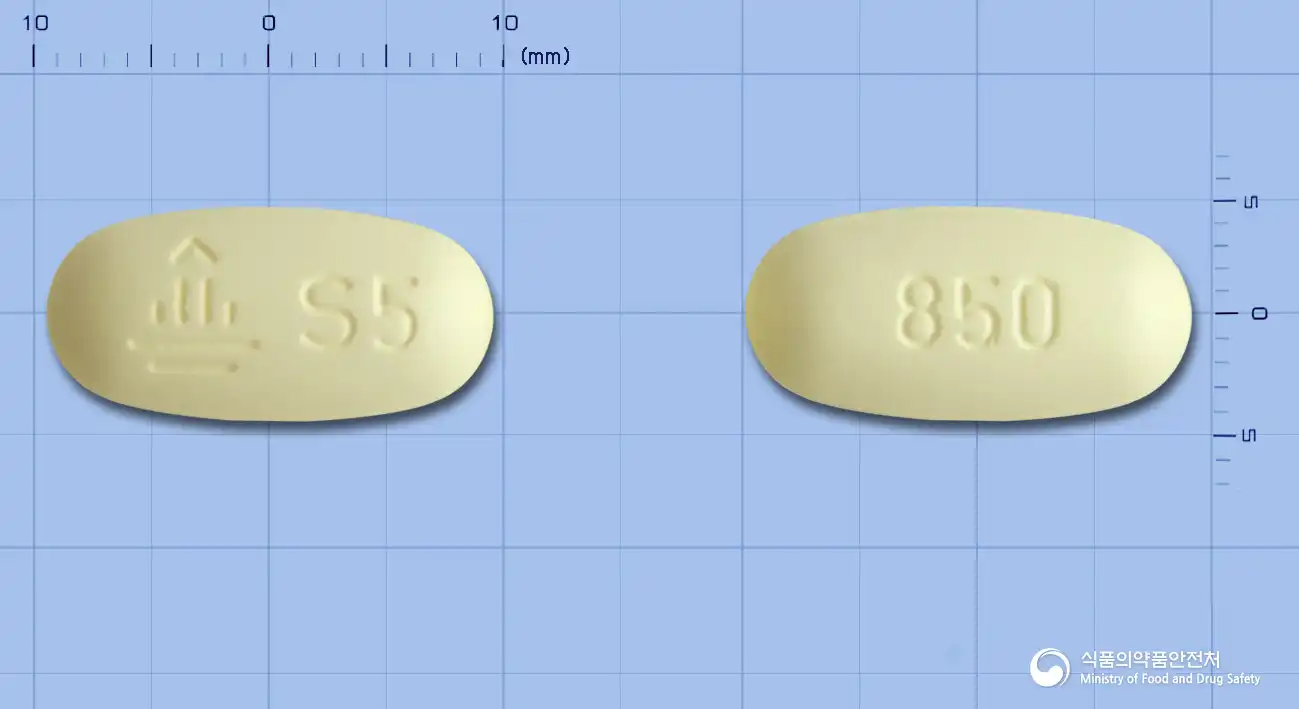
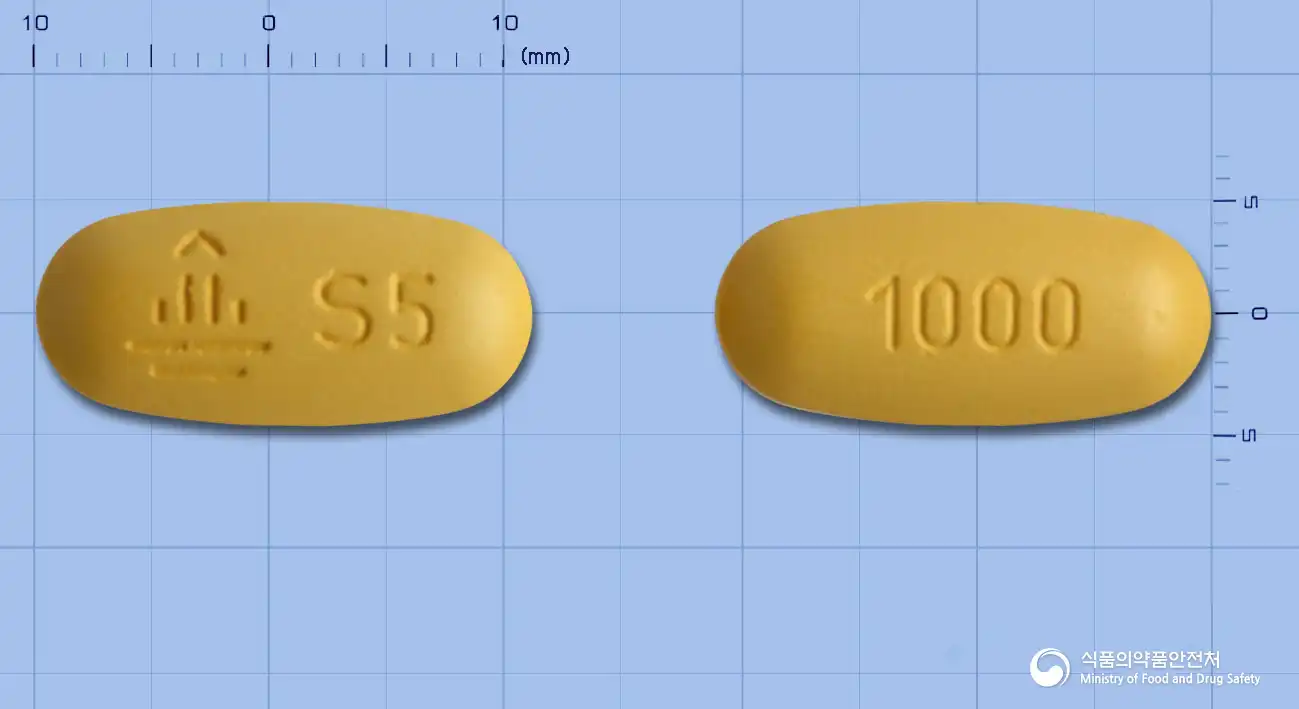
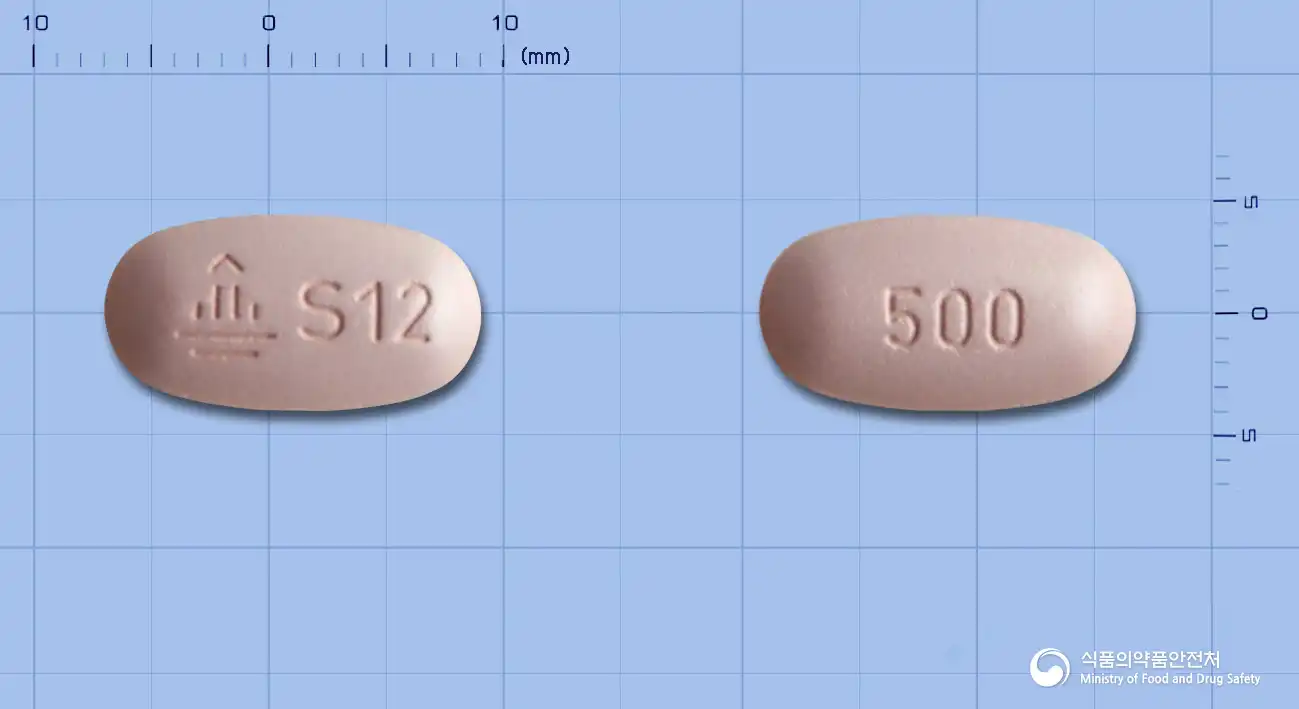
Blood glucose control in adults with Type 2 diabetes and prevention of cardiovascular events
Who takes it
Adults
Adult dose
In diabetes therapy, the dosage of this medication should be determined based on the current treatment regimen, efficacy, and tolerance of each patient, ensuring the total daily maximum recommended doses of Empagliflozin 25 mg and sustained-release Metformin Hydrochloride does not exceed 2000 mg.
This medication should be taken once daily in the evening with meals to reduce gastrointestinal side effects associated with Metformin.
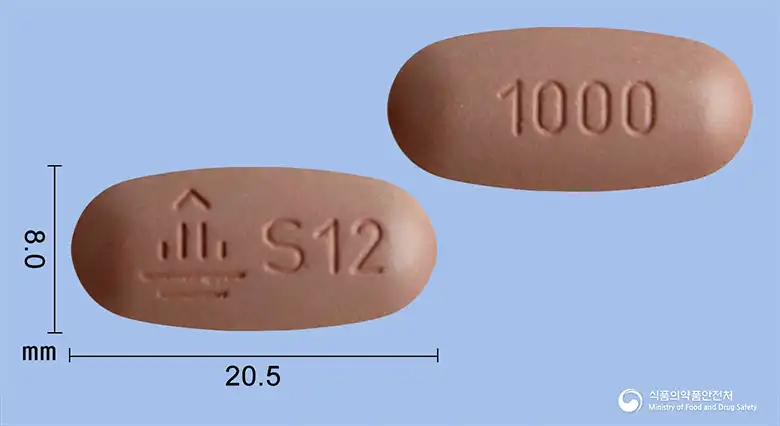
This medication 10/1000 mg sustained-release or 25/1000 mg sustained-release should be taken once daily as 1 tablet.
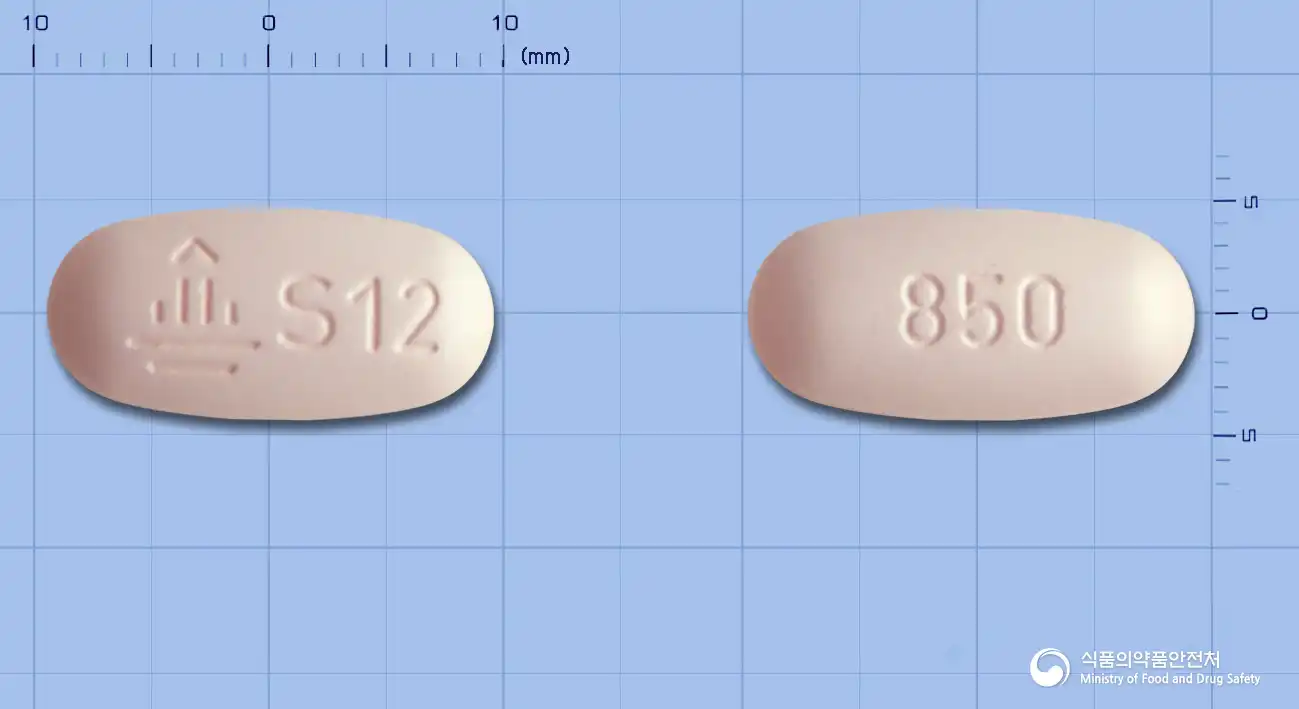
Patients taking this medication 5/1000 mg sustained-release or 12.5/1000 mg sustained-release should take 2 tablets simultaneously once daily.
To maintain its sustained-release properties, this medication should not be split, crushed, ground, or chewed but swallowed whole. It may not completely dissolve and could be excreted in the stool. It is unknown whether the main active ingredient is present in the feces discharged. If patients repeatedly report finding this medication in their stool, healthcare professionals should assess whether blood glucose is being adequately controlled (refer to usage precautions, 5. General precautions).
For patients who cannot achieve adequate blood glucose control with Metformin alone or in combination with insulin or other medications, the initial recommended dosage of this medication is a total daily amount of 10 mg Empagliflozin and the usual Metformin dose. If tolerance to 10 mg Empagliflozin is good and additional blood glucose control is needed, the dose may be increased to 25 mg Empagliflozin.
Patients transitioning to this medication from combination therapy with Empagliflozin and Metformin should be dosed based on their current doses of Empagliflozin and Metformin. When switching from immediate-release Metformin to sustained-release, blood glucose control should be closely monitored and dosage adjusted as appropriate.
When this medication is co-administered with sulfonylureas or insulin, consideration should be given to reducing the sulfonylureas or insulin doses to decrease the risk of hypoglycemia. (Refer to usage precautions 4. Adverse reactions and 6. Interactions).
Special populations
Renal impairment
Dose adjustments based on renal function are necessary, so periodic assessment of kidney function before and after the initiation of this medication is recommended.
In patients with mild renal impairment [creatinine clearance (CrCl) ≧ 60 mL/min or estimated glomerular filtration rate (eGFR) ≧ 60 mL/min/1.73 m²], dose adjustments are not required.
In patients with moderate renal impairment [CKD stage 3A, creatinine clearance (CrCl) ≧ 45 mL/min and < 60 mL/min or estimated glomerular filtration rate (eGFR) ≧ 45 mL/min/1.73 m² and < 60 mL/min/1.73 m²] with good tolerance and no accompanying symptoms increasing the risk of lactic acidosis, the use of Metformin Hydrochloride can be adjusted in the following manner:
- The starting dose of sustained-release Metformin Hydrochloride is 500 mg or 750 mg once daily, so it should not be initiated with this medication.
The maximum daily dose of Metformin Hydrochloride is 1000 mg. If creatinine clearance (CrCl) drops below 45 mL/min or the estimated glomerular filtration rate (eGFR) drops below 45 mL/min/1.73 m², this medication should be discontinued immediately.
Elderly patients
Patients aged 75 and older should consider the risk of decreased kidney function and fluid volume loss.
Blood glucose control in adults with Type 2 diabetes and prevention of cardiovascular events
Blood glucose control issues in adults with Type 2 diabetes
cardiovascular disease
View approved original textHide original text
This medication helps improve blood glucose control in adults with Type 2 diabetes by using a combination of Empagliflozin and Metformin. It particularly acts as a complement to dietary and exercise therapies. Additionally, it is considered for use in patients with Type 2 diabetes who have accompanying cardiovascular disease, taking into account its effect on the occurrence of cardiovascular events. Therefore, this medication effectively enhances the treatment and blood glucose management of Type 2 diabetes.
How to take
Adult dose
In diabetes therapy, the dosage of this medication should be determined based on the current treatment regimen, efficacy, and tolerance of each patient, ensuring the total daily maximum recommended doses of Empagliflozin 25 mg and sustained-release Metformin Hydrochloride does not exceed 2000 mg.
This medication should be taken once daily in the evening with meals to reduce gastrointestinal side effects associated with Metformin.
This medication 10/1000 mg sustained-release or 25/1000 mg sustained-release should be taken once daily as 1 tablet.
Patients taking this medication 5/1000 mg sustained-release or 12.5/1000 mg sustained-release should take 2 tablets simultaneously once daily.
To maintain its sustained-release properties, this medication should not be split, crushed, ground, or chewed but swallowed whole. It may not completely dissolve and could be excreted in the stool. It is unknown whether the main active ingredient is present in the feces discharged. If patients repeatedly report finding this medication in their stool, healthcare professionals should assess whether blood glucose is being adequately controlled (refer to usage precautions, 5. General precautions).
For patients who cannot achieve adequate blood glucose control with Metformin alone or in combination with insulin or other medications, the initial recommended dosage of this medication is a total daily amount of 10 mg Empagliflozin and the usual Metformin dose. If tolerance to 10 mg Empagliflozin is good and additional blood glucose control is needed, the dose may be increased to 25 mg Empagliflozin.
Patients transitioning to this medication from combination therapy with Empagliflozin and Metformin should be dosed based on their current doses of Empagliflozin and Metformin. When switching from immediate-release Metformin to sustained-release, blood glucose control should be closely monitored and dosage adjusted as appropriate.
When this medication is co-administered with sulfonylureas or insulin, consideration should be given to reducing the sulfonylureas or insulin doses to decrease the risk of hypoglycemia. (Refer to usage precautions 4. Adverse reactions and 6. Interactions).
Special populations
Renal impairment
Dose adjustments based on renal function are necessary, so periodic assessment of kidney function before and after the initiation of this medication is recommended.
In patients with mild renal impairment [creatinine clearance (CrCl) ≧ 60 mL/min or estimated glomerular filtration rate (eGFR) ≧ 60 mL/min/1.73 m²], dose adjustments are not required.
In patients with moderate renal impairment [CKD stage 3A, creatinine clearance (CrCl) ≧ 45 mL/min and < 60 mL/min or estimated glomerular filtration rate (eGFR) ≧ 45 mL/min/1.73 m² and < 60 mL/min/1.73 m²] with good tolerance and no accompanying symptoms increasing the risk of lactic acidosis, the use of Metformin Hydrochloride can be adjusted in the following manner:
- The starting dose of sustained-release Metformin Hydrochloride is 500 mg or 750 mg once daily, so it should not be initiated with this medication.
The maximum daily dose of Metformin Hydrochloride is 1000 mg. If creatinine clearance (CrCl) drops below 45 mL/min or the estimated glomerular filtration rate (eGFR) drops below 45 mL/min/1.73 m², this medication should be discontinued immediately.
Elderly patients
Patients aged 75 and older should consider the risk of decreased kidney function and fluid volume loss.
Precautions
This medication is used for the treatment of diabetes and helps lower blood glucose levels.
However, certain precautions must be strictly followed when taking this medication.
First, one of the ingredients, Metformin, can rarely cause a serious condition called lactic acidosis, which can be life-threatening, requiring utmost caution.
Also, when taken with insulin or other diabetes medications, symptoms of hypoglycemia may occur, so blood glucose levels should be monitored closely.
This medication should not be administered to patients with significantly decreased kidney function or severe liver dysfunction, and should be avoided in cases of acute infections, dehydration, or serious heart problems.
Particularly, patients scheduled for surgery should discontinue this medication 48 hours prior to surgery and resume only after kidney function returns to normal.
This medication may increase the risk of genital or urinary infections; therefore, if infection symptoms appear, prompt consultation with a physician is advised.
During treatment, regular checks of serum creatinine levels are essential to monitor kidney function.
Additionally, this medication may reduce Vitamin B12 levels; hence, periodic checks of Vitamin B12 levels are recommended for long-term use.
Women who are pregnant or breastfeeding should avoid taking this medication, and women of childbearing potential should consult a physician before taking it.
Elderly patients or those at risk of fluid loss should be cautious to avoid dehydration or hypotension, and adequate fluid intake is necessary during treatment.
It is advisable to avoid excessive drinking or alcohol consumption while taking this medication.
When taking the tablets, do not crush or chew them; swallow them whole, and it is normal for the tablet coating to appear in the stool.
Lastly, if any adverse reactions are suspected or symptoms worsen while taking this medication, notify healthcare professionals immediately.
Even with the same ingredient, the dose and directions can differ by strength and dosage form. Talk to a doctor or pharmacist before switching from a medication you are already taking.
Questions about this medicine
No questions yet.
For anything that needs medical judgment, consult a doctor or pharmacist.
This drug information is based on data provided by the Korea Ministry of Food and Drug Safety. Consult a doctor or pharmacist for accurate dosage, administration, and usage instructions.

 한국어
한국어 English
 日本語
日本語 中文(简体)
 Viewing nowCombination