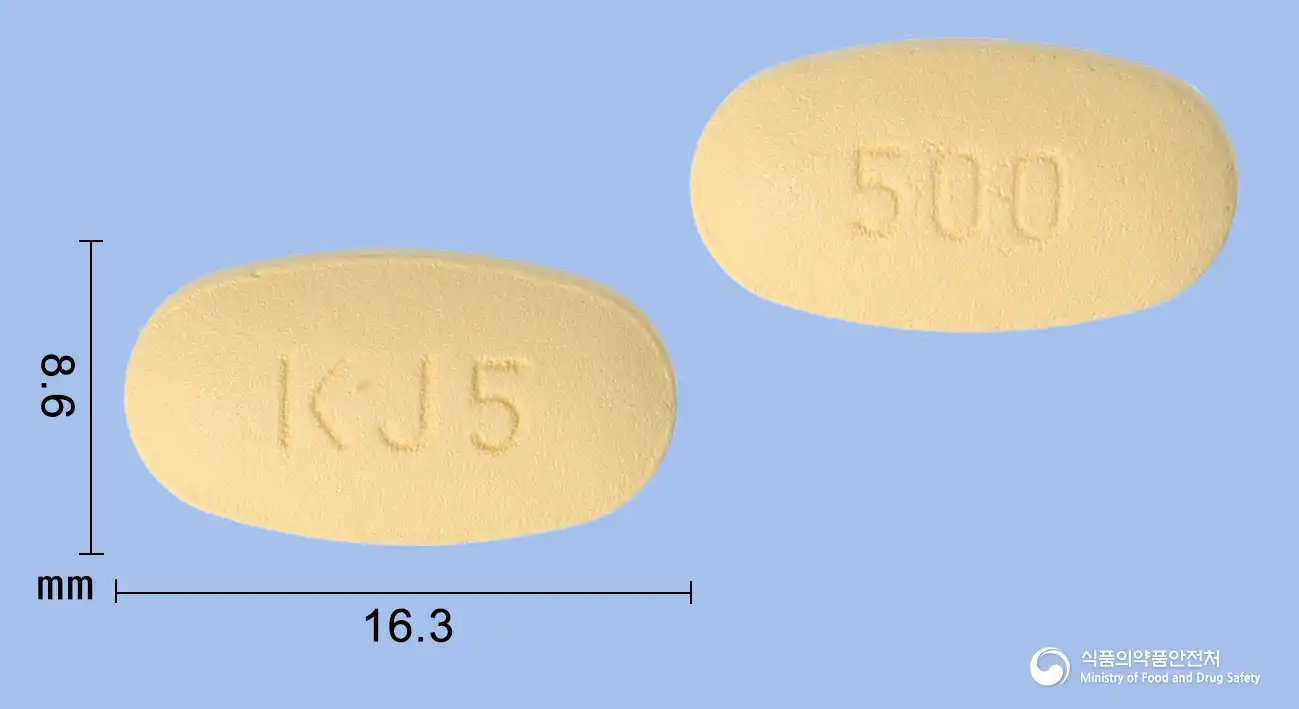
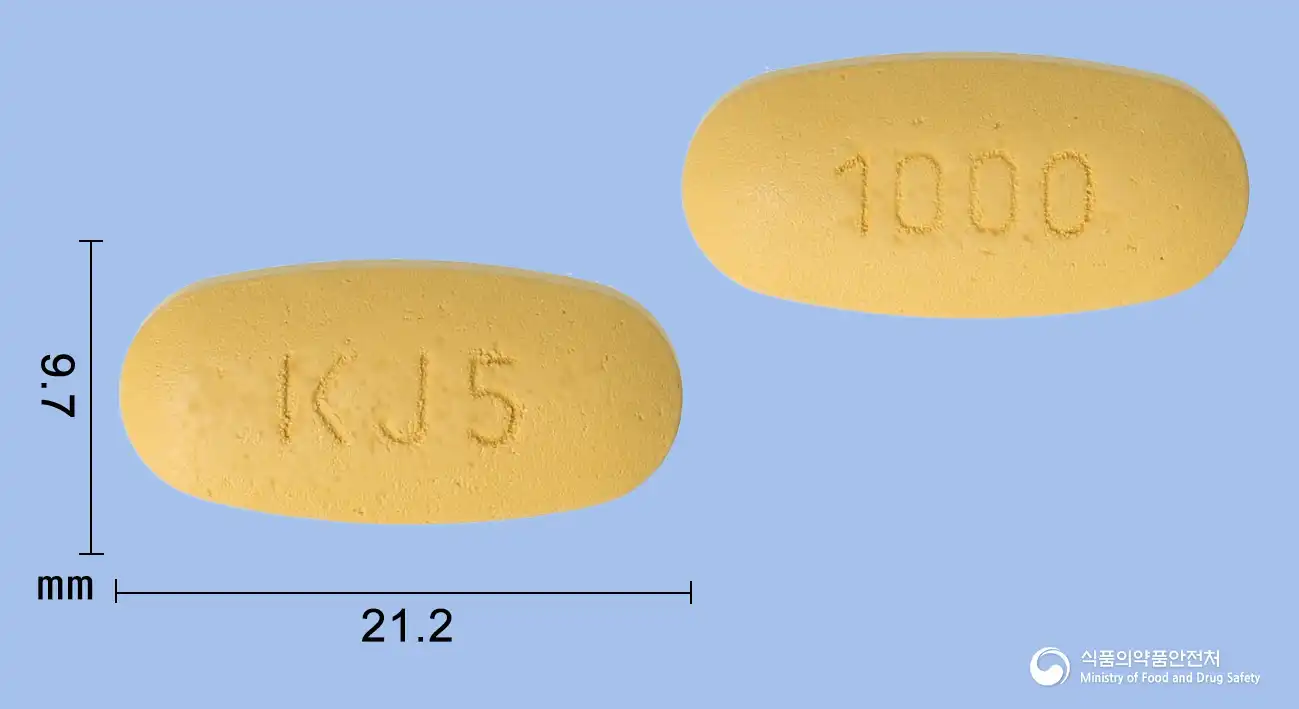
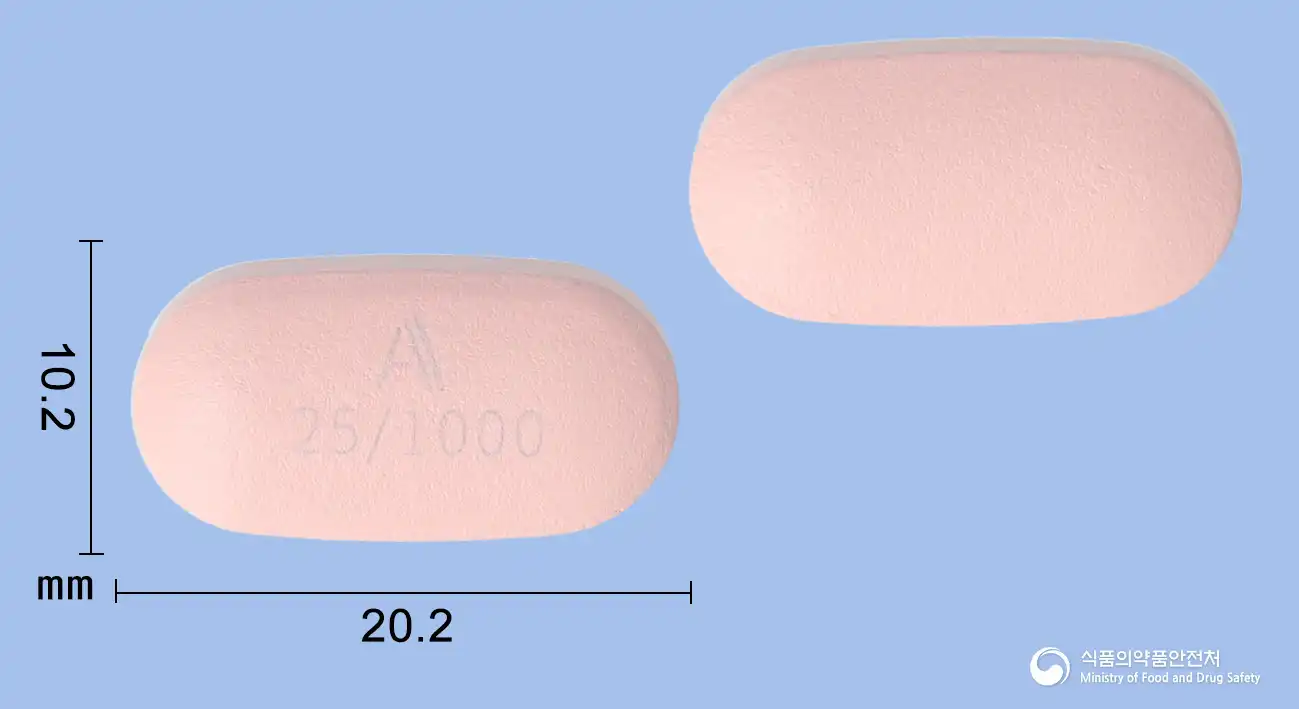
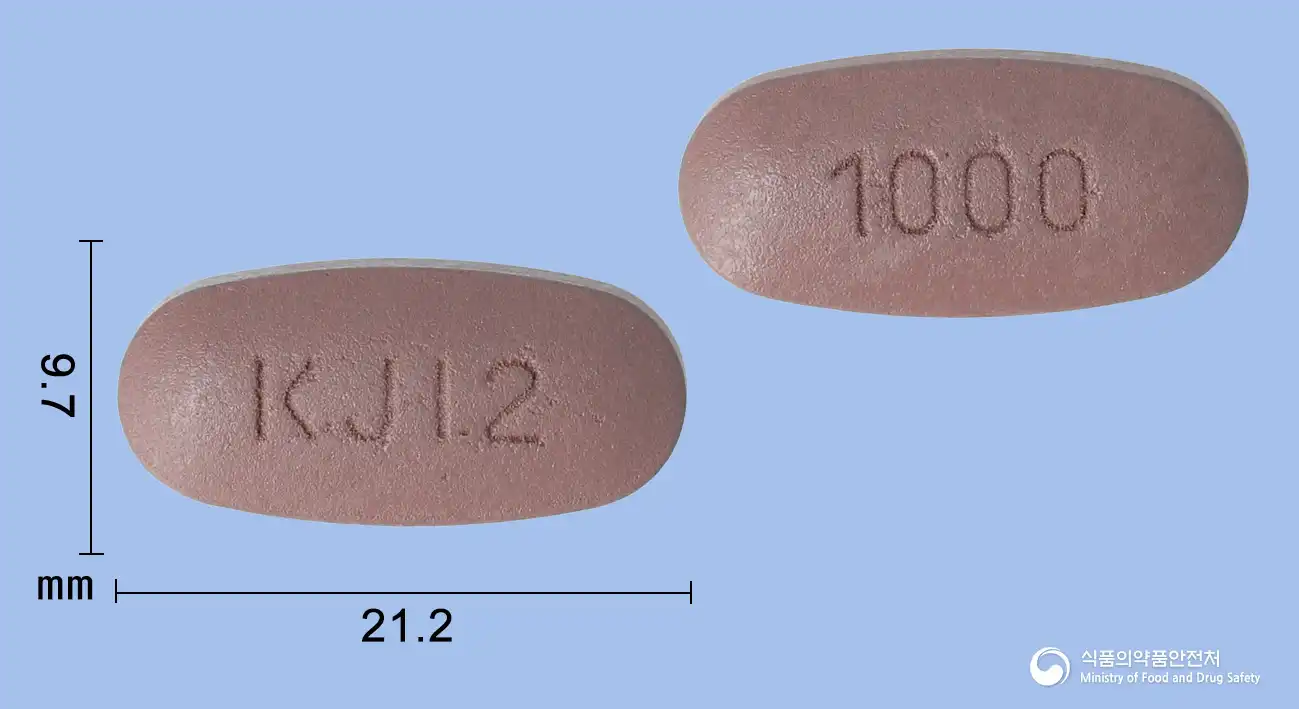
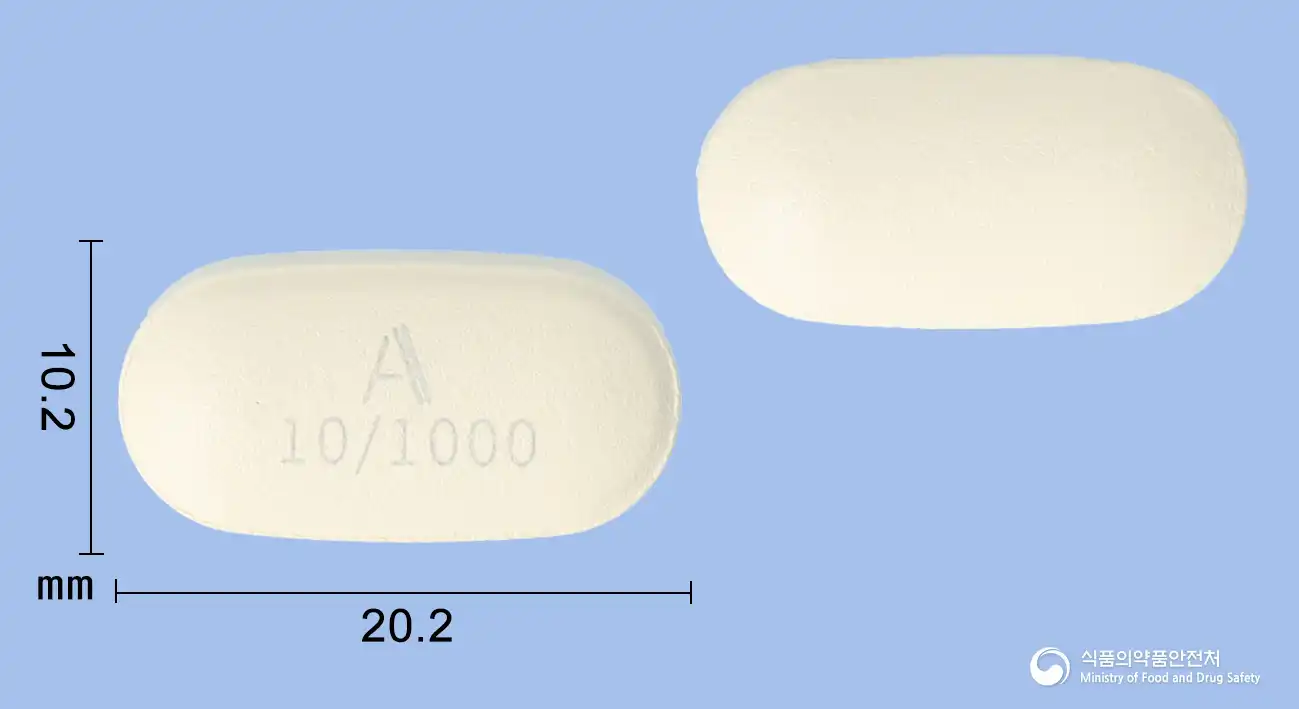
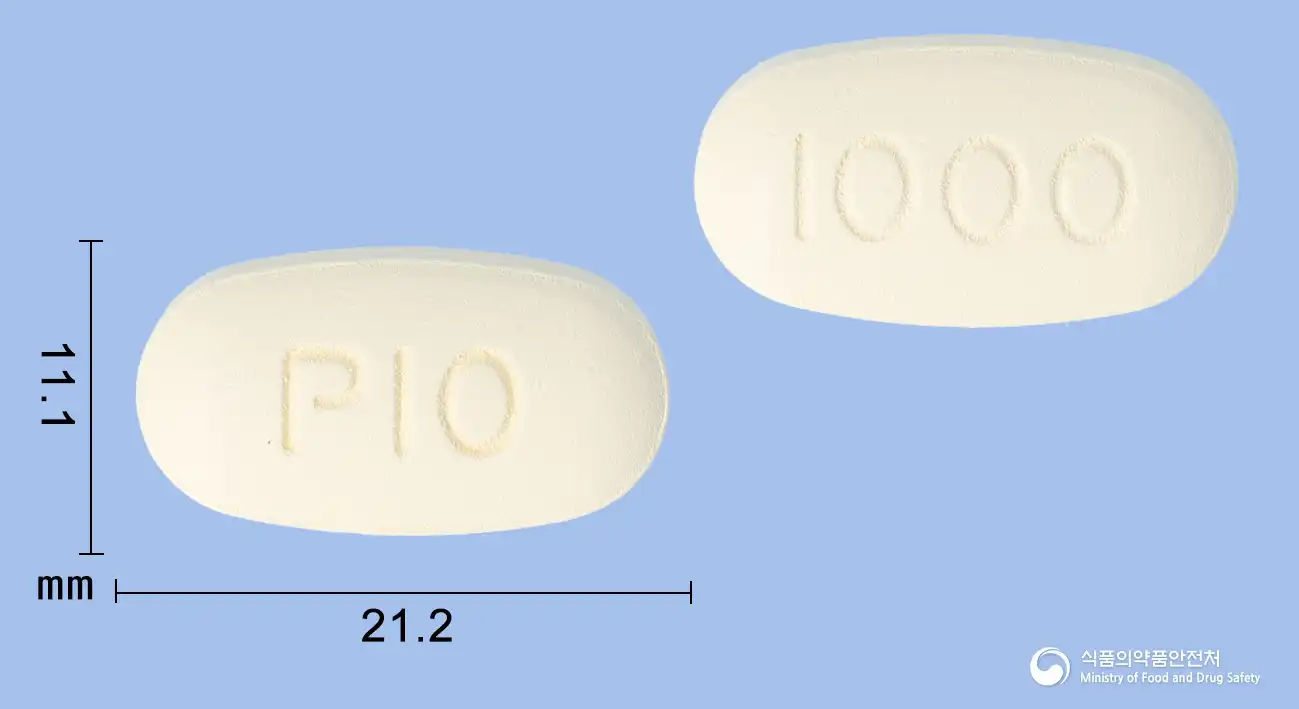
Biconvex oval film-coated tablet with light brownish-purple color
Packaging
30 tablets/box [(6 tablets/PTP × 5)]
Approval status
Active
MFDS item code 202501692 · Approved 2025.07.08
Summary
Main use
Blood sugar control in adult type 2 diabetes and prevention of cardiovascular events
Who takes it
Adults
Adult dose
The recommended dosage of this medication is 1 tablet once, twice a day.
The dosage should be determined within the range not exceeding 25 mg of empagliflozin and 2000 mg of metformin, based on current treatment therapy, efficacy, and tolerability.
Patients who do not achieve sufficient blood sugar control with metformin alone or combined therapy with insulin should take 5 mg of empagliflozin twice a day along with their regular dose of metformin.
For tolerability to empagliflozin 10 mg (total daily dose), further blood sugar control may be necessary, and a dose escalation to 25 mg (total daily dose) can be considered.
Blood sugar control in adult type 2 diabetes and prevention of cardiovascular events
Poor blood sugar control in adult type 2 diabetes patients
cardiovascular diseases
View approved original textHide original text
This medication is used to improve blood sugar control as an adjunct to diet and exercise in adults with type 2 diabetes through the combination of empagliflozin and metformin. It is especially necessary for proper management in patients with cardiovascular diseases who do not achieve adequate blood sugar control. Therefore, this medication aids in effective blood sugar management while considering cardiovascular risk.
How to take
Adult dose
The recommended dosage of this medication is 1 tablet once, twice a day.
The dosage should be determined within the range not exceeding 25 mg of empagliflozin and 2000 mg of metformin, based on current treatment therapy, efficacy, and tolerability.
Patients who do not achieve sufficient blood sugar control with metformin alone or combined therapy with insulin should take 5 mg of empagliflozin twice a day along with their regular dose of metformin.
For tolerability to empagliflozin 10 mg (total daily dose), further blood sugar control may be necessary, and a dose escalation to 25 mg (total daily dose) can be considered.
Precautions
This medication is used for the treatment of diabetes and contains empagliflozin and metformin hydrochloride as the main ingredients.
Caution should be exercised for severe lactic acidosis, a rare side effect associated with this medication. Lactic acidosis can be life-threatening, with symptoms including malaise, muscle pain, difficulty breathing, and abdominal pain.
When taken with other diabetes medications, hypoglycemia may occur, so blood sugar levels should be closely monitored.
This medication should not be used in patients with moderate to severe impaired kidney function or acute kidney problems, severe infections, or heart failure.
This medication should be temporarily discontinued before and after examinations using radiocontrast agents containing iodine, and should be restarted only after kidney function has been confirmed to be normal.
Women who are pregnant or breastfeeding should avoid taking this medication, and excessive alcohol consumption should also be avoided.
This medication may cause side effects such as genital infections, urinary tract infections, and increased urination; consultations with a doctor should be made if these symptoms occur.
Elderly patients or those with impaired kidney function should undergo regular kidney function tests and may require dose adjustments if necessary.
Furthermore, while taking this medication, vitamin B12 levels may decrease; therefore, regular blood tests are recommended for those on long-term treatment.
Patients scheduled for surgery should discontinue this medication 48 hours prior to the procedure and can resume it only after kidney function has returned to normal postoperatively.
This medication can cause symptoms of hypoglycemia, so caution is necessary if meals are skipped or irregular.
In cases of overdose, especially with metformin, the risk of lactic acidosis is higher, and immediate medical attention is required.
Side effects and when to seek care immediately
Serious side effects
Urticaria, severe swelling (angioedema), chest tightness, difficulty breathing, cold sweat, paleness, severe rash with fever, blisters, skin peeling, pain in mouth/eye mucosa, severe skin adverse reactions, shortness of breath or difficulty breathing, asthma attacks, respiratory abnormalities accompanied by cough and fever, jaundice of skin or eyes, hepatic abnormal symptoms, sudden and severe headache, lightning headache, seizures, altered consciousness, visual disturbances, paralysis.
Mild side effects
Hypoglycemia
urinary tract infections
genital infections
increased urination
nausea
vomiting
diarrhea
abdominal pain
loss of appetite
constipation
Show 22 moreCollapse
abnormal liver function tests
hepatitis
altered taste
itching
rash
erythema
thirst
increased serum lipids
increased serum creatinine
decreased glomerular filtration rate
decreased vitamin B12 and deficiency
headache
dizziness
weight loss
insomnia
anxiety
fatigue
nausea
gastritis
abdominal discomfort
fever
vascular stent stenosis.
Not everyone experiences these, and they can vary from person to person.
Storage
This medication should be stored in a sealed container to protect it from air and moisture, and it should be kept at a temperature between 1°C and 30°C.
Appearance and packaging
Appearance
Biconvex oval film-coated tablet with light brownish-purple color
Package unit
30 tablets/box [(6 tablets/PTP × 5)]
Same-ingredient medicines
Even with the same ingredient, strength, dosage form and how it is taken can differ.
Even with the same ingredient, the dose and directions can differ by strength and dosage form. Talk to a doctor or pharmacist before switching from a medication you are already taking.
Questions about this medicine
No questions yet.
For anything that needs medical judgment, consult a doctor or pharmacist.
This drug information is based on data provided by the Korea Ministry of Food and Drug Safety. Consult a doctor or pharmacist for accurate dosage, administration, and usage instructions.

 한국어
한국어 English
 日本語
日本語 中文(简体)