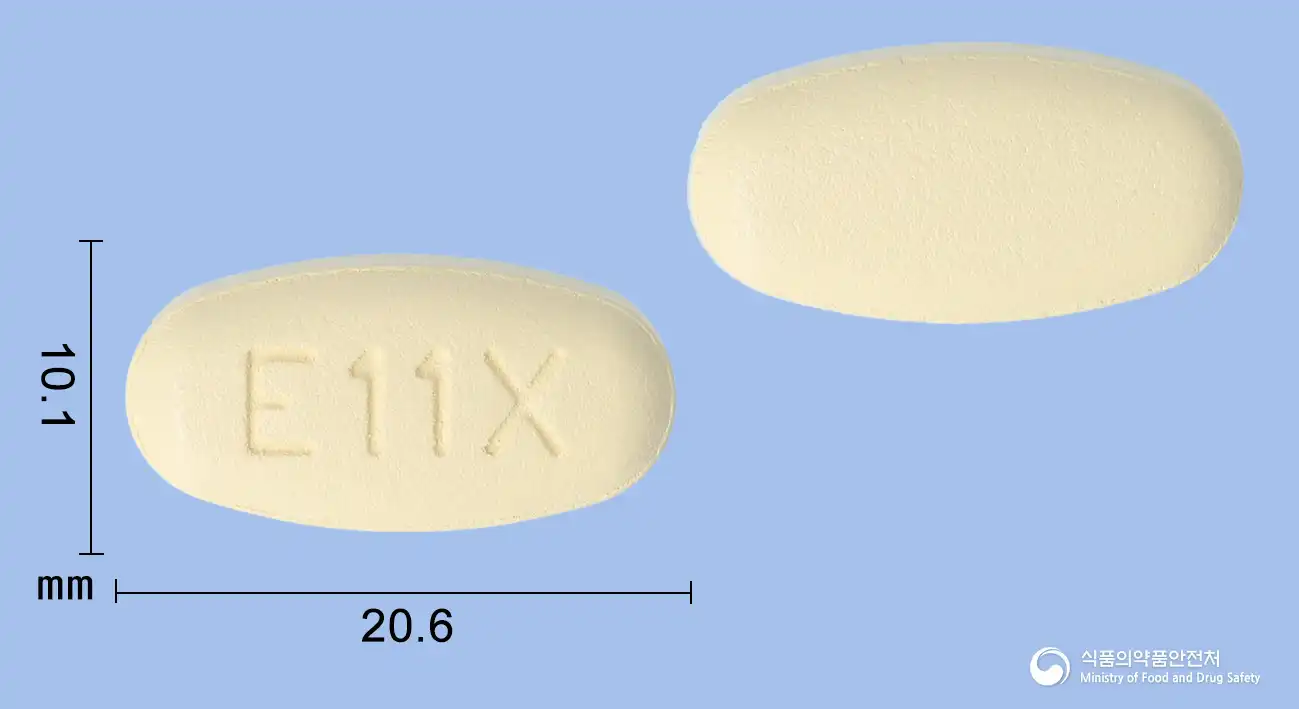
Improvement of blood glucose control in type 2 diabetes
Who takes it
Adults
Adult dose
In antidiabetic therapy, the recommended dosage of this medication should not exceed the maximum daily dosages of each component, which are empagliflozin 25 mg, sitagliptin 100 mg, and extended-release metformin hydrochloride 2000 mg. The dosage is determined based on each patient's current treatment regimen, efficacy, and tolerability.
This medication should be taken once daily in the evening with food to reduce gastrointestinal adverse reactions due to metformin hydrochloride, and the dosage may need adjustments if required.
Improvement of blood glucose control in type 2 diabetes
View approved original textHide original text
This medication is administered to enhance blood glucose control in adult patients with type 2 diabetes as an adjunct to diet and exercise. The combination of empagliflozin, sitagliptin, and metformin effectively manages blood glucose levels to assist in diabetes treatment.
How to take
Adult dose
In antidiabetic therapy, the recommended dosage of this medication should not exceed the maximum daily dosages of each component, which are empagliflozin 25 mg, sitagliptin 100 mg, and extended-release metformin hydrochloride 2000 mg. The dosage is determined based on each patient's current treatment regimen, efficacy, and tolerability.
This medication should be taken once daily in the evening with food to reduce gastrointestinal adverse reactions due to metformin hydrochloride, and the dosage may need adjustments if required.
Precautions
This medication contains three components: sitagliptin, empagliflozin, and metformin hydrochloride.
Firstly, the sitagliptin component may cause severe allergic reactions, albeit rarely. Such reactions can appear within 3 months after starting the medication; if symptoms such as skin rash, difficulty breathing, or swelling of the face or throat occur, you should discontinue the medication immediately and seek medical attention.
Additionally, it may cause acute pancreatitis, an inflammation of the pancreas, so symptoms like abdominal pain, nausea, or vomiting should be observed closely during treatment.
The metformin hydrochloride component may cause lactic acidosis, which is a rare but very serious metabolic disorder. Symptoms can include difficulty breathing, muscle pain, weakness, and abdominal pain. It is particularly advisable for patients with impaired kidney function, liver impairment, severe dehydration, or ongoing infections to avoid this medication.
This drug should not be administered to patients with type 1 diabetes, acute or chronic kidney disorders, acute heart failure, myocardial infarction, or patients scheduled for surgery with severe infections.
Regular kidney function tests should be conducted during treatment, particularly in elderly patients and those with slightly impaired kidney function who may require more frequent monitoring.
There is a risk of hypoglycemia associated with this medication; therefore, caution should be taken for patients on insulin or sulfonylureas to observe symptoms of low blood sugar and respond promptly if they appear.
Moreover, this medication may lead to dehydration or low blood pressure, so intake should be temporarily discontinued and a physician consulted if symptoms such as diarrhea, vomiting, or fever lead to fluid loss.
Increased occurrences of genital infections or urinary tract infections may occur, so prompt treatment is necessary if related symptoms appear.
Caution is advised while driving or operating machinery due to the risk of hypoglycemia, and it is recommended to avoid alcohol consumption during treatment.
The tablets should be swallowed whole and not chewed or crushed; it is normal for the tablet coating to appear in the stool.
It is essential to consult healthcare professionals immediately if any unusual symptoms or discomfort occur during treatment.
Side effects and when to seek care immediately
Serious side effects
Hives
angioedema
anaphylaxis
Stevens-Johnson syndrome
exfoliative skin conditions
acute pancreatitis
lactic acidosis
severe allergic reactions
severe skin reactions
liver abnormalities (jaundice)
Show 11 moreCollapse
severe edema or urinary changes
acute renal failure
perineal necrosis
bullous pemphigoid
ketoacidosis
stent thrombosis
deep vein thrombosis
pneumonia
diabetic complications
metabolic acidosis
cardiac arrest
Mild side effects
Indigestion
abdominal pain
vaginal infection
weight loss
thirst
rash
hypoglycemia
headache
upper respiratory tract infection
pharyngitis
Show 21 moreCollapse
constipation
nausea
dizziness
peripheral edema
pruritus
increased blood lipids
increased urination
increased blood creatinine
decreased glomerular filtration rate
weight gain
dizziness
vulvar pruritus
back pain
fatigue
facial swelling
chills
increased blood triglycerides
increased low-density lipoprotein
hyperglycemia
gastritis
diarrhea
Not everyone experiences these, and they can vary from person to person.
Storage
This medication should be stored in a tightly sealed container to protect it from air and moisture. The appropriate storage temperature is between 1 to 30 degrees Celsius (33.8 to 86 degrees Fahrenheit). Avoid extremely hot or cold locations and keep it in a cool place away from direct sunlight.
Even with the same ingredient, the dose and directions can differ by strength and dosage form. Talk to a doctor or pharmacist before switching from a medication you are already taking.
Questions about this medicine
No questions yet.
For anything that needs medical judgment, consult a doctor or pharmacist.
This drug information is based on data provided by the Korea Ministry of Food and Drug Safety. Consult a doctor or pharmacist for accurate dosage, administration, and usage instructions.

 한국어
한국어 English
 日本語
日本語 中文(简体)
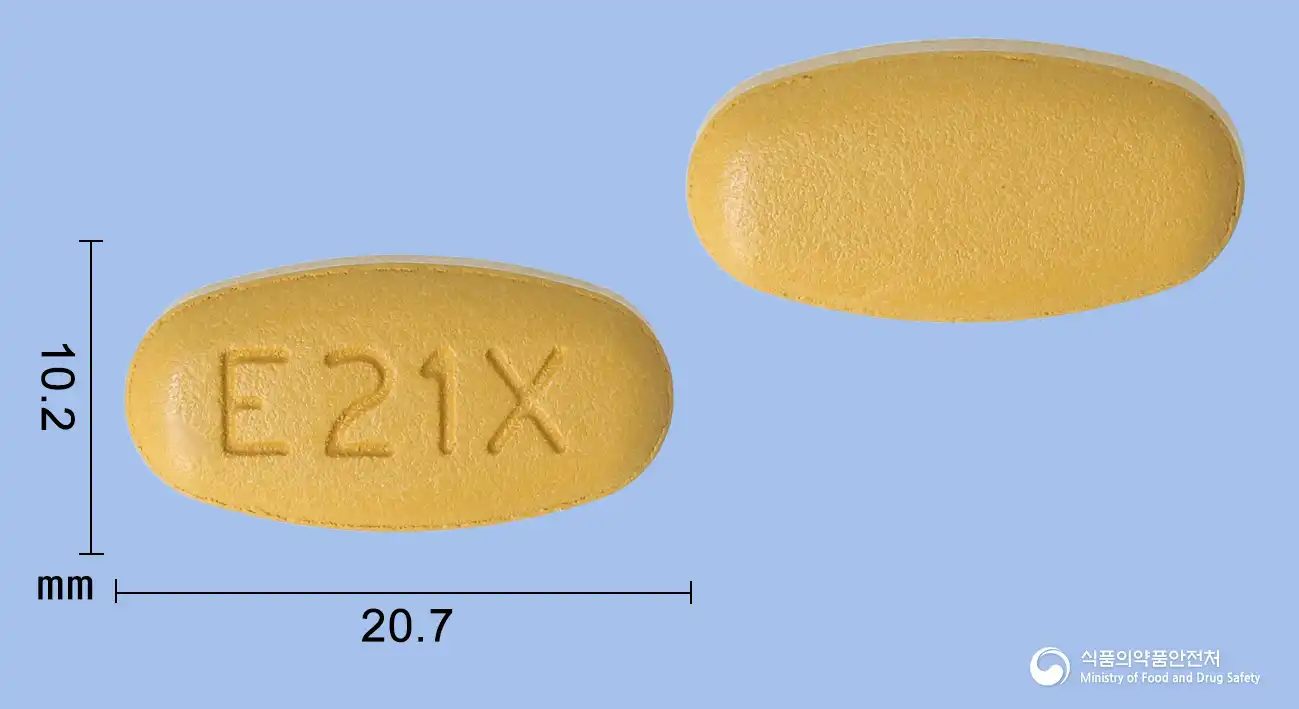 Viewing nowCombination