
 한국어
 English
 日本語
 中文(简体)
Summary
- Main use
- Treatment of postmenopausal estrogen deficiency; prevention of osteoporosis
- Who uses it
- Adults · Children
- Adult dosage
- Take 1 tablet orally once daily without interruption. Women who have not been receiving hormone replacement therapy or who are switching from another continuous combined product may start taking this medicine at any time. Women receiving cyclic, sequential combined hormone replacement therapy should start taking this medicine the day after completing their previous treatment regimen. Each pack provides 28 days of treatment; after finishing one pack, start a new pack without a break. Swallow the tablet whole with water, regardless of food intake. Take it at approximately the same time each day. If you forget to take a dose, take it as soon as possible. If more than 24 hours have passed since the missed dose, there is no need to take an additional dose of this medicine. Vaginal bleeding may occur if you have missed doses for several days. Use the minimum effective dose to treat postmenopausal symptoms. When initiating or continuing treatment for postmenopausal symptoms, use the minimum effective dose for the shortest duration necessary. Clinical experience in women aged 65 years and older is limited. Elderly patients No study results suggest that dose adjustment is necessary in elderly patients. Patients with hepatic impairment This medicine must not be used in women with liver tumors or a history of liver tumors, or in women with severe liver disease (see section 2, “Do not use in the following patients”). Women with hepatic impairment require close monitoring, and hormone replacement therapy should be discontinued if liver function parameters worsen (see section 5, “General precautions”). Patients with renal impairment Exposure to drospirenone is slightly increased in women with mild or moderate renal impairment, but this is not expected to be clinically significant. This medicine must not be used in patients with severe renal impairment.
- Children's dosage
- This medicine must not be used in children or adolescents.
Ingredients
- Manufacturer
- Daelim Biotech Co., Ltd.
Efficacy & effects
Treatment of postmenopausal estrogen deficiency; prevention of osteoporosis
- Estrogen deficiency
- osteoporosis
View approved original textHide original text
This medication can be used as hormone replacement therapy for estrogen deficiency in women who have been postmenopausal for over one year. It is also used for osteoporosis prevention in postmenopausal women at high risk of fractures, especially when other medications are not available or contraindicated.
Dosage and Administration
Adult dosage
Take 1 tablet orally once daily without interruption. Women who have not been receiving hormone replacement therapy or who are switching from another continuous combined product may start taking this medicine at any time. Women receiving cyclic, sequential combined hormone replacement therapy should start taking this medicine the day after completing their previous treatment regimen. Each pack provides 28 days of treatment; after finishing one pack, start a new pack without a break. Swallow the tablet whole with water, regardless of food intake. Take it at approximately the same time each day. If you forget to take a dose, take it as soon as possible. If more than 24 hours have passed since the missed dose, there is no need to take an additional dose of this medicine. Vaginal bleeding may occur if you have missed doses for several days. Use the minimum effective dose to treat postmenopausal symptoms. When initiating or continuing treatment for postmenopausal symptoms, use the minimum effective dose for the shortest duration necessary. Clinical experience in women aged 65 years and older is limited. Elderly patients No study results suggest that dose adjustment is necessary in elderly patients. Patients with hepatic impairment This medicine must not be used in women with liver tumors or a history of liver tumors, or in women with severe liver disease (see section 2, “Do not use in the following patients”). Women with hepatic impairment require close monitoring, and hormone replacement therapy should be discontinued if liver function parameters worsen (see section 5, “General precautions”). Patients with renal impairment Exposure to drospirenone is slightly increased in women with mild or moderate renal impairment, but this is not expected to be clinically significant. This medicine must not be used in patients with severe renal impairment.
Children's dosage
This medicine must not be used in children or adolescents.
Precautions
This medication requires caution for cardiovascular health. It should not be used for the prevention of coronary heart disease, as it may increase the risk of cardiovascular disease, breast cancer, and thrombosis. The treatment duration should be kept as short as possible, and regular evaluations by a physician are required. Patients at high risk for thrombosis should be monitored particularly closely. It is recommended to temporarily discontinue this medication before major surgery or during prolonged immobility. Due to the increased risk of breast cancer and endometrial cancer, annual breast examinations and self-exams, along with regular checks for endometrial status, are necessary. This medication should not be administered to individuals with undiagnosed genital bleeding, a history of breast cancer, suspected endometrial cancer, a history of thrombosis, severely impaired liver or kidney function, or to pregnant or breastfeeding women. Patients with specific conditions such as fibroids, hypertension, diabetes, liver disease, or headaches should be administered with caution, and if symptoms worsen during treatment, they should consult their physician immediately. Common side effects include breast pain, genital bleeding, and gastrointestinal pain, while rare but serious side effects such as thrombosis and breast cancer can occur. Patients should inform healthcare providers immediately if any unusual symptoms arise. This medication may interact with other drugs, so patients should inform their doctor or pharmacist of any medications they are taking, and it is advisable for patients with liver dysfunction to avoid taking it. Use during pregnancy is strictly prohibited, and if pregnancy is confirmed, the medication should be discontinued immediately. It is also not recommended to use during breastfeeding. Regular health check-ups and blood tests should be conducted to monitor for any abnormalities before and during treatment, and the dosage and duration prescribed by the physician should be strictly adhered to.
Side effects
- Breast pain
- female genital bleeding
- gastrointestinal and abdominal pain
- irregular bleeding
- breast cancer
- arterial and venous thromboembolism
- asthenia
- localized edema
- generalized edema
- chest pain
Show 116 moreCollapse
- fatigue
- abnormal laboratory test results
- increased sweating
- chills
- depression
- mood swings
- neuroticism
- emotional instability
- sleep disturbances
- decreased libido
- migraine
- flushing
- dizziness
- concentration difficulties
- sensory disturbances
- vertigo
- anemia
- hypertension
- palpitations
- varicose veins
- venous thrombosis
- superficial thrombophlebitis
- vasodilation
- dyspnea
- nausea
- abdominal distention
- gastrointestinal abnormalities
- increased appetite
- abnormal liver function tests
- diarrhea
- constipation
- vomiting
- dry mouth
- gastric distension
- taste disorders
- cholelithiasis
- weight gain
- weight loss
- hyperlipidemia
- increased appetite
- decreased appetite
- limb pain
- back pain
- muscle cramps
- joint pain
- alopecia
- skin abnormalities
- hair abnormalities
- hirsutism
- acne
- pruritus
- rash
- visual disturbances
- ocular abnormalities
- tinnitus
- enlarged uterine fibroids
- benign cervical tumors
- menstrual irregularities
- leukorrhea
- breakthrough bleeding
- benign breast tumors
- breast enlargement
- cervical polyps
- vulvovaginitis
- endometrial abnormalities
- cervical abnormalities
- dysmenorrhea
- bleeding
- ovarian cysts
- urethral infections
- urinary incontinence
- urinary abnormalities
- breast cancer
- benign uterine tumors
- fibrocystic breast disease
- uterine abnormalities
- pelvic pain
- vulvar abnormalities
- vaginal candidiasis
- vaginitis
- vaginal dryness
- salpingitis
- vaginal bleeding
- breast pain
- nausea
- constipation
- pruritus
- dysmenorrhea
- fatigue
- neck stiffness
- central obesity
- galactorrhea
- myalgia
- body aches
- abnormal breast examinations
- warm sensation
- gynecological pain
- liver cancer
- gallbladder disease
- dementia
- liver dysfunction
- hypertriglyceridemia
- glucose intolerance changes
- peripheral insulin resistance
- increased size of uterine fibroids
- reactivation of endometriosis
- prolactinoma
- melasma
- jaundice
- cholestasis pruritus
- liver tumors
- hyperkalemia
- heart failure
- atrial flutter
- QT interval prolongation
- cardiac hypertrophy
Not everyone experiences these, and they can vary from person to person.
Storage
This medication should be stored in a tightly sealed container to protect it from air and moisture, and it is best kept at room temperature between 1 and 30 degrees Celsius.
Appearance and packaging
Appearance
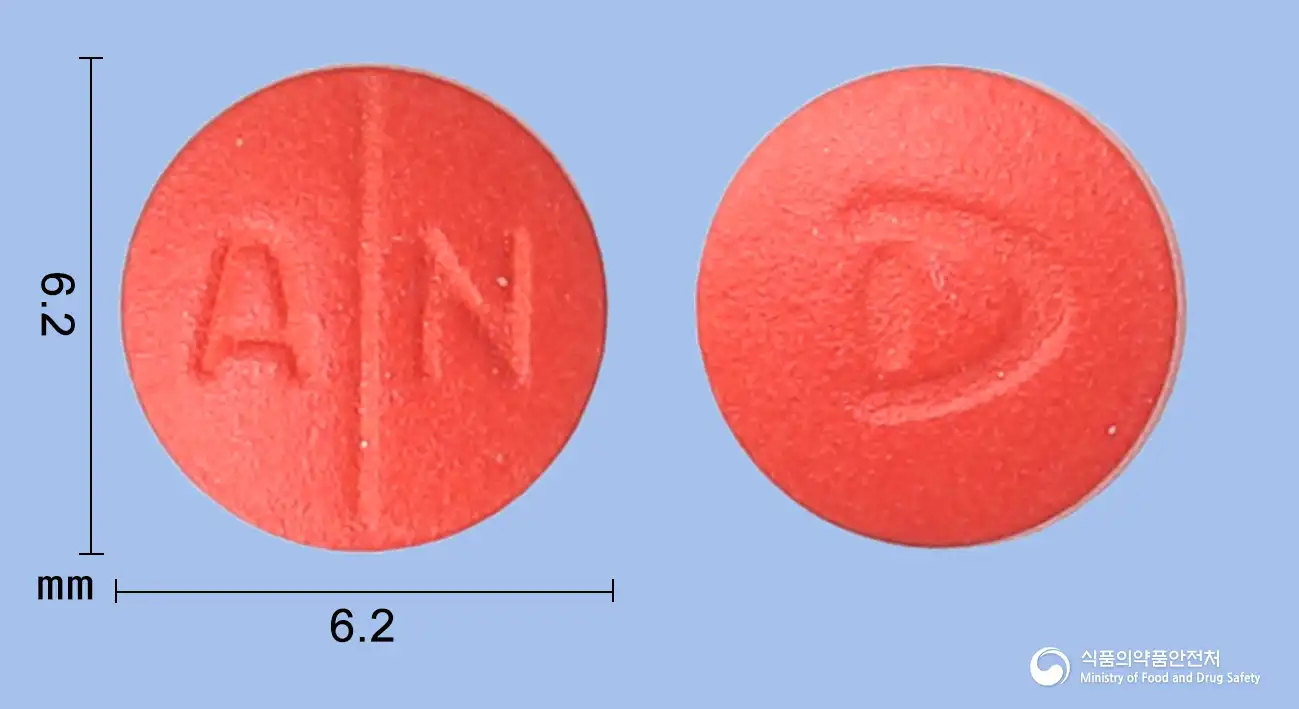
Red round film-coated tablet
Package unit
28 tablets/box [(28 tablets/PTP*1)]
Questions about this medicine
No questions yet.
For anything that needs medical judgment, consult a doctor or pharmacist.