
 한국어
한국어 English
 日本語
日本語 中文(简体)
 Viewing nowCombination
Pibapen Capsule (Pitavastatin Calcium, Fenofibrate)
Pitavastatin Calcium 2mg · Fenofibrate Granules 241.51mg
Hard capsule · Prescription medication · Combination
Eden Pharma Co., Ltd.
MFDS item code 202501060 · Approved 2025.04.30 · Insurance code 628902490
LDL-cholesterol control and improvement of dyslipidemia
Pitavastatin 2 mg monotherapy effectively controls LDL cholesterol levels in adult patients at high risk of coronary artery disease. However, this regimen is used for patients with combined dyslipidemia that elevates triglyceride levels and maintains low HDL cholesterol levels. Therefore, this medication is particularly suitable for treatment focused on LDL cholesterol management and aids in preventing cardiovascular disease in high-risk patients. Overall, pitavastatin plays an important role in the treatment of dyslipidemia and improves the patient's cholesterol levels.
As a recommended dose, take 1 capsule once daily immediately after a meal.
This medication is a lipid-lowering agent and contains two components: pitavastatin calcium and fenofibrate. When taking this medication, muscle-related symptoms such as muscle pain, weakness, or cramps may occur, so if these symptoms arise, it is essential to consult with a physician. Particularly, elderly patients over 65 years, women, individuals with poor kidney function, those with uncontrolled hypothyroidism, and people with a history of genetic muscle disease should exercise additional caution. Additionally, since this medication may affect liver function, regular liver function tests should be conducted, and if there are any issues with the liver or elevated liver enzyme levels, the medication may need to be discontinued. Patients with moderate to severe renal impairment should not take this medication, and caution is also needed for those with mild renal impairment. This medication may increase the risk of muscle damage when taken with other lipid-lowering agents or certain medications, so if you are taking other medicines, you should inform your doctor or pharmacist. Women who are pregnant or may become pregnant, as well as nursing mothers, should not take this medication. The safety and efficacy of this medication have not been established in children and adolescents under 18 years of age. During the course of taking this medication, regular monitoring of blood lipid levels, liver function, and kidney function is necessary to confirm treatment efficacy and identify adverse reactions. If overdosed, there is no specific antidote, so you should immediately visit a medical institution for treatment according to the symptoms. Finally, this medication should be kept out of reach of children and stored in its original container.
Nasopharyngitis, upper respiratory tract infection, dizziness, hypertension, chronic gastritis, erosive gastritis, nausea, headache, fatigue, stiffness, drowsiness, insomnia, heaviness, blood and lymphatic system disorders (hemoglobin reduction, leukopenia, thrombocytopenia, granulocytopenia, eosinophilia, leukocytosis, globulin elevation, positive Coombs test, anemia), skin hypersensitivity (rash, itching, urticaria), hair loss, photosensitivity, myopathy.
Not everyone experiences these, and they can vary from person to person.
This medication may be sensitive to air and moisture, so it should be stored in a tightly sealed container. The appropriate storage temperature is between 1 and 30 degrees Celsius, and it is advisable to avoid extremely hot or cold environments.
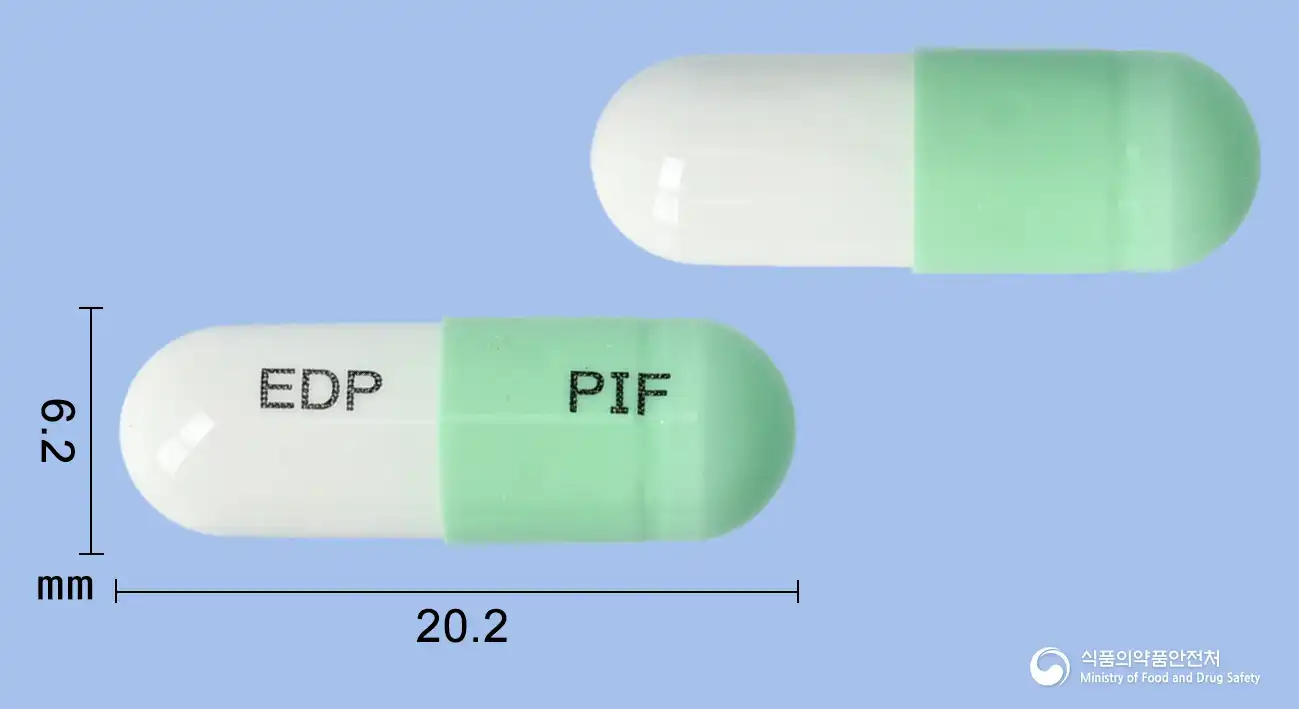
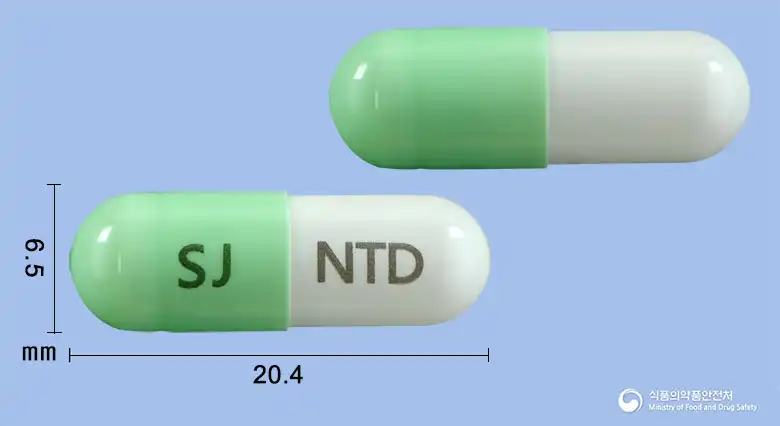
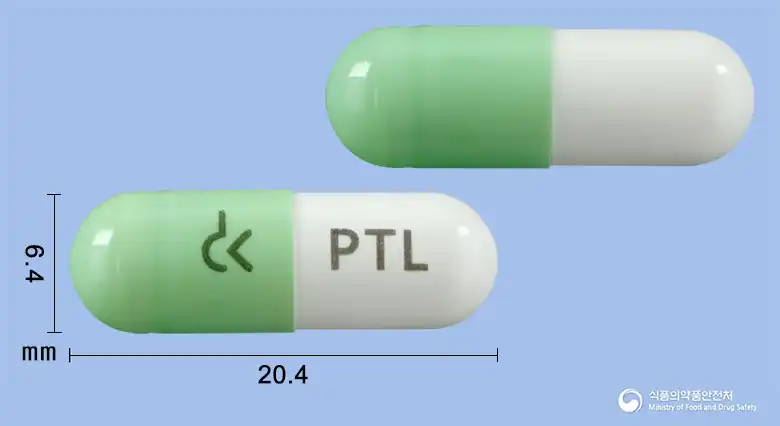
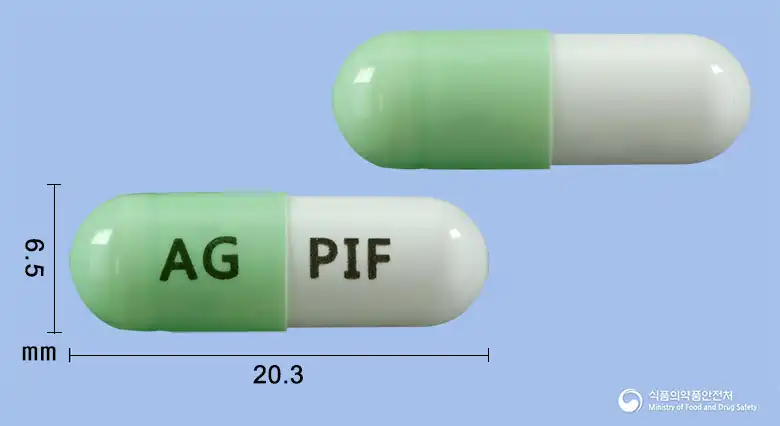
A hard capsule with an upper light green and lower white color containing a white round film-coated tablet and white spherical micro granules.
30 capsules/bottle, 300 capsules/bottle
Even with the same ingredient, strength, dosage form and how it is taken can differ.
Viewing nowCombinationPitavastatin Calcium 2mg · Fenofibrate Granules 241.51mg
Hard capsule · Prescription medication · Combination
Eden Pharma Co., Ltd.
 Combination
Pitavastatin Calcium 2mg · Fenofibrate Granules 241.51mg
Hard capsule · Prescription medication · Combination
Samjin Pharmaceutical Co., Ltd.
 Combination
Pitavastatin Calcium 2mg · Fenofibrate Granules 241.51mg
Hard capsule · Prescription medication · Combination
Dongkook Pharmaceutical Co., Ltd.
 Combination
Pitavastatin Calcium 2mg · Fenofibrate Granules 241.51mg
Hard capsule · Prescription medication · Combination
Ahn-Gook Pharmaceutical Co., Ltd.
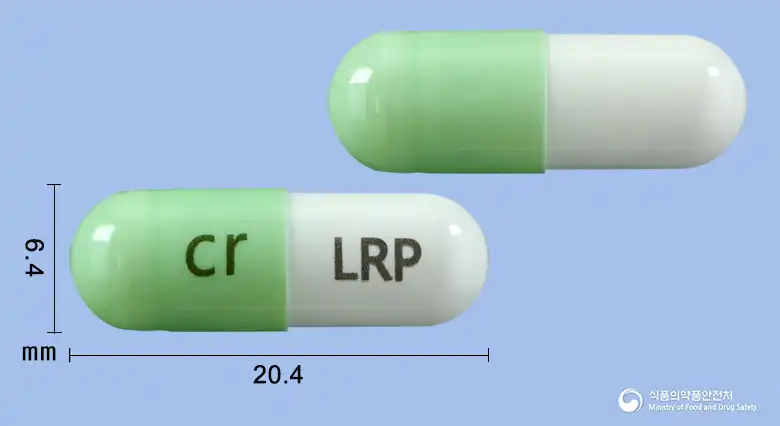 Combination
Pitavastatin Calcium 2mg · Fenofibrate Granules 241.51mg
Hard capsule · Prescription medication · Combination
GL Pharma Co., Ltd.
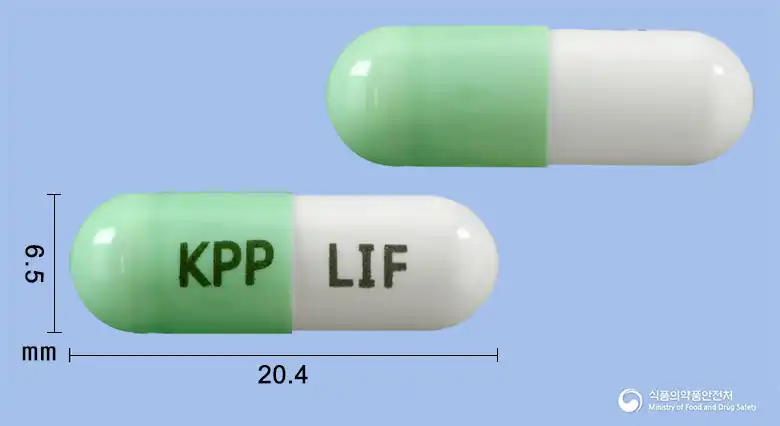 Combination
Pitavastatin Calcium 2mg · Fenofibrate Granules 241.51mg
Hard capsule · Prescription medication · Combination
Korea Prime Pharmaceutical Co., Ltd.
Pitavastatin Calcium 2mg · Fenofibrate Granules 241.51mg
Hard capsule · Prescription medication · Combination
Daewon Pharmaceutical Co., Ltd.
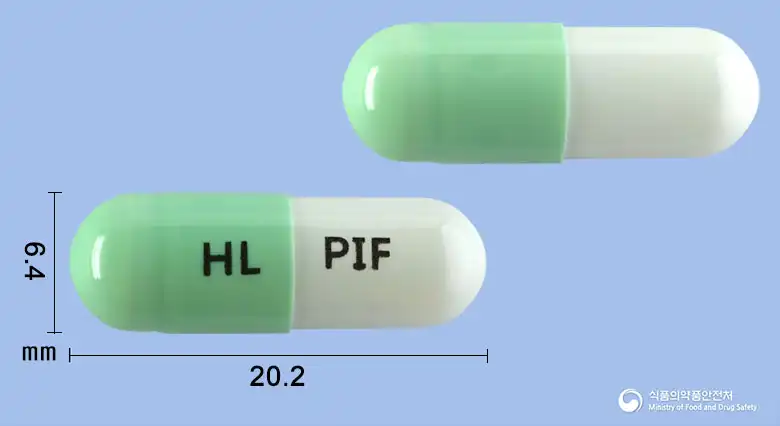 Combination
Pitavastatin Calcium 2mg · Fenofibrate Granules 241.51mg
Hard capsule · Prescription medication · Combination
Hanlim Pharmaceutical Co., Ltd.
Even with the same ingredient, the dose and directions can differ by strength and dosage form. Talk to a doctor or pharmacist before switching from a medication you are already taking.
No questions yet.
For anything that needs medical judgment, consult a doctor or pharmacist.
This drug information is based on data provided by the Korea Ministry of Food and Drug Safety.
Consult a doctor or pharmacist for accurate dosage, administration, and usage instructions.