
 한국어
한국어 English
 日本語
日本語 中文(简体)
 Viewing nowCombination
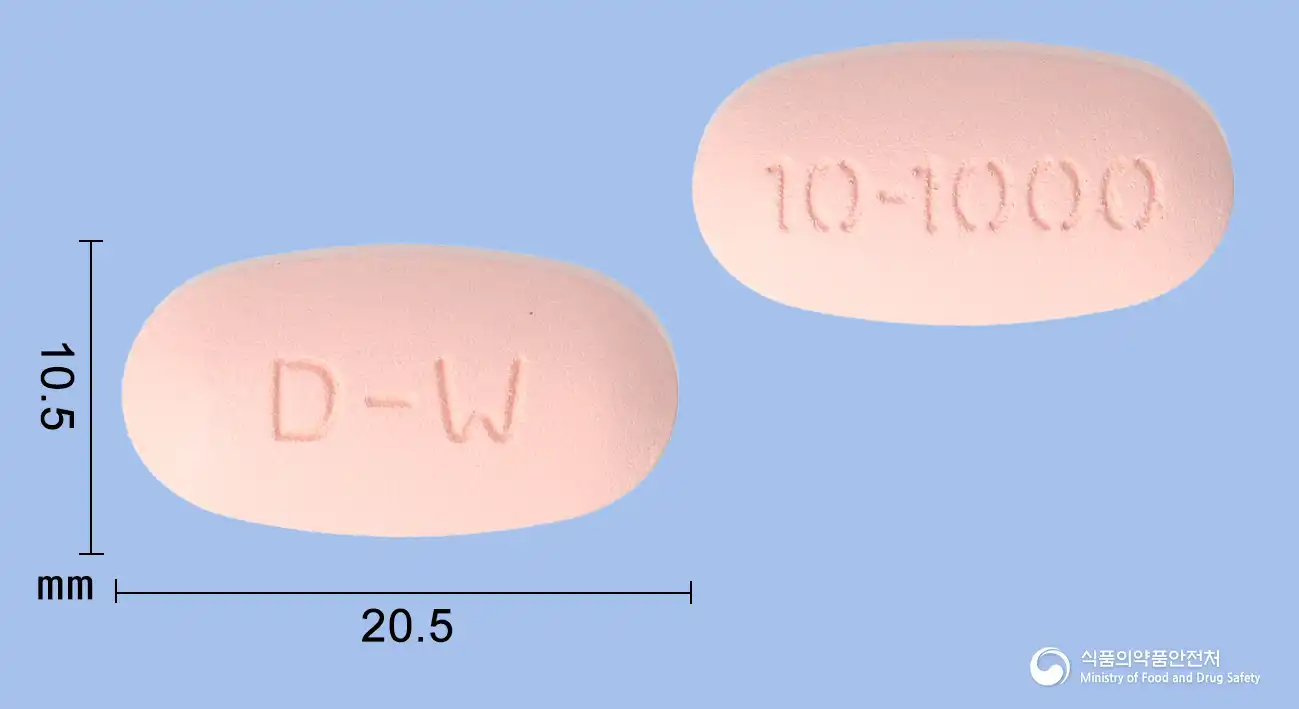
Empagliflozin/Metformin Sustained-Release Tablets 10/1000 mg
Metformin Hydrochloride 1000mg · Empagliflozin 10mg
Tablet · Prescription medication · Combination
Dongwha Pharmaceutical Co., Ltd.
MFDS item code 202500992 · Approved 2025.04.24 · Insurance code 642707820
Blood sugar control in type 2 diabetes and prevention of cardiovascular events
This medication is used to improve blood sugar control in adult patients with type 2 diabetes, in conjunction with diet and exercise. It is particularly administered to patients whose blood sugar is not adequately controlled, and in case of cardiovascular disease, specialist instructions should be followed. This medication effectively aids in controlling blood sugar and helps manage diabetes.
The dosage of this medication should be determined considering each patient's current treatment regimen, effectiveness, and tolerance without exceeding the maximum daily doses of 25 mg of empagliflozin and 2000 mg of sustained-release metformin hydrochloride. This medication should be taken once daily with the evening meal to reduce gastrointestinal side effects caused by metformin. The recommended starting dosage is 10 mg of empagliflozin and metformin.
This medication is used for the treatment of diabetes and helps in controlling blood sugar. When taking this medication, there is a risk of a rare side effect known as severe lactic acidosis, so symptoms must be closely monitored. Lactic acidosis is a condition where there is an excessive buildup of lactic acid in the body, which can be very dangerous. Additionally, caution is required when taken with insulin or sulfonylurea medications due to the risk of hypoglycemia. Patients with impaired kidney function, acute kidney problems, serious infections, congestive heart failure, acute myocardial infarction, or other specific health conditions should not take this medication. The use of iodine contrast agents before and after examinations requires temporary cessation of this medication, and it should be restarted only after kidney function has been confirmed as normal. Women who are pregnant or might become pregnant, patients with liver dysfunction, and patients who are in very poor nutritional status are also advised not to use this medication. During treatment, side effects such as hypoglycemia, urinary tract infections, genitourinary infections, increased urination, nausea, vomiting, diarrhea, abdominal pain, loss of appetite, constipation, reduced and deficient vitamin B12 levels, taste disturbances, itching, rashes, abnormal liver function tests, hepatitis, urinary difficulties, interstitial nephritis, thirst, increased serum lipids, increased blood creatinine/decreased glomerular filtration rate, increased hematocrit, weight loss, lumbar pain, headaches, dizziness, insomnia, nausea, and gastritis may occur, so symptoms should be closely monitored. Especially for elderly patients aged 75 and older, there is an increased risk of fluid loss, so careful administration is required. This medication should be swallowed whole without breaking or chewing, and the tablet shell may pass in the stool, which is normal. Additionally, alcohol consumption may increase the risk of lactic acidosis, so alcohol should be avoided during treatment. Regular monitoring of kidney function and serum vitamin B12 levels during the use of this medication is recommended. If any abnormal symptoms or discomfort occur, consultation with a physician should be sought immediately, and prompt treatment is necessary in case of emergency.
Hypoglycemia, urinary tract infection, genitourinary infection, increased urination, nausea, vomiting, diarrhea, abdominal pain, loss of appetite, constipation, decreased and deficient vitamin B12 levels, taste disturbances, itching, rashes, abnormal liver function tests, hepatitis, urinary difficulties, interstitial nephritis, thirst, increased serum lipids, increased blood creatinine/decreased glomerular filtration rate, increased hematocrit, weight loss, lumbar pain, headaches, dizziness, insomnia, nausea, gastritis
Not everyone experiences these, and they can vary from person to person.
This medication should be stored in a tightly sealed container to protect it from air and moisture. It is important to maintain a storage temperature between 1 and 30 degrees Celsius.
Pale pink, bilaterally convex, oval-shaped sustained-release film-coated tablet
30 tablets per bottle
Even with the same ingredient, strength, dosage form and how it is taken can differ.
Viewing nowCombinationMetformin Hydrochloride 1000mg · Empagliflozin 10mg
Tablet · Prescription medication · Combination
Dongwha Pharmaceutical Co., Ltd.
 Combination
Empagliflozin 5mg · Metformin Hydrochloride 500mg
Tablet · Prescription medication · Combination
Boehringer Ingelheim Korea Co., Ltd.
 Combination
Empagliflozin 5mg · Metformin Hydrochloride 850mg
Tablet · Prescription medication · Combination
Boehringer Ingelheim Korea Co., Ltd.
 Combination
Empagliflozin 5mg · Metformin Hydrochloride 1000mg
Tablet · Prescription medication · Combination
Boehringer Ingelheim Korea Co., Ltd.
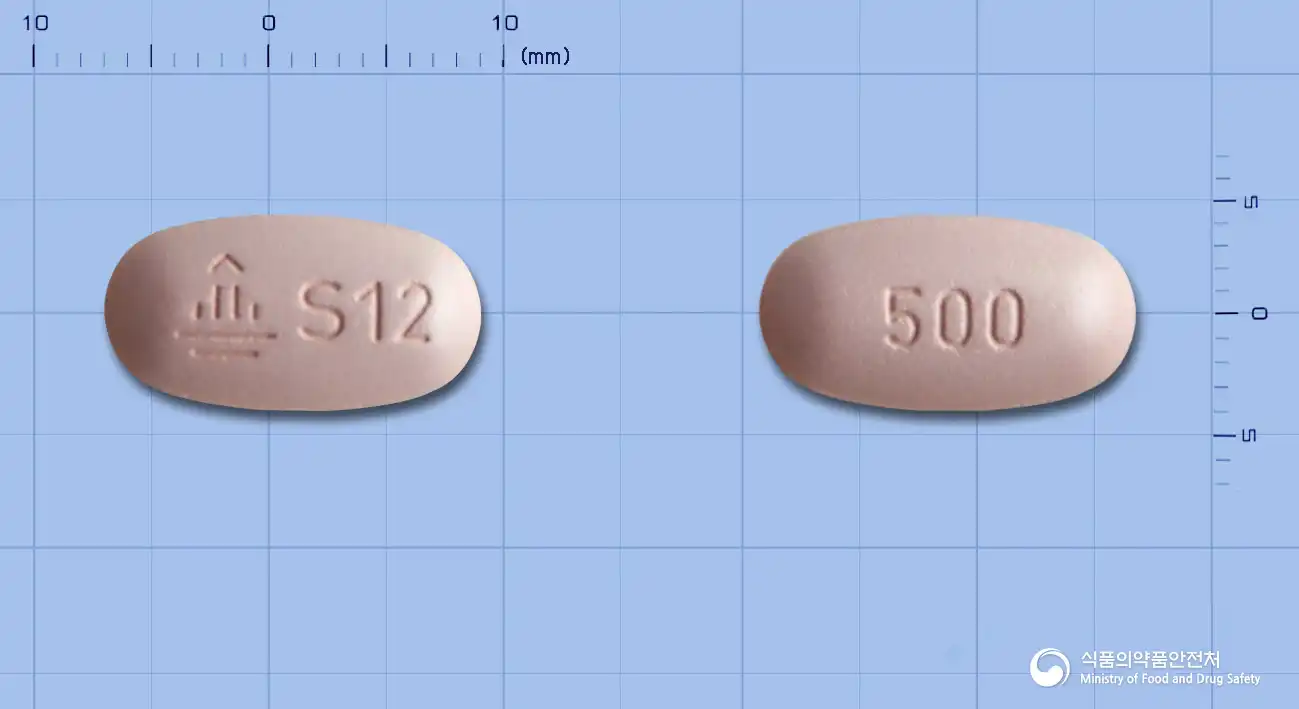 Combination
Empagliflozin 12.5mg · Metformin Hydrochloride 500mg
Tablet · Prescription medication · Combination
Boehringer Ingelheim Korea Co., Ltd.
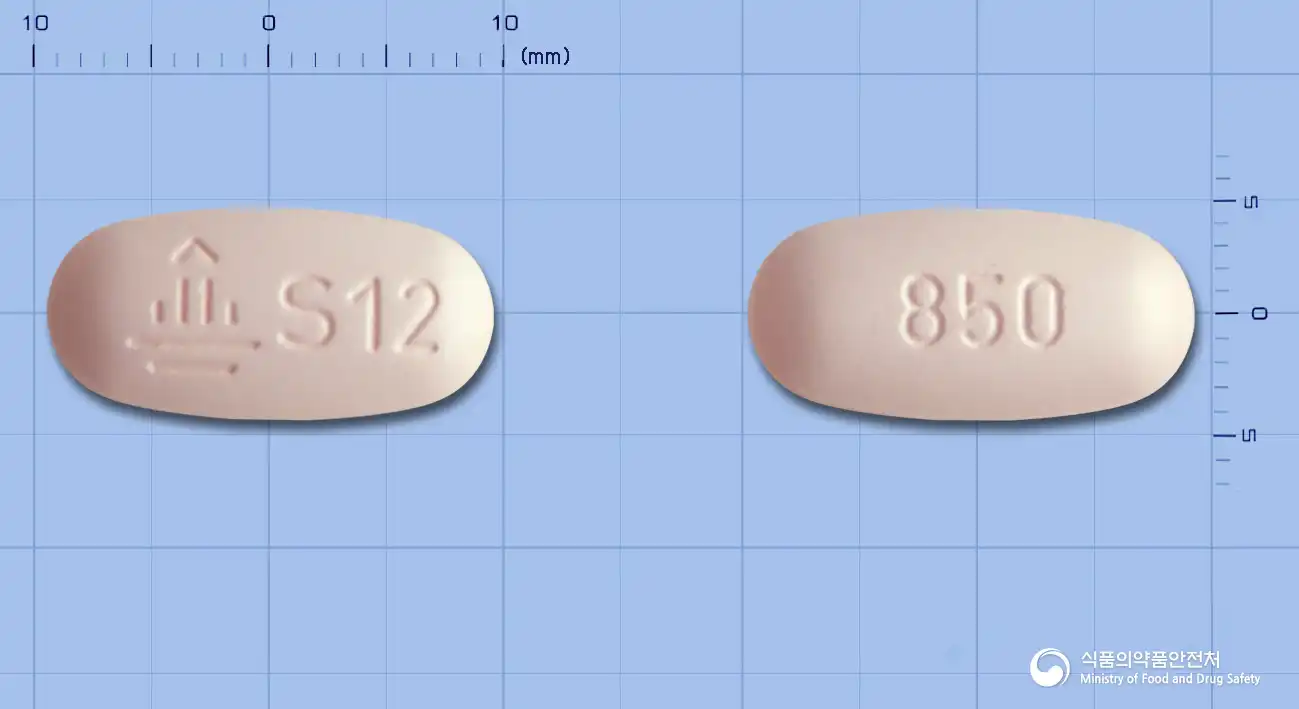 Combination
Empagliflozin 12.5mg · Metformin Hydrochloride 850mg
Tablet · Prescription medication · Combination
Boehringer Ingelheim Korea Co., Ltd.
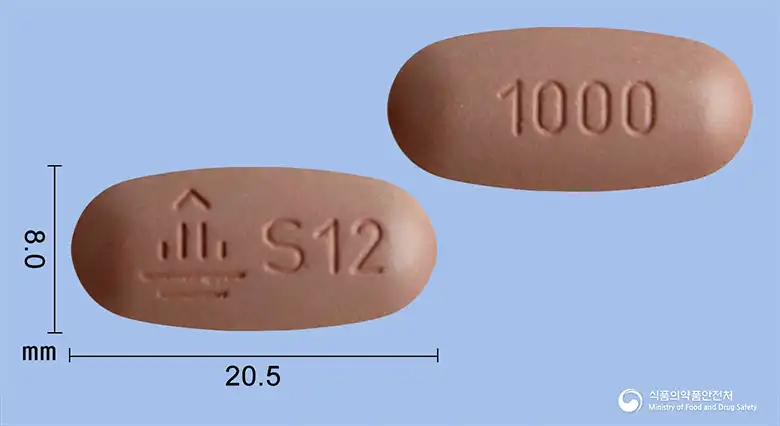 Combination
Empagliflozin 12.5mg · Metformin Hydrochloride 1000mg
Tablet · Prescription medication · Combination
Boehringer Ingelheim Korea Co., Ltd.
 Combination
Empagliflozin 5mg · Metformin Hydrochloride 500mg
Tablet · Prescription medication · Combination
Donggu Bio Pharmaceutical Co., Ltd.
Even with the same ingredient, the dose and directions can differ by strength and dosage form. Talk to a doctor or pharmacist before switching from a medication you are already taking.
No questions yet.
For anything that needs medical judgment, consult a doctor or pharmacist.
This drug information is based on data provided by the Korea Ministry of Food and Drug Safety.
Consult a doctor or pharmacist for accurate dosage, administration, and usage instructions.