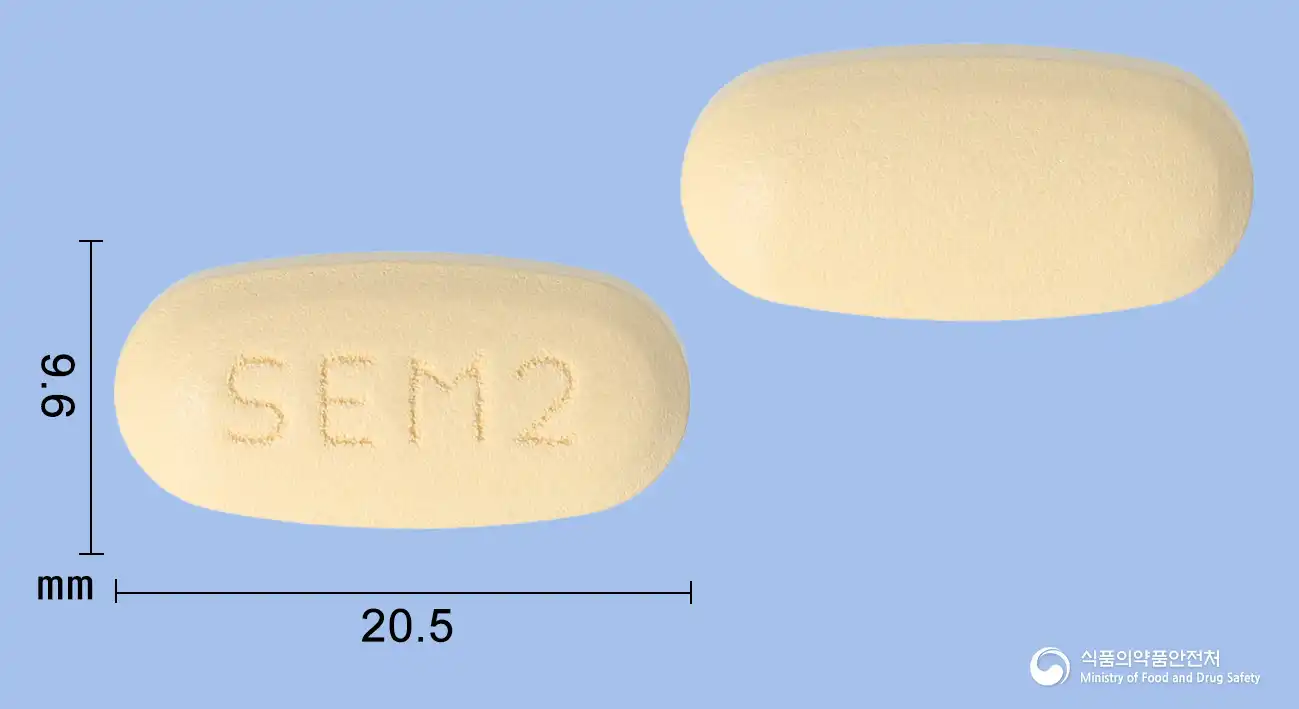
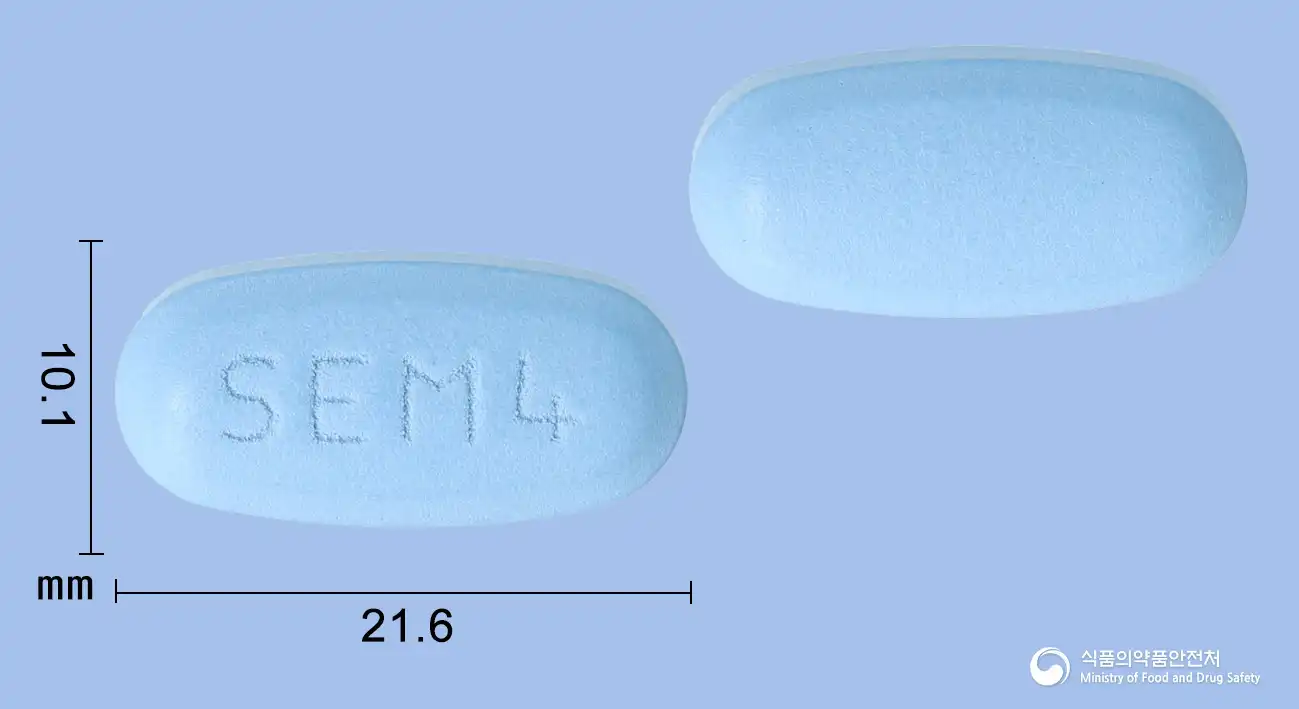
Improvement in blood sugar control in adults with type 2 diabetes.
Who takes it
Adults
Adult dose
This medication should be taken once daily during dinner to reduce gastrointestinal side effects related to metformin, with gradual adjustment of the dosage.
Patients taking 25/100/1000 mg, 10/100/1000 mg sustained release tablets should take one tablet once daily.
Patients taking 12.5/50/750 mg, 5/50/750 mg sustained release tablets should take two tablets once daily.
Improvement in blood sugar control in adults with type 2 diabetes.
View approved original textHide original text
This medication is used in conjunction with diet and exercise to effectively improve blood sugar control in adult patients with type 2 diabetes.
How to take
Adult dose
This medication should be taken once daily during dinner to reduce gastrointestinal side effects related to metformin, with gradual adjustment of the dosage.
Patients taking 25/100/1000 mg, 10/100/1000 mg sustained release tablets should take one tablet once daily.
Patients taking 12.5/50/750 mg, 5/50/750 mg sustained release tablets should take two tablets once daily.
Precautions
This medication may rarely cause serious hypersensitivity reactions due to the sitagliptin component. Such reactions may include anaphylaxis, angioedema, and severe rash or exfoliative disorders on the skin; therefore, if symptoms occur, the use should be stopped immediately and medical attention should be sought.
Additionally, sitagliptin may cause acute pancreatitis, so if symptoms such as abdominal pain, nausea, or vomiting occur after taking, immediate consultation with a physician is advised.
The metformin component may rarely cause lactic acidosis, a serious metabolic side effect. Lactic acidosis is accompanied by symptoms such as muscle pain, respiratory distress, weakness, and abdominal pain, and immediate treatment is needed if it occurs, necessitating caution.
This medication should not be administered to patients with type 1 diabetes, severe renal impairment, or acute heart failure. Temporary discontinuation of use is advised in cases of severe infection, dehydration, or around surgical procedures.
Patients with impaired kidney function should regularly undergo kidney function tests as the components are excreted through the kidneys, and this medication should not be used if kidney function is significantly compromised.
As this medication poses a risk of hypoglycemia, careful monitoring of blood sugar changes is important, especially when taken with insulin or sulfonylurea medications.
During treatment, gastrointestinal disturbances, headaches, and infections may occur, and there may be an increased risk of genital infections and urinary tract infections, so it is important to consult with a doctor if symptoms appear.
Elderly patients over 75 years of age or those at risk of fluid volume loss should be aware of symptoms of dehydration or hypotension, and can temporarily discontinue use if necessary.
This medication should be avoided in patients with impaired liver function, as excessive alcohol consumption may increase the risk of side effects.
Care should be taken when driving or operating machinery due to the risk of hypoglycemia.
Lastly, while taking this medication, it is important to regularly check blood tests and health status to monitor for any adverse reactions or side effects.
Side effects and when to seek care immediately
Serious side effects
Hives, severe swelling (edema), chest tightness, difficulty breathing, cold sweat, pallor, severe rash with high fever, blisters, skin sloughing, pain in oral or ocular mucosa, shortness of breath or difficulty breathing, asthma attack, respiratory abnormalities accompanying cough and fever, yellowing of skin or eyes (jaundice), profound lethargy, sudden and severe headache, thunderclap headache, seizures, confusion, visual disturbances, paralysis, urination.
Mild side effects
Influenza
nasopharyngitis
anal abscess
perforated appendicitis
cervicitis
coronavirus infection
otitis media
periodontitis
dental abscess
vaginal infection
Show 19 moreCollapse
indigestion
abdominal pain
epigastric pain
diarrhea
dry mouth
alcoholic gastritis
erosive gastritis
hematemesis
hemorrhoids
nausea
weakness
fatigue
increased blood sugar
weight loss
increased serum creatinine phosphokinase
eyelid spasm
diabetic retinopathy
keratitis
vitreous.
Not everyone experiences these, and they can vary from person to person.
Storage
This medication should be stored in a tightly closed container to prevent exposure to air or moisture. It is advisable to maintain the storage temperature between 1°C and 30°C.
Even with the same ingredient, the dose and directions can differ by strength and dosage form. Talk to a doctor or pharmacist before switching from a medication you are already taking.
Questions about this medicine
No questions yet.
For anything that needs medical judgment, consult a doctor or pharmacist.
This drug information is based on data provided by the Korea Ministry of Food and Drug Safety. Consult a doctor or pharmacist for accurate dosage, administration, and usage instructions.

 한국어
한국어 English
 日本語
日本語 中文(简体)