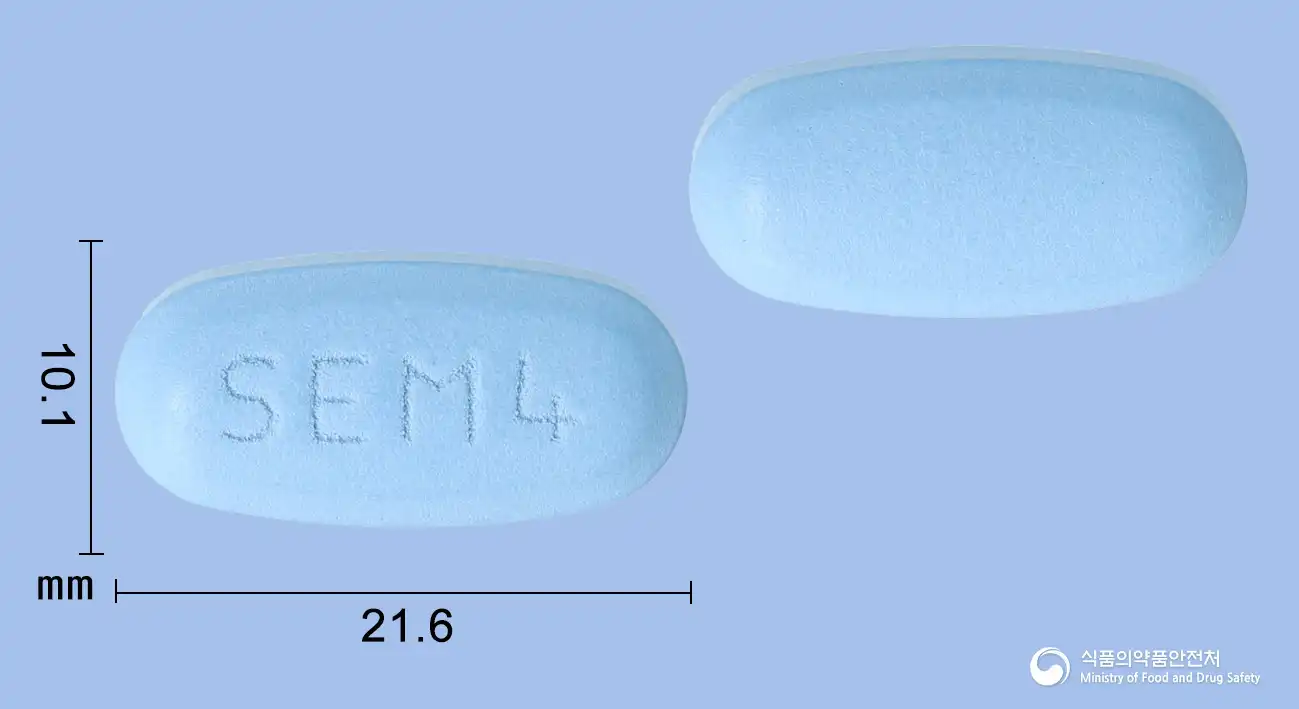
This medication should be taken once daily with dinner to reduce gastrointestinal side effects caused by metformin, with a gradual adjustment of the dosage.
Extended-release tablets of 25/100/1000 mg and 10/100/1000 mg should be taken once daily, 1 tablet at a time.
Extended-release tablets of 12.5/50/750 mg and 5/50/750 mg should be taken once daily, 2 tablets at the same time.
If adequate blood sugar control cannot be achieved with metformin and sitagliptin, the starting dosage of this medication should consist of empagliflozin 10 mg, sitagliptin 100 mg, and the previously taken dose of metformin hydrochloride or an appropriate dose close to therapeutic levels. If tolerance to empagliflozin 10 mg is achieved with a need for further blood sugar control, the dosage can be increased to 25 mg.
For patients transitioning to this medication from a combined therapy with empagliflozin, sitagliptin, and metformin, the dosage should correspond to the existing doses of each component.
The safety and efficacy of this medication have not been specifically evaluated for patients switching from other hypoglycemic agents to this medication. Any changes in treatment for patients with type 2 diabetes should be carefully monitored to avoid changes in blood sugar control.
To maintain extended-release properties, this medication should be swallowed whole and not divided, crushed, chewed, or broken. The medication may be excreted incompletely in feces.
It is not known whether the active ingredients of the medication are included in the substances excreted in feces. If the patient repeatedly reports that this medication has been found in their stool, healthcare professionals should assess whether blood sugar levels are being adequately controlled (see precautions, reference 5. General precautions).
Special populations
Patients with renal impairment
The efficacy and safety of this medication depend on renal function, and dosage adjustments based on renal function are required, so periodic assessments of renal function are recommended before and after administration of this medication.
For patients with mild renal impairment [Creatinine clearance (CrCl) ≧ 60 mL/min or estimated glomerular filtration rate (eGFR) ≧ 60 mL/min/1.73 m2], dosage adjustment is not required.
In patients with moderate renal impairment [CKD stage 3A, Creatinine clearance (CrCl) ≧ 45 mL/min and <60 mL/min, or estimated glomerular filtration rate (eGFR) ≧ 45 mL/min/1.73m2 and <60 mL/min/1.73m2], if there are no accompanying symptoms that could increase the risk of lactic acidosis, the dose of metformin hydrochloride, one of the components of this medication, can be adjusted.
The starting dose of extended-release metformin hydrochloride is 500 mg or 750 mg once daily, and this medication should not be initiated if prescribed. The maximum daily dose of metformin hydrochloride is 1000 mg.
If creatinine clearance (CrCl) falls below 45 mL/min or estimated glomerular filtration rate (eGFR) drops below 45 mL/min/1.73m2, the administration of this medication should be immediately discontinued.
This medication is used in adult patients with type 2 diabetes to improve blood sugar control, complementing dietary and exercise regimens. The three components—empagliflozin, sitagliptin, and metformin—work together to effectively lower blood sugar levels. Therefore, this medication plays a significant role in the management of diabetes for patients.
How to take
Adult dose
This medication should be taken once daily with dinner to reduce gastrointestinal side effects caused by metformin, with a gradual adjustment of the dosage.
Extended-release tablets of 25/100/1000 mg and 10/100/1000 mg should be taken once daily, 1 tablet at a time.
Extended-release tablets of 12.5/50/750 mg and 5/50/750 mg should be taken once daily, 2 tablets at the same time.
If adequate blood sugar control cannot be achieved with metformin and sitagliptin, the starting dosage of this medication should consist of empagliflozin 10 mg, sitagliptin 100 mg, and the previously taken dose of metformin hydrochloride or an appropriate dose close to therapeutic levels. If tolerance to empagliflozin 10 mg is achieved with a need for further blood sugar control, the dosage can be increased to 25 mg.
For patients transitioning to this medication from a combined therapy with empagliflozin, sitagliptin, and metformin, the dosage should correspond to the existing doses of each component.
The safety and efficacy of this medication have not been specifically evaluated for patients switching from other hypoglycemic agents to this medication. Any changes in treatment for patients with type 2 diabetes should be carefully monitored to avoid changes in blood sugar control.
To maintain extended-release properties, this medication should be swallowed whole and not divided, crushed, chewed, or broken. The medication may be excreted incompletely in feces.
It is not known whether the active ingredients of the medication are included in the substances excreted in feces. If the patient repeatedly reports that this medication has been found in their stool, healthcare professionals should assess whether blood sugar levels are being adequately controlled (see precautions, reference 5. General precautions).
Special populations
Patients with renal impairment
The efficacy and safety of this medication depend on renal function, and dosage adjustments based on renal function are required, so periodic assessments of renal function are recommended before and after administration of this medication.
For patients with mild renal impairment [Creatinine clearance (CrCl) ≧ 60 mL/min or estimated glomerular filtration rate (eGFR) ≧ 60 mL/min/1.73 m2], dosage adjustment is not required.
In patients with moderate renal impairment [CKD stage 3A, Creatinine clearance (CrCl) ≧ 45 mL/min and <60 mL/min, or estimated glomerular filtration rate (eGFR) ≧ 45 mL/min/1.73m2 and <60 mL/min/1.73m2], if there are no accompanying symptoms that could increase the risk of lactic acidosis, the dose of metformin hydrochloride, one of the components of this medication, can be adjusted.
The starting dose of extended-release metformin hydrochloride is 500 mg or 750 mg once daily, and this medication should not be initiated if prescribed. The maximum daily dose of metformin hydrochloride is 1000 mg.
If creatinine clearance (CrCl) falls below 45 mL/min or estimated glomerular filtration rate (eGFR) drops below 45 mL/min/1.73m2, the administration of this medication should be immediately discontinued.
Precautions
This medication may rarely cause serious allergic reactions due to the sitagliptin component. If any symptoms such as skin rash, difficulty in breathing, or swelling of the face or neck occur after taking the medication, it should be stopped immediately, and a doctor should be consulted.
Additionally, sitagliptin may cause acute pancreatitis; hence, if symptoms like abdominal pain, vomiting, or persistent nausea develop after use, medical attention should be sought immediately.
Although rare, metformin can cause a severe metabolic disorder known as lactic acidosis. Therefore, patients with impaired renal function, severe infections, dehydration, or heart failure should not use this medication.
This medication should not be administered to patients with type 1 diabetes, acute metabolic acidosis, or moderate to severe renal impairment.
If scheduled for surgery or in states of severe infection or trauma, it is advisable to temporarily discontinue this medication and resume after stabilization.
Patients with decreased kidney function should undergo regular kidney function tests, and the medication should not be taken if kidney function is significantly compromised.
This medication carries a risk of hypoglycemia; therefore, especially when taken with other hypoglycemic agents, blood glucose levels should be monitored regularly, and symptoms of hypoglycemia should be observed closely.
Moreover, this medication may increase the risk of genital and urinary tract infections; prompt treatment should be sought if symptoms of infection occur.
Fluid loss or dehydration can occur; thus, in cases of vomiting or diarrhea that impede fluid intake, it is advisable to temporarily stop the medication and consult a doctor.
It is safe for pregnant women or those with placental insufficiency to avoid using this medication.
Regular blood tests and health status monitoring are needed during the course of this medication, and any abnormal symptoms should be reported to healthcare professionals immediately.
Side effects and when to seek care immediately
Serious side effects
Hives, severe swelling, angioedema, tightness in the chest, difficulty breathing, sweating, paleness, severe rash with fever, blisters, skin peeling, pain in the mucous membranes of the mouth/eyes, difficulty breathing or shortness of breath, asthma attack, coughing with fever or respiratory abnormalities, yellowing of the skin or eyes (jaundice), extreme lethargy, sudden and severe headache, thunderclap headache, seizures, altered consciousness, visual disturbances, paralysis,
Mild side effects
Influenza
nasopharyngitis
anal abscess
cervicitis
coronavirus infection
otitis media
periodontitis
dental abscess
vaginal infection
dyspepsia
Show 19 moreCollapse
abdominal pain
upper abdominal pain
diarrhea
dry mouth
alcoholic gastritis
erosive gastritis
hematemesis
hemorrhoids
nausea
chest pain
weakness
fatigue
increased blood glucose
weight loss
increased serum creatine phosphokinase
blepharospasm
diabetic retinopathy
keratitis
vitreous hemorrhage
Not everyone experiences these, and they can vary from person to person.
Storage
This medication should be stored in a tightly sealed container to protect it from air and moisture. It is recommended to keep it at room temperature between 1 to 30 degrees Celsius.
Even with the same ingredient, the dose and directions can differ by strength and dosage form. Talk to a doctor or pharmacist before switching from a medication you are already taking.
Questions about this medicine
No questions yet.
For anything that needs medical judgment, consult a doctor or pharmacist.
This drug information is based on data provided by the Korea Ministry of Food and Drug Safety. Consult a doctor or pharmacist for accurate dosage, administration, and usage instructions.

 한국어
한국어 English
 日本語
日本語 中文(简体)
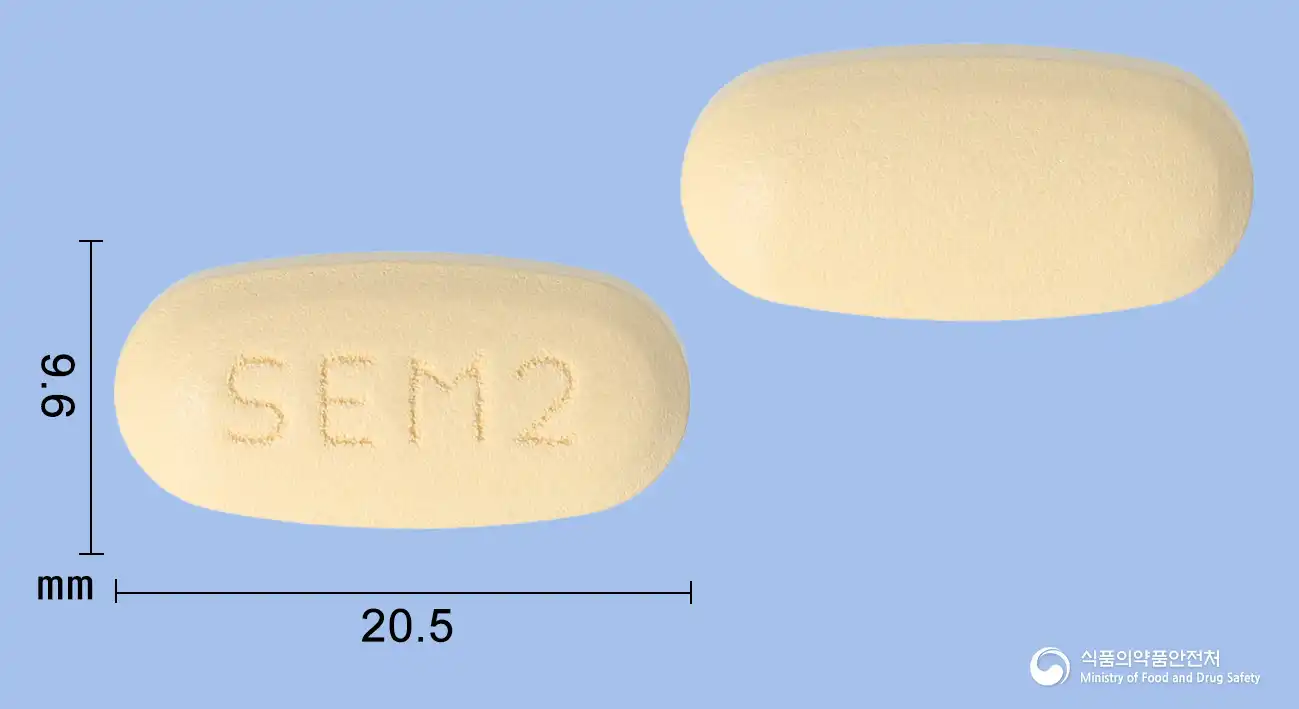 Viewing nowCombination