
 한국어
 English
 日本語
 中文(简体)
Dosage form image
Viewing nowInvelasan 0.8g (Sevelamer Carbonate), Invelasan 2.4g (Sevelamer Carbonate)
Sevelamer Carbonate 800mg
Prescription medication
SK Chemicals Co., Ltd.
MFDS item code 202500905 · Approved 2025.04.15
Improves serum phosphorus control in patients with chronic kidney disease undergoing dialysis
For patients with chronic kidney disease undergoing dialysis, controlling serum phosphorus levels is very important. This medication effectively lowers serum phosphorus concentration to manage excess phosphorus in the body. This helps prevent complications related to deteriorating kidney function. Well-controlled serum phosphorus can also reduce the risk of bone disease and cardiovascular issues. Therefore, this medication is used for controlling serum phosphorus in dialysis patients.
This medicine should be taken 3 times daily with meals. When taking this medicine as a powder, completely mix 2.4g of this medicine with at least 60 mL of water, or 0.8g of this medicine with at least 30 mL of water, and take within 30 minutes. Resuspend before taking. 1) Administration to patients not taking phosphate binders The recommended initial dose of this medicine is 0.8g to 1.6g, taken with each meal according to the serum phosphorus level as follows. 5.5 – 7.5 mg/dL: 1 sachet (0.8g) per dose, 3 times daily with meals 7.5 mg/dL or higher: 2 sachets (1.6g) per dose, 3 times daily with meals 2) Substitution for sevelamer hydrochloride tablets in patients taking them When substituting this medicine for sevelamer hydrochloride tablets, administer the same dose. Appropriate dose adjustment may be necessary to achieve the target serum phosphorus level. The maximum daily dose of sevelamer carbonate studied in patients with chronic kidney disease receiving dialysis was 14 g. 3) Switching between sevelamer carbonate tablets and powder When switching between sevelamer carbonate tablets and powder, administer the same dose. Appropriate dose adjustment may be necessary to achieve the target serum phosphorus level. 4) Substitution for calcium acetate preparations in patients taking them 1 tablet per dose, 3 times daily: 1 sachet (0.8g) per dose, 3 times daily 2 tablets per dose, 3 times daily: 2 sachets (1.6g) per dose, 3 times daily 3 tablets per dose, 3 times daily: 1 sachet (2.4g) per dose, 3 times daily 5) Dose adjustment for all patients taking this medicine If necessary, increase or decrease the dose of this medicine by 0.8 g at intervals of 2 weeks, taken 3 times daily with meals, until the target serum phosphorus level is achieved.
This medication should not be used by patients who are allergic to the active ingredient or excipients. It should also be avoided by patients with low phosphate levels in the blood or bowel obstruction as it may pose risks. Patients with narrow intestines or severe constipation should use this medication cautiously as it can expand in the intestines and cause obstruction or perforation. Gastrointestinal adverse reactions such as vomiting, nausea, diarrhea, dyspepsia, abdominal pain, and constipation may occur during use; if these symptoms are severe, consult a physician. Patients undergoing peritoneal dialysis are at a higher risk of developing peritonitis and should immediately inform healthcare personnel if symptoms occur, maintaining strict aseptic technique. This medication does not contain calcium or alkaline components, so calcium levels in the blood should be monitored regularly, and calcium supplements should be taken if needed. Long-term use may lead to deficiencies in fat-soluble vitamins A, D, E, K, and folic acid, so regular blood vitamin level tests are necessary, and vitamin supplements should be taken if needed. When taking with other medications, this drug may interfere with the absorption of other drugs, so it should be taken at intervals from other medications or according to the physician's directions. In particular, it should not be taken concurrently with ciprofloxacin, and if taken with levothyroxine, thyroid function should be monitored closely. Pregnant women should only use this medication if necessary, considering risks to the fetus, and nursing mothers should discuss with healthcare professionals even though the likelihood of it being excreted in breast milk is low. It is not recommended for children under 18 years old as safety and efficacy have not been established. Elderly patients generally should start with a lower dose and take it cautiously. This medication must be taken with meals, and it should be well mixed in sufficient water and taken within 30 minutes before use. If severe constipation, persistent abdominal pain, vomiting, or other abnormal symptoms occur, discontinue use immediately and consult healthcare personnel. The effects of this medication on driving or operating machinery are unknown, so caution is advised.
Not everyone experiences these, and they can vary from person to person.
This medication is sensitive to air and moisture and should be stored in a tightly closed container. Additionally, it is important to store the medicine at room temperature that is not too hot or cold.
White to yellowish powder
90 packets/box [(2.4g/packet) x 90], 90 packets/box [(0.8g/packet) x 90]
Even with the same ingredient, strength, dosage form and how it is taken can differ.
Sevelamer Carbonate 800mg
Prescription medication
SK Chemicals Co., Ltd.
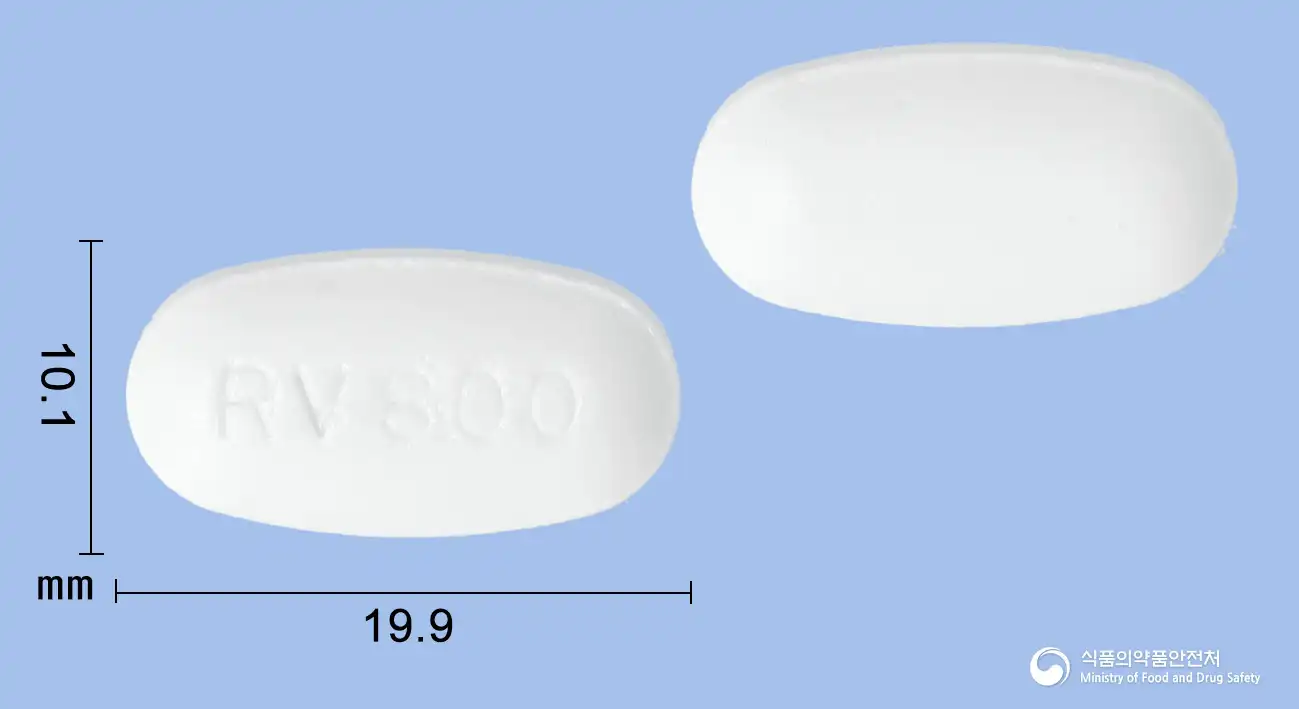
Sevelamer Carbonate 800mg
Tablet · Prescription medication
Sanofi-Aventis Korea Co., Ltd.
Sevelamer Carbonate 800mg
Prescription medication
Sanofi-Aventis Korea Co., Ltd.
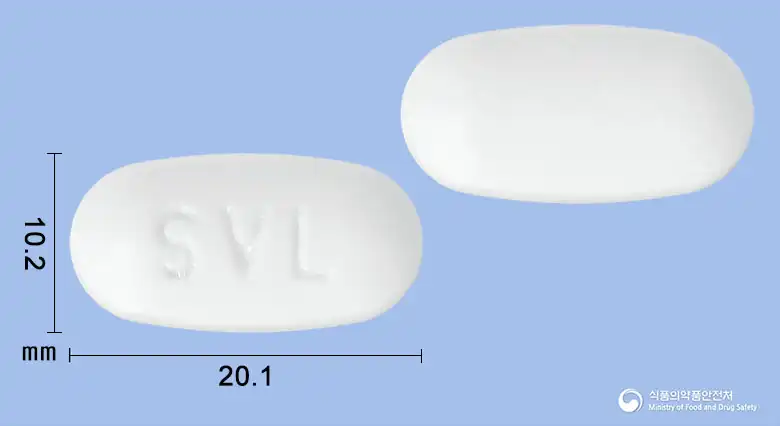
Sevelamer Carbonate 800mg
Tablet · Prescription medication
SK Chemicals Co., Ltd.
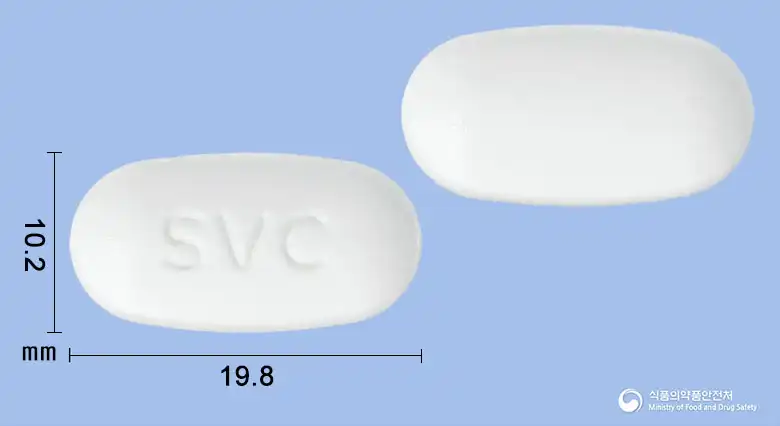
Sevelamer Carbonate 800mg
Tablet · Prescription medication
Daewon Pharmaceutical Co., Ltd.
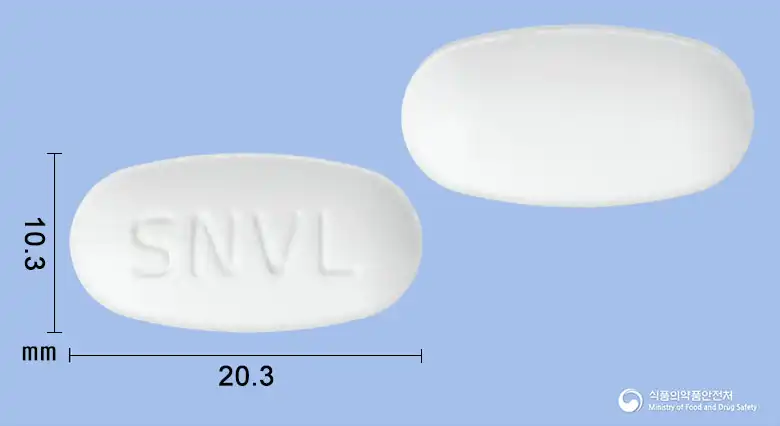
Sevelamer Carbonate 800mg
Tablet · Prescription medication
Yuyu Pharmaceutical Co., Ltd.
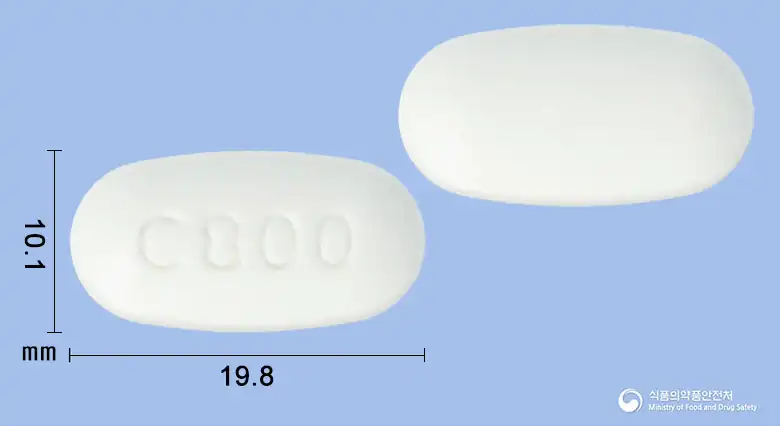
Sevelamer Carbonate 800mg
Tablet · Prescription medication
Albozen Korea Co., Ltd.
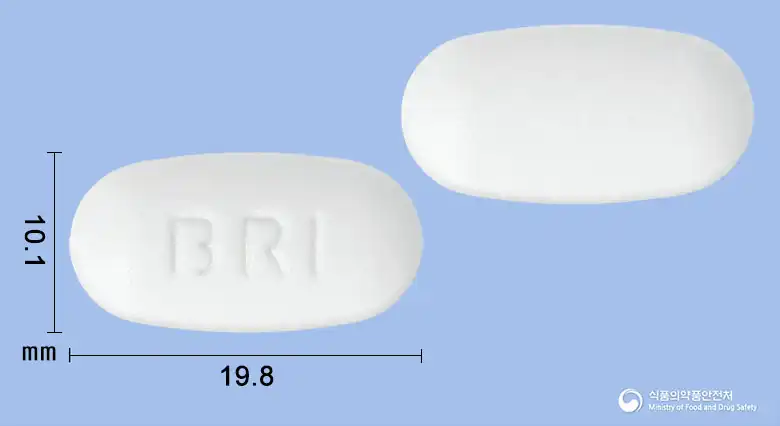
Sevelamer Carbonate 800mg
Tablet · Prescription medication
Boryung Pharmaceutical Co., Ltd.
Even with the same ingredient, the dose and directions can differ by strength and dosage form. Talk to a doctor or pharmacist before switching from a medication you are already taking.
No questions yet.
For anything that needs medical judgment, consult a doctor or pharmacist.
This drug information is based on data provided by the Korea Ministry of Food and Drug Safety.
Consult a doctor or pharmacist for accurate dosage, administration, and usage instructions.