
 한국어
한국어 English
 日本語
日本語 中文(简体)
 Viewing now
Iris Stop Tablet 5 Micrograms (Ramosetron Hydrochloride)
Ramosetron Hydrochloride 5μg
Tablet · Prescription medication
Korea Pharma Bio Co., Ltd.
MFDS item code 202500750 · Approved 2025.03.31 · Insurance code 659902030
Relief of symptoms of diarrhea-predominant irritable bowel syndrome
Used for diarrhea-predominant irritable bowel syndrome.
For males, ramosetron hydrochloride is administered orally at 5 micrograms once daily. The dosage should be adjusted appropriately based on symptoms, with a minimum daily dose of 2.5 micrograms and a maximum daily dose of 10 micrograms. For females, ramosetron hydrochloride is administered orally at 2.5 micrograms once daily. If symptom relief is insufficient, the dose may be increased; however, the maximum daily dose is 5 micrograms.
This medication should not be used in individuals with known hypersensitivity to any of its components. Caution should be taken when using in patients receiving other serotonergic drugs, for example, selective serotonin reuptake inhibitors (SSRIs) or serotonin-norepinephrine reuptake inhibitors (SNRIs). Constipation or hardened stools may often occur as side effects while taking this medication, so caution is warranted. If symptoms like abdominal pain or bloody stools indicative of ischemic colitis appear, discontinue use immediately and consult a doctor. Severe and persistent constipation may lead to serious complications such as intestinal obstruction, so consult a healthcare professional upon experiencing symptoms of constipation. Severe allergic reactions such as shock or anaphylaxis may occur during the use of this drug, so immediate treatment is necessary if unusual symptoms appear. Pregnant women or women of childbearing potential should only use this medication when the benefits outweigh the risks, and it is recommended to discontinue breastfeeding if nursing. Safety during use in children or infants has not been established, thus its use is not recommended. Elderly patients may have reduced physiological functions, so their condition should be closely monitored when using this medication, and use should be discontinued immediately if adverse reactions occur. When taking this medication, ensure to remove the tablet from the blister pack and avoid swallowing the pack itself. Since this medication is metabolized in the liver, caution is needed when taken with drugs that may affect liver function due to the potential increase in blood concentration. Caution should also be exercised when used in combination with medications that may cause constipation, such as anticholinergics or anti-diarrheal agents, as it may worsen constipation. This medication can be taken independently of meals, but frequent dosage adjustments based on changes in symptoms should be avoided. Prior attempts should be made to control diet and improve lifestyle as the basic treatment for irritable bowel syndrome, and it is advisable to use this medication only when symptoms do not improve.
Not everyone experiences these, and they can vary from person to person.
This medication may be sensitive to air and moisture, so it must be stored in a tightly sealed container. It is recommended to maintain storage temperature between 1 to 30 degrees Celsius. Avoid storage in extremely hot or cold places.
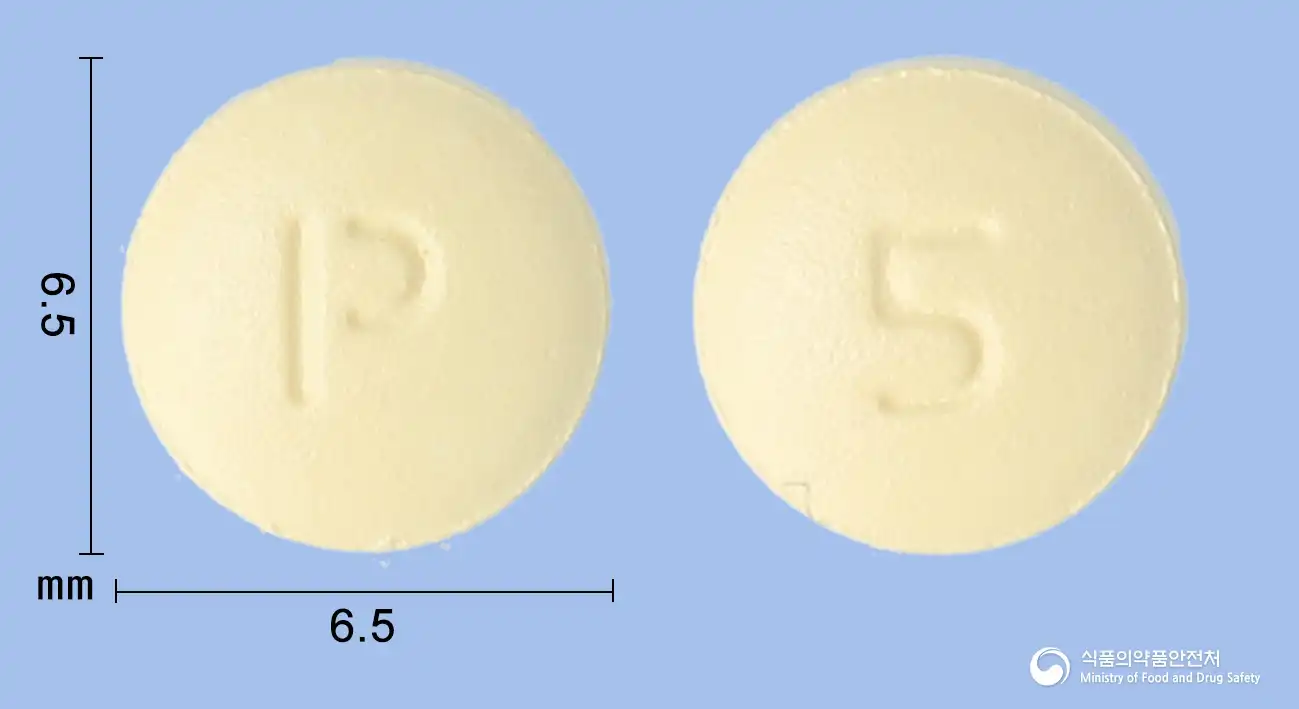
Pale yellow round film-coated tablets
100 tablets/box [(10 tablets x 10 PTP)], 10 tablets/box [(10 tablets x 1 PTP)]
Even with the same ingredient, strength, dosage form and how it is taken can differ.
Viewing nowRamosetron Hydrochloride 5μg
Tablet · Prescription medication
Korea Pharma Bio Co., Ltd.
Ramosetron Hydrochloride 0.3mg
Prescription medication
HanKook Daiichi Sankyo Co., Ltd.
Ramosetron Hydrochloride 0.1mg
Orally disintegrating Tablet · Prescription medication
Korea Daiichi Sankyo Co., Ltd.
Ramosetron Hydrochloride 5μg
Tablet · Prescription medication
Korea Astellas Pharma Co., Ltd.
Ramosetron Hydrochloride 2.5μg
Tablet · Prescription medication
Korea Astellas Pharma Co., Ltd.
Ramosetron Hydrochloride 0.3mg
Injections · Prescription medication
Hana Pharmaceutical Co., Ltd.
Ramosetron Hydrochloride 0.15mg
Injections · Prescription medication
Boryung (Co., Ltd.)
Ramosetron Hydrochloride 0.1mg
Orally disintegrating Tablet · Prescription medication
Hana Pharmaceutical Co., Ltd.
Even with the same ingredient, the dose and directions can differ by strength and dosage form. Talk to a doctor or pharmacist before switching from a medication you are already taking.
No questions yet.
For anything that needs medical judgment, consult a doctor or pharmacist.
This drug information is based on data provided by the Korea Ministry of Food and Drug Safety.
Consult a doctor or pharmacist for accurate dosage, administration, and usage instructions.