한국어
 English
 日本語
 中文(简体)
 Viewing now
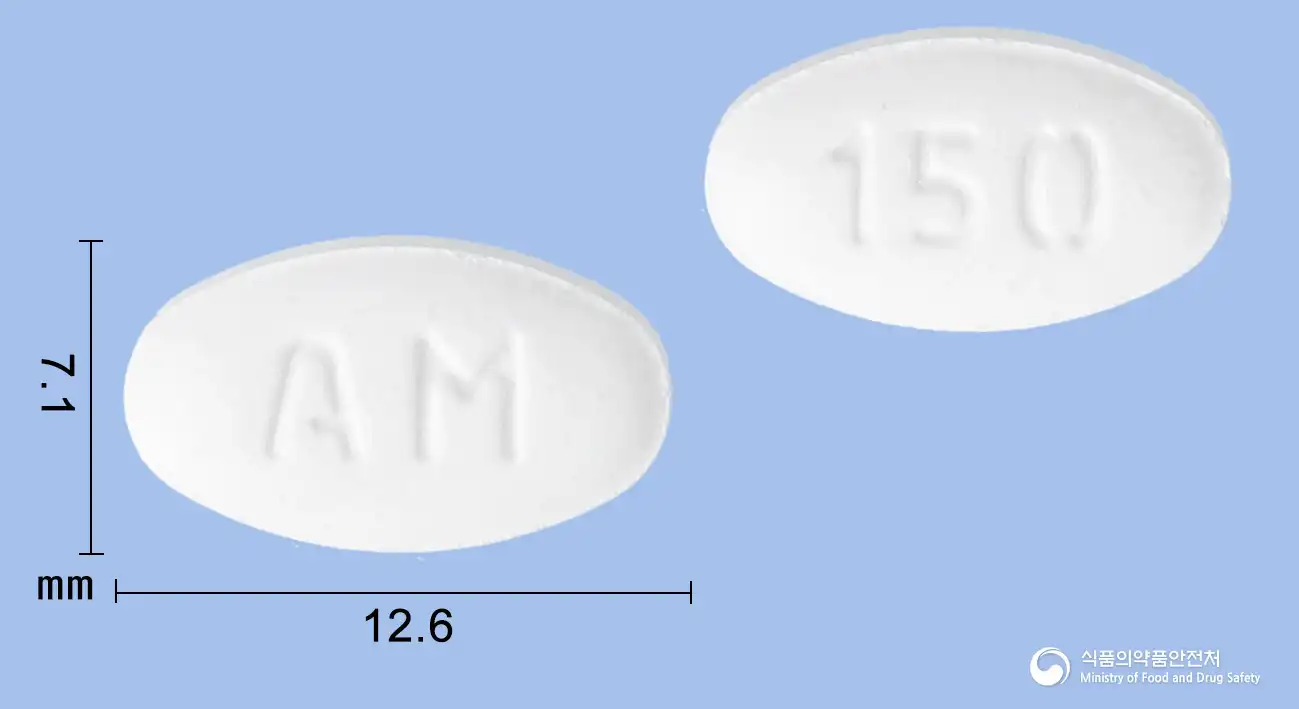
Amomil Tablet 150mg (Modafinil (Microform))
Armodafinil micronized 150mg
Tablet · Prescription medication
Myung-in Pharmaceutical Co., Ltd.
MFDS item code 202500740 · Approved 2025.03.31 · Insurance code 651905370
Improvement of excessive sleepiness associated with narcolepsy in adults
This medication is used to improve excessive sleepiness caused by narcolepsy in adults.
Adults: Take 150mg once daily in the morning. The dose may be increased up to a maximum of 250mg per day. The dose should be adjusted when coadministered with CYP3A4 substrate drugs such as triazolam and cyclosporine. Because drugs eliminated through CYP2C9 and CYP2C19 metabolism, such as phenytoin, or primarily through CYP2C19 metabolism, such as diazepam, propranolol, and S-mephenytoin, have prolonged elimination when coadministered with this drug, reduce their doses and monitor for toxicity. The dose should be reduced in patients with severe hepatic impairment.
This medication may cause abnormally severe drowsiness during use, so it is important to be aware that recovery to normal levels of drowsiness may not occur. It is recommended to frequently check the level of drowsiness while taking this medication, and to avoid activities such as driving or operating dangerous machinery whenever possible. Serious skin rashes may occur; if a rash develops, stop taking the medication immediately and consult a doctor. This medication is not recommended for children or minors. There may be serious allergic reactions such as angioedema or allergy symptoms, so immediate treatment is required if swelling of the face or neck or difficulty breathing occurs. A serious systemic reaction known as multi-organ hypersensitivity may also occur; if symptoms such as fever, rash, or liver dysfunction present, discontinue use of the medication. Psychiatric symptoms may worsen, so inform a doctor immediately if symptoms of depression, anxiety, or psychosis occur. If there are cardiovascular problems, regularly check heart condition, blood pressure, and heart rate; stop taking the medication if abnormalities arise. Women who are pregnant or breastfeeding, children, patients with moderate to severe hypertension, patients with arrhythmias, and patients with allergies to the components of this medication should not take this medication. Patients with anxiety disorders or a history of psychiatric disorders should take with caution under expert guidance, and women of childbearing age should have contraceptive plans before taking this medication. Patients with severe liver or kidney impairment require dose adjustments, and elderly patients should adjust dosages according to declining physical function. While taking this medication, side effects such as headache, nausea, dizziness, insomnia, anxiety, and appetite loss may occur; if symptoms are severe, consult a doctor. In case of overdose, symptoms such as insomnia, mental confusion, and abnormal heart rate may occur; if suspected, visit a medical institution immediately. This medication affects the central nervous system; caution is needed when driving or operating machinery. Additionally, this medication may interact with other drugs, so if there are other medications being taken, it is essential to inform a doctor or pharmacist. If taking for an extended period, periodically reevaluate the necessity of treatment and the occurrence of side effects. Patients with a history of drug abuse or amphetamine misuse should take this medication under strict medical supervision and be closely monitored for signs of substance abuse or dependence.
Not everyone experiences these, and they can vary from person to person.
This medication should be stored in a tightly closed container to prevent exposure to air or moisture, and it is recommended to keep it at a temperature between 1 degree and 30 degrees Celsius at room temperature. Storing it this way can help maintain the drug's effectiveness and prevent degradation.
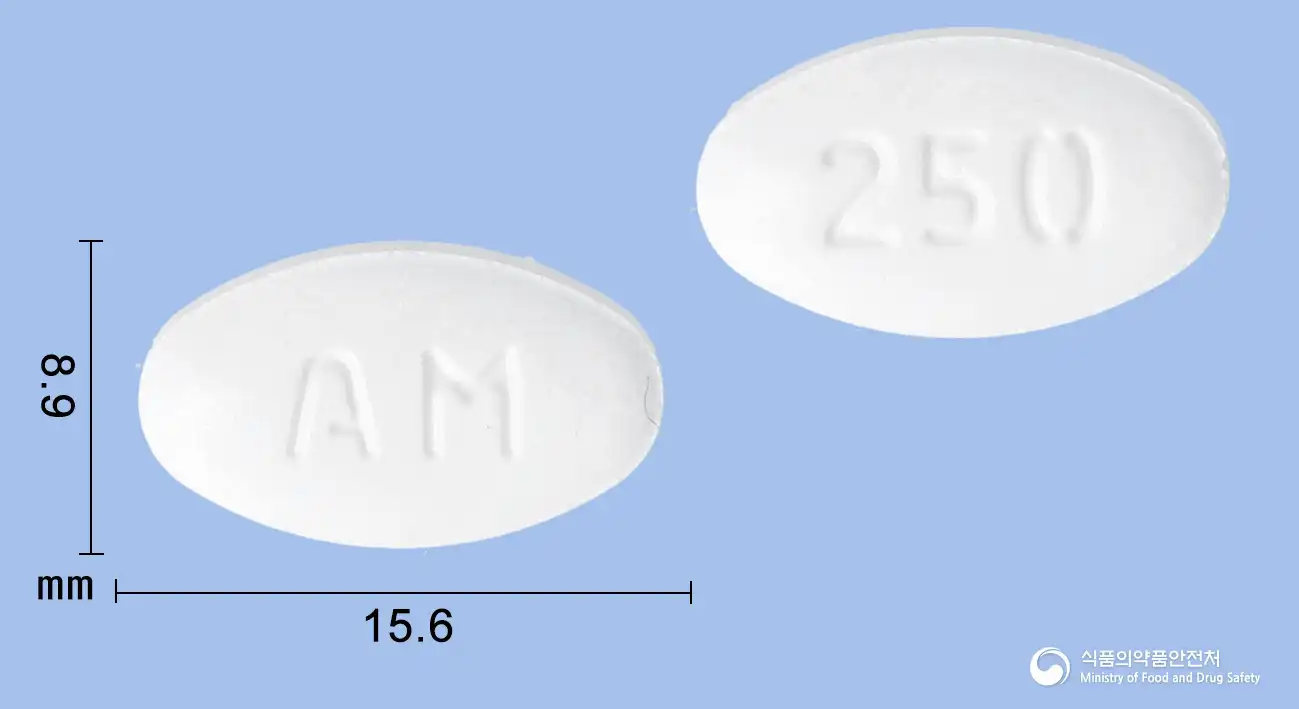
White or light yellow oval tablets
30 tablets/box [(10 tablets/PTP X 3)]
Even with the same ingredient, strength, dosage form and how it is taken can differ.
Even with the same ingredient, the dose and directions can differ by strength and dosage form. Talk to a doctor or pharmacist before switching from a medication you are already taking.
No questions yet.
For anything that needs medical judgment, consult a doctor or pharmacist.
This drug information is based on data provided by the Korea Ministry of Food and Drug Safety.
Consult a doctor or pharmacist for accurate dosage, administration, and usage instructions.