Improvement of blood sugar control in type 2 diabetes
Who takes it
Adults
Adult dose
The recommended dosage of this medication is 10 mg of dapagliflozin and 100 mg of sitagliptin, with sustained-release metformin hydrochloride being determined within a range that does not exceed 2000 mg based on each patient's current therapy, efficacy, and tolerability.
This medication should be taken once daily preferably in the evening with meals, and the dosage of metformin hydrochloride should be adjusted gradually if needed.
10/100/1000 mg.
Improvement of blood sugar control in type 2 diabetes
View approved original textHide original text
This medication is used in conjunction with diet and exercise therapy to help manage blood sugar levels in patients with type 2 diabetes. It particularly aids in more effective blood sugar control when used in combination with dapagliflozin, sitagliptin, and metformin, thereby contributing to the health improvement of those who struggle with blood sugar management.
How to take
Adult dose
The recommended dosage of this medication is 10 mg of dapagliflozin and 100 mg of sitagliptin, with sustained-release metformin hydrochloride being determined within a range that does not exceed 2000 mg based on each patient's current therapy, efficacy, and tolerability.
This medication should be taken once daily preferably in the evening with meals, and the dosage of metformin hydrochloride should be adjusted gradually if needed.
10/100/1000 mg.
Precautions
This medication contains a mixture of ingredients used in the treatment of diabetes.
First, the sitagliptin component may rarely cause serious allergic reactions. Such reactions can occur within three months of starting the medication, so if symptoms like skin rash or difficulty breathing develop, it is essential to stop taking the medication immediately and consult a doctor.
Moreover, sitagliptin poses a risk of acute inflammation of the pancreas (acute pancreatitis), so if abdominal pain, nausea, or vomiting occur during treatment, medical personnel must be informed immediately.
The metformin ingredient may rarely lead to a severe metabolic disorder known as lactic acidosis. This condition can cause symptoms such as vomiting, abdominal pain, muscle pain, difficulty breathing, and lethargy, and immediate medical attention should be sought if it occurs.
This medication is not to be administered to patients with moderate to severe renal impairment, dehydration, severe infection, heart failure, acute myocardial infarction, or other kidney or heart-related issues.
Moreover, this medication must be discontinued before examinations involving radiological iodinated contrast agents, and it can only be resumed after confirming normal kidney function post-examination.
Patients who are pregnant or who have severely impaired liver function should also not use this medication.
During treatment with this medication, side effects such as hypoglycemia, fluid loss, urinary and genital infections may occur; if symptoms arise, immediate consultation with a physician is necessary.
In particular, patients with reduced fluid volume or low blood pressure, elderly individuals, and those with decreased kidney function should take extra caution and undergo regular kidney function tests.
This medication can induce a severe metabolic complication known as diabetic ketoacidosis, so if symptoms of ketoacidosis appear even when blood sugar levels are not elevated, immediate treatment should be sought.
Finally, alcohol consumption should be avoided while taking this medication, and if symptoms of dehydration or severe gastrointestinal disturbances occur, the medication should be discontinued and a doctor consulted.
Not everyone experiences these, and they can vary from person to person.
Storage
Store this medication in a tightly sealed container to prevent exposure to air or moisture. It is recommended to keep the storage temperature between 1 and 30 degrees Celsius.
Appearance and packaging
Appearance
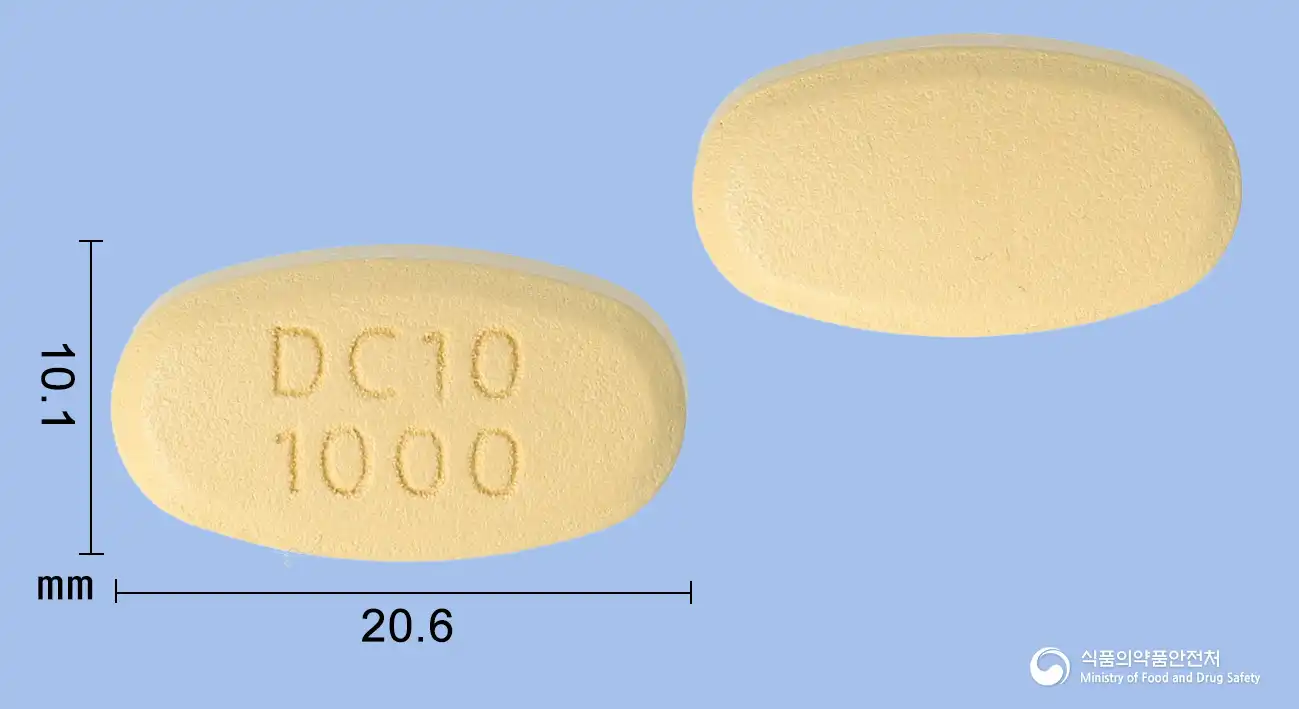
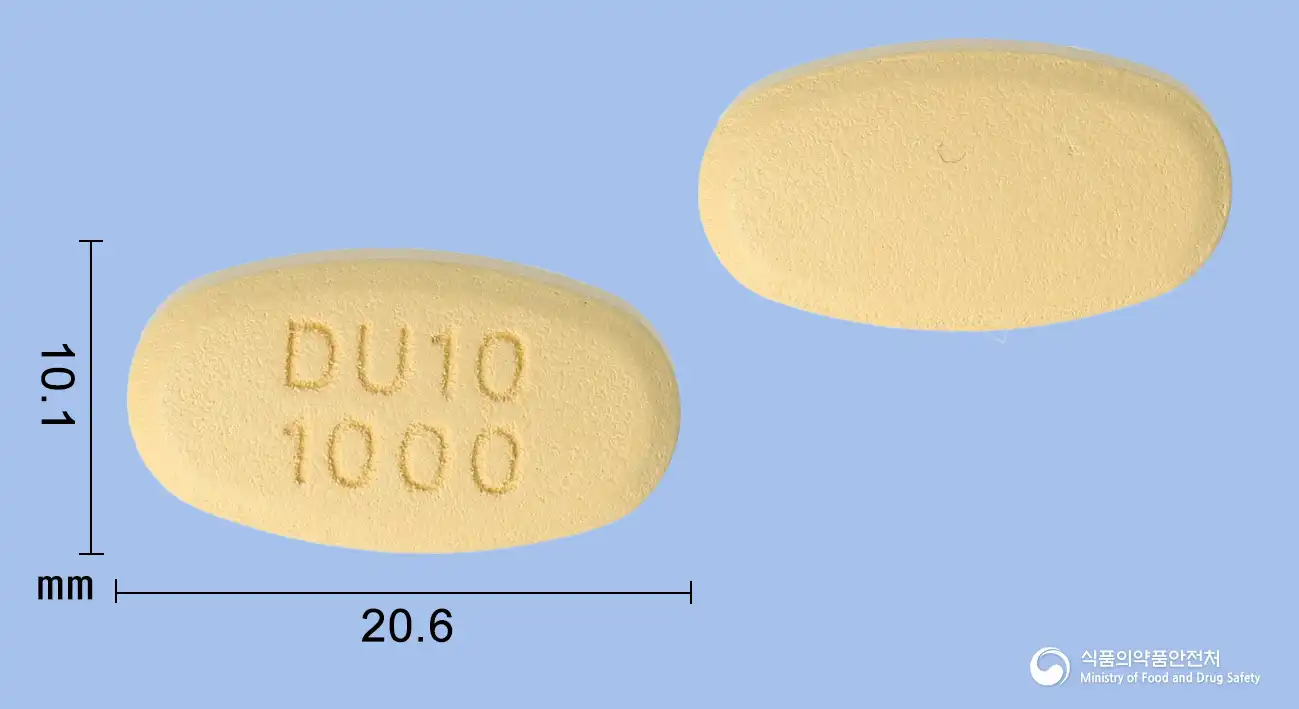
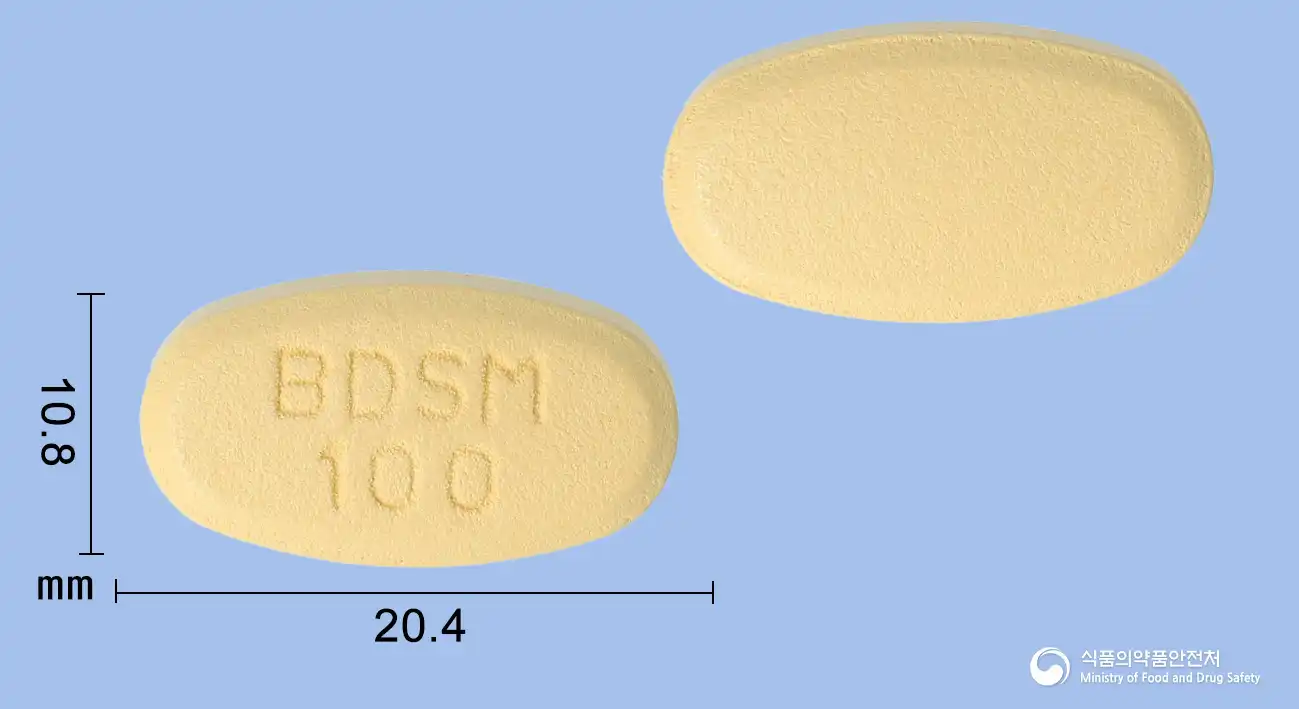
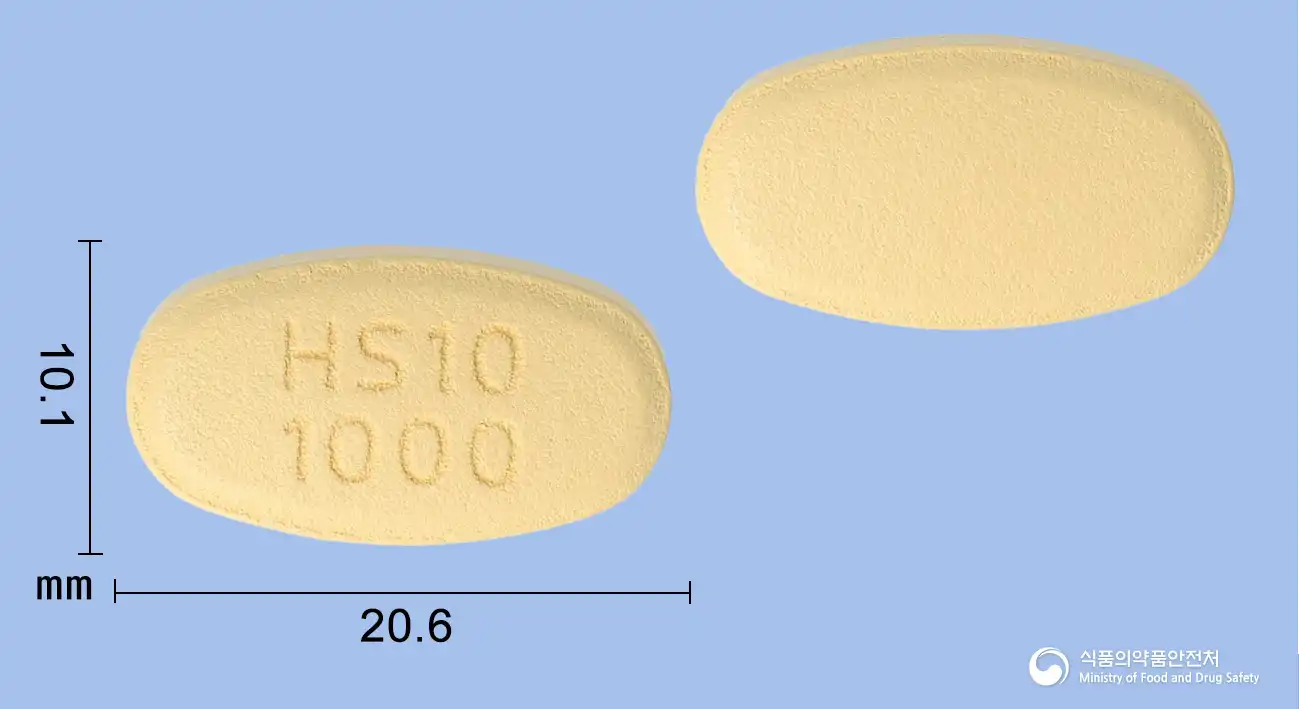
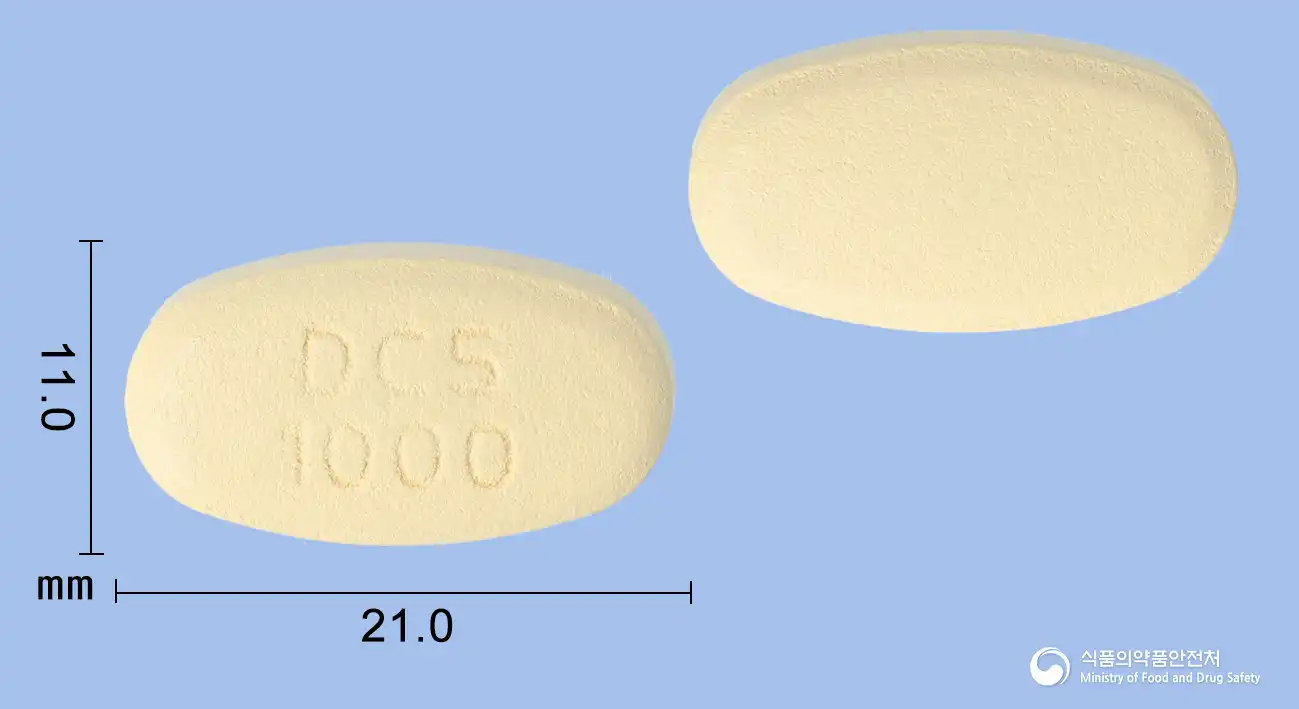
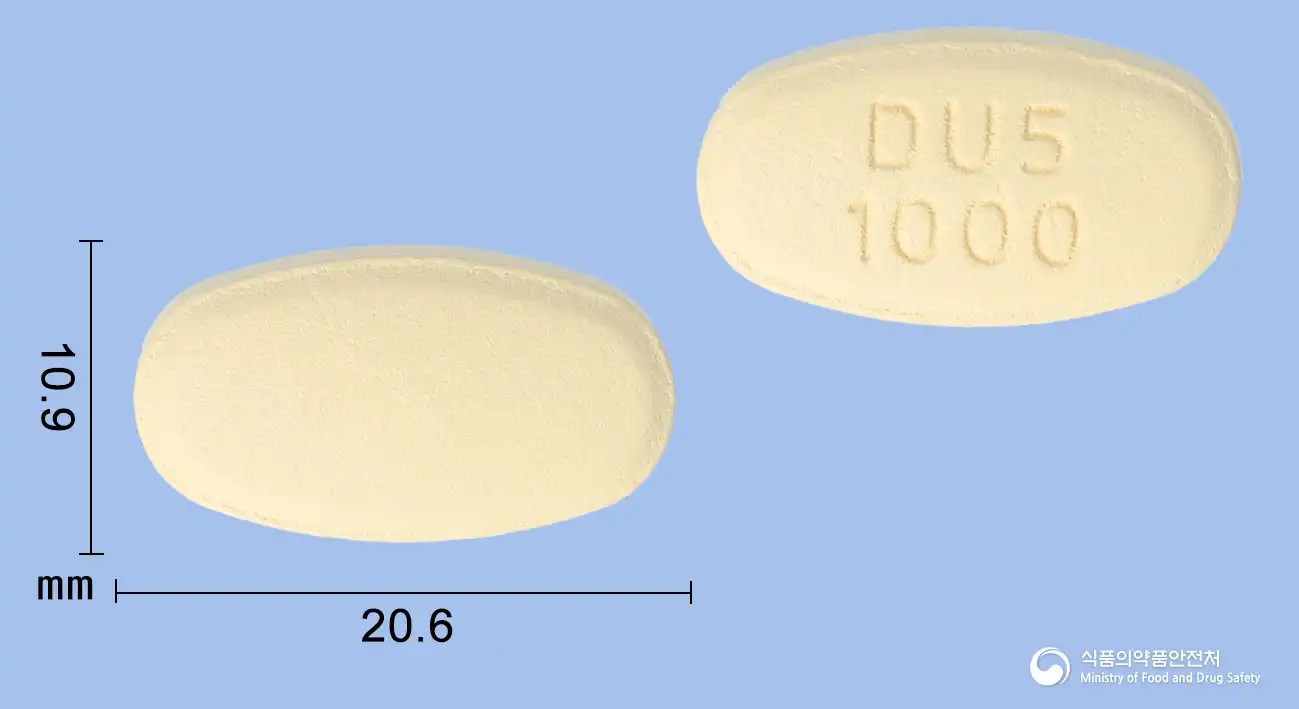
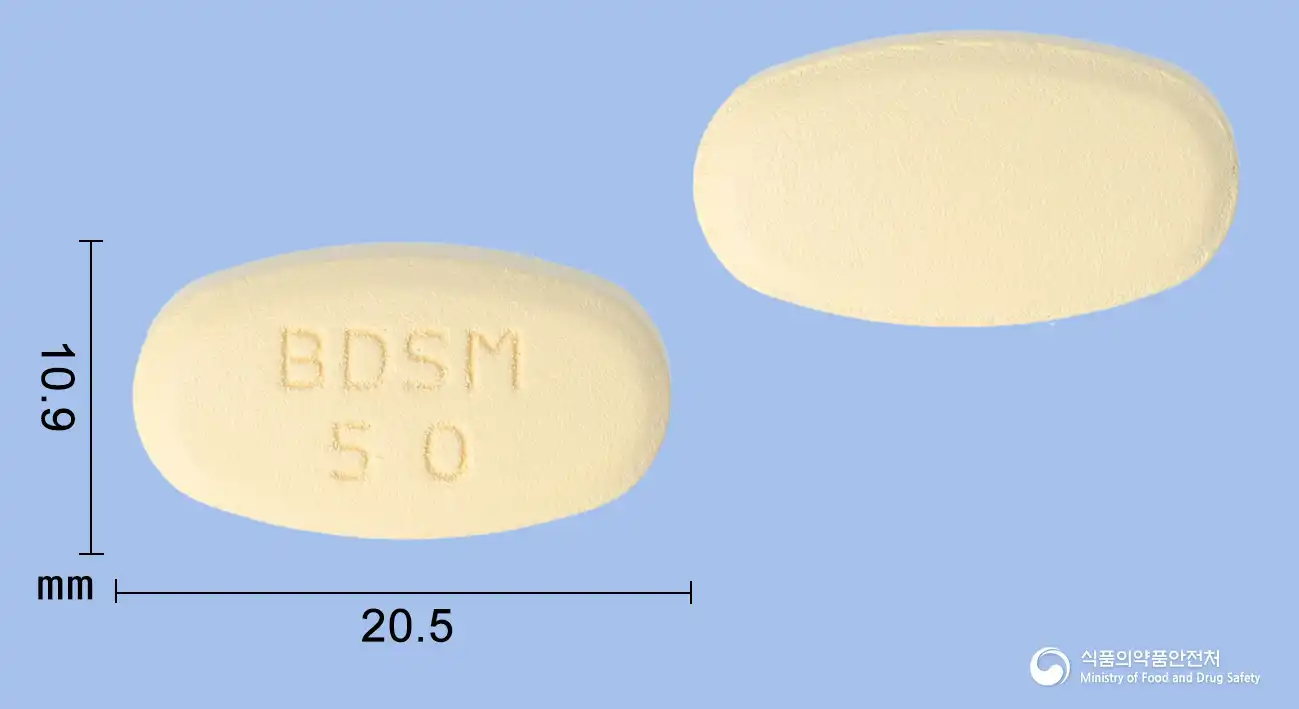
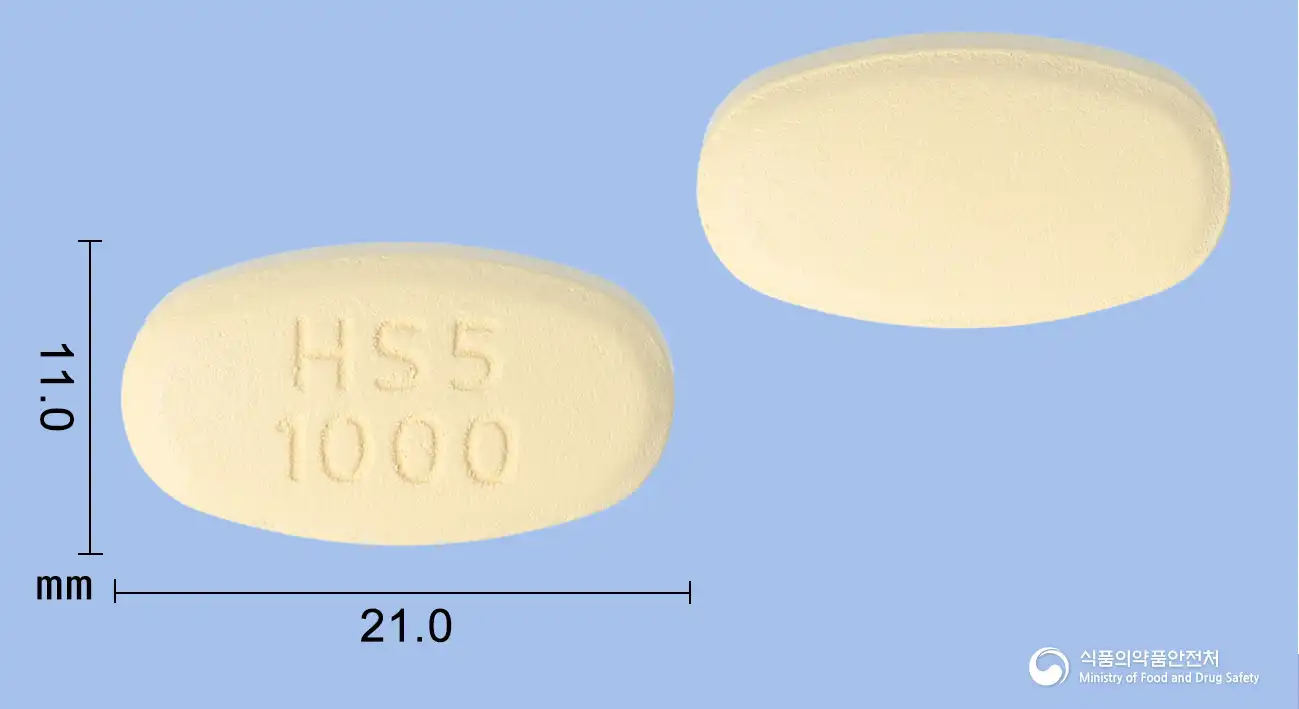
Pale yellow, bilaterally convex, oval sustained-release film-coated tablet
Package unit
30 tablets/bottle
Same-ingredient medicines
Even with the same ingredient, strength, dosage form and how it is taken can differ.
Even with the same ingredient, the dose and directions can differ by strength and dosage form. Talk to a doctor or pharmacist before switching from a medication you are already taking.
Questions about this medicine
No questions yet.
For anything that needs medical judgment, consult a doctor or pharmacist.
This drug information is based on data provided by the Korea Ministry of Food and Drug Safety. Consult a doctor or pharmacist for accurate dosage, administration, and usage instructions.

 한국어
한국어 English
 日本語
日本語 中文(简体)
 Viewing nowCombination