
 한국어
한국어 English
 日本語
日本語 中文(简体)
 Viewing nowCombination
Empa Duo Extended-Release Tablets 12.5/1000 mg (Empagliflozin, Metformin Hydrochloride)
Empagliflozin 12.5mg · Metformin Hydrochloride 1000mg
Tablet · Prescription medication · Combination
Donggu Bio Pharmaceutical Co., Ltd.
MFDS item code 202500686 · Approved 2025.03.25 · Insurance code 657309230
Blood sugar control in adult patients with type 2 diabetes and prevention of cardiovascular events
This medication assists patients with type 2 diabetes in achieving better blood sugar control when it is combined with dietary management and exercise. It is particularly used carefully in adult diabetes patients with cardiovascular diseases, helping to manage blood sugar levels safely. The drug combines Empagliflozin and Metformin, which improves blood sugar control and contributes to the prevention of diabetic complications. It is important to follow the physician's instructions during the treatment and regularly monitor the condition. This medication is utilized to effectively support diabetes management.
In antidiabetic therapy, the dosage of this drug should be determined within the range not exceeding the maximum recommended daily doses of each ingredient, which are 25 mg of Empagliflozin and 2000 mg of extended-release Metformin Hydrochloride, considering each patient's current treatment regimen, efficacy, and tolerability. This drug should be taken once daily in the evening with a meal. For this drug 25/1000 mg, 10/1000 mg extended-release tablets, the dose is once daily, 1 tablet.
This drug is used for the treatment of diabetes and helps control blood sugar levels. It should not be administered to patients with impaired kidney function, and kidney function should be regularly assessed. In cases of severe infection, dehydration, heart failure, or liver impairment, this medication should not be used, especially before and after surgery, during which it should be discontinued for a certain period. While taking this medication, a rare complication called lactic acidosis may occur; symptoms such as muscle pain, difficulty breathing, abdominal pain, and weakness should be reported to a doctor immediately. Additionally, there is a risk of hypoglycemia, so careful monitoring of blood sugar changes is necessary when used in combination with insulin or other antidiabetic medications. This medication may increase the risk of genital infections and urinary tract infections; prompt treatment is necessary if related symptoms manifest. It is safer for pregnant women or those who may become pregnant and breastfeeding women to avoid using this drug. Elderly patients should be particularly cautious due to the risks of dehydration and reduced kidney function when using this medication. The tablets should be swallowed whole without breaking or chewing, and while the tablet shell may be excreted, this is a normal occurrence. In case of overdose, serious side effects such as lactic acidosis may appear, so immediate medical attention should be sought. Alcohol consumption should be avoided while taking this medication, and it is advised to consult a doctor about whether to discontinue this medication when undergoing examinations involving iodinated contrast media before and after taking the drug. Finally, this medication may interact with other drugs, so it is essential to inform your doctor or pharmacist about any other medications being taken.
Hives, severe swelling (angioedema), chest tightness, difficulty breathing, lactic acidosis, ketoacidosis, severe skin reactions (severe rash, blisters, skin peeling), pain in mouth/eyes mucosa, urosepsis, pyelonephritis, perineal necrosis, severe edema, acute kidney injury, acute renal failure, acute pyelonephritis, liver abnormalities (including jaundice), cerebral infarction, myocardial infarction, heart failure, exacerbation of heart failure, seizures, confusion, visual disturbances,
Not everyone experiences these, and they can vary from person to person.
Store this medication in a tightly closed container to protect it from air and moisture. It is recommended to keep the storage temperature between 1 to 30 degrees Celsius.
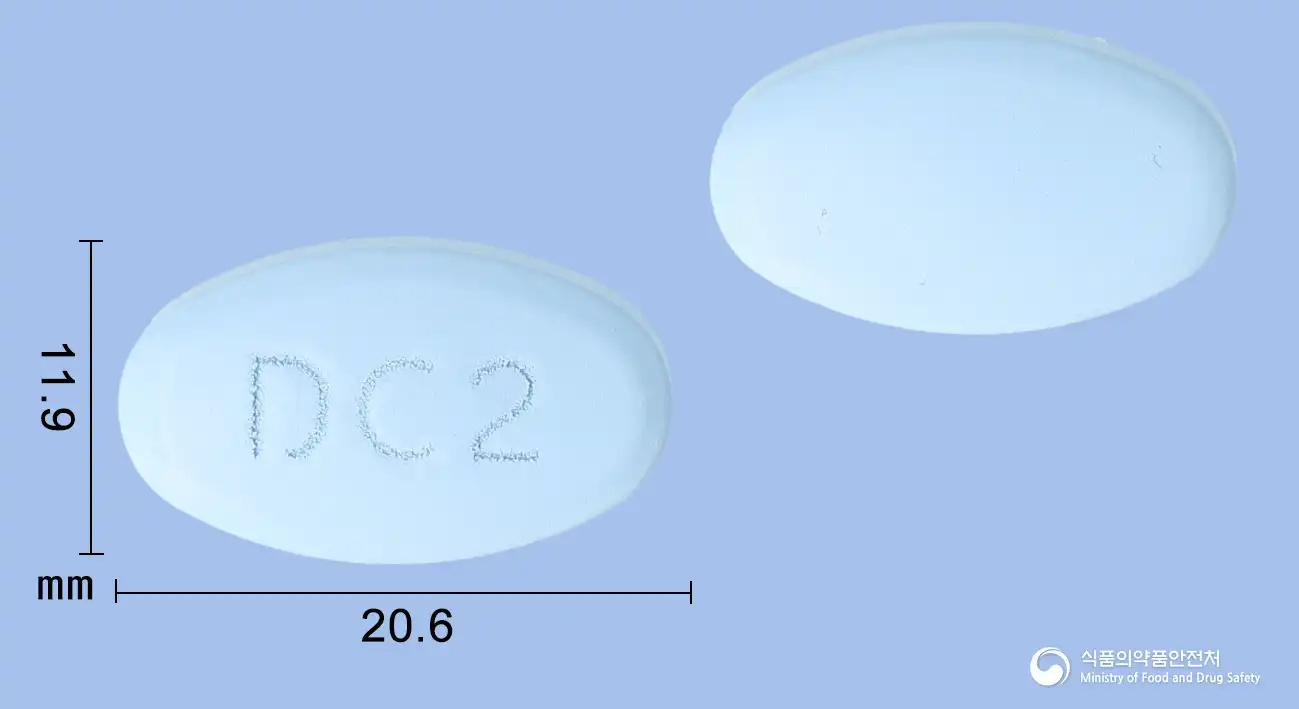
Light blue oval-shaped extended-release film-coated tablets
30 tablets/bottle
Even with the same ingredient, strength, dosage form and how it is taken can differ.
Viewing nowCombinationEmpagliflozin 12.5mg · Metformin Hydrochloride 1000mg
Tablet · Prescription medication · Combination
Donggu Bio Pharmaceutical Co., Ltd.
 Combination
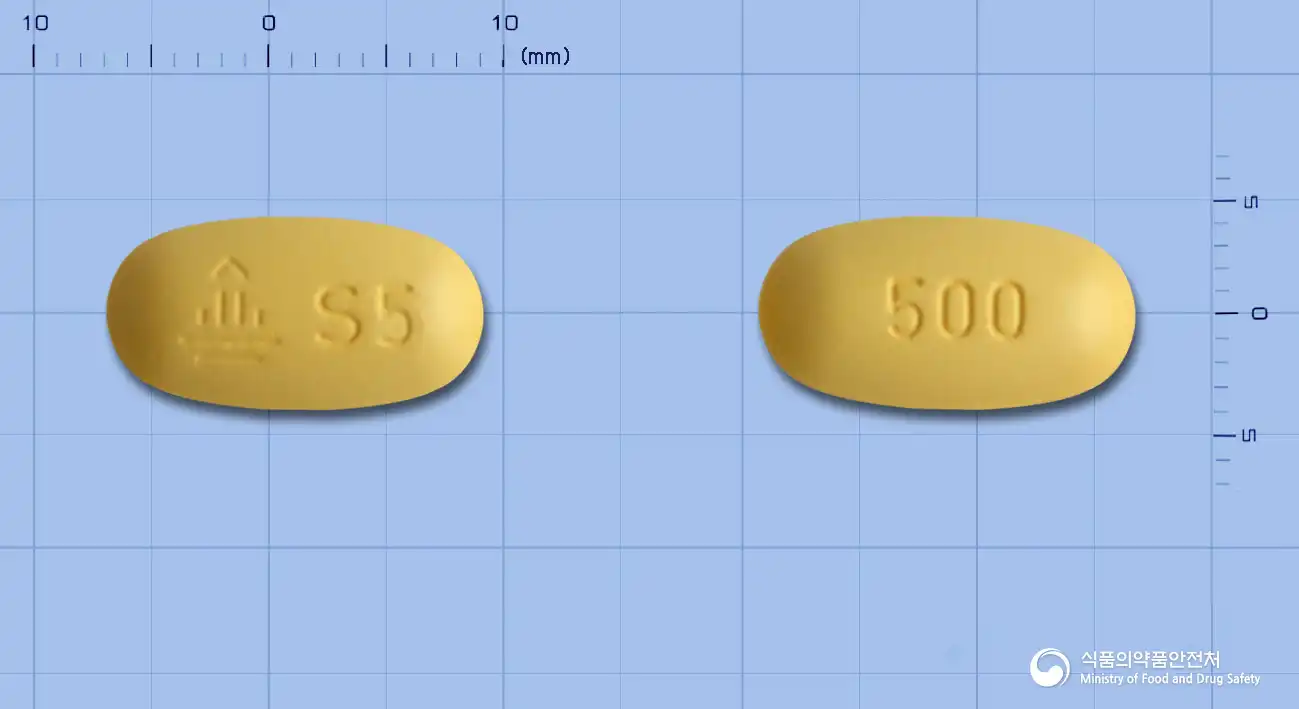
Empagliflozin 5mg · Metformin Hydrochloride 500mg
Tablet · Prescription medication · Combination
Boehringer Ingelheim Korea Co., Ltd.
 Combination
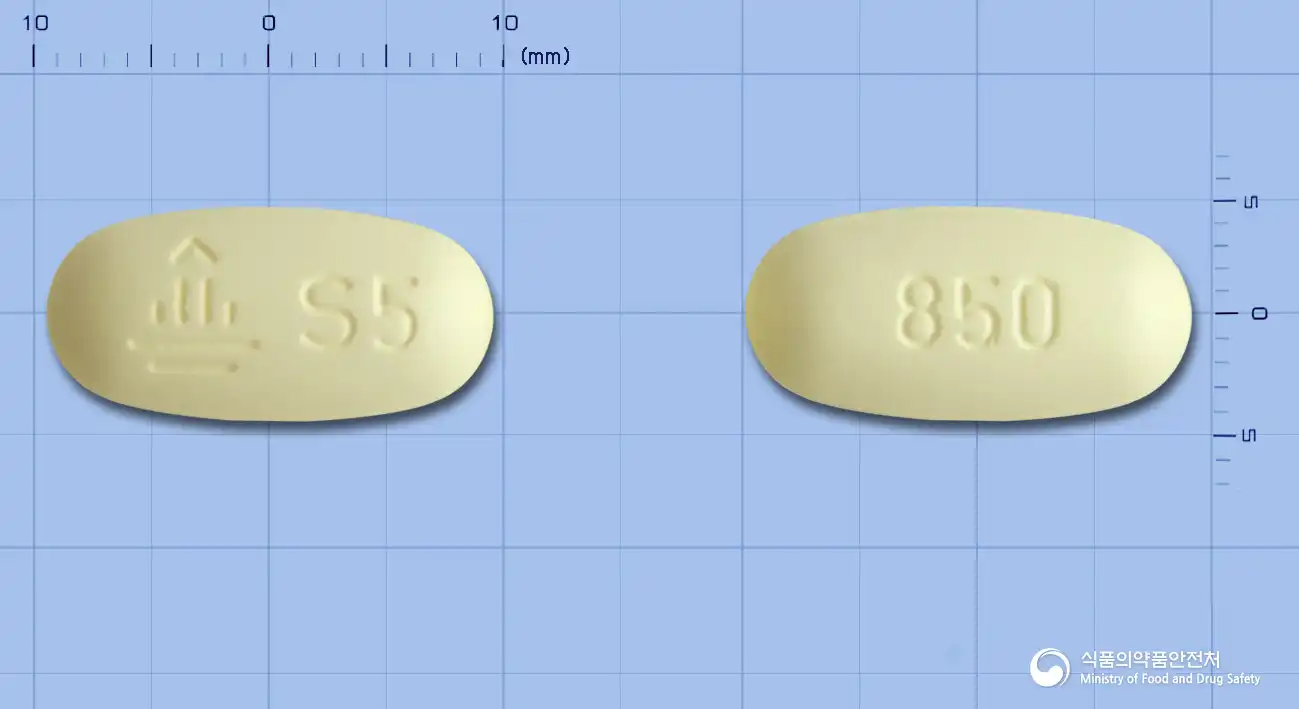
Empagliflozin 5mg · Metformin Hydrochloride 850mg
Tablet · Prescription medication · Combination
Boehringer Ingelheim Korea Co., Ltd.
 Combination
Empagliflozin 5mg · Metformin Hydrochloride 1000mg
Tablet · Prescription medication · Combination
Boehringer Ingelheim Korea Co., Ltd.
 Combination
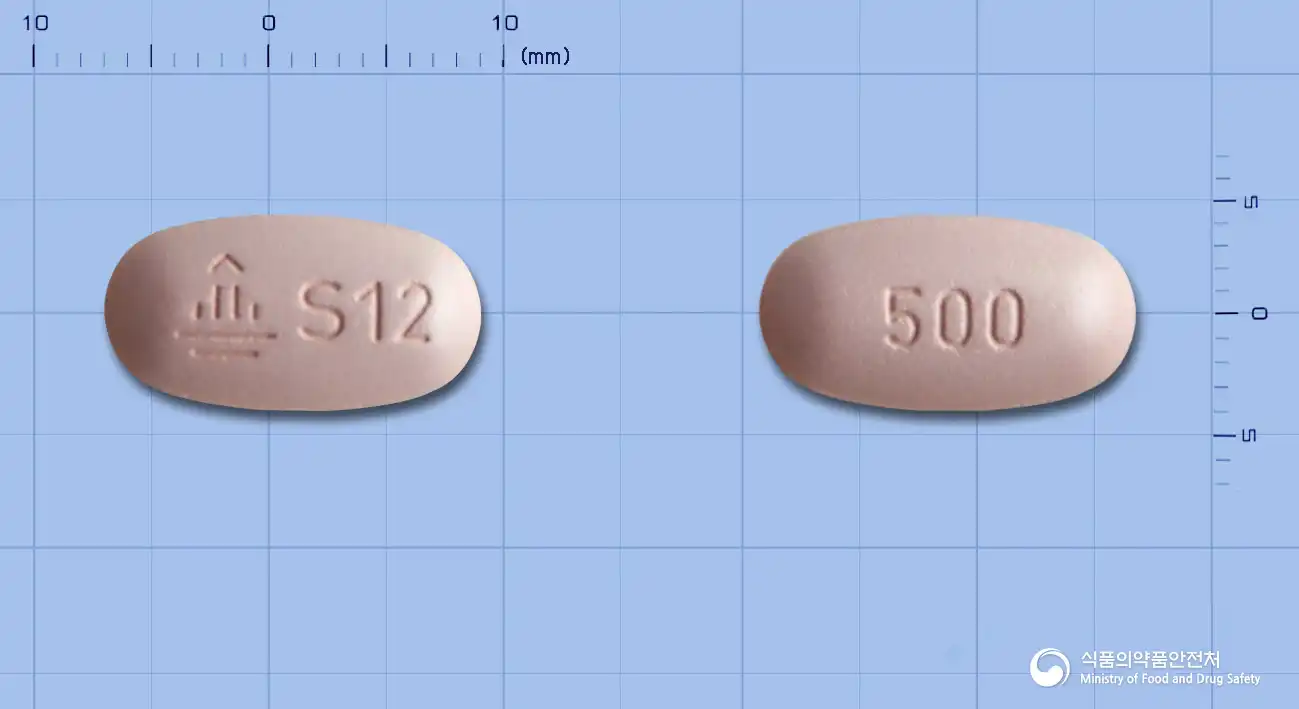
Empagliflozin 12.5mg · Metformin Hydrochloride 500mg
Tablet · Prescription medication · Combination
Boehringer Ingelheim Korea Co., Ltd.
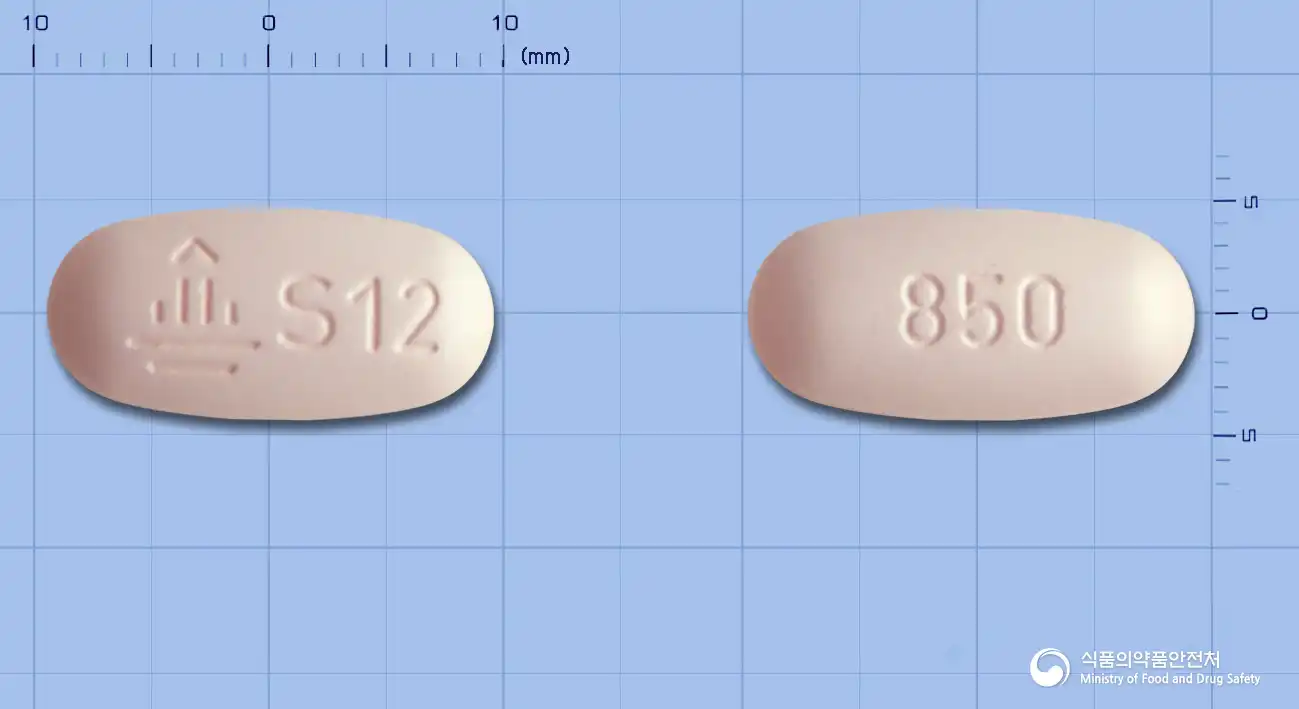 Combination
Empagliflozin 12.5mg · Metformin Hydrochloride 850mg
Tablet · Prescription medication · Combination
Boehringer Ingelheim Korea Co., Ltd.
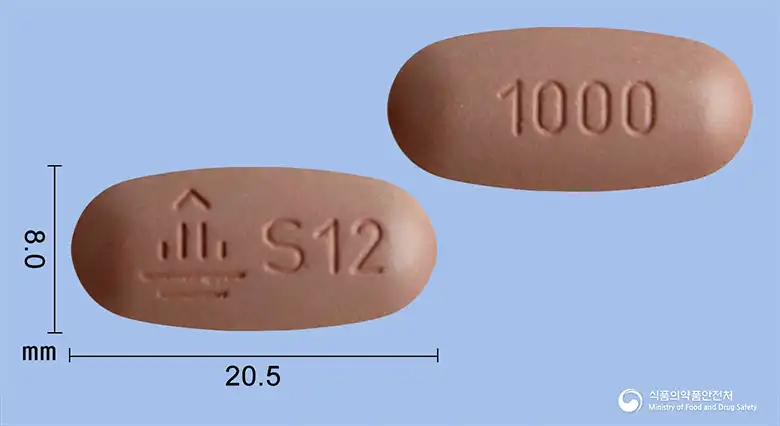 Combination
Empagliflozin 12.5mg · Metformin Hydrochloride 1000mg
Tablet · Prescription medication · Combination
Boehringer Ingelheim Korea Co., Ltd.
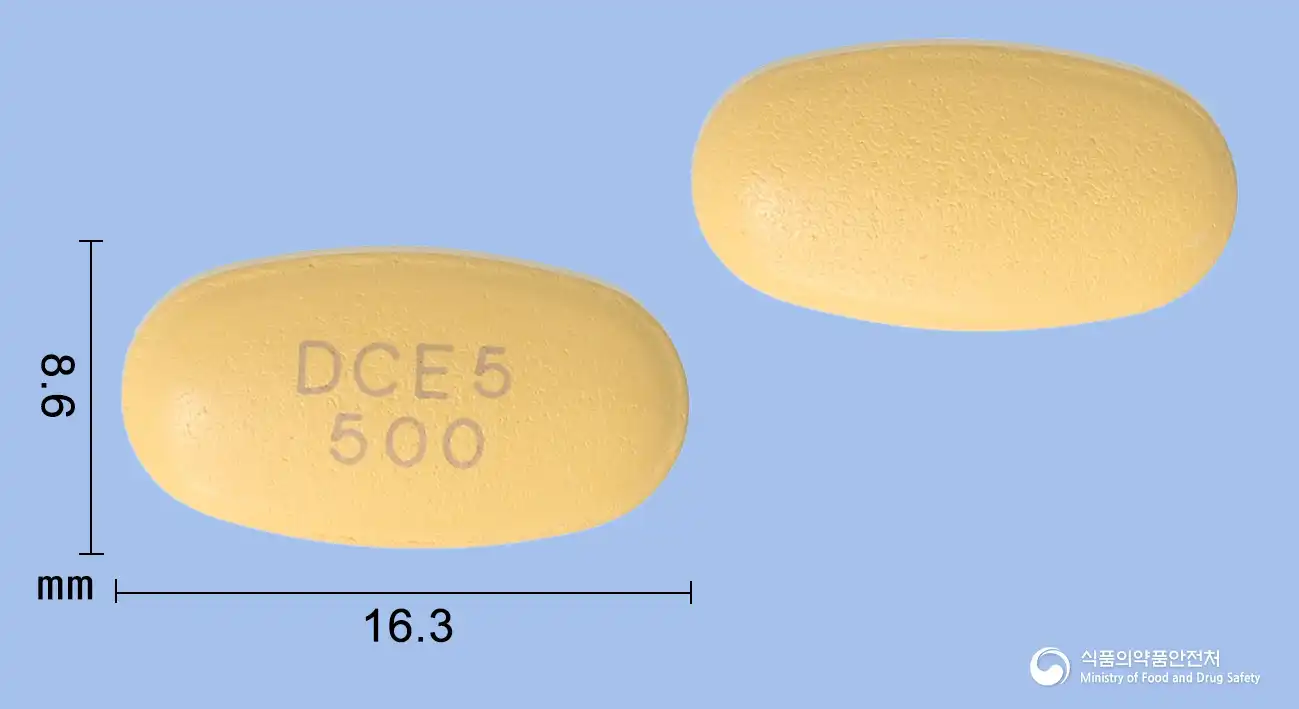 Combination
Empagliflozin 5mg · Metformin Hydrochloride 500mg
Tablet · Prescription medication · Combination
Donggu Bio Pharmaceutical Co., Ltd.
Even with the same ingredient, the dose and directions can differ by strength and dosage form. Talk to a doctor or pharmacist before switching from a medication you are already taking.
No questions yet.
For anything that needs medical judgment, consult a doctor or pharmacist.
This drug information is based on data provided by the Korea Ministry of Food and Drug Safety.
Consult a doctor or pharmacist for accurate dosage, administration, and usage instructions.