
 한국어
 English
 日本語
 中文(简体)
Summary
- Main use
- Acute treatment of migraine in adults and prevention of episodic migraine
- Who takes it
- Adults
- Adult dose
- Place this medicine on or under the tongue. It dissolves in the mouth and may be taken without water. This medicine may be taken with or without food. (See “11. Information for Healthcare Professionals, 2) Pharmacokinetic Information, (1) Absorption” under Precautions for Use.) 1. Recommended dose for acute treatment of migraine The recommended dose of this medicine is 75 mg orally as needed once daily. The maximum dose in a 24-hour period is 75 mg. 2. Recommended dose for prevention of episodic migraine The recommended dose of this medicine is 75 mg orally every other day (once every 2 days). 3. Concomitant use with other medicines 1) Concomitant use with strong or moderate CYP3A4 inhibitors Avoid concomitant use of this medicine with strong CYP3A4 inhibitors. When used concomitantly with moderate CYP3A4 inhibitors, avoid taking an additional dose of this medicine within 48 hours. 2) Concomitant use with strong or moderate CYP3A inducers Avoid concomitant use of this medicine with strong or moderate CYP3A inducers, as this may result in loss of efficacy. 3) Concomitant use with strong P-gp inhibitors When used concomitantly with strong P-gp inhibitors, avoid taking an additional dose of this medicine within 48 hours. 4. Patients with hepatic impairment No dose adjustment is required in patients with mild (Child-Pugh class A) or moderate (Child-Pugh class B) hepatic impairment. Plasma concentrations of this medicine were significantly higher in patients with severe hepatic impairment (Child-Pugh class C). Avoid use of this medicine in patients with severe hepatic impairment. 5. Patients with renal impairment No dose adjustment is required in patients with mild, moderate, or severe renal impairment. This medicine has not been studied in patients with end-stage renal disease or on dialysis. Avoid use of this medicine in patients with end-stage renal disease (CLcr < 15 mL/min). 6. If a dose of this medicine is missed If a patient misses a dose while taking this medicine for migraine prevention, take the next dose at the scheduled time. Do not take a double dose to make up for the missed dose.
Ingredients
- Importer
- Pfizer Pharmaceuticals Korea Limited
Efficacy & effects
Acute treatment of migraine in adults and prevention of episodic migraine
- Migraine
- aura symptoms
View approved original textHide original text
This medication is used for the acute treatment of migraines with or without aura in adults. It is also effective in preventing episodic migraines, which occur irregularly. Therefore, this medication helps alleviate acute symptoms of migraines and reduce their recurrence.
How to take
Adult dose
Place this medicine on or under the tongue. It dissolves in the mouth and may be taken without water. This medicine may be taken with or without food. (See “11. Information for Healthcare Professionals, 2) Pharmacokinetic Information, (1) Absorption” under Precautions for Use.) 1. Recommended dose for acute treatment of migraine The recommended dose of this medicine is 75 mg orally as needed once daily. The maximum dose in a 24-hour period is 75 mg. 2. Recommended dose for prevention of episodic migraine The recommended dose of this medicine is 75 mg orally every other day (once every 2 days). 3. Concomitant use with other medicines 1) Concomitant use with strong or moderate CYP3A4 inhibitors Avoid concomitant use of this medicine with strong CYP3A4 inhibitors. When used concomitantly with moderate CYP3A4 inhibitors, avoid taking an additional dose of this medicine within 48 hours. 2) Concomitant use with strong or moderate CYP3A inducers Avoid concomitant use of this medicine with strong or moderate CYP3A inducers, as this may result in loss of efficacy. 3) Concomitant use with strong P-gp inhibitors When used concomitantly with strong P-gp inhibitors, avoid taking an additional dose of this medicine within 48 hours. 4. Patients with hepatic impairment No dose adjustment is required in patients with mild (Child-Pugh class A) or moderate (Child-Pugh class B) hepatic impairment. Plasma concentrations of this medicine were significantly higher in patients with severe hepatic impairment (Child-Pugh class C). Avoid use of this medicine in patients with severe hepatic impairment. 5. Patients with renal impairment No dose adjustment is required in patients with mild, moderate, or severe renal impairment. This medicine has not been studied in patients with end-stage renal disease or on dialysis. Avoid use of this medicine in patients with end-stage renal disease (CLcr < 15 mL/min). 6. If a dose of this medicine is missed If a patient misses a dose while taking this medicine for migraine prevention, take the next dose at the scheduled time. Do not take a double dose to make up for the missed dose.
Precautions
This medication should not be used in patients who have shown hypersensitivity to it or any of its components. While hypersensitivity reactions are rare, they can include serious symptoms such as respiratory distress or skin rashes. Nausea and gastrointestinal disturbances may commonly occur when using this medication. Rarely, severe hypersensitivity reactions such as respiratory distress or severe rashes have been reported, so caution is needed. This medication is used for the acute treatment and prevention of migraines, but overuse for headache treatment may worsen headaches, so the prescribed dosage and frequency must be adhered to. Patients with significantly impaired liver function, end-stage kidney disease, and those taking medications that strongly inhibit or induce certain enzymes should avoid using this medication. This medication can interact with other drugs, so care is needed when taken with medications that inhibit or induce CYP3A4 enzymes, and co-administration should be avoided or dosing intervals adjusted. The use of this medication during pregnancy is not recommended, and if breastfeeding, caution is necessary as it may be excreted in small amounts in breast milk, so consultation with a physician is advised before use. The safety and efficacy of this medication have not been established in pediatrics, so it is advisable to avoid use in children. Experience in elderly patients is limited, but no special dosage adjustment is necessary. In the case of overdose, there is no specific antidote, so immediate medical attention for appropriate treatment and observation is required. This medication should be carefully removed from the blister pack with dry hands and can be taken without water by placing it on or under the tongue. It should be taken immediately after removal from the blister, and not stored outside the blister pack. Additionally, store it out of reach of children, and keep it sealed in the original container to maintain the quality and safety of the medication.
Side effects
- Nausea
- shortness of breath
- severe rash
- anaphylactic reaction
- hypersensitivity
- abdominal pain
- indigestion
Not everyone experiences these, and they can vary from person to person.
Storage
This medication must be stored in a tightly closed container to prevent exposure to air and moisture, ideally at room temperature between 15 degrees and 30 degrees Celsius. Storing it this way helps maintain the effectiveness of the medication and prevents degradation.
Appearance and packaging
Appearance
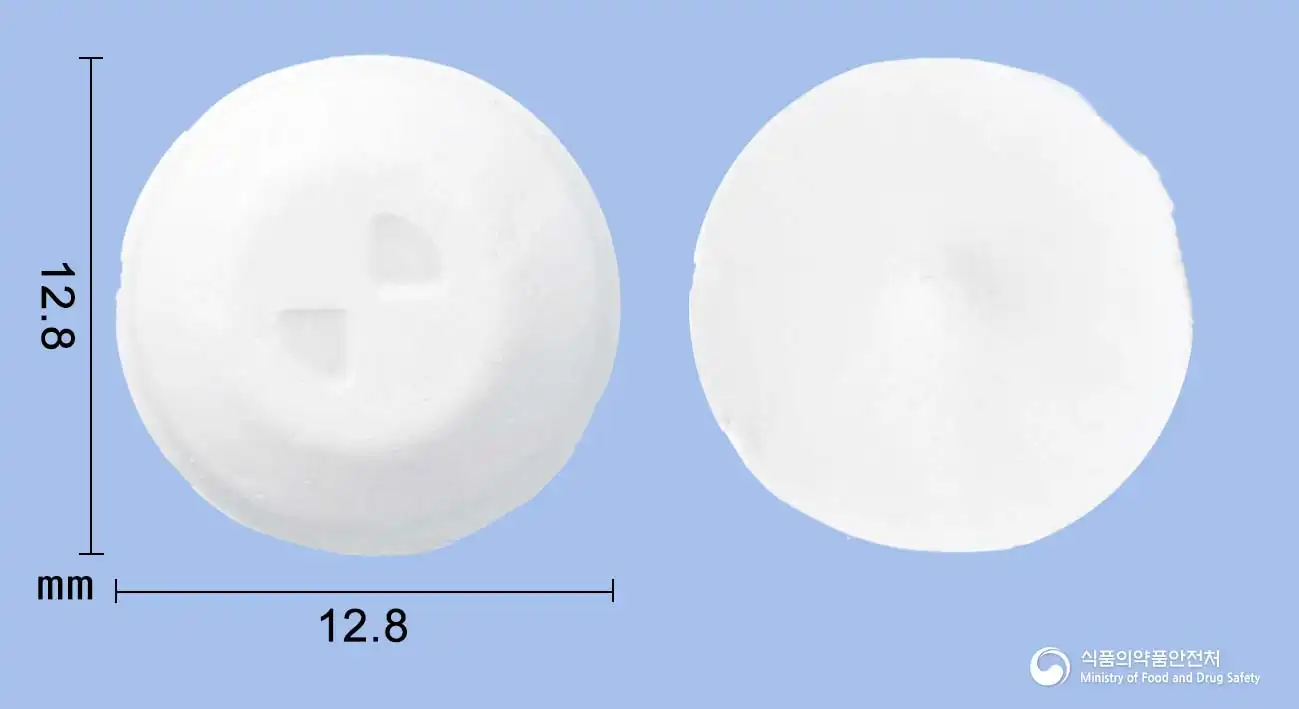
White to off-white round oral disintegrating tablet
Package unit
2 tablets/blister, 8 tablets/blister
Questions about this medicine
No questions yet.
For anything that needs medical judgment, consult a doctor or pharmacist.